
Flamenco is the Andalusian art of cante (song), toque (guitar) and baile (dance), held together by compás, the repeating rhythmic cycles that give the music its swing. It took shape among the gitano (Romani) and non-gitano communities of southern Spain, and it is organised around "palos", song forms that each have their own metre, mode and mood, more than around fixed tunes.
This guide covers what flamenco is, where it came from, how to recognise it by ear, the instruments and hand-clapped rhythms that drive it, its major palos and offshoots, and the artists worth knowing. Not sure whether the record you're hearing is traditional flamenco, rumba or a flamenco-pop fusion? Play a clip into our free AI music genre detector and see which family the guitar, the claps and the voice put it in.
What Is Flamenco Music?
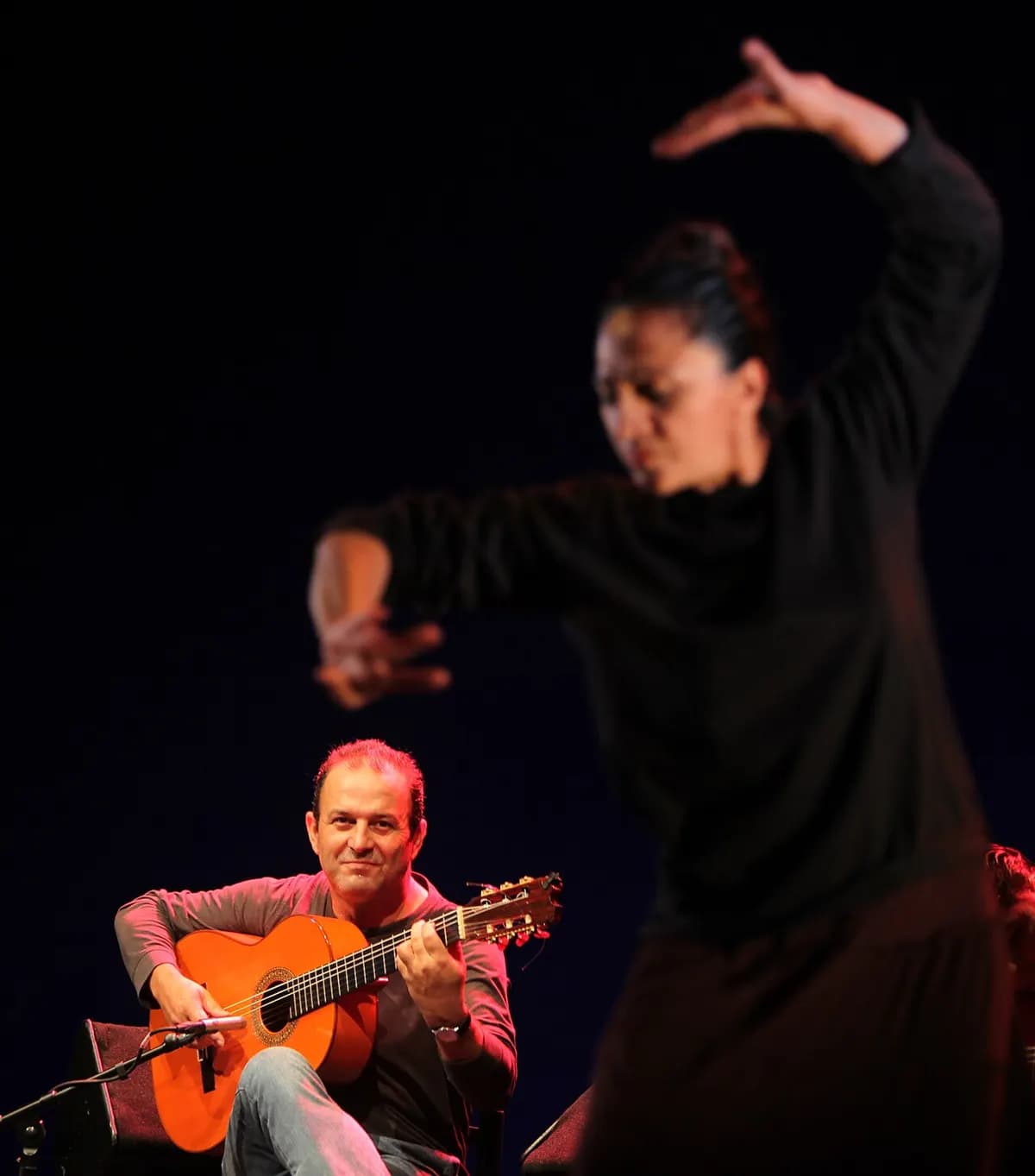
Flamenco is a musical and performance tradition from Andalusia in southern Spain, with a historical presence in Extremadura and Murcia as well. UNESCO inscribed it on its list of the Intangible Cultural Heritage of Humanity in 2010. It combines a raw, melismatic vocal (cante), a nylon-string guitar (toque) and percussive dance (baile), all locked to a shared rhythmic cycle called compás and pushed along by handclaps (palmas) and shouts of encouragement (jaleo).
Flamenco does not follow the verse–chorus form of pop or a steady four-on-the-floor beat. It is organised into palos, dozens of distinct song forms such as soleá, bulerías and seguiriya, each defined by a particular compás, harmonic mode, tempo and emotional register. Many palos use a 12-beat cycle with shifting accents, and the deepest, most anguished styles are known collectively as cante jondo ("deep song"). The modal harmony and the cyclical, improvisation-friendly structure are what separate flamenco from Spanish classical guitar music and from its Latin neighbours.
History & Origins
The oldest written mention of flamenco music is in José Cadalso's Cartas marruecas of 1774, and the style took its recognisable shape in Andalusia over the late 18th and 19th centuries. The region's gitano communities contributed heavily to its origin and to its professionalisation, though flamenco artists have always included non-gitano Andalusians too. The usual list of ingredients is the music of Al-Andalus, Sephardic and Christian folk song, and Romani vocal style; how much each contributed is still argued over, because written records from before the 19th century are scarce. Later the Americas fed back in through the "cantes de ida y vuelta" (round-trip songs) such as the guajira and colombiana.
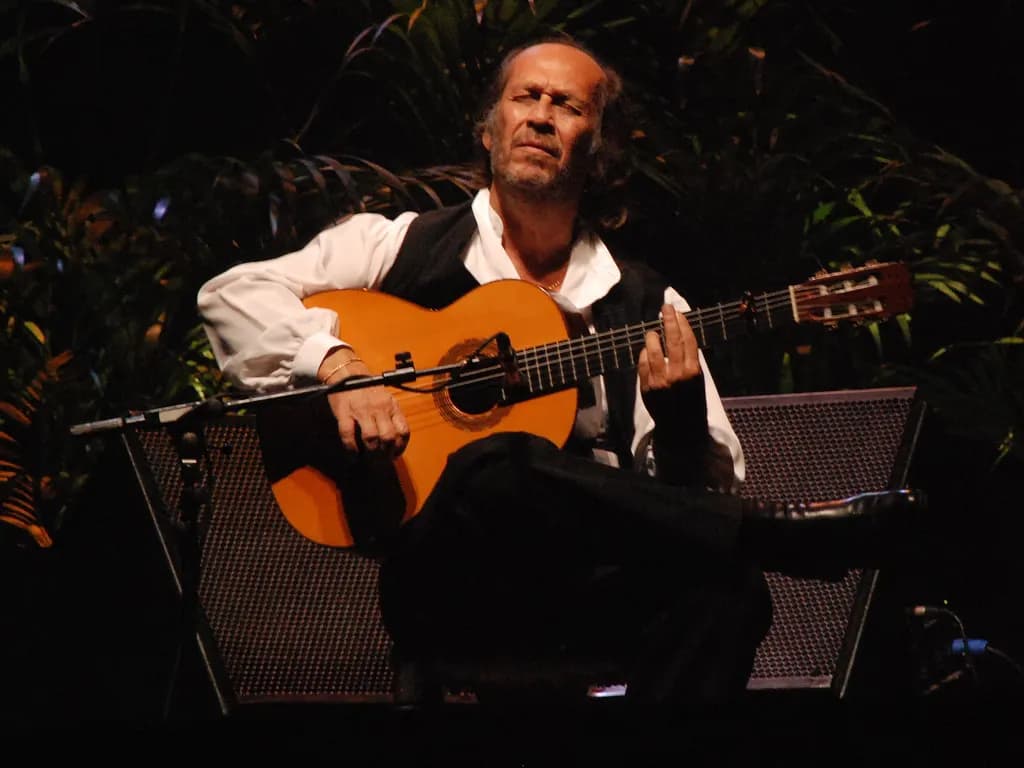
In the second half of the 19th century flamenco moved from private gatherings into the cafés cantantes, where it became a professional stage art; the best known was opened by the singer Silverio Franconetti in Seville in 1881. The early 20th century brought the theatre-based "ópera flamenca" era and the voice of La Niña de los Peines. In 1922 the poet Federico García Lorca and the composer Manuel de Falla organised the Concurso de Cante Jondo in Granada, a competition open only to amateurs, meant to protect the old deep-song styles from professional show business. From the late 1960s the guitarist Paco de Lucía and the singer Camarón de la Isla, who recorded a long series of albums together, pushed the form toward new harmony and instrumentation, and their work led into the nuevo flamenco movement.
Key Characteristics & Sound
You can usually identify flamenco by these traits:
- Compás: a cyclical rhythmic framework, most famously the 12-beat cycle (soleá, bulerías, alegrías) with accents on beats 3, 6, 8, 10 and 12, plus simpler 4-beat forms (tangos, tientos).
- Cante: a raw, melismatic vocal that bends pitch between the notes of the scale, often anguished, with long ornamented cries known as quejío.
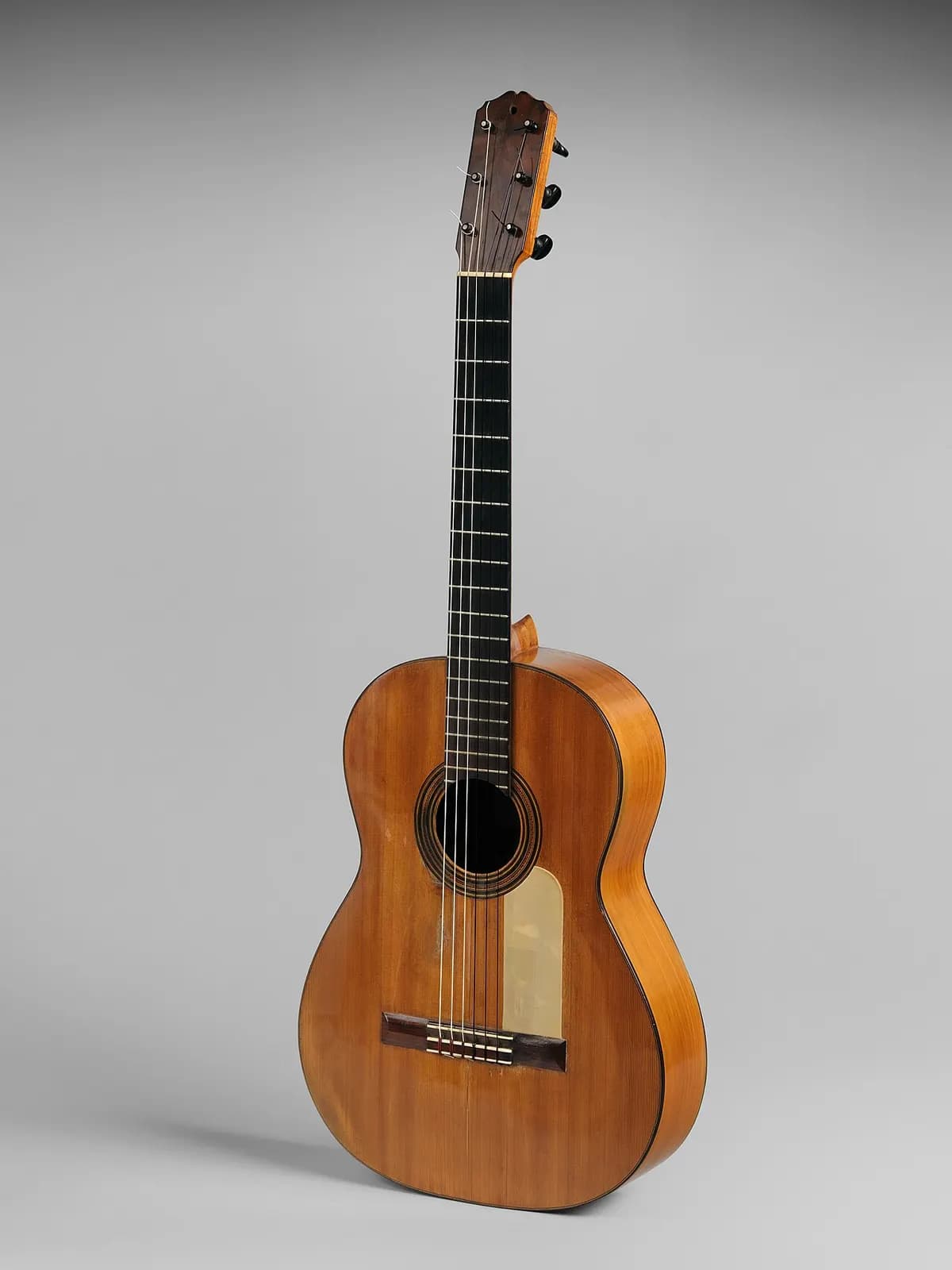
- Toque: nylon-string flamenco guitar using rasgueado (strummed rolls), picado (fast single-note runs) and golpe (percussive taps on the body).
- Harmony: the Phrygian, or "flamenco", mode and its Andalusian cadence (Am–G–F–E), the chord sequence most listeners hear as Spanish.
- Palmas & jaleo: layered handclaps and shouted encouragement that mark the compás and push the performers.
- Mood: intense and improvisatory, ranging from tragic (seguiriya) to festive (bulerías).
Flamenco is counted in compás, not in a fixed DJ-style BPM, but each palo does sit in a recognisable tempo band and mood. Some of the most common:
| Palo | Compás | Approx. tempo | Mood |
|---|---|---|---|
| Seguiriya | 12-beat (deep song) | Slow, rubato | Tragic, anguished |
| Soleá | 12-beat | Slow–moderate | Solemn, profound |
| Alegrías | 12-beat | Moderate–bright | Joyful, from Cádiz |
| Bulerías | 12-beat | Fast (~200+ feel) | Festive, playful |
| Tangos | 4-beat | Moderate | Earthy, groovy |
| Fandango | 3-beat / free | Variable | Lyrical, folk |
| Rumba flamenca | 4-beat | Moderate–upbeat | Party, pop-friendly |
Instruments & Production
Flamenco is largely acoustic and performance-driven, and the performers' bodies count as instruments alongside the guitar:
- Flamenco guitar: lighter and brighter than the classical guitar, with a lower action, a golpeador (tap plate) for percussive golpes, and a fast, cutting attack.
- Voice (cante): the central instrument, valued for raw feeling, the quality called duende, over polish.
- Palmas: hand-clapping in "sordas" (muffled) and "claras" (sharp) tones, often two or three clappers interlocking around the compás.
- Zapateado: the dancer's footwork, a percussion part that trades rhythms with the guitar.
- Cajón: the Peruvian box drum that Paco de Lucía's group brought into flamenco in the late 1970s, now standard in most ensembles.
- Castanets & palillos: used in more folkloric and staged forms; less common in cante jondo.
Purist flamenco recordings stay intimate: close-miked guitar and voice with live palmas in the room. Nuevo flamenco productions add bass, piano, cajón, strings and sometimes electronic textures, while keeping the compás and the Phrygian harmony.
Palos & Offshoots
Flamenco's "subgenres" are its palos (song forms) and a handful of modern fusions:
- Soleá: often called the "mother" of the palos; slow, grave and in the 12-beat compás.
- Seguiriya: the darkest cante jondo form, tragic and rubato.
- Bulerías: fast, festive and improvisatory; the usual finale of a show.
- Alegrías: bright, major-key and joyful, native to Cádiz.
- Tangos & Tientos: earthy 4-beat forms (unrelated to Argentine tango).
- Fandango & Malagueña: lyrical, folk-rooted, often free in tempo.
- Rumba flamenca: the danceable, pop-friendly style behind the Gipsy Kings.
- Nuevo flamenco: fusions with pop, rock and Latin music from the 1980s on.
- Flamenco jazz: Paco de Lucía's work with Chick Corea and John McLaughlin brought flamenco guitar into jazz harmony.
Because palos share the Phrygian mode and overlapping compás, they blur into one another, and into the wider Latin world through the "cantes de ida y vuelta" that travelled to and from the Americas.
Notable Artists & Tracks
Foundational and influential flamenco artists include:
- Camarón de la Isla: the most revered singer of the late 20th century; La leyenda del tiempo (1979) brought rock instruments into cante and split the purists.
- Paco de Lucía: the guitarist who took flamenco worldwide; "Entre dos aguas" (1973).
- Sabicas: the guitarist who established flamenco guitar as a solo concert art.
- La Niña de los Peines: the defining voice of early-20th-century cante.
- Carmen Amaya: the dancer who took flamenco baile to stages in the Americas and Europe.
- Tomatito & Vicente Amigo: leading contemporary guitarists.
- Estrella Morente & Enrique Morente: father and daughter, two generations of cante.
- Gipsy Kings: the French rumba-flamenca group behind "Bamboléo" (1987).
- Rosalía: her album El mal querer (2018) set flamenco palmas and melisma inside pop and R&B production.
Start with "Entre dos aguas", La leyenda del tiempo and "Bamboléo" to hear the range from tradition to global crossover.
Flamenco Fusion & Today
The nuevo flamenco wave mixed the compás with rock, funk and hip-hop: Pata Negra and Ketama in the 1980s, then Barcelona's Ojos de Brujo, whose debut came out in 1999 and who called their style "jipjop flamenkillo". Paco de Lucía's collaborations opened a separate lane of flamenco jazz. In the late 2010s Rosalía brought palmas, melisma and the Phrygian cadence into global chart pop, and purists argued over her in much the same way they had argued over Camarón forty years earlier.
The Bienal de Flamenco in Seville and the Festival de Jerez still programme the traditional forms, while producers fold flamenco guitar and claps into electronic, hip-hop and Latin pop. The fusion debate itself is old: the 1922 Granada contest was organised because Falla and Lorca thought the stage was already eroding cante jondo.
How AI Detects Flamenco
To an audio model, flamenco has a few strong cues: the bright, percussive nylon-string guitar with rasgueado rolls and golpe taps, a melismatic vocal, layered palmas and the Phrygian harmony of the Andalusian cadence. Genre AI's production taxonomy has no flamenco label, so these cues have to be mapped onto broader families. The closest is the coarse Latin label, which has no finer breakdown. A solo guitar falseta may instead be read as Classical (the taxonomy files "classical guitar" under Classical Period), a cante with heavy ornament may sit near Arab / Middle Eastern or Folk, and a jazz-harmony piece may go to Jazz or its Latin Jazz label. The model returns a ranked list of these alternatives, and for flamenco the second and third places are often as informative as the first.
Try it yourself: open the Genre AI music genre detector and compare a soleá with a rumba flamenca; the detector will not name the palo, but the alternatives it lists should shift. To understand how that ranking is produced, read our explainer on how AI music genre detection works.
In Genre AI, flamenco has no label of its own, and the coarse Latin label is the most likely answer for a full ensemble with guitar, palmas and voice. Because Latin has no fine-grained breakdown, the result will not separate a bulerías from a soleá or name rumba flamenca. A close-miked solo guitar may be filed under Classical, a slow cante under Folk or Arab / Middle Eastern, and a Paco de Lucía-style group with jazz chords under Jazz. Rumba flamenca and flamenco-pop, with a steady 4-beat groove and bass, may come back as Latin or Pop. These neighbouring scores often sit close to the top result, so read the whole list.