
Salsa is an Afro-Caribbean dance music built on the Cuban son, the clave rhythm, and a band of percussion, piano, bass and brass. It is fast: dance references put it at roughly 150–250 BPM, with most social dancing between 160 and 220. The name took hold in New York's Latino community in the late 1960s and 1970s, and it covers a family of Cuban and Puerto Rican dance styles as played by the city's bands, not a single rhythm.
This guide covers what salsa is, where it came from, how to recognise it by ear, the instruments and arrangements that define it, its major subgenres, and the artists worth knowing. Curious whether the track you're hearing is salsa or another Latin style? Play a clip into our free AI music genre detector and it will read the clave and instrumentation to tell you.
What Is Salsa Music?
Salsa is a genre of Afro-Cuban and Puerto Rican dance music organised around the clave, a two-bar rhythmic pattern (usually 3-2 or 2-3 son clave) that every other instrument locks to. On top of that framework sit interlocking percussion (congas, timbales, bongó), a syncopated piano montuno, a driving tumbao bassline, and a horn section of trumpets, trombones, and saxophones. Vocals typically move between sung verses and a call-and-response coro-pregón section over the montuno.
Musically, salsa is the Cuban son montuno and related styles (mambo, guaracha, cha-cha-chá) recombined and updated by New York musicians. It is fast and brass-heavy, which separates it from the programmed, mid-tempo beat of reggaeton and the slower guitar sway of bachata. A Latin big band with percussion, piano and horns playing over a clave is the standard salsa line-up.
History & Origins
Salsa's sources are Cuban: the son cubano, which spread from eastern Cuba to Havana in the early 20th century, along with mambo, guaracha and cha-cha-chá, plus Afro-Cuban rumba percussion. These styles reached New York in the 1940s and 50s, where Cuban and Puerto Rican bandleaders such as Machito and Tito Puente played them, with jazz harmony and horn writing, in ballrooms like the Palladium.
"Salsa" became the standard name for the music in the late 1960s and early 1970s, largely through Fania Records, the New York label run by Johnny Pacheco and Jerry Masucci. Fania sold the music to a pan-Latino, largely Nuyorican audience under the salsa name, and its touring house band, the Fania All-Stars, at various times included Willie Colón, Héctor Lavoe, Rubén Blades, Celia Cruz and Ray Barretto. The All-Stars' August 1971 concert at the Cheetah club in Manhattan was filmed as Our Latin Thing (1972), and the film and the label's records carried the sound across Latin America.
In the 1980s the slower, love-song salsa romántica took over Latin radio, while purists stuck with the harder salsa dura. Cali in Colombia, Venezuela (Oscar D'León) and Puerto Rico (El Gran Combo) built large scenes of their own, and salsa is still taught and danced in clubs around the world.
Key Characteristics & Sound
You can usually identify salsa by these traits:
- Clave: the 3-2 or 2-3 son clave pattern that governs the whole arrangement.
- Tempo: fast, roughly 150–250 BPM, with most dance tracks between 160 and 220; dancers step on an eight-count across two bars.
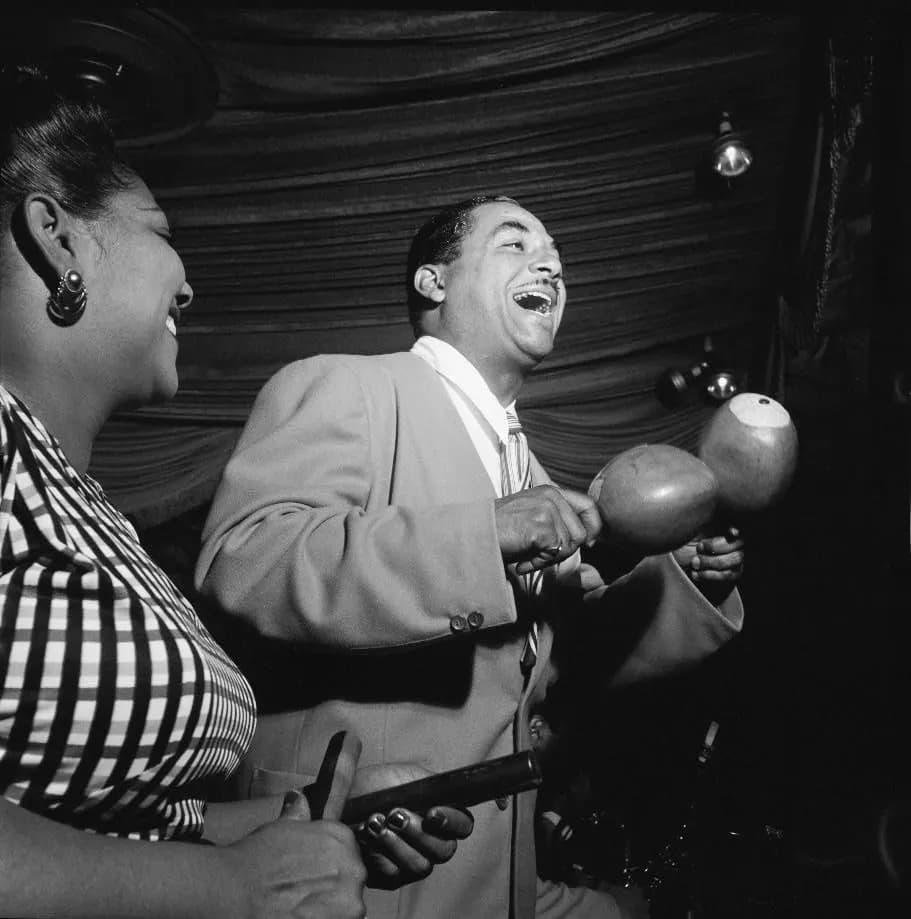
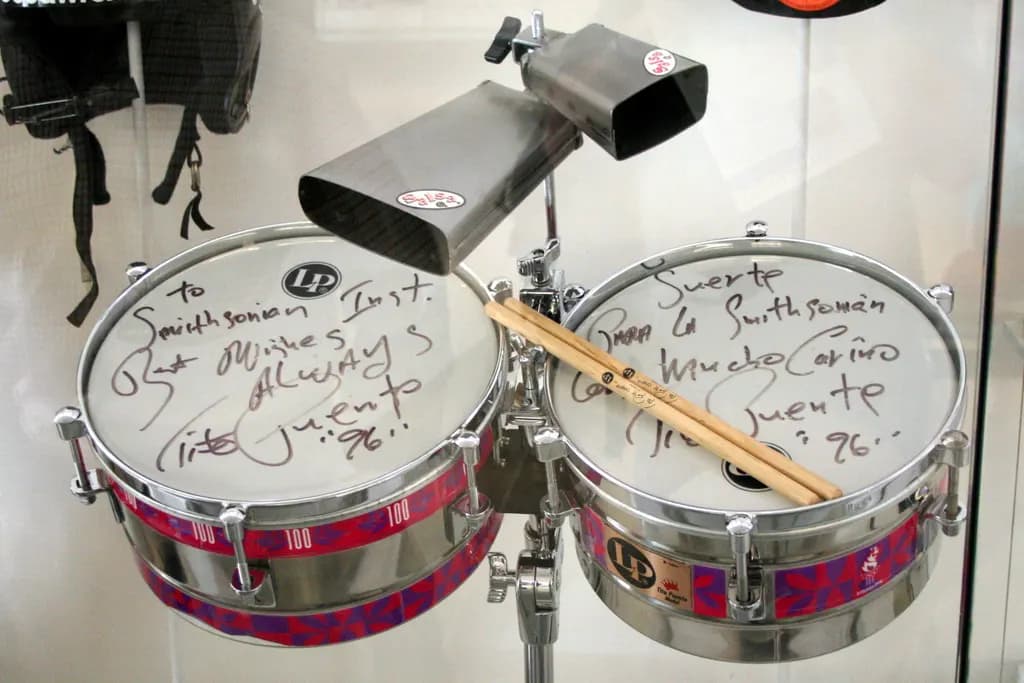
- Percussion: interlocking congas, timbales, bongó, güiro, maracas, and cowbell.
- Piano montuno: a syncopated, repeating chordal riff.
- Bass tumbao: a syncopated bassline that anticipates the downbeat.
- Horns: punchy trumpet, trombone, and saxophone lines.
- Vocals: sung verses that open into call-and-response coro-pregón over the montuno.
A fast pulse, layered hand percussion, a repeating piano riff, horn hits and call-and-response singing in Spanish together point to salsa. Tempo and intensity vary by style:
| Style | Typical BPM | Feel |
|---|---|---|
| Salsa Romántica | 160–190 | Smooth, sung, ballad-leaning |
| Salsa Dura (hard salsa) | 190–240 | Aggressive, brass-heavy, percussive |
| Son Montuno / Classic | 150–190 | Rootsy, swinging, Cuban |
| Salsa Colombiana (Cali) | 210–250 | Very fast, dance-focused |
| Timba (Cuban) | 190–240 | Dense, funky, aggressive |
Instruments & Production
Salsa is a live-band genre, played by musicians locked to the clave. A typical ensemble includes:
- Percussion section: congas (tumbadoras), timbales, and bongó, plus handheld güiro, maracas, and cowbell (campana).
- Piano: playing the montuno, the syncopated chordal engine of the groove.
- Bass: an upright or electric bass playing the anticipated tumbao pattern.
- Horns: trumpets, trombones, and saxophones delivering punchy riffs and mambo-section climaxes.
- Vocals: a lead singer (sonero) improvising against a coro (chorus).
Arrangement is central: salsa tracks build from a sung head into an open montuno/mambo section where percussion, piano, horns, and the sonero trade energy. Everything must sit correctly against the clave; playing "off clave" is the worst mistake a player can make. Salsa records are played by a band in the room, with no programmed loops, which is the clearest difference from electronic Latin genres.
Subgenres & Related Styles
Salsa spans several distinct styles and close relatives:
- Salsa Dura: "hard" salsa, brass-heavy and percussion-forward; the classic Fania sound.
- Salsa Romántica: smoother salsa built around love songs, dominant on 1980s radio.
- Son Montuno: the Cuban form whose song-then-montuno structure salsa kept.
- Timba: a dense, funk-influenced Cuban style of the 1990s with complex breaks and jazz harmony (NG La Banda, Los Van Van).
- Salsa Colombiana: the very fast, dance-led Cali sound of Colombia.
- Latin Jazz and Boogaloo: instrumental and English-language offshoots from New York.
Salsa sits within the wider Latin tradition, shares improvisational and horn-section language with jazz, and its syncopated grooves overlap with the rhythmic drive of funk.
Notable Artists & Tracks
Artists to know:
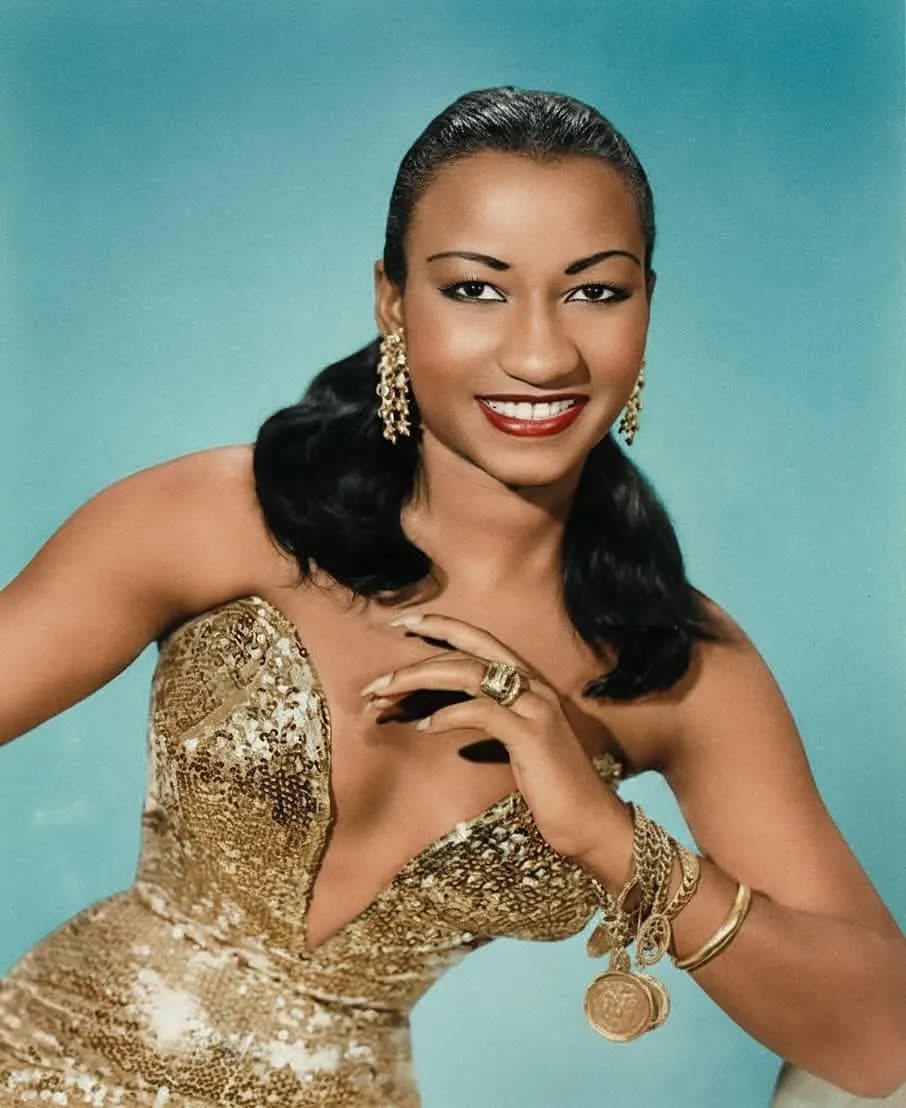
- Celia Cruz: "Quimbara" (1974), "La Vida Es un Carnaval" (1998); known as the "Queen of Salsa."
- Héctor Lavoe: "El Cantante" (1978, written by Rubén Blades), "Periódico de Ayer"; Fania's best-known sonero.
- Willie Colón: "Che Che Colé"; trombonist and bandleader, partnered first with Lavoe and later with Blades.
- Rubén Blades: "Pedro Navaja," "Plástico," both from Siembra (1978) with Willie Colón; a songwriter known for story songs and social commentary.
- Tito Puente: "Oye Como Va" (a cha-cha-chá later covered by Santana); known as "El Rey del Timbal."
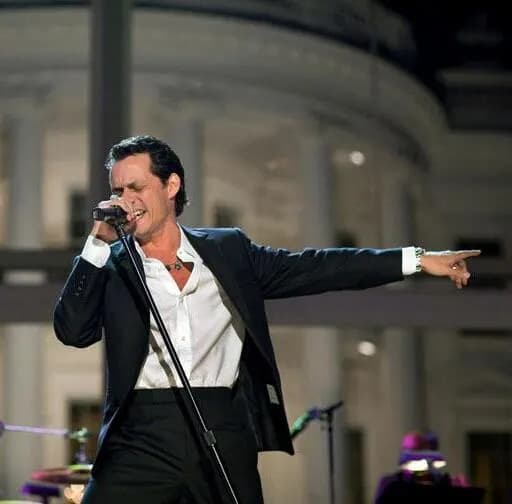
- Marc Anthony: "Valió la Pena," "Vivir Mi Vida"; the latter won Record of the Year at the 2013 Latin Grammys.
- Eddie Palmieri & Ray Barretto: pianist and conguero, both leading New York bandleaders from the 1960s on.
Start with "Quimbara," "El Cantante" and "Pedro Navaja" to hear the 1970s Fania sound and its story songs.
How AI Detects Salsa Music
An AI model homes in on salsa through its ensemble signature: the clave pattern underpinning everything, dense interlocking live percussion (congas, timbales, bongó), a syncopated piano montuno, an anticipated bass tumbao, and bright horn stabs at a fast pulse. Because salsa shares instruments and improvisation with Latin jazz and other Latin styles, the model weighs those overlapping features and returns a ranked list of possibilities.
To try it, open the Genre AI music genre detector, give it a few seconds of audio, and it will tell a hard salsa dura cut apart from a smoother salsa romántica ballad. For the theory underneath that call, read our breakdown of how AI music genre detection works.
From the tracks we have fed to Genre AI, the surest Salsa readings come from a clave-locked groove with layered congas and timbales, a syncopated piano montuno, and bright horn hits at a fast pulse (often 160–220 BPM). Thin out the percussion and foreground improvised horns and the model leans toward Jazz; swap the live band for programmed dembow and it moves toward Reggaeton; either way the wider Latin score rides close behind so you can see how tight the call was.