Bolero, in the sense used across Latin America, is the slow romantic song form that grew up in Santiago de Cuba in the late nineteenth century and became, over the next half-century, the shared love-song language of the Spanish-speaking world: a sung melody over a gently syncopated rhythm, guitars or a small band, and lyrics about desire, distance and loss. It is not Maurice Ravel's orchestral Boléro of 1928, and it is not the Spanish bolero dance of the late eighteenth century. Those two are in 3/4 and share only the name.
This guide covers where the Cuban bolero came from, how it travelled to Mexico, Puerto Rico and beyond, what its rhythm and instrumentation sound like, the branches from bolero-son to the trío romántico, and the songwriters and singers to know. To hear how a classifier treats a bolero recording, try a few seconds in our free AI music genre detector.
What Is Bolero?
Bolero is first of all a song: a vocal melody of long, singable phrases over a soft, regular, lightly syncopated accompaniment, almost always at a slow or moderate tempo. Its subject is romantic love: courtship, devotion, jealousy, betrayal and, more than anything, absence. The lyric tradition is literary, with elaborate imagery and direct address to the beloved, and much of the repertoire comes from professional songwriters whose names are as well known as the singers'.
Because it travelled so widely, bolero is also a style of performance. A Cuban trova singer with guitar, a Mexican trio with three voices and a requinto, a crooner fronting a dance orchestra, and a singer backed by a mariachi can all be playing bolero. What links them is the slow, gently syncopated rhythm underneath and an intimate way of singing.
The name causes constant confusion. The Spanish bolero is an eighteenth-century dance in 3/4 with castanets, and Ravel's Boléro is an orchestral piece built on a repeated snare-drum figure derived from that dance. The Cuban bolero shares the name but is in duple metre and has a different history. This page is about the Cuban and Latin American song form.
History & Origins
The bolero emerged from the trova tradition of Santiago de Cuba, the island's eastern city, where itinerant singer-guitarists, the trovadores, performed at gatherings and serenades. The first bolero is usually identified as "Tristezas" by José "Pepe" Sánchez, dated to 1883. Sánchez had no formal training and composed in his head without writing anything down; about two dozen of his songs survive because friends and pupils transcribed them.
The next generation of trovadores, who took Sánchez as their model, carried the bolero to Havana in the early twentieth century: Sindo Garay and Alberto Villalón from Santiago, and Manuel Corona from Caibarién. Garay settled in the capital in 1906. In the 1920s and 1930s it merged with the son, the dance music of the eastern countryside, producing the bolero-son; Miguel Matamoros and his Trío Matamoros, made that hybrid famous with "Lágrimas negras", composed around 1929.
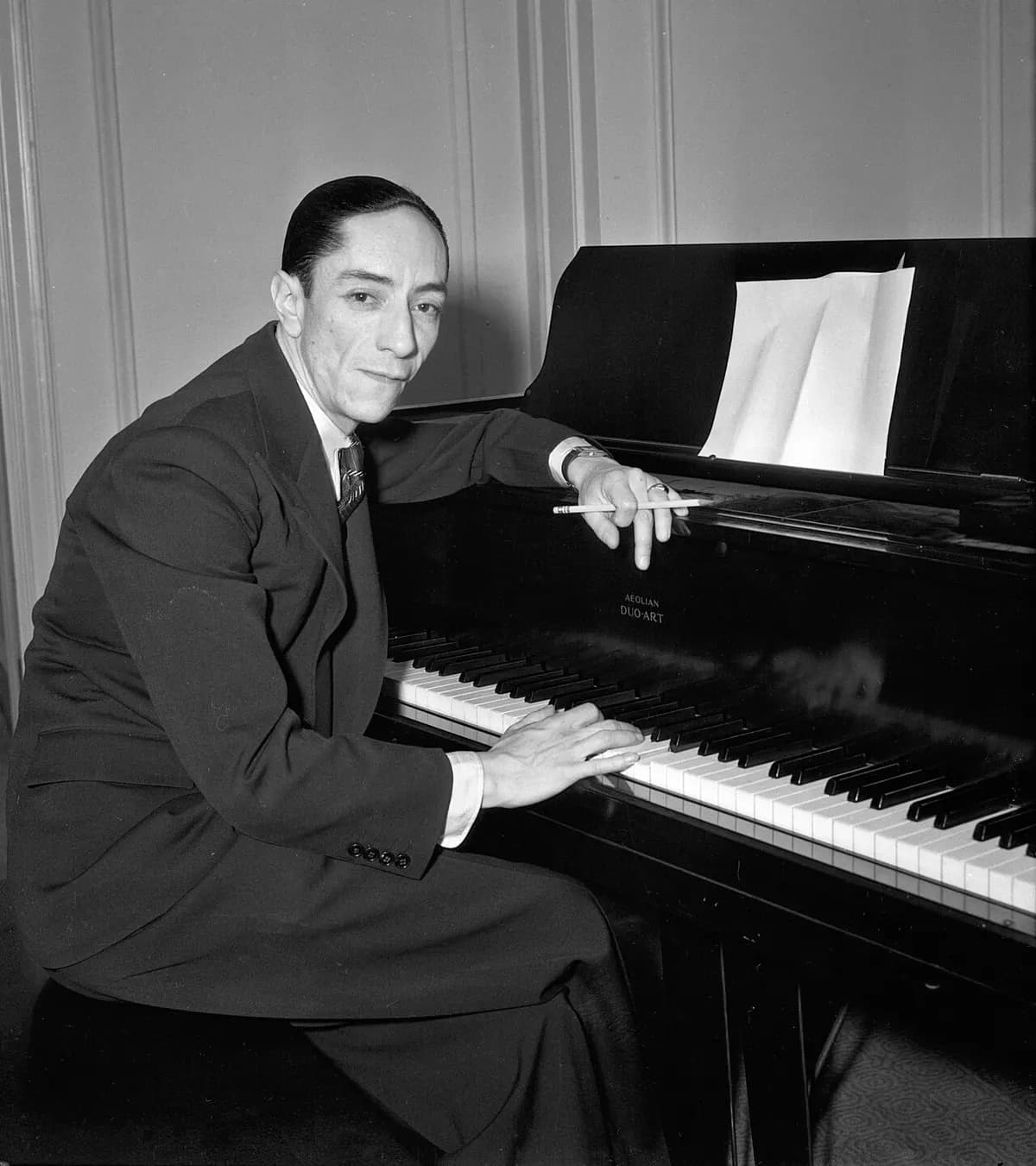
The biggest expansion happened in Mexico. Yucatán had its own bolero tradition, and its leading singer, Guty Cárdenas, took it to Mexico City in the late 1920s. Agustín Lara then turned the bolero into a cosmopolitan urban song: from 1930 he had his own programme on the new radio station XEW, and his boleros became a staple of film soundtracks in the golden age of Mexican cinema. Lara's "Solamente una vez," "Noche de ronda" and "María bonita" became standards. María Grever and Consuelo Velázquez added to the repertoire; Velázquez's "Bésame mucho", written in 1940, was recognised in 1999 as the most recorded song in the Spanish language.
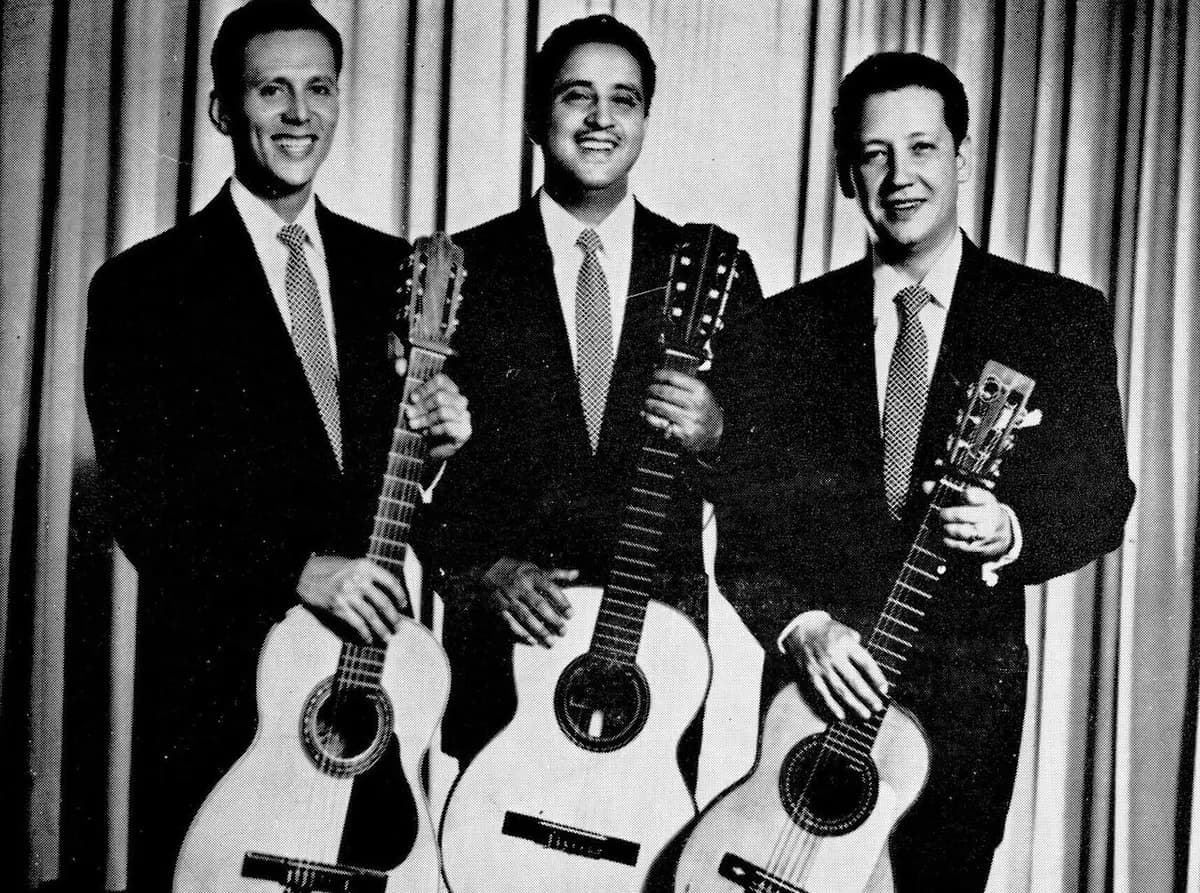
In 1944 two Mexicans, Alfredo Gil and Chucho Navarro, and the Puerto Rican singer Hernando Avilés formed Trío Los Panchos in New York. Gil developed the requinto, a small high-tuned guitar, to play introductions and fills, and the trio's close three-part harmony with requinto became the model for the trío romántico, imitated across Latin America through the 1950s and 1960s.
Puerto Rico produced major bolero composers, among them Pedro Flores and Rafael Hernández. Back in Cuba, the filin ("feeling") movement of the 1940s and 1950s brought jazz harmony into the bolero; César Portillo de la Luz's "Contigo en la distancia" and the songs of José Antonio Méndez are its landmarks. The bolero was also the direct ancestor of Dominican bachata.
From the 1960s rock and then pop took over the youth market, though older audiences kept buying boleros. Mexican songwriter Armando Manzanero kept writing new boleros, and in 1991 Luis Miguel's album Romance, a collection of classic boleros, brought the form back to a young audience and led to several follow-up volumes.
Rhythm, Tempo & Sound
What identifies a bolero:
- Metre: originally 2/4, today usually written in 4/4.
- Tempo: slow to moderate; most boleros fall roughly between 60 and 100 BPM, with dance-band versions at the faster end.
- Rhythm: a soft, steady pattern on bongó and maracas or guitar, with a light syncopation inherited from Cuban rhythms. It sways; nothing in it pushes hard on the beat.
- Harmony: more involved than most folk song, with secondary dominants, modulations between minor and major, and, from the filin era onward, jazz extensions.
- Melody and form: long legato phrases, typically in two contrasting sections, the second often moving to the parallel major or minor.
- Vocals: intimate and expressive; trios sing in close parallel harmony.
- Instrumentation: guitars and requinto in the trio tradition; piano, strings and small orchestra in the crooner tradition; bongó, maracas and bass underneath.
The quickest way to avoid the Ravel confusion is to compare the three "boleros" directly:
| Trait | Cuban / Latin American bolero | Spanish bolero | Ravel's Boléro |
|---|---|---|---|
| What it is | Romantic song form | Couple dance | Orchestral concert piece |
| Origin | Santiago de Cuba, 1880s | Spain, late 18th century | France, 1928 |
| Metre | 2/4 or 4/4 | 3/4 | 3/4 |
| Tempo | Slow to moderate | Moderate | Slow, steady throughout |
| Sound | Voice with guitars, bongó, maracas | Guitar, castanets, voice | Repeated snare ostinato, one long crescendo |
| Example | Tristezas; Bésame mucho | Danced in Spanish escuela bolera | Boléro, composed for Ida Rubinstein |
Styles & Branches
The main forms of bolero:
- Trova bolero: the original Santiago style, one or two voices with guitar.
- Bolero-son: the 1920s–30s fusion with Cuban son, with a slow bolero opening and a livelier son section; Trío Matamoros is the classic example.
- Trío romántico: three voices, two guitars and a requinto, after Trío Los Panchos.
- Orchestral or crooner bolero: the Mexican radio and cinema style of Agustín Lara and the big-band boleros of singers such as Benny Moré.
- Filin: the Cuban "feeling" style of the 1940s–50s, with jazz harmony and a conversational delivery.
- Bolero ranchero: bolero performed with mariachi, associated with Javier Solís.
Its descendants and neighbours include bachata, which began as a guitar bolero in the Dominican Republic; salsa, whose singers regularly record bolero tempos; and bossa nova, which shares its intimacy and harmonic sophistication but comes from Brazilian samba.
Key Songwriters, Singers & Songs
A path through the tradition:
- José "Pepe" Sánchez: "Tristezas," conventionally the first bolero.
- Sindo Garay: central figure of the Cuban trova.
- Miguel Matamoros: "Lágrimas negras," the bolero-son.
- Agustín Lara: "Solamente una vez," "Noche de ronda," "María bonita."
- María Grever: "Júrame."
- Consuelo Velázquez: "Bésame mucho."
- Trío Los Panchos: "Sin ti"; the trío romántico model.
- Pedro Flores: Puerto Rican composer of "Obsesión" and "Perdón."
- César Portillo de la Luz: "Contigo en la distancia," the filin standard.
- Olga Guillot: Cuban singer known as the queen of bolero.
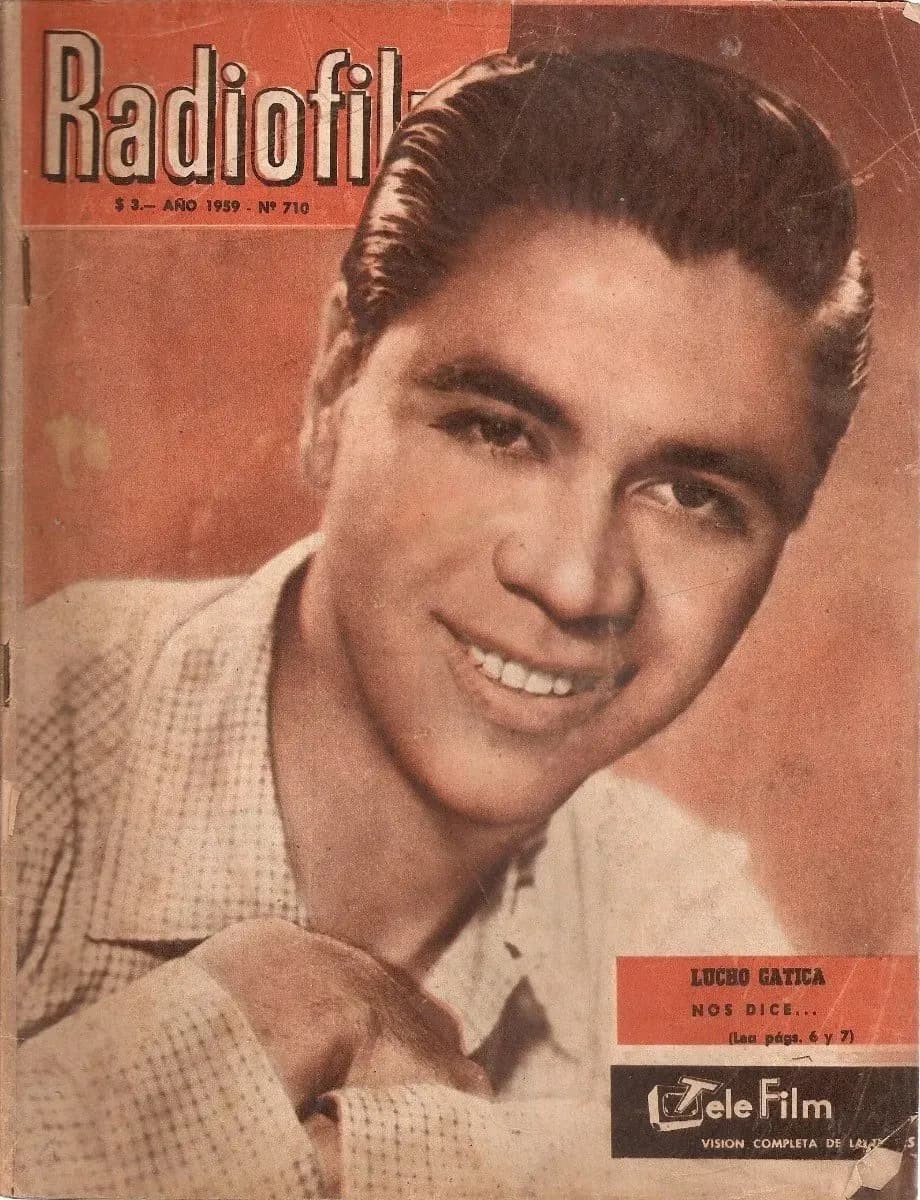
- Lucho Gatica: Chilean crooner who carried the bolero across the continent in the 1950s.
- Armando Manzanero: "Somos novios," "Esta tarde vi llover."
- Luis Miguel: Romance (1991), the modern revival.
Start with "Lágrimas negras," "Bésame mucho" and a Los Panchos recording to hear the Cuban root, the international standard and the trio sound.
Bolero vs Bachata, Salsa & Ballad
Bolero is often blurred with the romantic Latin styles that came after it:
- Bolero vs bachata: bachata began as Dominican guitar bolero, but developed a faster tempo, the güira scraper, and a constant arpeggiating lead guitar. Bolero is slower, softer and harmonically richer.
- Bolero vs salsa: salsa is fast dance music organised around clave with horns and piano montuno; bolero is a slow listening and slow-dance form. Salsa orchestras do play boleros, and some salsa songs open with a bolero section before the tempo jumps.
- Bolero vs Latin pop ballad: the balada of the 1970s onward replaced bolero's guitars and percussion with piano, strings and pop production; the emotional subject is the same, the rhythm section is not.
How AI Detects Bolero
To an audio model a bolero is a slow tempo, an expressive solo or harmonised voice, acoustic guitars or soft orchestral backing, and light hand percussion: bongó and maracas, usually no drum kit. Slow jazz standards, torch songs and soft pop ballads share most of that profile, and a bolero's syncopation is too gentle to dominate the signal the way a dance rhythm does.
Genre AI's production taxonomy has no bolero label. The nearest category by name is the coarse Latin, but it has no fine labels, and the classifier prefers a coarse category that has them whenever one is among its top five; Latin will therefore rarely be the final answer. A string-backed crooner bolero is more likely to come back under Jazz, with Easy Listening as the fine label, and a guitar trio may land in Folk / Country as Folk. The Classical category is another possibility for orchestral recordings, because one of the text prompts of its Romantic Period label is "romantic ballad". Try your own recording in the Genre AI music genre detector, or read what genre is this song? for how to narrow it down by ear.
Genre AI has no Bolero label. The coarse Latin category is the closest by name, but it has no fine labels and the classifier favours categories that do, so it rarely comes up at all. The more a recording leans on strings, piano and a crooning voice, the more likely it is to come back as Jazz with the Easy Listening label, which suits the filin era and its borrowed jazz harmony; guitar trios may read as Folk. The model hears audio and never sees the title, so a piece called "Boléro" in Ravel's sense is a separate case: an orchestral snare ostinato should land in Classical.