
Reggaeton is a Latin urban dance genre built on the dembow riddim, a syncopated "boom-ch-boom-chick" drum pattern at roughly 90–100 BPM. It took shape in Puerto Rico in the 1990s out of Jamaican dancehall, Panamanian reggae en español and hip-hop, and moved from underground cassettes to the top of global streaming charts: Bad Bunny was Spotify's most-streamed artist worldwide in 2020, 2021, 2022 and 2025.
This guide covers where reggaeton came from, how to recognise its beat by ear, how it is produced, its main subgenres and the artists worth knowing. Not sure whether the track you're hearing is reggaeton or straight Latin pop? Play a clip into our free AI music genre detector and it will check for the dembow pattern.
What Is Reggaeton?
Reggaeton is a genre of Latin urban music defined by the dembow riddim: a repetitive, syncopated percussion loop where the kick lands on the downbeat and the snare hits in a distinctive "boom-ch-boom-chick" pattern. Over that groove sit Spanish-language vocals that slide between rapping and singing, short melodic hooks and heavy sub-bass. The tempo stays in a narrow band around 90–100 BPM, which gives reggaeton its mid-tempo, hip-swaying feel.
Reggae is laid-back and accents the offbeat, and salsa is fast and horn-driven; reggaeton is bass-heavy, digital and made for clubs. It shares the swagger and vocal delivery of hip-hop but keeps the Caribbean dembow bounce at its core. When people talk about "Latin urban," "música urbana," or "perreo," reggaeton is almost always the sound they mean.
History & Origins
Reggaeton's roots trace to two places. In Panama during the late 1980s, artists like El General recorded "reggae en español," Spanish-language versions of Jamaican dancehall. Meanwhile in Puerto Rico, DJs and producers folded that sound together with hip-hop and dancehall on underground cassette tapes, giving rise to the "underground" scene of the early-to-mid 1990s in San Juan's housing projects.
The rhythmic foundation is the dembow riddim. Jamaican producers Steely & Clevie built it in 1989, Shabba Ranks voiced it on his 1990 single "Dem Bow," which gave the beat its name, and in 1991 Panamanians Nando Boom and El General cut Spanish versions of the song. Puerto Rican DJs such as DJ Playero and DJ Nelson looped and reworked the beat across their mixtapes; Daddy Yankee appeared on Playero's tapes in the early 1990s, and Ivy Queen came up through the same scene with The Noise. Reggaeton broke into the mainstream in 2004 when Daddy Yankee's "Gasolina," from the album Barrio Fino, became an international hit.
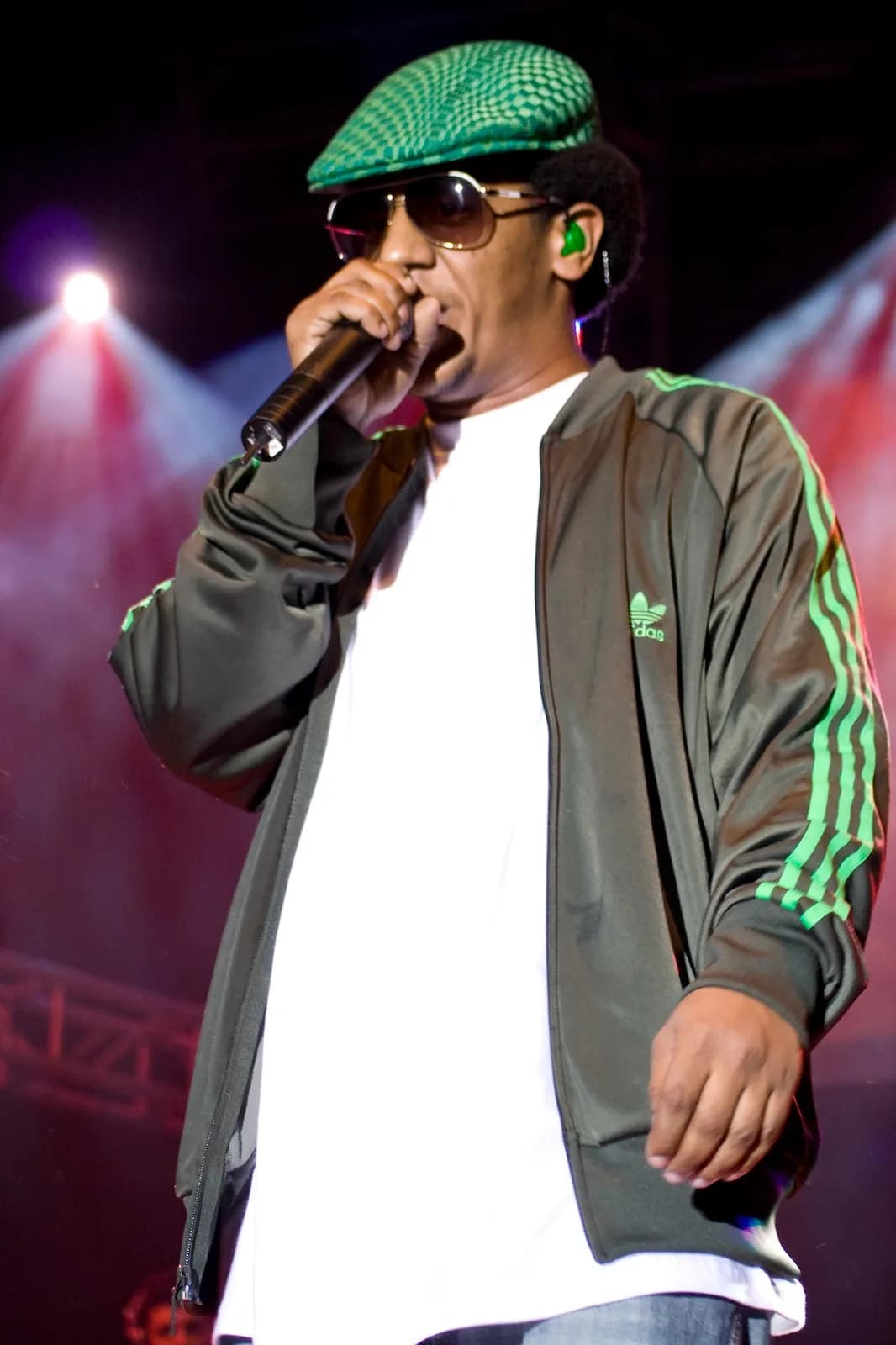
A second, bigger wave came in the late 2010s. Luis Fonsi and Daddy Yankee's "Despacito" (2017) topped the US Billboard Hot 100 for 16 weeks, and J Balvin, Bad Bunny and Karol G took reggaeton to the top of global streaming charts.

Key Characteristics & Sound
You can usually identify reggaeton by these traits:
- Tempo: tightly clustered around 90–100 BPM, giving that mid-tempo sway.
- Rhythm: the dembow riddim, a steady kick with a syncopated snare in a "boom-ch-boom-chick" pattern.
- Bass: deep, digital sub-bass that drives the low-end.
- Vocals: Spanish-language, alternating between melodic singing and rap-style delivery.
- Hooks: repetitive choruses written for dancing (perreo).
- Production: heavily electronic and sample-based, with synth stabs and vocal chops.
A mid-tempo Caribbean bounce, the dembow snare, deep bass and Spanish vocals moving between rap and song together almost always mean reggaeton. The tempo barely moves across subgenres, which is one reason the sound is easy to spot:
| Style | Typical BPM | Feel |
|---|---|---|
| Classic / Old-School Reggaeton | 90–96 | Raw, dembow-forward, gritty |
| Mainstream / Pop Reggaeton | 88–96 | Polished, melodic, radio-ready |
| Romantic / Sensual | 90–95 | Smooth, sung, slower-feeling |
| Trap-influenced (Latin trap) | 70–90 | Slower, 808-heavy, hip-hop feel |
| Perreo / Club | 95–100 | Bass-heavy, danceable, hard |
Instruments & Production
Reggaeton is a producer's genre, built almost entirely in software. The core toolkit includes:
- Drum machines & samplers: the dembow snare and kick are usually programmed or sampled from classic dancehall patterns.
- Sub-bass synths: deep, rounded bass that anchors the beat and shakes club systems.
- Synth stabs & leads: bright, catchy melodic riffs that carry the hook.
- Vocal chops & effects: pitched vocal samples, ad-libs, and reverb-drenched hooks.
- DAWs: the whole arrangement, from the dembow loop to the drop, is usually built in software such as FL Studio or Logic.
Production leans on the tension between a rigid, looping dembow groove and constantly shifting melodic and vocal layers. Modern reggaeton borrows freely from trap (808 slides, hi-hat rolls) and pop (big sung choruses), but strip a track back and the dembow riddim is almost always still there holding it together.
Subgenres & Related Styles
Reggaeton has branched into several distinct styles and close cousins:
- Old-School Reggaeton: the raw, dembow-forward 1990s–2000s sound of the underground mixtapes.
- Reggaeton Pop: polished, melodic, radio-friendly reggaeton that dominated the 2010s.
- Latin Trap: a slower, 808-heavy hip-hop hybrid. Arcángel, De La Ghetto and others were making it by 2007, and Bad Bunny and Anuel AA made it a mass genre from 2016.
- Perreo / Perreo Intenso: harder, bass-heavy club reggaeton built purely for dancing.
- Neoperreo: a lo-fi, internet-born revival of raw perreo, associated with Chilean artist Tomasa del Real.
- Romantic / Sensual Reggaeton: smoother, sung, love-song-focused variants.
Reggaeton sits at a crossroads of Caribbean and urban music: it borders Latin pop, shares Jamaican roots with reggae, and trades vocal techniques with hip-hop and Latin trap.
Notable Artists & Tracks
Foundational and chart-topping reggaeton acts include:
- Daddy Yankee: "Gasolina" (2004), "Con Calma" (2019).
- Ivy Queen: "Quiero Bailar" (2003); known as the "Queen of Reggaeton" and one of the first women to break through in the genre.
- Don Omar: "Dile" (2003), "Danza Kuduro" (2010).
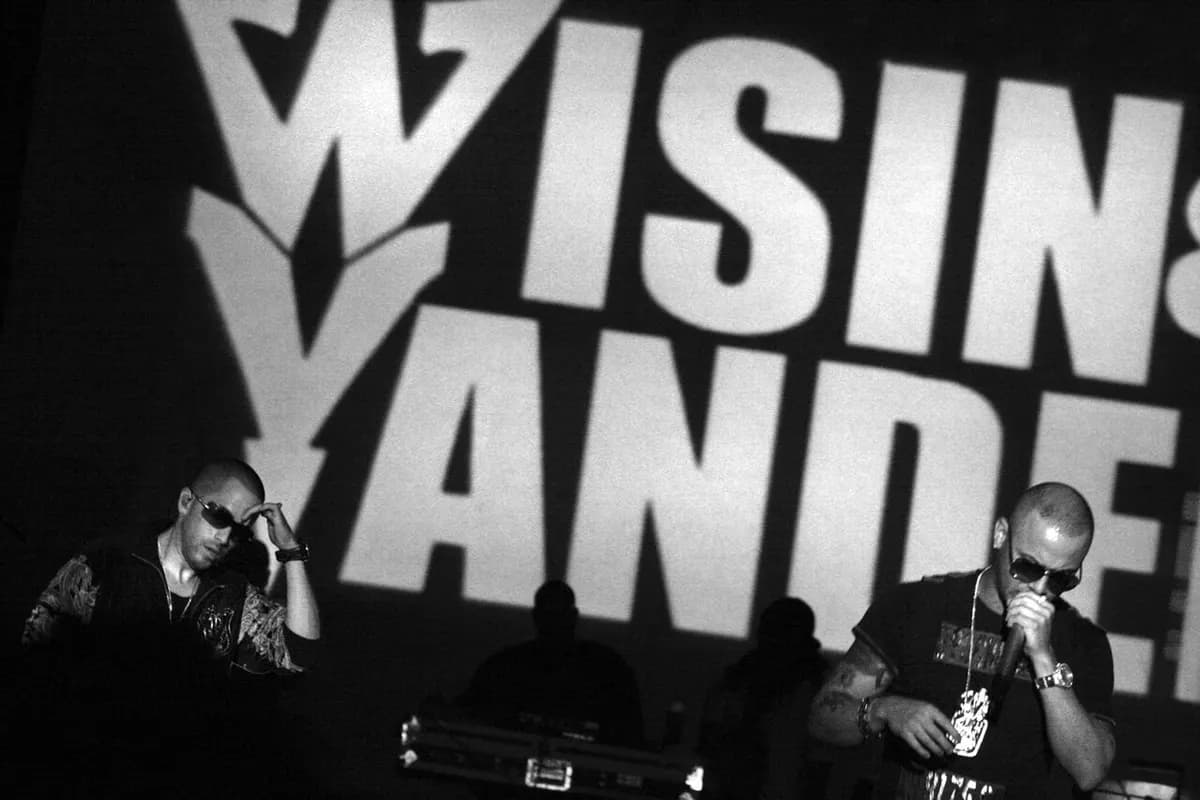
- Wisin & Yandel: "Rakata" (2005).
- J Balvin: "Ginza" (2015), "Mi Gente" (2017).
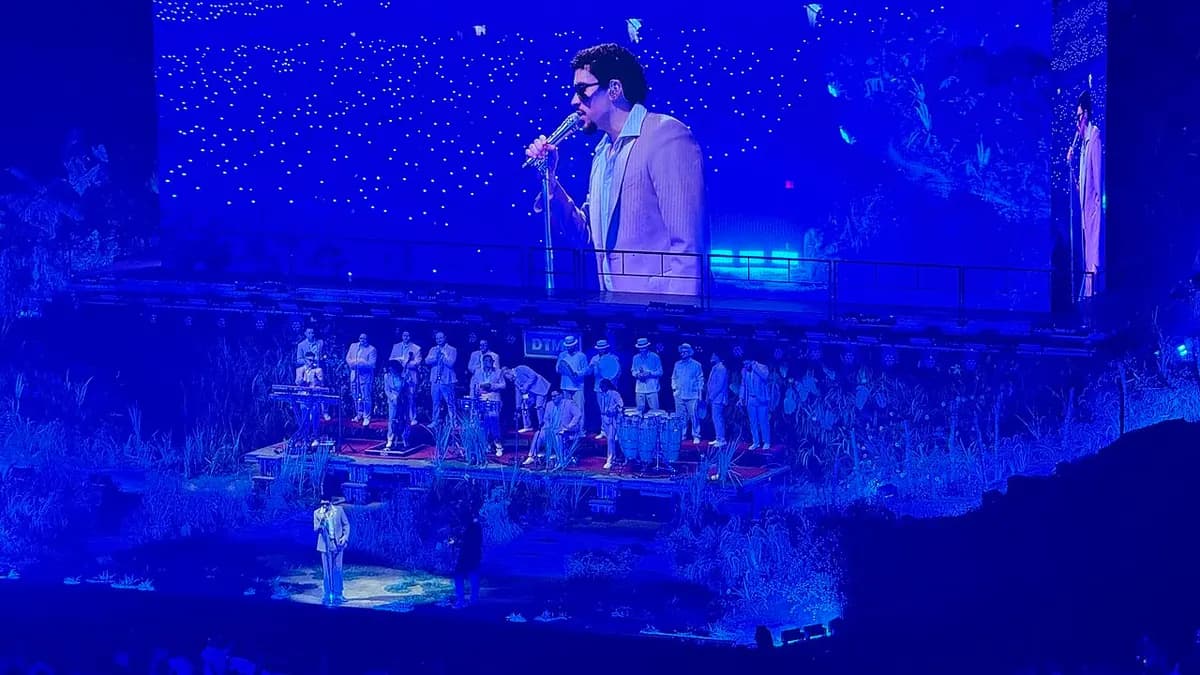
- Bad Bunny: "Yo Perreo Sola" (2020), "Tití Me Preguntó" (2022).
- Karol G: "Tusa" (2019, with Nicki Minaj), "Bichota" (2020).
Start with "Gasolina," "Mi Gente," and "Tití Me Preguntó" to hear how the genre moved from the underground into global pop.
How AI Detects Reggaeton
An AI model homes in on reggaeton through its rhythmic fingerprint: the dembow snare pattern, a tempo locked around 90–100 BPM, deep digital sub-bass, and Spanish-language vocals that switch between rapping and singing. Because reggaeton overlaps with Latin trap (slower, 808-driven), dancehall, and Latin pop, the model scores that combination against many neighbouring fingerprints and returns weighted possibilities, not a single verdict.
See for yourself: launch the Genre AI music genre detector, give it a few seconds of audio, and it will tell a classic perreo cut from a slower Latin-trap record. For the theory underneath that call, read our breakdown of how AI music genre detection works.
When we push clips through Genre AI, the surest Reggaeton readings come from a dembow snare pattern locked in the 90–100 BPM band over heavy sub-bass and Spanish vocals. Slow the tempo toward 70–90 BPM and lean on 808 slides and the model drifts toward Latin trap and Hip-Hop; strip the dembow and add horns and it edges toward Salsa or wider Latin. Those near-neighbour scores ride alongside the top result so you can see how close the call was.