TL;DR. All EDM is electronic music, but not all electronic music is EDM. "Electronic" is the huge umbrella family for any music made mainly with synths, drum machines and computers, from ambient to techno. "EDM" is the narrower, commercial, festival-facing slice built for peak-time dancing, with big drops, high energy and radio-friendly structure. One is a whole ecosystem; the other is a marketing-era subset of it.
EDM vs electronic music: the short version
People throw "EDM" and "electronic music" around as if they were interchangeable, and that is where the confusion starts. Electronic music is the broad category: any track whose sound is generated or heavily shaped by electronic instruments, synthesizers, samplers, drum machines and DAWs. That covers everything from quiet ambient soundscapes to abrasive industrial to hypnotic Detroit techno.
EDM, short for electronic dance music, is a much smaller, more specific thing. In practice it refers to the wave of big-room, festival-driven dance music that broke into the mainstream around 2010 to 2015, plus the commercial pop-crossover sound it spawned. So the honest one-line answer to "EDM vs electronic music" is this: EDM is a genre and a marketing bracket that lives inside the electronic-music family, not a synonym for it.
What "electronic music" actually means
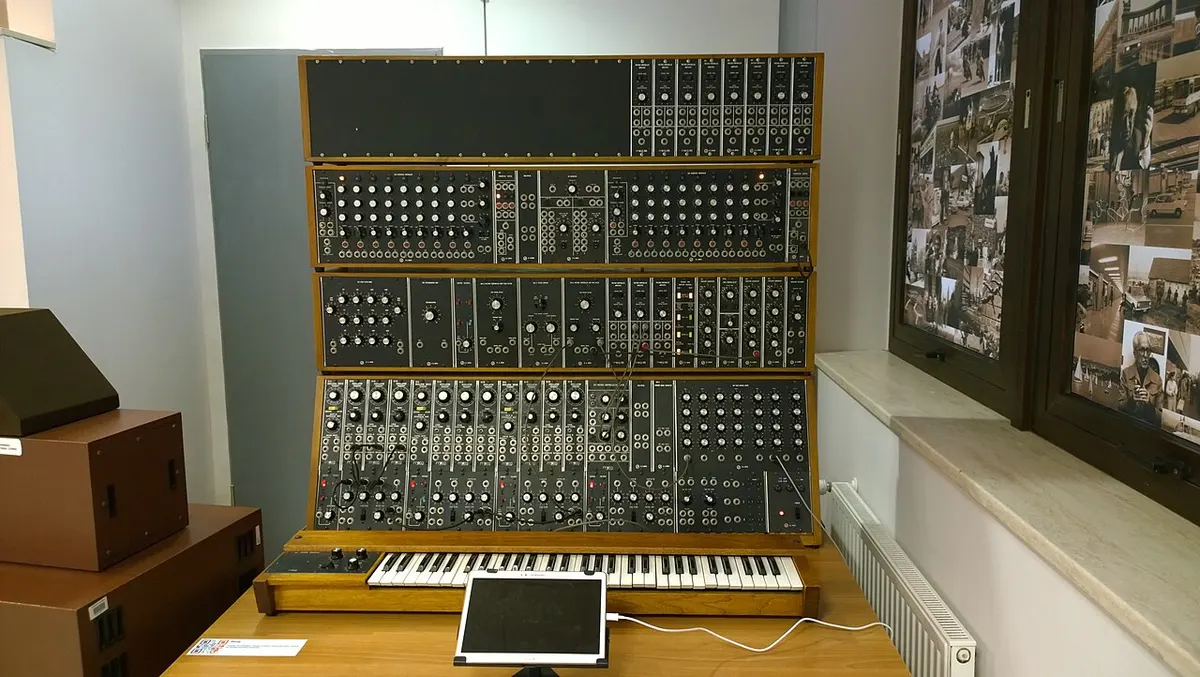
Electronic music is defined by how it is made, not by how it is meant to be used. If the core of the sound comes from electronic circuitry or software rather than acoustic instruments, it qualifies. The roots run deep: musique concrète experiments in the 1940s and 1950s, the Moog synthesizer in the 1960s, Kraftwerk's blueprint albums in the 1970s, and the Roland TR-808 and TB-303 that shaped the 1980s.
Because the definition is so wide, the family tree is enormous. It includes dancefloor genres like house, techno and trance, but also non-dance styles like ambient, IDM, downtempo and synthwave. Tempos range from near-silent, beatless ambient pieces to 160-plus BPM drum and bass. Purpose ranges from headphone listening to art installations to warehouse raves. "Electronic" tells you the tools; it tells you almost nothing about the mood.
What "EDM" actually means
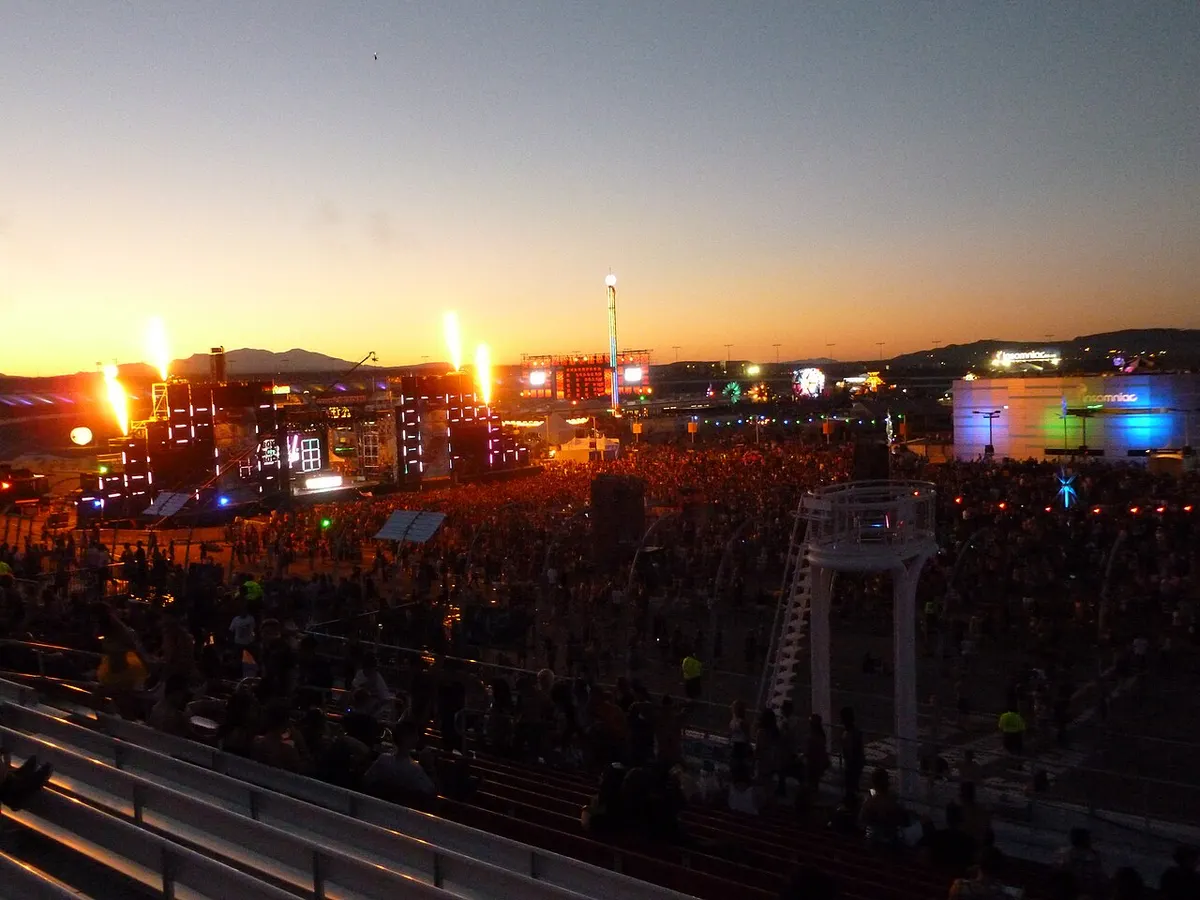
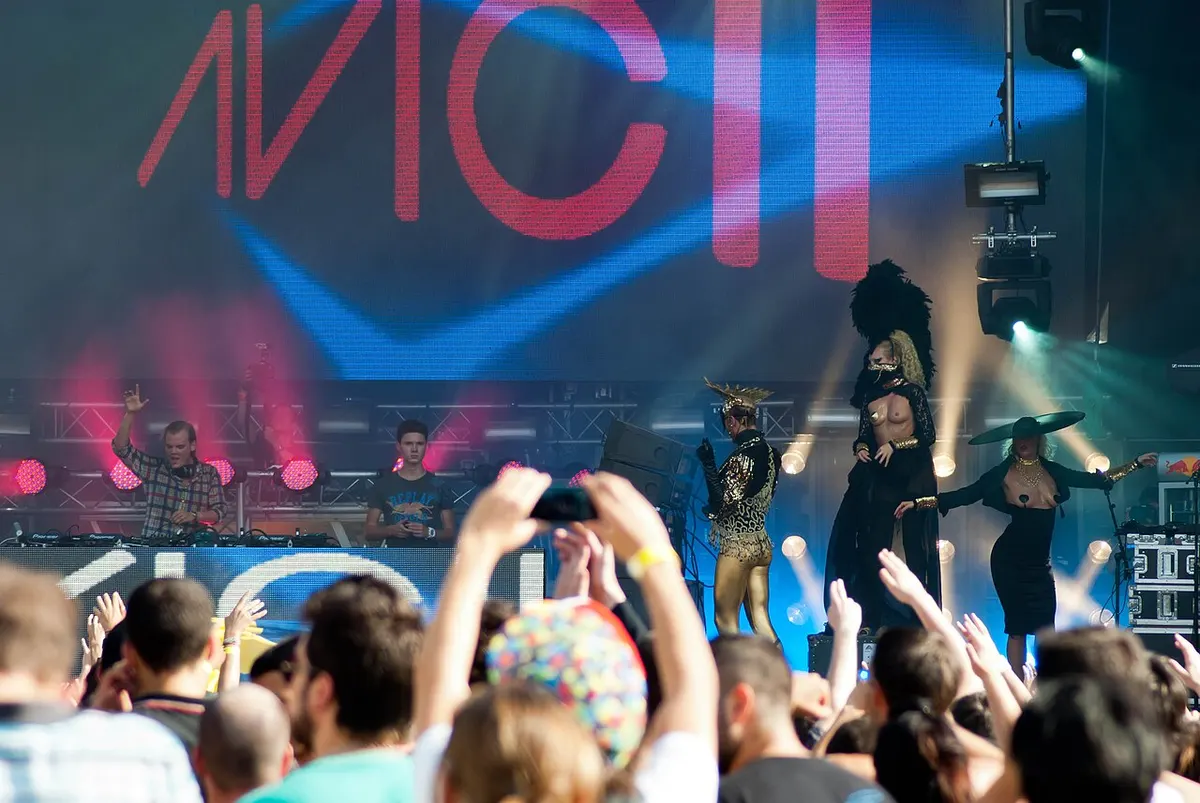
EDM is electronic music optimized for one job: making a large crowd move at peak time. The label rose to prominence in the American market around 2010 to 2012, when festivals like Electric Daisy Carnival and Ultra exploded and artists such as Avicii, Swedish House Mafia, Skrillex, David Guetta and Calvin Harris pushed dance sounds onto pop radio and into stadiums.
Sonically, mainstream EDM leans on a familiar toolkit: a build-up, a tension-raising riser, a beat drop, and a huge, euphoric hook. Big-room house, electro house, festival trap and the commercial end of dubstep all fall under it. Structures are often closer to pop songs than to long DJ-tool grooves: clear verses, choruses and a payoff you can hear from the back of a field. Where a techno record might ride one hypnotic idea for eight minutes, an EDM anthem front-loads a memorable melody and an obvious emotional peak. That is the design difference in one sentence: EDM chases the drop.
EDM vs electronic music: side-by-side comparison
The fastest way to keep these straight is to see them next to each other on the traits that actually distinguish a category from one of its subsets.
| Trait | Electronic Music | EDM |
|---|---|---|
| What it is | Umbrella family of all synth/computer-based music | Commercial dance subset built for the floor |
| Scope | Huge: ambient to techno to synthwave | Narrow: big-room, festival, pop-crossover dance |
| Purpose | Any: listening, art, film, dancing | Peak-time dancing and mass singalongs |
| Typical tempo | Anything, roughly 60–180 BPM | Mostly 125–150 BPM, high energy |
| Structure | Free: from beatless drones to DJ tools | Build, riser, drop, big hook (pop-like) |
| Era of the term | Since the 1950s–70s | Popularized ~2010–2015 (US market) |
| Example artists | Aphex Twin, Kraftwerk, Jon Hopkins | Avicii, Skrillex, Calvin Harris, Marshmello |
How to tell which label fits a track
When you are unsure whether to call something "EDM" or just "electronic," you are really asking a question about purpose and packaging, not about the instruments. Run through these cues.
Ask what the track is built to do
If the record exists mainly to detonate a festival crowd, with an obvious build, a big riser and a payoff drop you can predict, "EDM" fits. If it is a slow ambient piece, a stripped hypnotic techno loop, an experimental IDM cut or a moody synthwave track meant for listening rather than mass dancing, "electronic" is the accurate word and "EDM" would be misleading. Purpose is the single most reliable tell.
Listen for the drop and the hook
Commercial EDM almost always centers on a memorable, front-loaded hook and a clearly signposted emotional peak. Broader electronic music often avoids that pop architecture entirely, favoring gradual evolution, texture or repetition. If you find yourself waiting for "the drop," you are probably in EDM territory. If the track just breathes and develops without a fireworks moment, it is electronic in the wider sense.
If you would rather not guess, drop a clip into our AI music genre detector and let our AI model name the specific electronic subgenre for you in seconds, so you can label it precisely instead of defaulting to "EDM."
Why the distinction matters more in 2026
Getting the label right is not just pedantry; it affects discovery and money. Streaming platforms and stores route listeners by tag, so calling a delicate ambient piece "EDM" buries it in the wrong playlists. The stakes rose further as AI-generated music flooded catalogs: Deezer reported in 2026 that roughly 44% of daily uploads were AI-generated, around 75,000 tracks per day, and generators like Suno's v5 line can spit out convincing "EDM" or "electronic" tracks on demand.
That flood makes accurate, granular tagging a genuine competitive edge. If you are releasing your own tracks, whether human-made or AI-assisted, distributors like DistroKid push you to pick a genre, and "EDM" versus "electronic" versus a precise subgenre changes where your song lands. Verifying what you actually made, by ear or with audio AI, is now part of a smart release plan.
So which word should you use?
Use "electronic music" when you mean the whole family or when a track is not built for the club: ambient, IDM, synthwave, downtempo and the like. Use "EDM" only when you specifically mean the commercial, festival-facing, drop-driven dance sound of artists like Avicii, Skrillex and Calvin Harris, or its pop-crossover descendants. And when you want to be genuinely useful to a listener or a platform, skip both umbrellas and name the actual subgenre: house, techno, trance, dubstep or drum and bass. Precision is what gets a track found.
FAQ
Is EDM the same as electronic music?
No. Electronic music is the broad umbrella for any music made mainly with synths, drum machines and computers, spanning ambient, techno, synthwave and more. EDM is a smaller, commercial subset of that family, built specifically for festival-style dancing. All EDM is electronic, but most electronic music is not EDM.
What tempo is EDM usually?
Mainstream EDM usually sits around 125 to 150 BPM depending on the sub-style, high enough to drive a crowd. Broader electronic music has no fixed tempo; ambient can be beatless, while drum and bass runs past 170 BPM. Tempo alone does not decide the label, purpose does.
Is techno or house considered EDM?
They are electronic, and their commercial big-room versions are often marketed as EDM, but purists usually separate underground house and techno from the festival EDM bracket. The safest move is to call them by their own names, house and techno, rather than folding them into "EDM."
How do I know which genre to tag my track?
Decide by purpose and structure: a drop-driven festival banger is EDM, while a beatless or hypnotic listening track is simply electronic. To confirm the precise subgenre before you distribute, run a short clip through our AI music genre detector and let our AI model classify it for you.
Whether you are settling a debate with a friend or picking the right tag before release, you do not have to rely on gut feeling. Drop any clip into our AI music genre detector and let our AI model identify the exact electronic subgenre in seconds.