Melodic techno is a style of electronic dance music that keeps the steady four-on-the-floor kick, rolling bass and long, mixable structure of techno and puts melody and mood at the centre: sequenced minor-key arpeggios, wide synthesiser pads, slow harmonic movement and extended breakdowns. It usually runs at 120–128 BPM. It took shape in Germany and the wider European club scene between the late 2000s and the mid-2010s around labels such as Kompakt and Innervisions, and from 2016 around Tale Of Us's Afterlife.
This guide covers where the style came from, what its records are built from, the main scenes and labels, the artists and tracks to start with, and how it differs from straight techno, progressive house and trance. If you have a track and are not sure which of those it is, run a clip through our free AI music genre detector and compare the top answer with the alternatives.
What Is Melodic Techno?
Melodic techno sits between two traditions. From techno it takes the machine pulse: a kick drum on every beat, closed hi-hats on the off-beats, a bassline that locks to the kick, and arrangements built to be mixed for minutes at a time. From progressive house, trance and ambient it takes harmony and atmosphere: melodic sequences that move through a short chord progression, pads that fill the stereo field, and a slow arc from tension to release.
Mood is the clearest marker. Melodic techno is rarely euphoric in the hands-in-the-air sense of trance and rarely as stripped and functional as minimal techno. It leans towards dark minor keys, long reverb tails and a lot of space. Many tracks are built around a single arpeggio whose filter opens slowly over several minutes, so the "drop" is the moment the melody reaches full brightness, often without any sudden change in the drums.
The term is used loosely. Beatport, the main download store for DJs, groups the style with its house cousin under a single "Melodic House & Techno" category, and many artists move between the two within one set. As a rule of thumb, tracks with a heavier, darker low end and a straighter drum programme are called melodic techno, while tracks with more swing, softer kicks and warmer chords are called melodic house. The two names describe ends of one range, and plenty of records sit in the middle.
History & Origins
Techno always had a melodic side. Detroit techno in the late 1980s was full of strings and yearning chords, and the 1990s German scene produced plenty of trance-adjacent records. The style now called melodic techno, though, grew mainly out of German and Central European club culture of the late 2000s and early 2010s, after the austere minimal wave had peaked.
Two labels did much of the early shaping by releasing tracks that paired minimal rhythm with melody. Kompakt, the Cologne label and distributor, had long put out techno with pop melody and soft-focus atmosphere; its artist Kölsch (the Copenhagen producer Rune Reilly Kölsch) later became one of the most recognisable melodic voices, with albums such as 1977 (2013). Innervisions, the Berlin label run by Dixon with the duo Âme (Kristian Beyer and Frank Wiedemann), dates from the mid-2000s; Âme's "Rej" is often cited as a template for the hypnotic, arpeggio-led sound that melodic house and melodic techno later built on.
The producer most often named as the bridge between techno and the new melodic style is Stephan Bodzin, from Bremen, who performs live with synthesiser leads; his album Powers of Ten (2015, on his own Herzblut label) became a reference for slowly unfolding, dramatic arrangements. Around the same time Tale Of Us (Carmine Conte and Matteo Milleri, who met in Milan in 2008 and moved to Berlin in 2009), their fellow Italians Mind Against and the Swiss duo Adriatique were developing darker, more cinematic versions of the sound.
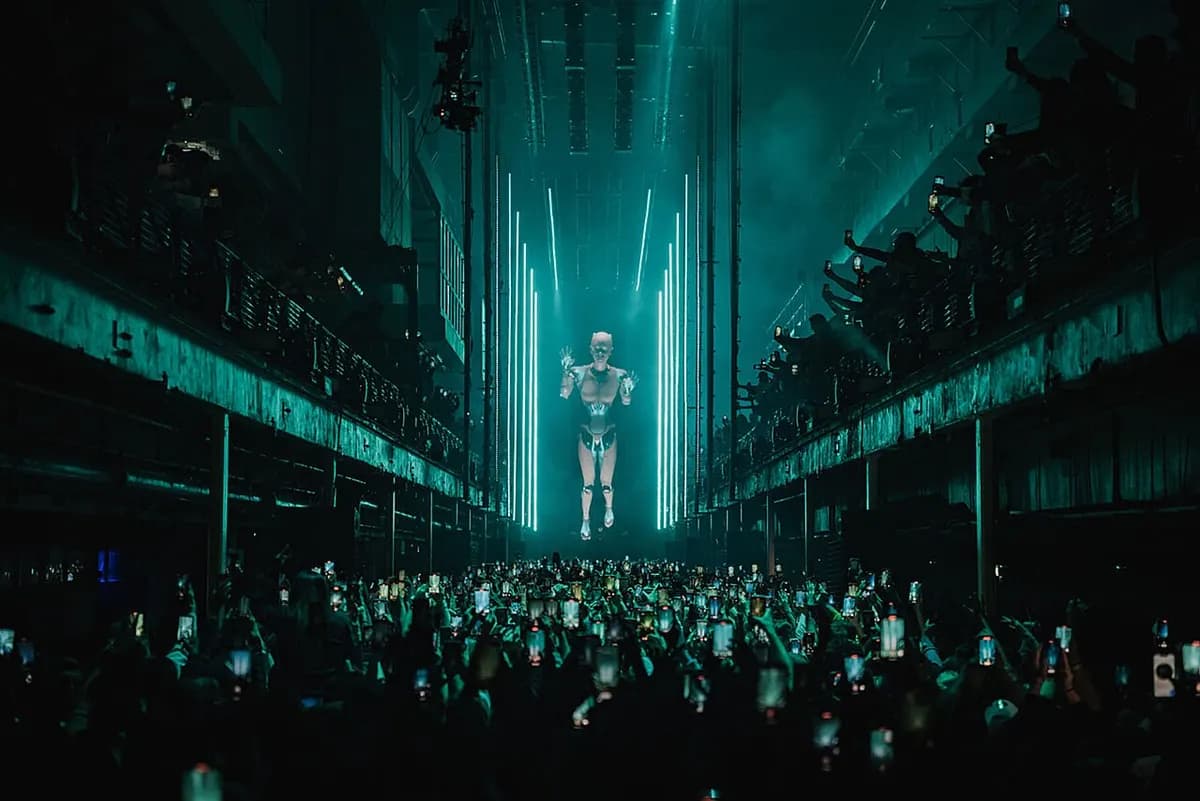
The commercial breakthrough came in the second half of the 2010s. In 2016 Tale Of Us launched Afterlife, first as a party series at Space in Ibiza and from July as a record label, and paired the music with large-scale, futuristic visual production; it became the most visible home of the genre. Hamburg's Diynamic, run by Solomun, also carried melodic sounds to large audiences. The Ukrainian duo ARTBAT, formed in 2014, became one of the best-selling acts on Beatport and took the sound onto festival main stages. In 2017 Tale Of Us released Endless, a largely beatless, piano-based album, on the classical label Deutsche Grammophon.
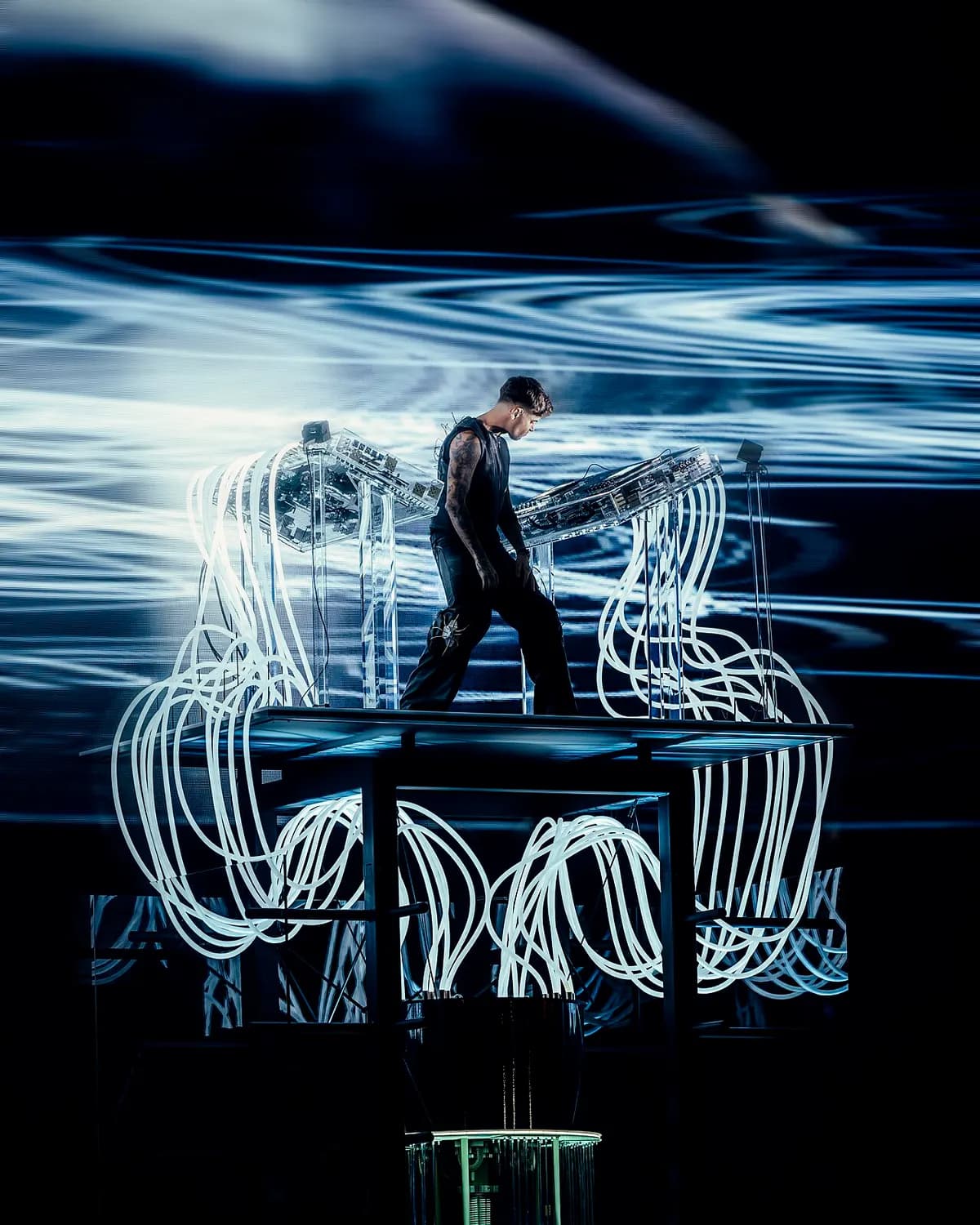
In the 2020s melodic techno became one of the main sounds of large electronic events, and Beatport's "Melodic House & Techno" category grew into one of its most popular. Matteo Milleri's solo project Anyma pushed the audiovisual side further with CGI-heavy shows: his residency "Afterlife presents Anyma: The End of Genesys", announced in July 2024 and finished in March 2025, made him the first electronic act to headline the Sphere in Las Vegas. Producers such as Kevin de Vries, Massano, CamelPhat and Agents of Time widened the palette.
Key Characteristics & Sound
What a typical melodic techno record contains:
- Tempo: 120–128 BPM, most often 122–125; slower than hard techno and the warehouse end of the scene, close to house tempo.
- Drums: four-on-the-floor kick, off-beat hats, sparse claps or rimshots and plenty of shaker and ride texture. The drums are tight and functional, and the melodic layers carry the track.
- Bass: a deep, rolling sub-bass, often in an off-beat or sixteenth-note pattern that pumps against the kick through sidechain compression.
- Lead: a sequenced arpeggio or short melodic motif from an analogue or analogue-modelling synthesiser, with filter cutoff and resonance automated over long stretches.
- Harmony: minor keys and modes, short repeating progressions of three or four chords, pedal tones under the moving melody.
- Space: large reverbs, tempo-synced delays and wide pads, which give the music its "cinematic" feel.
- Structure: six to eight minutes, with a long intro and outro for mixing and one main breakdown in which the drums drop away and the melody or a chord pad is heard alone before the build back in.
- Vocals: optional. Breathy, processed vocals and spoken fragments appear, but most tracks are instrumental.
Where it sits next to its closest relatives:
| Trait | Melodic Techno | Techno | Progressive House | Trance |
|---|---|---|---|---|
| Typical tempo | 120–128 BPM | 125–140 BPM | 120–128 BPM | 128–140 BPM |
| Mood | Dark, cinematic, introspective | Hypnotic, raw, mechanical | Warm, gradual, uplifting | Euphoric, emotional |
| Main hook | Arpeggio or synth motif | Rhythm and texture | Chord progression and groove | Lead melody and supersaw chords |
| Breakdown | One long, atmospheric | Short or none | Gradual, often subtle | Long, with big build and drop |
| Low end | Rolling, sidechained sub | Heavy kick and rumble | Softer, groovier bass | Driving off-beat bass |
| Key labels | Afterlife, Innervisions, Kompakt | Tresor, Ostgut Ton, Drumcode | Bedrock, Anjunadeep | Anjunabeats, Armada |
Scenes, Labels & Related Styles
- Afterlife sound: the darkest and most dramatic form: low, heavy bass, ominous pads and very long builds. Tale Of Us, Mind Against, Anyma and many label signings.
- Innervisions and melodic house: warmer, more groove-led and closer to deep house, with live-played synth lines and a strong song sense: Âme, Dixon, Frank Wiedemann, Henrik Schwarz.
- Kompakt-style melancholic techno: melodic, melancholic, sometimes almost song-like techno from Cologne: Kölsch, The Field, Gui Boratto, Michael Mayer.
- Festival melodic techno: the bigger, brighter mainstage version that borrows from trance and EDM drops: ARTBAT, CamelPhat, later Anyma.
- Organic and downtempo offshoots: slower, acoustic-leaning cousins such as organic house, which share the melodic focus but trade synth arpeggios for hand percussion and ethnic instruments.
- Progressive overlap: the long, evolving arrangements of 1990s and 2000s progressive house are a direct ancestor, and many DJs play both.
For a wider map of the electronic family tree, see our guide to electronic music genres.
Key Artists & Essential Records
A starting list of names and records that define the style:
| Artist | Origin | Where to start | Why it matters |
|---|---|---|---|
| Âme | Germany | "Rej" (2005) | Hypnotic arpeggio template for melodic house and techno |
| Kölsch | Denmark | 1977 (2013, Kompakt) | Melancholic, song-like Kompakt melodicism |
| Stephan Bodzin | Germany | Powers of Ten (2015) | Dramatic analogue leads and live performance |
| Tale Of Us | Italy | Afterlife releases; Endless (2017) | Founded Afterlife in 2016; defined the dark, cinematic sound |
| Mind Against | Italy | Afterlife releases | Brooding, slow-building techno at the core of the label |
| Adriatique | Switzerland | Club releases and Siamese label | Elegant, emotional melodic techno and house |
| ARTBAT | Ukraine | Beatport-charting singles | Carried the sound to festival main stages |
| Anyma | Italy | Solo releases from the 2020s | Large-scale audiovisual shows; the genre's mainstream peak |
Melodic Techno vs Techno, Progressive House and Trance
Against straight techno, the difference is where the attention goes. Classic Berlin or Detroit-descended techno is about rhythm, texture and repetition, with melody either absent or reduced to a single stab; melodic techno lets the melody lead and treats the drums as the frame. Our introduction to techno covers the broader tradition.
Against progressive house, the line is thinner. Both run at similar tempos and favour long, evolving arrangements. Melodic techno is usually darker, more minor-key and heavier in the low end; progressive house tends to be warmer and groovier, with more emphasis on chord progressions than on a single arpeggio.
Against trance, tempo and release give it away. Trance is faster, usually 128–140 BPM, with brighter supersaw chords and a climactic, euphoric drop; melodic techno is slower and keeps its peaks restrained. The two meet at festival level, and some mainstage melodic techno borrows trance's build-and-drop dramaturgy. Our trance vs techno comparison explains the wider split, and techno vs house covers the house side of the "Melodic House & Techno" label.
How AI Hears Melodic Techno
For an audio model, the dance-music part of melodic techno is easy: a steady kick on every beat at around 122–125 BPM, a sidechained sub-bass and long sustained synth layers place it firmly in the electronic family. What is harder is the subgenre, because the cues that separate melodic techno from progressive house or melodic house are weight and mood; the instruments are mostly the same.
The section of the track also matters. A clip from the breakdown (pads and a lone arpeggio, no drums) can sound like ambient or film music, while a clip from the peak sounds like techno. Genre AI's production taxonomy has no melodic techno label; the closest is Electronic Dance › Techno, whose text prompts include "melodic techno". To compare, try a section with the full groove in the Genre AI music genre detector, and see our note on identifying a genre from a short clip.
In Genre AI, melodic techno with the drums running is likely to come back under Electronic Dance. There is no melodic techno label, so the answer will be one of its neighbours. On darker, drum-heavy sections the likeliest is Techno, which has "melodic techno" among its text prompts. Warmer, groovier tracks from the Innervisions or melodic house end may read as Deep House or House, because the tempo, kick pattern and pads are shared. Bright, festival-scale tracks with long builds may list Trance among the alternatives, and very sparse, percussive passages can drift towards Minimal; alternatives only ever come from these sibling Electronic Dance labels. A drumless breakdown is the risky case. Ambient and Soundtrack have no subgenres in the taxonomy and rarely come up at all, so such a clip is more likely to be pulled into another family with subgenres, such as Classical. Read the result as a pointer to the corner of four-on-the-floor music the track sits in, and use the arpeggio-led mood and the label to decide whether it is melodic techno.