
Easy listening is orchestral popular music built to be pleasant in the background: lush string arrangements of familiar melodies, gentle tempos, nothing sharp. It was a major presence on American radio and in record sales from the 1950s to the 1970s and gave us the phrase "elevator music." After decades as a punchline, it became a source for vaporwave samples and the model for today's background playlists.
This guide covers what easy listening actually is, the difference between it and Muzak, its exotica and lounge branches, the 1990s revival, and how it relates to smooth jazz and vaporwave. To see how a record reads, try our free AI music genre detector.
What Is Easy Listening?
Easy listening (also called beautiful music or mood music) is instrumental or lightly vocal popular music arranged for orchestra and meant to hold attention gently. Tempos sit at 70–120 BPM, dynamics stay narrow, and the harmony is consonant with a jazz tinge. The melodies are usually familiar: show tunes, film themes and current pop hits re-scored for strings.
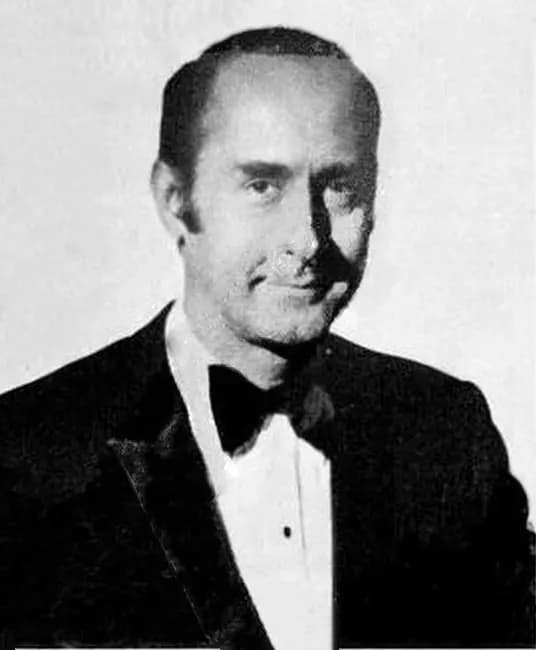
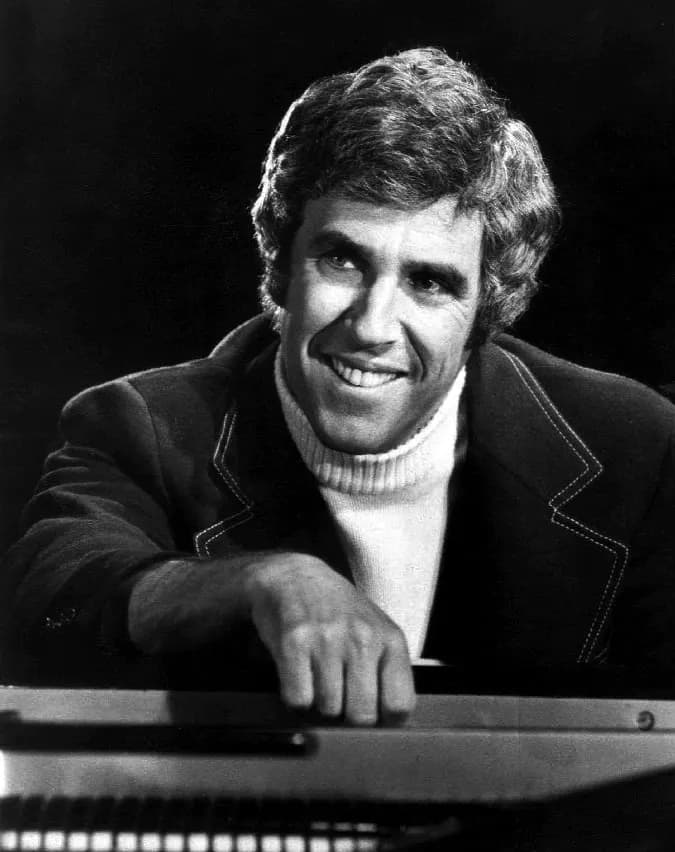
It is defined by function as much as by sound. Easy listening is arranged so it never demands attention: no sudden entries, no dissonance left hanging, no rhythmic surprise. Writing that way is a craft of its own, and the arrangers associated with the field, such as Nelson Riddle, Henry Mancini and Burt Bacharach, also wrote and arranged for Sinatra, Hollywood and the pop charts.
Easy listening and Muzak are different things. Muzak was a company, founded in 1934, that produced functional background audio for workplaces and lifts, engineered on a "stimulus progression" schedule to affect worker productivity. Easy listening was commercial music people bought and requested on the radio. The two got conflated, and the insult "elevator music" attached itself to both.
History & Origins
The style descends from the light orchestral and dance-band music of the 1930s and 1940s, and from the film scoring tradition. It became a commercial category in the early 1950s, when the long-playing record made a 40-minute programme of instrumental mood music viable as a product.
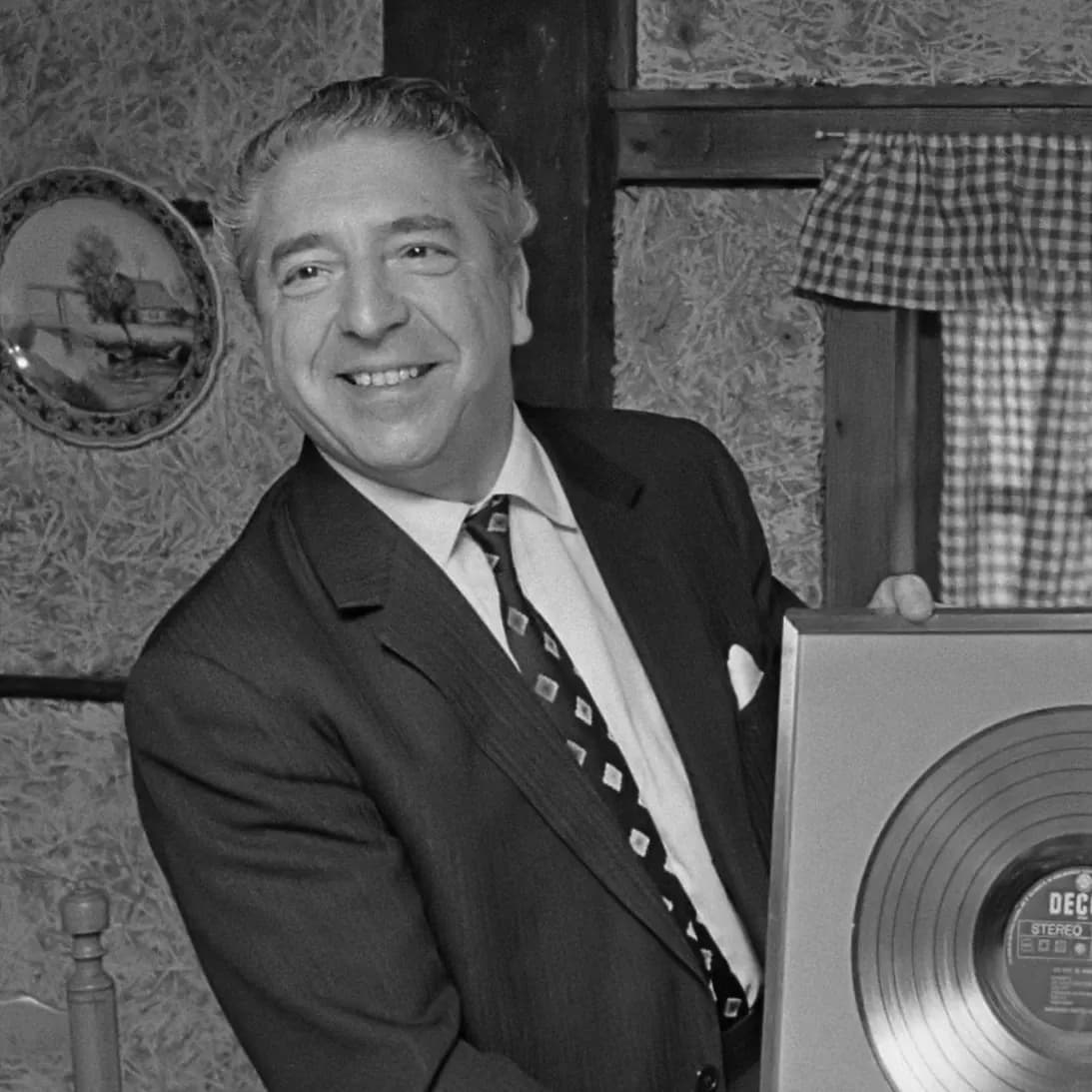
Mantovani set the template with "cascading strings," an arranging trick (devised with arranger Ronald Binge) in which overlapping string entries blur into a shimmering, reverberant wash. "Charmaine" (1951) sold over a million copies in the US, and his catalogue went on to sell in the tens of millions. Percy Faith, Ray Conniff and Billy Vaughn built parallel catalogues in America, as did James Last and Bert Kaempfert in Germany. Jackie Gleason's mood albums were sold openly as romantic background music.
Two more colourful branches ran alongside. Exotica (Martin Denny, Les Baxter, Arthur Lyman) built imaginary tropical soundscapes from vibraphone, bird calls and percussion. Space age pop, above all Esquivel, treated the new stereo format as a toy and threw sounds between channels for their own sake. Both were mid-century American fantasy music. Both were later treated as camp, then rediscovered by collectors and musicians.
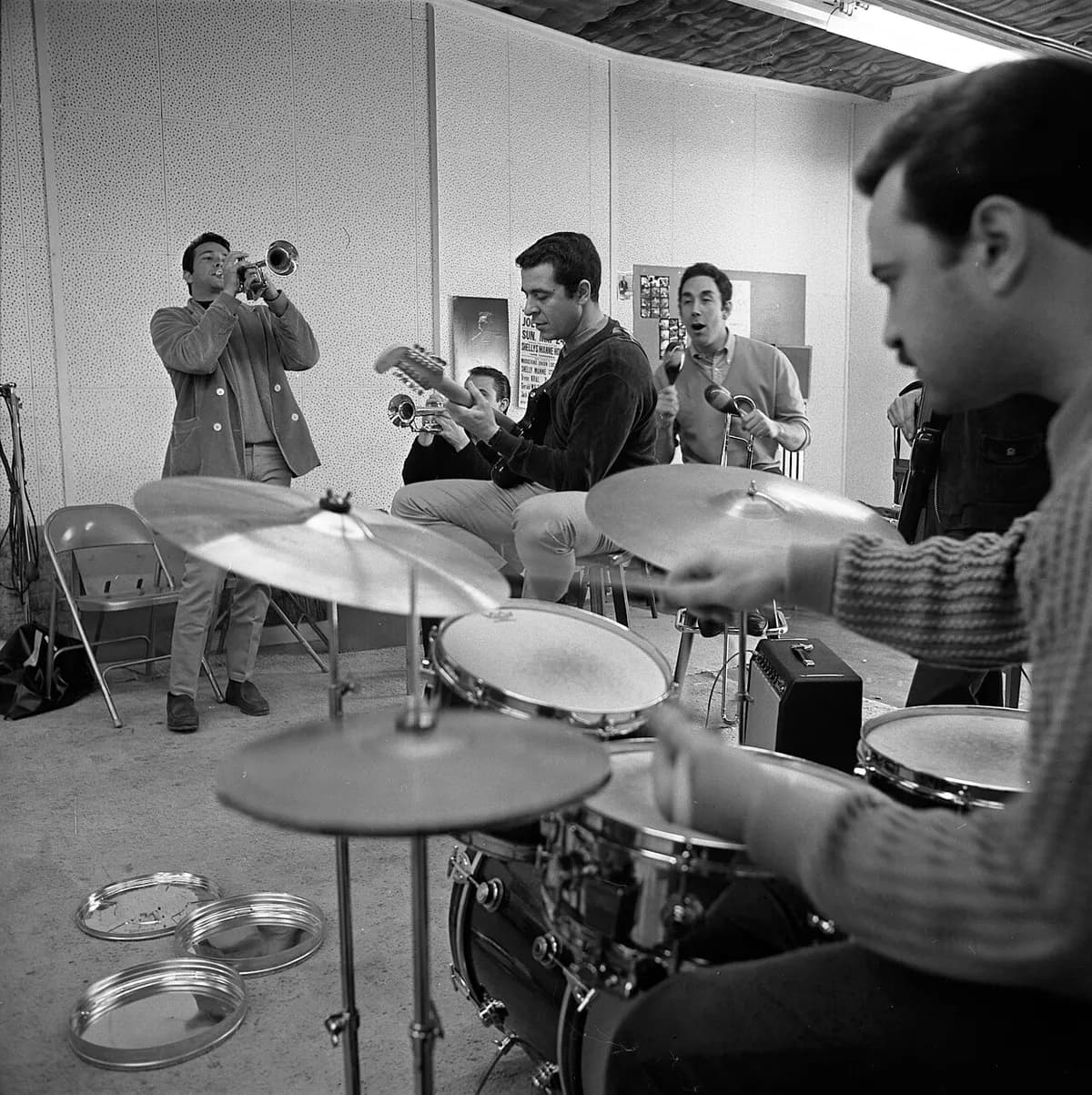
In the 1960s the style was led by musicians who were pop composers in their own right. Burt Bacharach wrote songs with irregular phrase lengths and unexpected chord changes; Henry Mancini wrote film themes that became standards. Herb Alpert & the Tijuana Brass sold more records than the Beatles in 1966. Radio packaged the category as the beautiful music format, which stayed on American airwaves well into the 1970s.
Then it collapsed. Rock became the adult mainstream, beautiful-music stations flipped to soft rock and later to smooth jazz, and "easy listening" became shorthand for bad taste. The lounge revival of the mid-1990s (Combustible Edison, the Ultra-Lounge reissue series, the "cocktail nation" scene) brought it back as a joke, and many fans stayed after the joke wore off. Vaporwave samples these records, and chillhop and ambient-pop playlists now fill the background role easy listening once had.
Key Characteristics & Sound
The consistent features:
- Tempo: 70–120 BPM, steady, with little rhythmic tension.
- Strings: large legato sections, often carrying the melody. This is the genre's defining sound.
- Harmony: consonant, with jazz extensions (sixths, ninths) used for warmth.
- Dynamics: narrow by design, so nothing startles.
- Repertoire: covers of standards, show tunes, film themes and chart hits.
- Percussion: brushes, light Latin patterns, vibraphone.
- Voices: wordless choirs used as texture as often as lead singers.
Compared with what it is usually confused with:
| Trait | Easy Listening | Muzak | Smooth Jazz | Lounge / Exotica |
|---|---|---|---|---|
| Nature | Commercial genre | Functional service | Radio format | Genre and scene |
| Era | 1950s–1970s | 1934–1990s | 1980s–2000s | 1950s, revived 1990s |
| Lead voice | Strings | Strings, generic | Sax, guitar | Vibraphone, percussion |
| Improvisation | None | None | Present | Minimal |
| Repertoire | Covers of hits | Covers, anonymous | Originals | Originals, exotic themes |
| Intent | Pleasant listening | Behaviour management | Adult radio | Atmosphere, fantasy |
Instruments & Production
Easy listening was a studio-orchestra business, and the records were made with large forces and careful engineering:
- String orchestra: a large section, arranged for smoothness and sustain.
- Woodwind and muted brass: flutes and muted trumpets for colour, rarely for attack.
- Vibraphone, harp, celesta: the shimmer on top.
- Rhythm section: upright bass, brushed drums, and guitar or piano comping, mixed well back.
- Wordless choir: Ray Conniff's signature, with voices scored like another string section.
- Stereo staging: many of these albums were marketed as demonstration records for hi-fi equipment.
- Reverb: generous plate and chamber reverb, which gives the "distant and warm" quality.
Full orchestras and first-call session players made these records expensive. That cost helps explain the decline: a rock band was far cheaper to record, and by the 1970s it sold more.
Subgenres & Related Styles
The family and its afterlife:
- Beautiful music: the radio format name, all-instrumental and tightly programmed.
- Exotica: imagined tropical and Polynesian atmospheres (Martin Denny, Les Baxter).
- Space age pop: stereo-effect showpieces, such as Juan García Esquivel's ping-pong stereo.
- Lounge: the cocktail-bar strand and its 1990s revival.
- Bachelor pad music: the reissue-era name for the whole mid-century package.
- Smooth Jazz: the format that replaced it on adult radio.
- Vaporwave: samples its recordings to comment on consumer culture.
- Lo-Fi and downtempo: what people put on in the background today.
Notable Artists & Tracks
The canon, such as it is:
- Mantovani, "Charmaine" (1951): the first cascading-strings hit.
- Percy Faith, "Theme from A Summer Place" (1960).
- Ray Conniff, 'S Wonderful! and the other wordless-choir records.
- Henry Mancini, "Moon River," "Breakfast at Tiffany's."
- Burt Bacharach, "The Look of Love," "Walk On By."
- Herb Alpert & the Tijuana Brass, Whipped Cream & Other Delights (1965).
- Martin Denny, Exotica (1957), "Quiet Village."
- Esquivel, Other Worlds Other Sounds (1958).
- James Last, the Non Stop Dancing series.
- Jackie Gleason, Music for Lovers Only (1953).
Three records to understand it: "Theme from A Summer Place" for the mainstream, Exotica for the fantasy, and Whipped Cream & Other Delights for the year it outsold the Beatles.
How AI Detects Easy Listening
Easy listening presents a classifier with an unusual profile: orchestral timbres, very low rhythmic density, a narrow dynamic range, and heavy reverb, all at a moderate tempo. It is not classical, because the harmony is pop and the forms are short, and it is not jazz, because there is no improvisation.
The most common confusions are with smooth jazz, which shares the mood but adds saxophone and solos, with film score, which shares the orchestra and the reverb, and with classical when a string arrangement runs long enough without percussion. Recording era helps: most of the catalogue carries 1950s and 1960s mastering characteristics. Test a track in the Genre AI music genre detector.
Testing this style in Genre AI ourselves, Easy Listening lands between three labels and moves according to what is carrying the melody. Full string arrangements with no percussion read as Classical or Film Score; add brushed drums and a vibraphone and it moves toward Jazz; put a saxophone on the lead and it goes to Smooth Jazz almost immediately. This is also the genre where a model's sense of period is most useful. The narrow-band, plate-reverb sound of a 1961 orchestral master is a strong hint on its own, and a modern re-recording of the same arrangement reads quite differently.