New wave is the broad, pop-oriented rock movement that grew out of punk in the late 1970s and dominated much of popular music until the mid-1980s. It kept punk's energy, short songs and do-it-yourself attitude, but added catchy hooks, wit, art-school ideas, reggae and funk rhythms and, increasingly, synthesizers. Blondie, Talking Heads, Elvis Costello, The Cars, Devo, The B-52's and The Police are typical early names; Duran Duran, A Flock of Seagulls and Tears for Fears carried it into the MTV era.
New wave is an umbrella, and two of its neighbours have their own pages: post-punk is its darker, more experimental sibling, and synth-pop is its keyboard-led branch. This guide covers how the term came about, what new wave sounds like, its scenes and offshoots, the essential records, and where the borders lie. To hear how a jittery 1980s single reads to a machine, drop a clip into our free AI music genre detector.
What Is New Wave?
New wave is easiest to describe as punk made accessible. The songs are short and energetic, often built on choppy, staccato guitar and a busy, upfront bass, but they are melodic, cleanly produced and written to be sung along to. Vocals tend to be stylised (hiccuping, ironic, detached or theatrical, seldom shouted), and the image matters: skinny ties, thrift-store suits, bold colours and, later, the elaborate fashion of the New Romantics.
Musically, the movement is diverse. It includes guitar power-pop (The Cars, Blondie), nervy art rock (Talking Heads, Devo), reggae-influenced rock (The Police), retro-flavoured party music (The B-52's), literate songwriter rock (Elvis Costello, Squeeze) and, from about 1980, electronic pop (Gary Numan, The Human League, Depeche Mode). What unites them is timing and attitude: all came after punk, borrowed its independence and rejected the long solos and grandeur of 1970s arena rock.
The term also shifted meaning over time. In the late 1970s it was used almost interchangeably with punk; by the early 1980s, especially in the United States, it meant almost any new, stylish, synth-tinged pop from Britain. Today it is used mainly for the period from about 1978 to 1985.
History & Origins
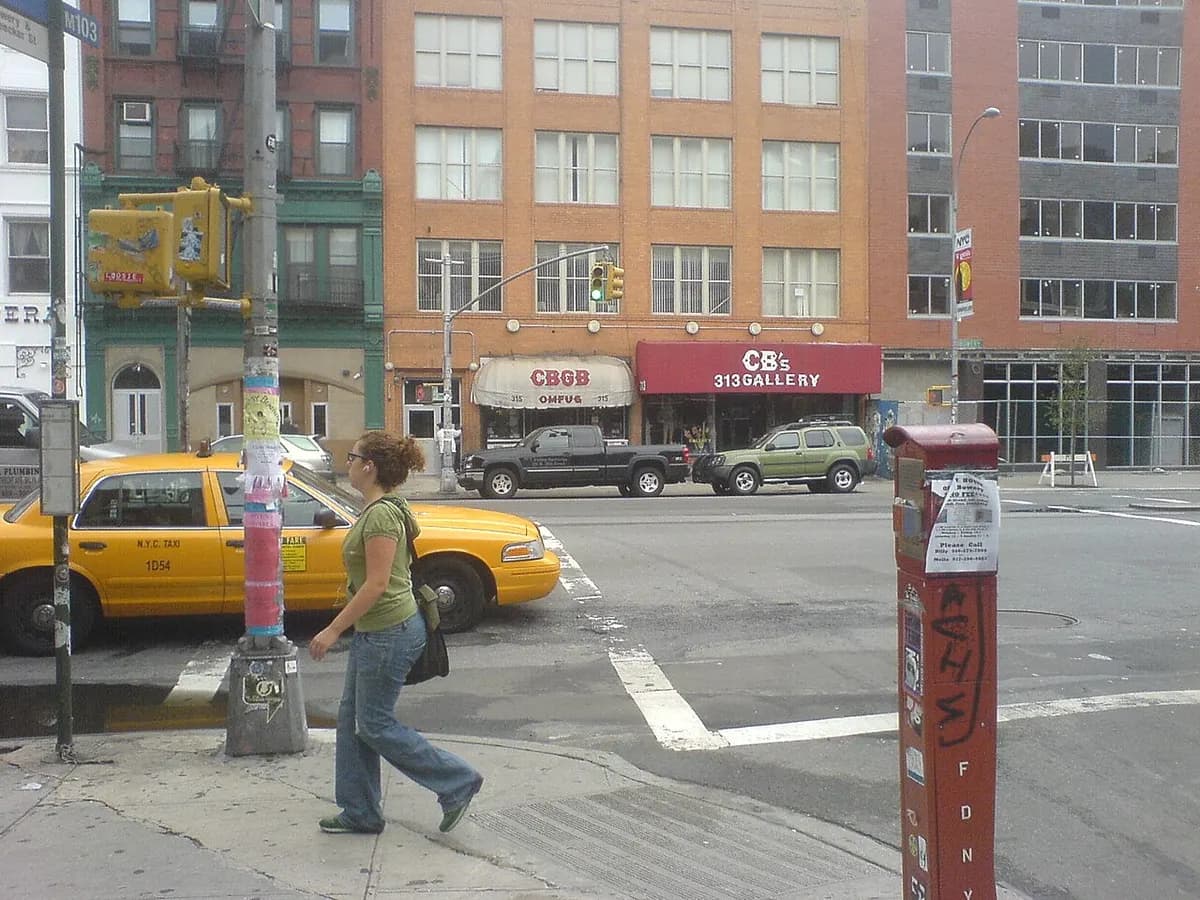
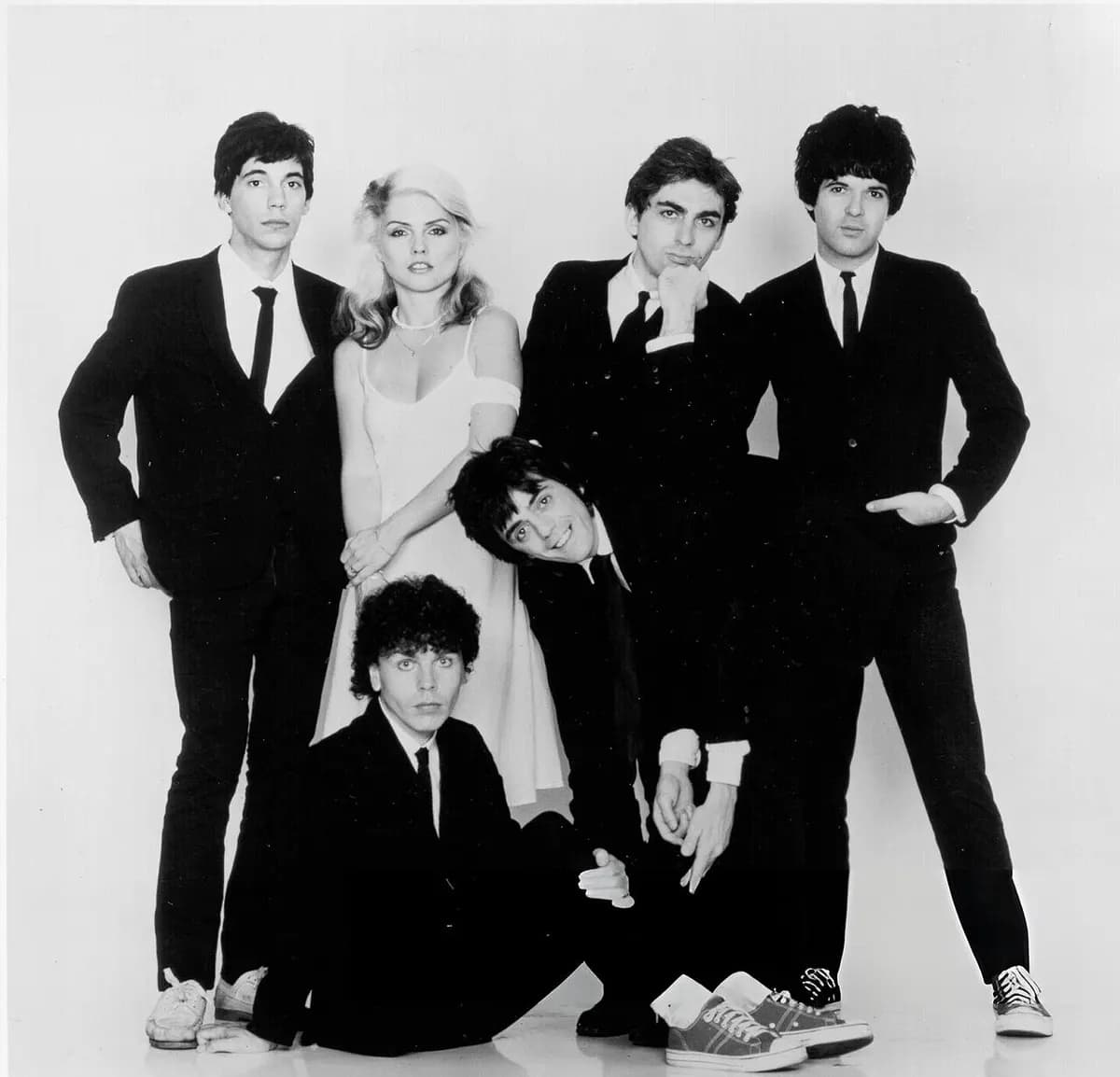
New wave was born at the same time as punk, and from the same clubs. In New York, the bands at CBGB in the mid-1970s ranged from the Ramones' raw punk to the more arty Television, Talking Heads and Blondie. The phrase itself is older than the movement: Nick Kent and Dave Marsh applied it to New York proto-punk bands in 1973, and in November 1976 the British journalist Caroline Coon used it for groups related to punk but not quite punk. In 1976 and 1977 the two words were used almost interchangeably, and by the end of 1977 "new wave" had replaced "punk" in Britain as the general term for the new underground music. In the United States, Seymour Stein of Sire Records, Talking Heads' label, popularised it as a catch-all for the styles that followed punk and as a name that radio found easier to accept.
The first wave of hits arrived in 1978 and 1979. Blondie's Parallel Lines (1978) produced "Heart of Glass", a disco-inflected single released in January 1979 that topped the UK chart for four weeks and became the first new wave single to reach No. 1 on the Billboard Hot 100. The Cars' self-titled debut (1978) married power-pop hooks to synthesizer accents. Elvis Costello released This Year's Model (1978) with the Attractions; Devo, from Akron, Ohio, debuted with the Brian Eno-produced Q: Are We Not Men? A: We Are Devo! (1978); The Police fused punk and reggae on Outlandos d'Amour (1978); and The B-52's brought party-surf energy from Athens, Georgia, with "Rock Lobster". In 1979 Gary Numan's "Cars" pointed to the coming synthesizer era.
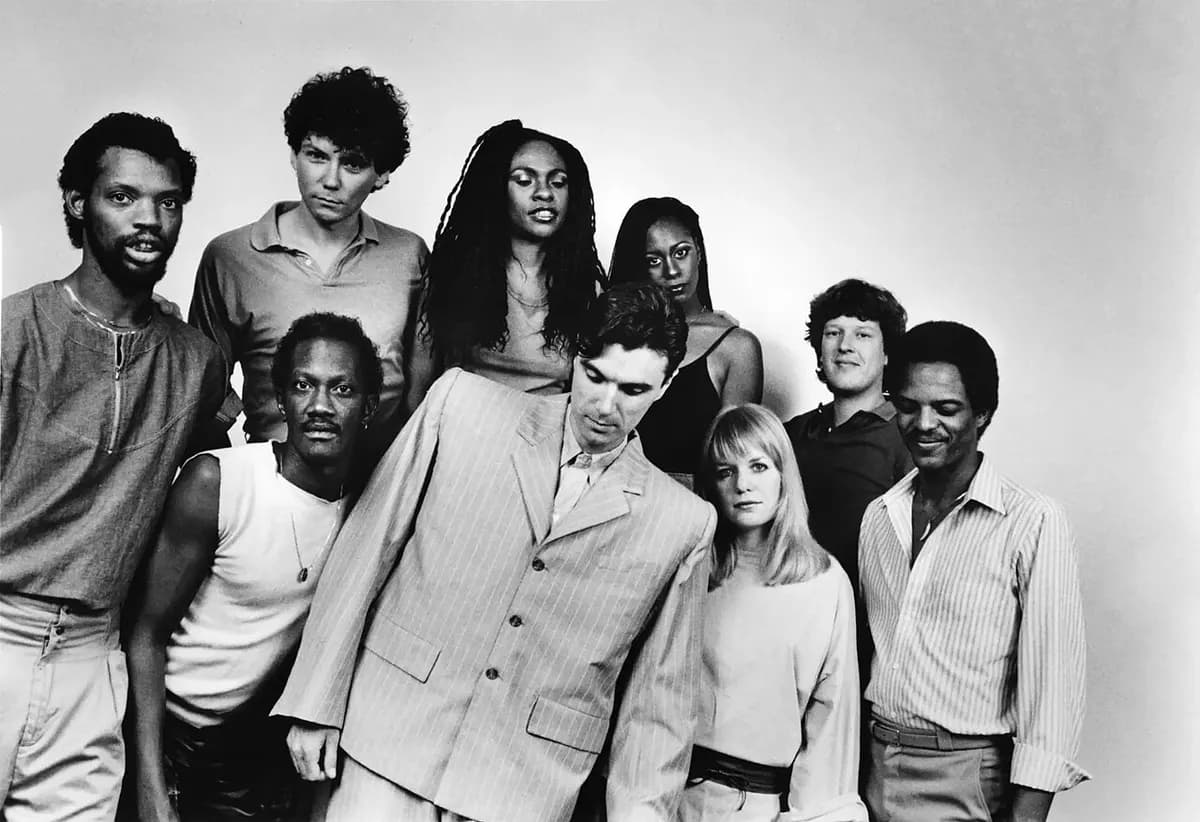
Talking Heads became the movement's most ambitious band. Working with Brian Eno, they moved from wiry art-pop to the polyrhythmic, Fela Kuti-influenced Remain in Light (1980).
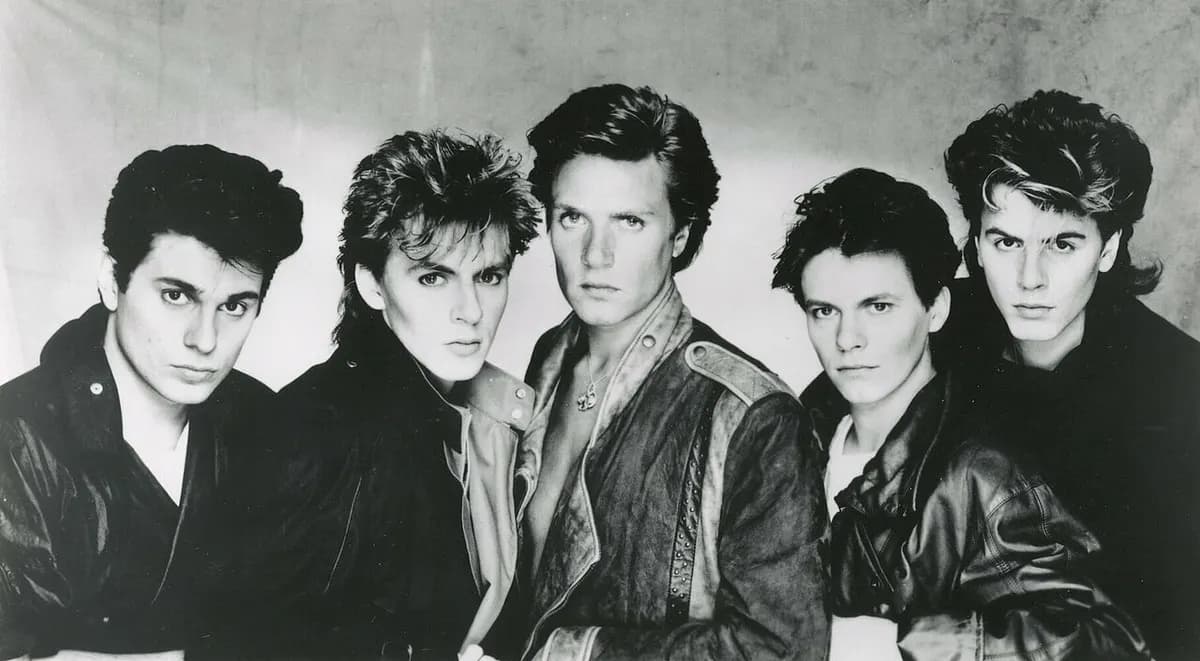
The launch of MTV in August 1981 opened new wave's most successful period in the United States. American rock radio was slow to play the new British acts, but the young channel needed videos, and British bands had made them. Visually striking groups such as Duran Duran, A Flock of Seagulls, Culture Club, Eurythmics and Adam and the Ants reached American audiences through television, and journalists called the result the "Second British Invasion". Duran Duran's Rio (1982) and A Flock of Seagulls' "I Ran (So Far Away)" (1982) are the records most often used to illustrate it.
At the same time Britain's New Romantic club scene (Visage, Spandau Ballet, early Duran Duran, Ultravox) added glamour and synthesizers, and the line between new wave and synth-pop blurred. By the mid-1980s, much of the movement had become mainstream pop, while its smoother, jazz-inflected end turned into sophisti-pop. Tears for Fears' Songs from the Big Chair (1985) is often treated as a late peak.
In Britain the term was considered dated by the early 1980s, while American radio and retail kept using it into the middle of the decade. In the 2000s, bands such as The Killers (Hot Fuss, 2004) and Franz Ferdinand revived its hooks and choppy guitars, and New York's post-punk revival and electroclash scene was sometimes nicknamed "new new wave".
Key Characteristics & Sound
What identifies a new wave record:
- Tempo: generally 110–160 BPM, upbeat and danceable; ballads are the exception.
- Rhythm: tight, often robotic drumming with a strong snare backbeat, sometimes borrowed from disco, reggae or funk; early drum machines appear from about 1980.
- Guitar: clean, choppy, staccato chords and short riffs, with few extended solos; chorus and flanger effects become common later.
- Bass: melodic and prominent, often carrying the hook.
- Keyboards: from cheap organs in the 1970s to polyphonic synthesizers in the 1980s; bright, simple synth lines are a signature.
- Vocals: stylised and characterful, from the yelp and the deadpan to the theatrical croon, with little bluesy belting.
- Harmony and form: pop song structure, three- to four-minute singles, clever chord changes but rarely complex ones.
- Lyrics and image: ironic, cerebral or playful, often about modern life, technology and alienation.
How it compares with its closest relatives:
| Trait | New Wave | Punk | Post-Punk | Synth-Pop |
|---|---|---|---|---|
| Peak period | 1978–1985 | 1976–1979 | 1978–1984 | 1980–1986 |
| Mood | Upbeat, ironic, hooky | Angry, raw | Dark, experimental | Polished, romantic |
| Lead instrument | Guitar plus keyboards | Distorted guitar | Bass and angular guitar | Synthesizer |
| Production | Clean, radio-ready | Raw, fast | Spacious, stark | Glossy, electronic |
| Typical tempo | 110–160 BPM | 150–200 BPM | 110–150 BPM | 100–135 BPM |
| Reference track | Heart of Glass | Blitzkrieg Bop | Love Will Tear Us Apart | Don't You Want Me |
Instruments & Production
New wave sits at the moment when rock instrumentation met affordable electronics.
- Electric guitar: Fender and Rickenbacker tones, clean or lightly crunchy, played rhythmically. The Police's Andy Summers made chorus-drenched arpeggios a standard sound.
- Bass: upfront and melodic; Tina Weymouth of Talking Heads is a reference player.
- Synthesizers: Minimoog, Prophet-5, Oberheim and later Roland Juno and Yamaha DX7, used for hooks, pads and robotic bass lines.
- Drum machines and electronic drums: the Roland CR-78, LinnDrum and Simmons pads, increasingly heard from 1980.
- Organ and toy keyboards: Farfisa and Vox organs gave early new wave a 1960s garage flavour (Elvis Costello, The B-52's).
Producers mattered. Brian Eno shaped Talking Heads and Devo, Mike Chapman produced Blondie's biggest records, Roy Thomas Baker gave The Cars their glossy layered sound, and Trevor Horn's work with ABC and others pushed the sound toward lavish synth-pop. Gated reverb on drums, bright compressed mixes and stereo-panned synth parts define the later, MTV-era sound.
Branches & Related Styles
- Synth-pop: new wave's electronic branch: Gary Numan, The Human League, Depeche Mode, OMD, Soft Cell.
- New Romantic: the fashion-led London club scene: Visage, Spandau Ballet, Duran Duran, Ultravox.
- Power pop: guitar-hook songcraft that ran alongside new wave: The Knack, The Cars, Cheap Trick.
- Art-new wave: Talking Heads, Devo, XTC and Wall of Voodoo, with experimental arrangements and conceptual images.
- 2 Tone and ska revival: The Specials, Madness and The Selecter brought ska into the movement in 1979–1981.
- Neue Deutsche Welle: Germany's own new wave, with Nena's "99 Luftballons" (1983) as the best-known international hit.
- Sophisti-pop: the smooth, jazz-tinged mid-1980s end: Prefab Sprout, The Style Council, Sade.
- Darkwave: the gloomy, synth-led cousin of new wave and goth.
Key Artists & Essential Albums
A listening path through the movement:
| Album | Artist | Year | Why it matters |
|---|---|---|---|
| The Cars | The Cars | 1978 | Power-pop hooks with synth accents; a radio template |
| Parallel Lines | Blondie | 1978 | 'Heart of Glass' and 'One Way or Another' |
| This Year's Model | Elvis Costello and the Attractions | 1978 | Literate, organ-driven songwriter new wave |
| Q: Are We Not Men? A: We Are Devo! | Devo | 1978 | Robotic art-punk produced by Brian Eno |
| The B-52's | The B-52's | 1979 | 'Rock Lobster' and retro party energy |
| Remain in Light | Talking Heads | 1980 | Polyrhythmic, Afrobeat-influenced peak of art new wave |
| Rio | Duran Duran | 1982 | The MTV-era New Romantic blockbuster |
| Songs from the Big Chair | Tears for Fears | 1985 | A late, widescreen peak of the sound |
New Wave vs Post-Punk vs Synth-Pop
New wave and post-punk grew from the same post-1977 moment, and many bands crossed between them. The working difference is direction. Post-punk took punk's freedom toward darkness, abstraction and experiment: Joy Division, Gang of Four, Public Image Ltd. New wave took it toward bright, witty, radio-friendly pop. A useful test: if the track is a hook-led three-minute single you can dance to without irony, it is probably new wave; if it is cold, angular or confrontational, it is probably post-punk.
Synth-pop is a branch, not a rival: in the early 1980s synth-pop bands were routinely filed under new wave, but much new wave (The Police, Elvis Costello, The Pretenders) was guitar music. Against punk, new wave is slower, cleaner and more melodic. Against later synthwave, the difference is time: synthwave is a 2000s and 2010s retro style imitating 1980s soundtracks, while new wave is the original. Our synthwave explainer and rock subgenres guide place these styles on the wider map.
How AI Detects New Wave
New wave sits on the border between rock and electronic pop, and an audio model hears exactly that: a rock rhythm section with clean, choppy guitar, a prominent bass, bright synthesizers and the characteristic gated-reverb drum sound of the early 1980s. Era cues in the production, such as the mix, the reverb and the synth timbres, can tell a model as much as the instrumentation does.
Because the movement mixes guitar bands and synth bands, two new wave songs can receive very different labels. Check the top answer and the runners-up in the Genre AI music genre detector, and read our note on why one song can fit several genres.
Genre AI's production taxonomy has no new wave label, and the answer depends on which side of the movement a track sits. Synthesizer-led singles such as Gary Numan's, Duran Duran's or A Flock of Seagulls' are most likely to come back as Electronic Dance with the subgenre Synth Pop, a fair description. Guitar-led new wave such as The Cars, Blondie or The Police is more likely to land under Rock, typically Soft / Pop Rock or Indie / Alternative, while faster, rawer tracks from 1977–1979 can tip toward Punk, the Rock subgenre whose descriptions include "post punk". Alternatives under an answer come only from the same family, so a Rock result may list Punk or Indie / Alternative as a second guess but never Synth Pop. The coarse Pop label has no subgenres, and the model prefers families that do, so even the glossiest mid-1980s single should rarely be labelled plain Pop. Because the movement's borders are historical and not sonic, two new wave songs ending up in different families is normal.