Ska is an upbeat Jamaican dance music that emerged in the late 1950s and became the direct precursor to rocksteady and reggae. Its signature is the "skank", a sharp guitar or piano chord chopped on the offbeat, riding over a walking bassline, a shuffling drum pattern and a horn section, usually somewhere between 130 and 160 BPM.
This guide covers where ska came from, how to recognise it by ear, the instruments behind it, its three waves, the main artists, and how it differs from the slower reggae that grew out of it. To see how a horn-driven offbeat groove reads to a classifier, play a clip into our free AI music genre detector; it has no separate ska label, so expect the answer to land in its reggae family.
What Is Ska Music?
Ska is a genre of Jamaican popular music that fuses Caribbean mento and calypso with American jazz, jump blues, and rhythm and blues. Its defining trait is rhythmic emphasis on the offbeat: while the drums keep time, a guitar or piano "chops" a staccato chord on the "and" of each beat, the sound often written as "chk-chk-chk." This upstroke, called the "skank," gives ska its forward-leaning bounce and makes it feel faster and lighter than the music that followed it.
Ska differs from its descendants mainly in tempo and weight. It is quick and brassy, made for dancing. When Jamaican musicians slowed that same offbeat feel down around 1966 they created rocksteady and then reggae, heavier on the bass and cooler in mood. Ska is the fast, horn-led root of that family tree, and its offbeat guitar is still the first thing people imitate when they play anything Jamaican.
History & Origins
Ska took shape in Kingston, Jamaica, in the late 1950s and early 1960s, around the island's independence in 1962; local producers were pressing 45s by the second half of 1959. Sound-system operators and producers such as Clement "Coxsone" Dodd (Studio One) and Duke Reid (Treasure Isle) wanted a homegrown dance music to rival the American R&B records they had been importing. Session musicians, many of them trained jazz players, settled on a shuffling rhythm that moved the accent onto the offbeat, and ska was the result.
The best-known house band was The Skatalites, formed in 1964 by session players including trombonist Don Drummond, saxophonist Tommy McCook and drummer Lloyd Knibb. As a band they lasted only until August 1965, but as session musicians they played on a large share of the era's instrumentals and vocal records. Around 1965–66, as American soul grew slower and smoother, Jamaican musicians slowed down too, and ska gave way to rocksteady.
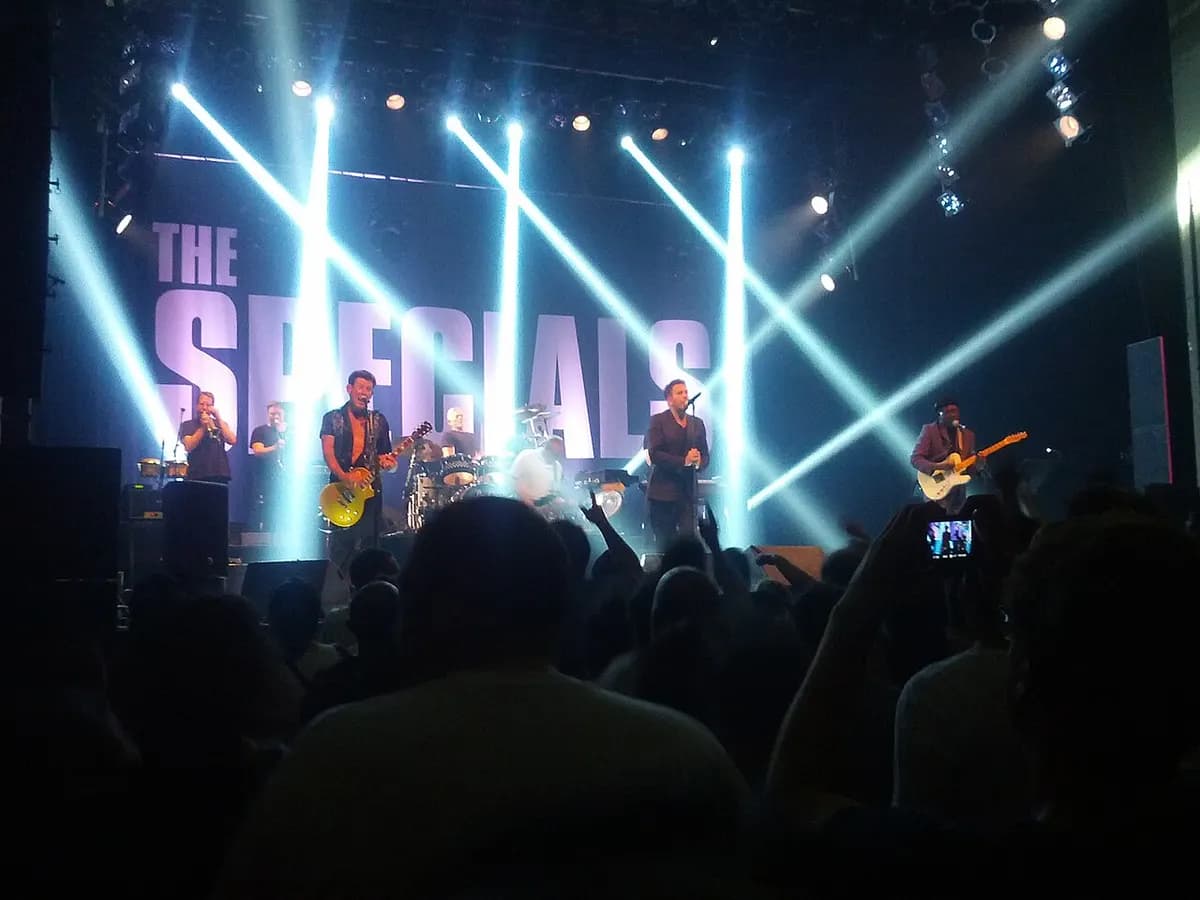
Ska crossed the Atlantic with Jamaican emigrants and enjoyed a huge second life in Britain. In 1979–1981 the 2 Tone movement, centred on Coventry's 2 Tone Records (founded by Jerry Dammers of The Specials), fused ska with the energy of punk, with racially mixed bands and a black-and-white checkerboard look. A third wave followed in the United States in the 1990s, blending ska with punk and pop and reaching mainstream radio.
Key Characteristics & Sound
You can usually identify ska by these traits:
- Tempo: typically 130–160 BPM, noticeably faster than reggae.
- The skank: a staccato guitar or piano chord chopped on the offbeat, the most recognisable ska feature.
- Bassline: a walking bass taken from jazz and jump blues, moving through every chord change.
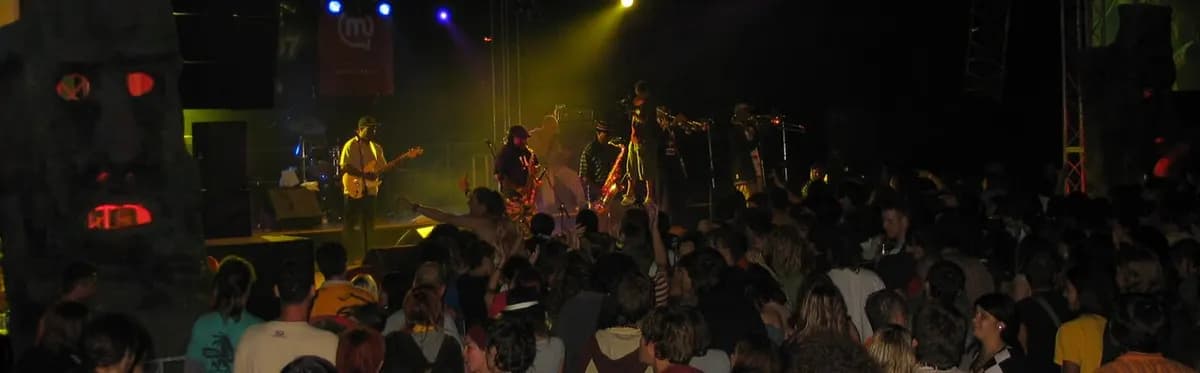
- Horns: trumpet, trombone and saxophone carrying melodies, riffs and solos.
- Drums: a shuffle in 4/4 with the bass drum and the snare's side-stick accenting beat three, an idea reggae's "one drop" later built on.
- Mood: bright and up-tempo, made for the dance floor.
If a track bounces along at a quick clip with a chopped offbeat guitar and a lively horn line, you're almost certainly hearing ska. Tempo and mood shift across its three waves:
| Style | Typical BPM | Feel |
|---|---|---|
| First-wave (Jamaican) Ska | 140–160 | Jazzy, brassy, shuffling |
| Ska-Jazz / Instrumental | 130–150 | Improvised, solo-led, swinging |
| 2 Tone | 150–180 | Punk energy, urgent, political |
| Third-wave / Ska Punk | 160–200 | Fast, distorted guitars, mosh-ready |
| Traditional Revival | 130–150 | Retro, faithful to the 1960s |
Instruments & Production
Ska is a live band genre that came out of the jazz and R&B ensembles of early-1960s Jamaica. Its core toolkit:
- Electric guitar: played almost entirely as short, muted offbeat upstrokes, the "chk" of the skank.
- Piano / organ: often doubling the offbeat chop, adding rhythmic drive and harmony.
- Bass: upright or electric, walking through the chord changes with a jazzy, propulsive feel.
- Horn section: trumpet, trombone and tenor sax, which carry the tunes in classic ska, from tight riffs to loose solos.
- Drum kit: a shuffling, snare-forward pattern that keeps the dancers moving.
Production in the original Jamaican era was raw: bands were recorded live to tape at studios like Studio One with few overdubs, and the records were pressed for sound-system play. 2 Tone and third-wave bands kept the live-ensemble format but borrowed punk's louder, more distorted guitars and faster, gang-vocal energy. The one constant across sixty years is the offbeat chop. Strip everything else away and that upstroke still says "ska."
Subgenres & Waves of Ska
Ska has come in distinct waves:
- First-Wave (Jamaican) Ska: the original early-1960s sound, jazzy, horn-led and shuffling, as played by The Skatalites.
- 2 Tone: the late-1970s British revival that fused ska with punk; faster, and often openly political.
- Third-Wave Ska (Ska Punk): the 1990s American blend of ska with punk and pop, with distorted guitars and mainstream appeal.
- Ska-Jazz: instrumental ska that foregrounds improvisation and long horn solos.
- Ska-Core: a heavier hybrid of ska with hardcore punk and metal.
- Traditional / Revival Ska: modern bands playing faithfully in the 1960s Jamaican style.
Each wave sits close to its neighbours: first-wave ska borders reggae through rocksteady, while 2 Tone and ska punk lean hard into rock and punk energy.
Ska vs Rocksteady vs Reggae
Ska, rocksteady, and reggae are three stages of the same Jamaican lineage, and they share the offbeat chop. The differences are mostly tempo, weight, and mood:
| Trait | Ska | Rocksteady | Reggae |
|---|---|---|---|
| Era | Late 1950s–1966 | 1966–1968 | 1968 onward |
| Tempo | 130–160 BPM | ~110–130 BPM | 60–90 BPM |
| Feel | Fast, brassy, joyful | Slower, romantic, cool | Deep, heavy, spiritual |
| Emphasis | Horns & offbeat guitar | Bass & vocals | Bass & the 'one drop' |
| Mood | Celebratory dance | Smooth and soulful | Meditative, message-driven |
Notable Artists & Tracks
Foundational and influential ska acts across the waves include:
- The Skatalites: "Guns of Navarone," which reached the UK Top 40 in 1967, two years after the band split.
- Prince Buster: "Madness" and "Al Capone"; Madness took their name from the first.
- Desmond Dekker: "Israelites," the first Jamaican-produced UK No. 1 (April 1969), from the turn from rocksteady to reggae.
- The Specials: "A Message to You Rudy" (1979), "Ghost Town" (1981), the band behind the 2 Tone label.
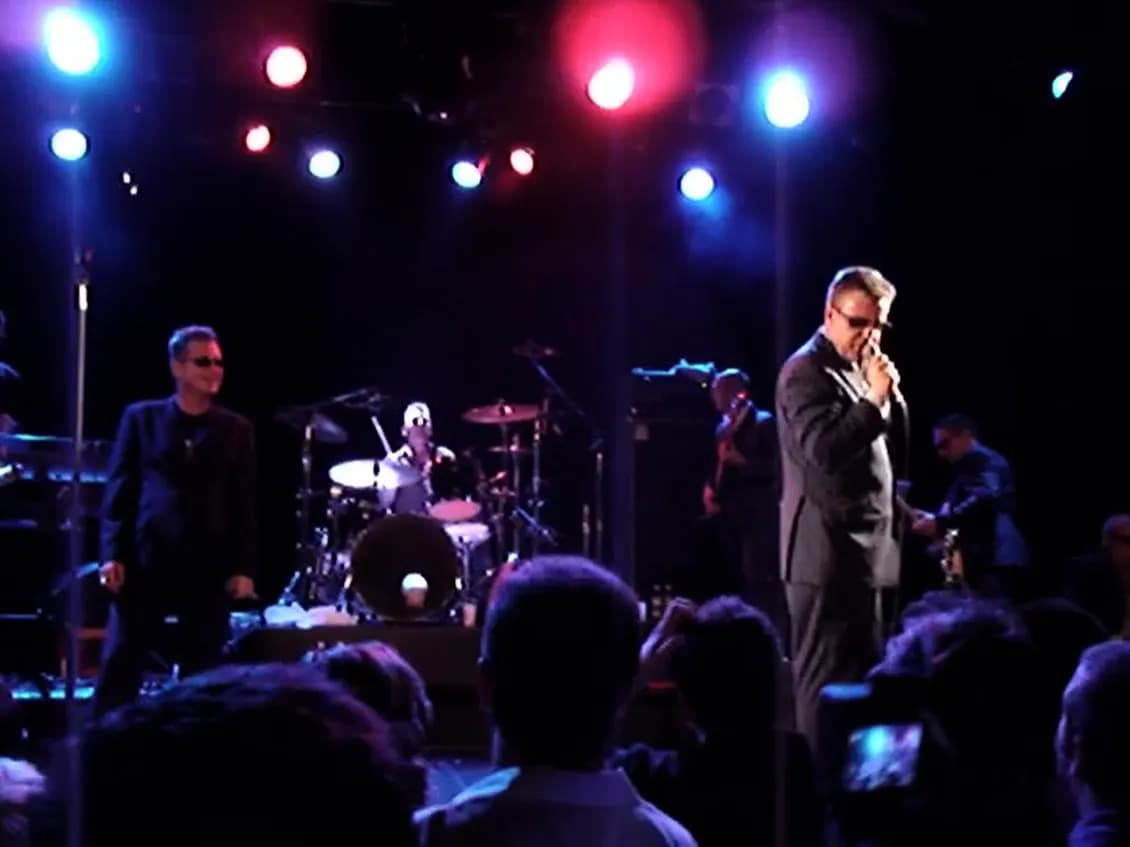
- Madness: "One Step Beyond" (1979), then pop hits such as "Our House" (1982).
- The Selecter and The Beat (The English Beat): both released early singles on 2 Tone.
- The Mighty Mighty Bosstones: "The Impression That I Get" (1997), third-wave ska punk.
- Reel Big Fish and Less Than Jake: 1990s American ska punk.
Start with "Guns of Navarone," "A Message to You Rudy," and "The Impression That I Get" to hear the genre travel from 1960s Kingston to 1990s America.
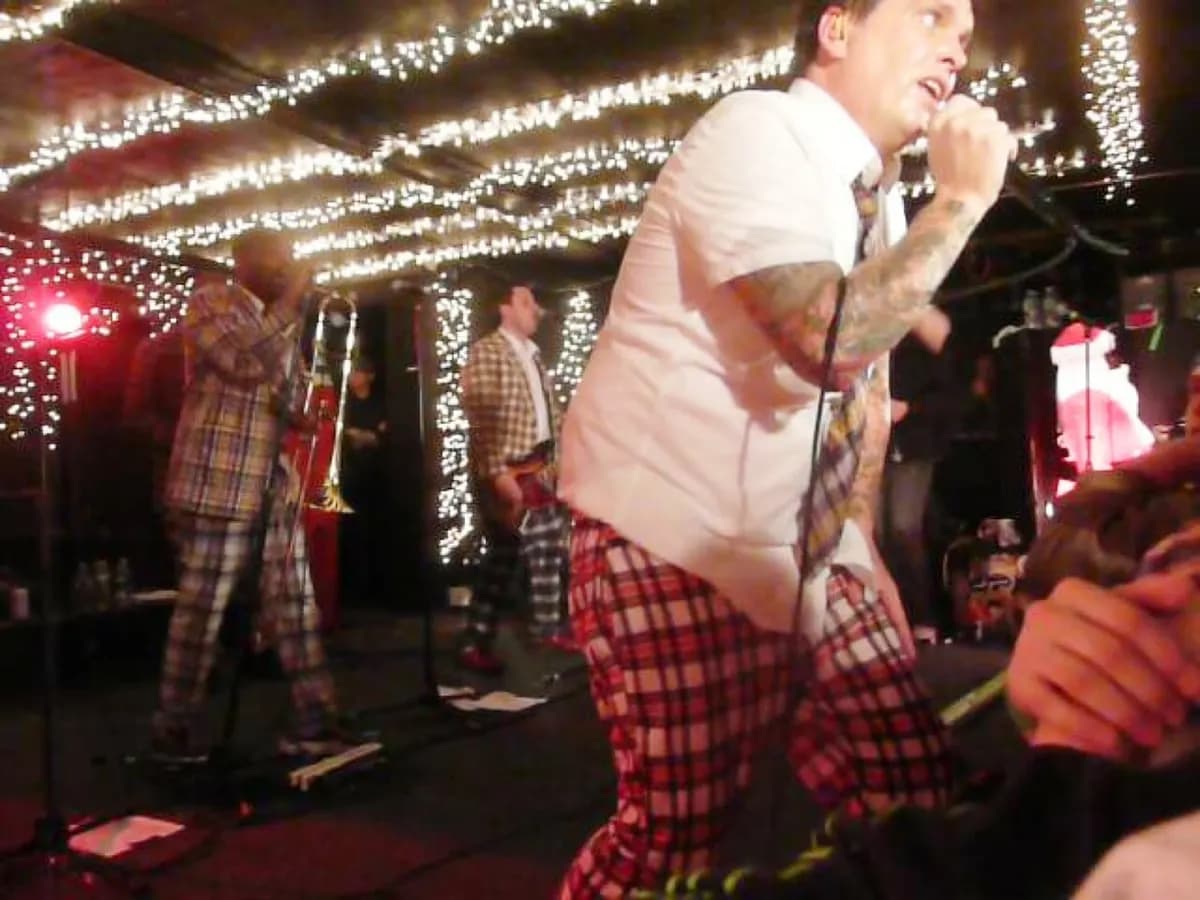
How AI Detects Ska Music
A model hears ska through its rhythm and timbre: the staccato offbeat chop, a walking bassline, a bright horn section, and a tempo of 130–160 BPM, well above reggae's. Genre AI's live model scores a clip against a few dozen genre labels, and because ska sits so close to rocksteady and reggae, the result is a ranked list with several close scores, not one verdict.
See for yourself: launch the Genre AI music genre detector, give it a few seconds of audio, and compare how a brassy first-wave ska instrumental and a slow reggae groove score. If you want the theory underneath that call, read our breakdown of how AI music genre detection works.
Genre AI's live model has no separate Ska label, so ska reaches it through the Reggae family: the chopped offbeat guitar is the cue that points there, and the fast tempo and live horns are what set it apart from slower reggae. Pile on distorted guitars and gang vocals and the reading moves toward Punk, which is where most ska punk ends up. Those near-neighbour scores ride alongside the top result, so you can see how close a call it was.