
Punk rock is a fast, stripped-down style of rock built on overdriven power chords, short songs, and a do-it-yourself attitude that rejects polish and virtuosity. Most punk runs at 150–200 BPM, with three-chord riffs, shouted vocals, and tracks that are often over in under three minutes. It came out of New York and London in the mid-1970s, through bands such as the Ramones, the Sex Pistols, and The Clash, and it convinced a generation of teenagers that they could start a band without lessons or a record deal.
This guide covers what punk actually is, where it came from, how to spot it by ear, the instruments and approach that define it, its major subgenres, how it differs from mainstream rock and metal, and the bands worth knowing. Not sure whether a track counts as punk? The free AI music genre detector listens for buzzsaw guitar, a fast tempo, and shouted vocals, and names the style in seconds.
What Is Punk Rock?
Punk rock is rock music cut down to its fastest, most direct form. A typical punk song uses two or three power chords, a steady downstroke guitar attack, a hard backbeat, and vocals that are shouted or sneered. Songs are short, often 90 seconds to two-and-a-half minutes, and arrangements are deliberately simple. Where 1970s arena rock prized long solos and studio gloss, punk prized energy, attitude, and economy.
Just as important as the sound is the DIY ("do it yourself") ethos. Punk grew out of the idea that you didn't need formal training, expensive gear, or a major label to make music; three chords and something to say were enough. Bands self-released singles, ran their own fanzines, and played small clubs. Many fans treat that anti-commercial stance as just as important as the guitar sound.
History & Origins
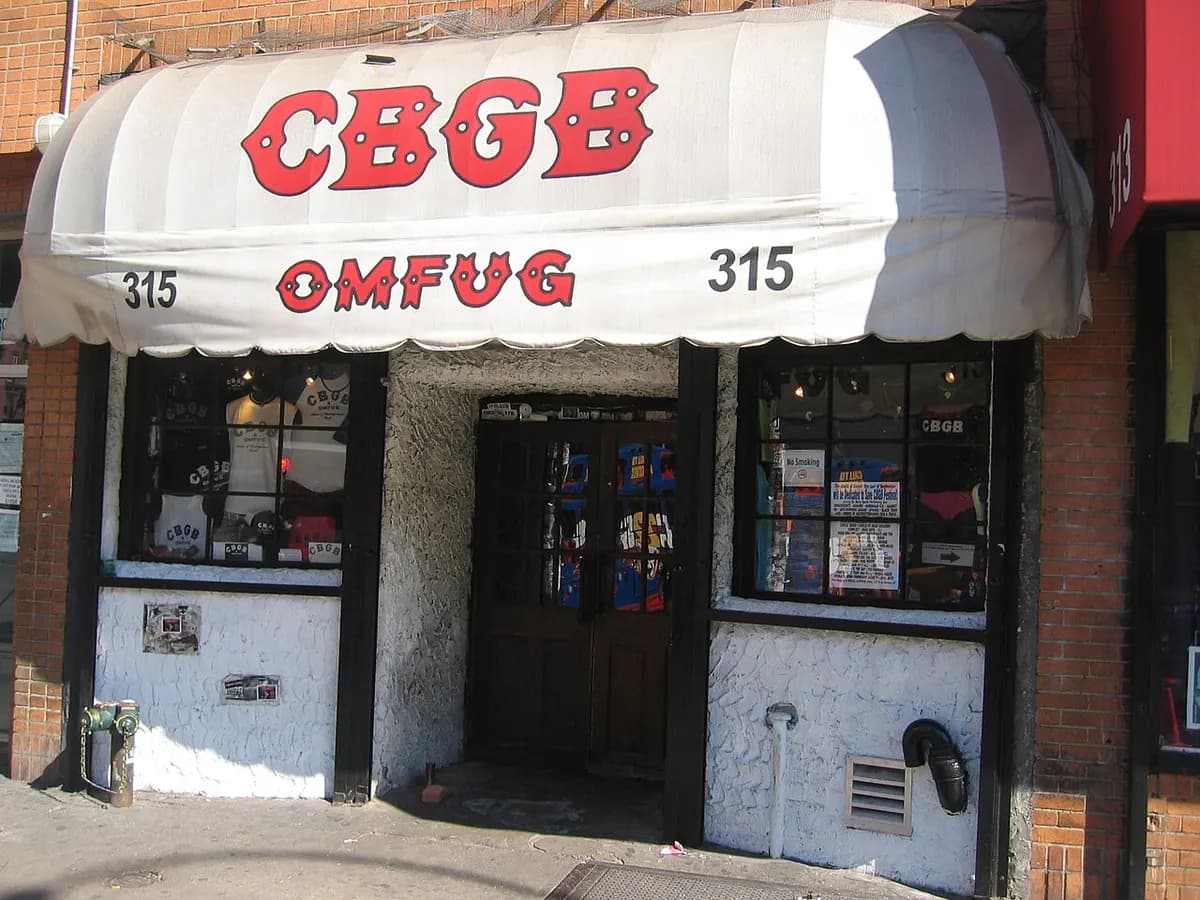
Punk rock took shape in the mid-1970s on two scenes at once: New York City and London. Its roots reach back into late-1960s garage rock and proto-punk acts like the Stooges, MC5, and the Velvet Underground, plus the glam and pub-rock scenes. By 1974–1975, bands playing the New York club CBGB, among them the Ramones, Television, Patti Smith, and Blondie, were stripping rock back to basics in reaction to the long, polished arena rock of the time.
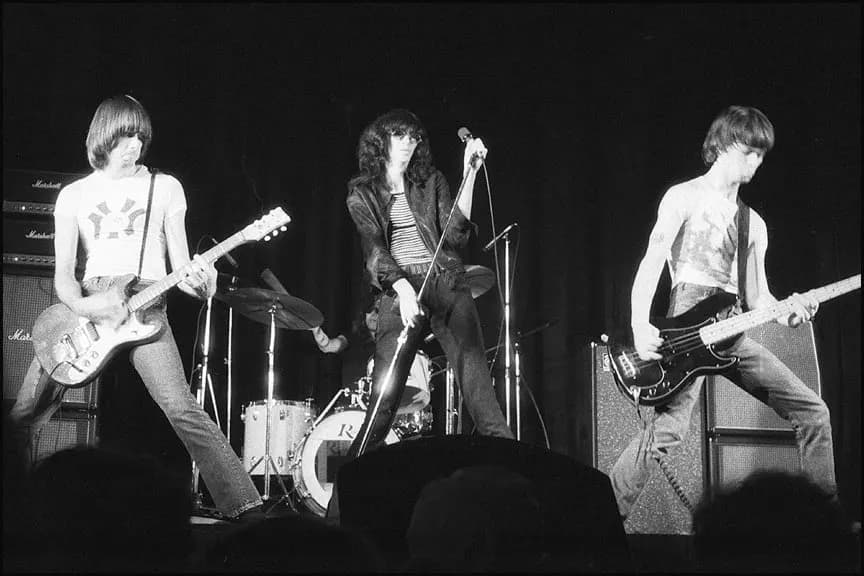
The Ramones are often credited as the first true punk band. Their self-titled April 1976 debut set the formula: short, fast songs built on buzzing downstroke power chords and catchy hooks, with "Blitzkrieg Bop" at roughly 177 BPM and most tracks under two-and-a-half minutes. Their first British show, at London's Roundhouse on 4 July 1976, is often cited as a spark for the London scene; members of the Clash came to their smaller gig at Dingwalls the next night.
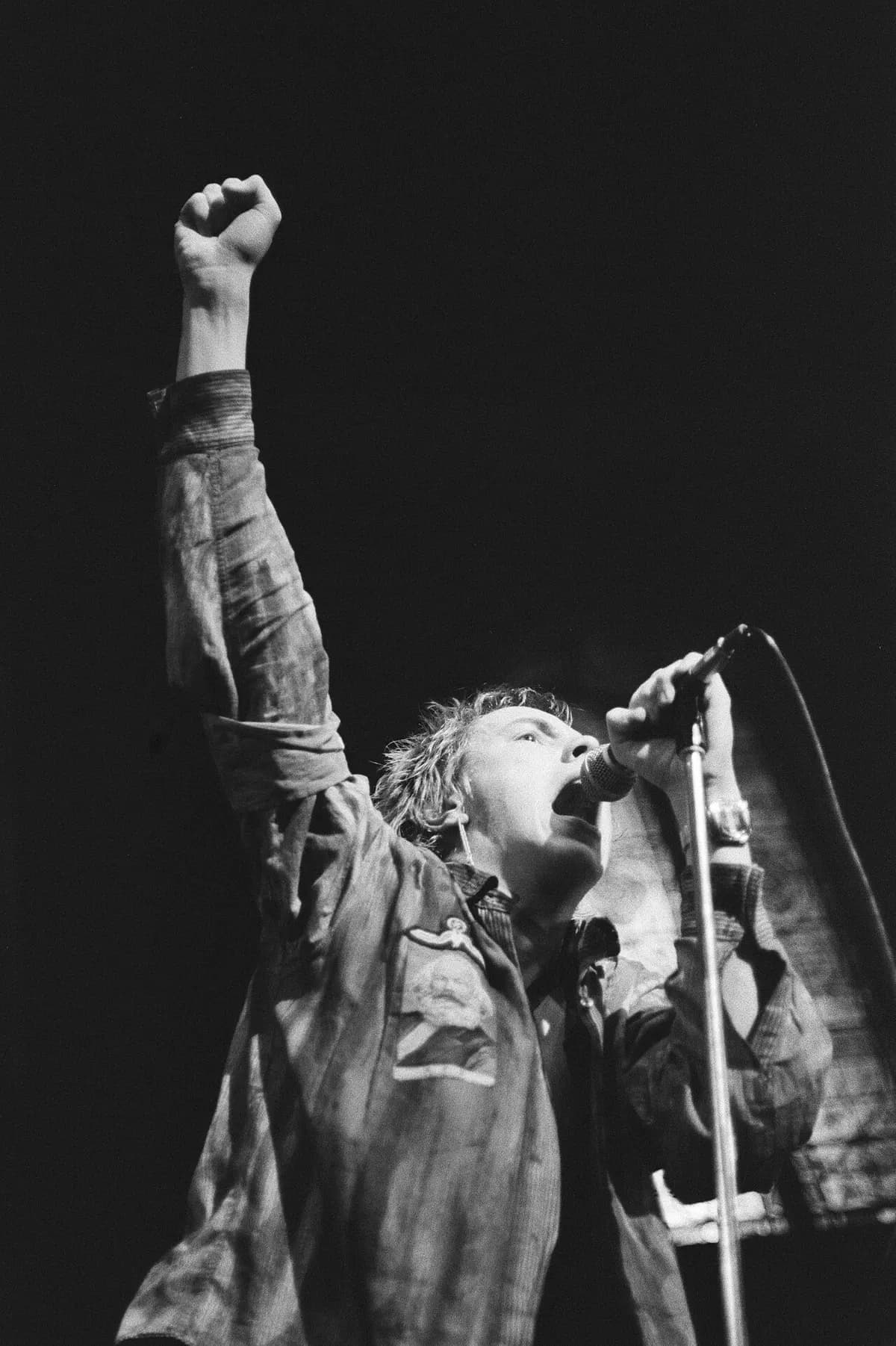
In Britain, punk became front-page news. The Sex Pistols, managed by Malcolm McLaren, used shock and provocation to get headlines: their debut single "Anarchy in the U.K." came out in November 1976, and their swearing on the Today TV show that December made the tabloids. "God Save the Queen" and "Pretty Vacant" followed in 1977. The Clash brought political bite and musical breadth, soon folding reggae, dub, and rockabilly into their punk. By 1977 the genre had spread across the UK and beyond, and its DIY model (start a band, press a single, run a fanzine) outlasted most of the bands.
Key Characteristics & Sound
You can usually identify punk by these traits:
- Tempo: fast, typically 150–200 BPM. First-wave records vary: "Anarchy in the U.K." sits around 133 BPM, "Blitzkrieg Bop" near 177, and hardcore often goes past 200.
- Guitar: overdriven, distorted power chords played with a steady downstroke "buzzsaw" attack; rhythm matters more than melody, and extended solos are rare.
- Structure: short songs, often under three minutes, built on two or three chords with simple verse–chorus forms.
- Vocals: shouted, sneered, or chanted; attitude counts for more than range.
- Rhythm: a hard backbeat, often with straight eighth notes on the hi-hat or a galloping kick pattern that adds to the sense of speed.
- Sound: raw and unpolished on purpose.
If a track feels like it's racing, leans on a wall of distorted downstroke chords, and the singer is shouting more than singing, all in barely two minutes, you're almost certainly hearing punk. Tempo and intensity shift noticeably across its subgenres:
| Subgenre | Typical BPM | Feel |
|---|---|---|
| Original / '77 Punk | 150–180 | Raw, snotty, anthemic |
| Pop-Punk | 150–190 | Catchy, melodic, upbeat |
| Hardcore Punk | 180–250+ | Faster, harder, aggressive |
| Skate Punk | 180–220 | Fast, melodic, juvenile |
| Oi! | 140–170 | Chant-along, street, gritty |
| Post-Punk | 120–160 | Angular, dark, experimental |
Instruments & Approach
Punk is a guitar-band genre, and its toolkit is intentionally minimal:
- Overdriven electric guitar: the centre of the sound, with distorted power chords played in rapid downstrokes. There are few solos; the rhythm guitar is the riff.
- Electric bass: simple, driving root-note lines that lock to the kick and push the song forward, occasionally stepping forward as melody in post-punk.
- Drums: fast and hard-hitting, with a heavy backbeat and quick fills; hardcore drummers in the 1980s helped develop the "blast beat" later taken up by grindcore and metal.
- Vocals: shouted, sneered, or chanted, often delivered with a sing-along chorus the crowd can yell back.
Gear matters less than attitude: a beginner with a cheap guitar, a borrowed amp, and three chords can make a real punk record. In January 1977 the fanzine Sideburns printed three chord diagrams captioned "This is a chord, this is another, this is a third. Now form a band." The drawing is often wrongly credited to Sniffin' Glue. Punk records are rough on purpose, and fans hear the rawness as part of the music.
Subgenres of Punk
Punk split into offshoots within a few years. The main ones:
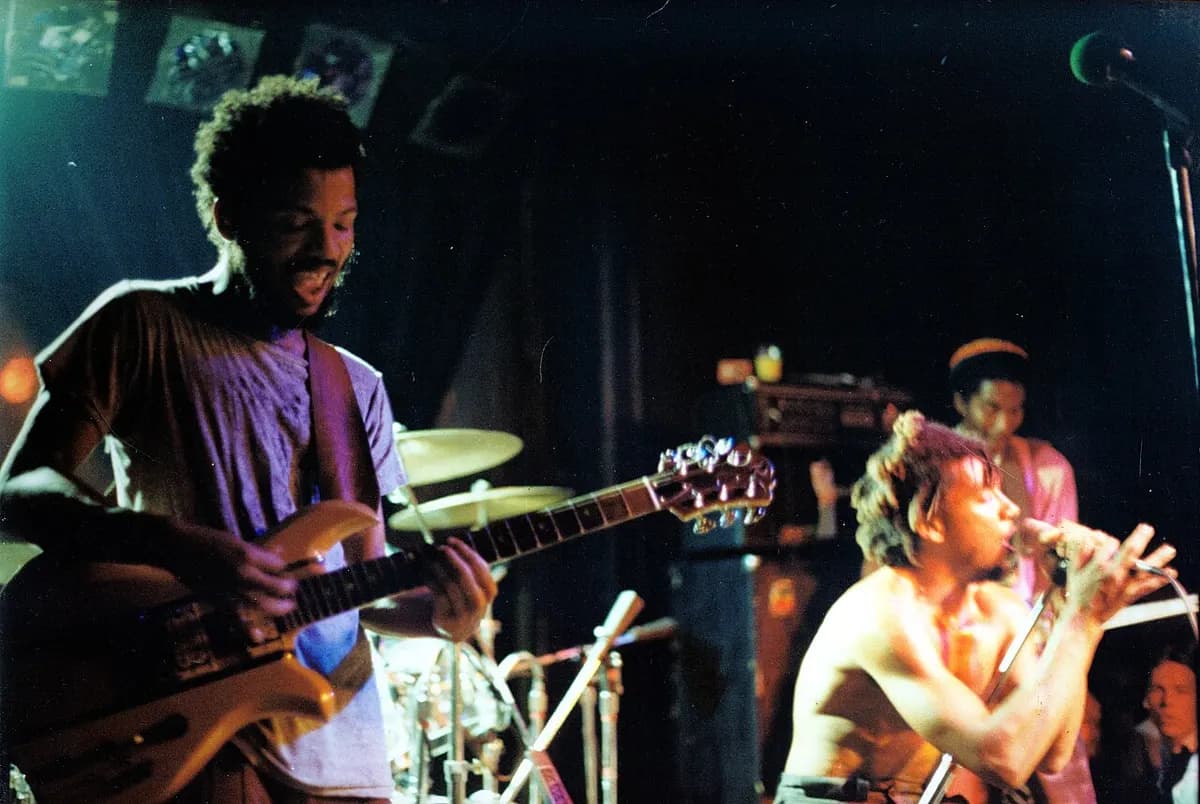
- Hardcore Punk: faster, harder, and more aggressive, developed by US bands like Black Flag, Bad Brains, and Minor Threat in the late 1970s and early 1980s.
- Pop-Punk: punk pace and power chords with big melodic choruses; Green Day, The Offspring, and blink-182 took it to the mainstream in the 1990s.
- Post-Punk: a more experimental, atmospheric branch from the late 1970s, often darker and bass-driven (Joy Division, Gang of Four, Wire).
- Oi!: street-level, working-class punk built around chant-ready choruses and collective sing-alongs (Cock Sparrer, Sham 69, the Cockney Rejects).
- Skate Punk: fast, melodic punk tied to skate culture, with bright power chords and palm-muted riffs; popularised in the 1990s by NOFX, Pennywise, and Lagwagon.
- Melodic Hardcore: hardcore's speed and force tempered with melody and dynamics.
- Ska Punk: punk fused with upstroke ska rhythms and horns (Operation Ivy, Rancid, Less Than Jake).
- Anarcho-Punk & Crust: openly political and, in crust's case, heavier (Crass for anarcho-punk; Discharge, whose D-beat style fed into crust).
Several of these blur into neighbouring genres: hardcore and crust border metal, post-punk borders indie rock, and the whole family stays rooted in rock.
Punk vs Rock vs Metal
Punk, mainstream rock, and metal all share electric guitars and a rock backbone, but they pull in different directions on speed, complexity, and intent:
| Trait | Punk | Rock | Metal |
|---|---|---|---|
| Tempo | 150–200+ BPM | 100–140 BPM | Wide: 60–200+ BPM |
| Song length | Short (1–3 min) | Standard (3–5 min) | Often long (4–8+ min) |
| Guitar | Power chords, downstrokes | Riffs + solos | Heavy riffs, virtuoso solos |
| Musicianship | Simple, anti-virtuosic | Skilled, song-focused | Highly technical |
| Vocals | Shouted, sneered | Sung, melodic | Sung to screamed/growled |
| Ethos | DIY, anti-establishment | Mainstream, broad appeal | Power, intensity, craft |
Notable Bands & Tracks
Foundational and influential punk acts include:
- Ramones: "Blitzkrieg Bop," "Sheena Is a Punk Rocker"; the template for fast, hooky punk.
- Sex Pistols: "Anarchy in the U.K.," "God Save the Queen"; the band that put UK punk in the tabloids.
- The Clash: "White Riot," "London Calling"; political lyrics and a wide musical range.
- Black Flag & Minor Threat: early US hardcore from Los Angeles and Washington, D.C.
- Dead Kennedys: "Holiday in Cambodia" (1980); satirical San Francisco hardcore.
- Green Day, The Offspring, blink-182: pop-punk's 1990s breakthrough.
- Bad Religion, NOFX, Rancid: the core of the 1990s Epitaph and Fat Wreck Chords scene.
Start with "Blitzkrieg Bop," "God Save the Queen," and "London Calling" to hear the genre's first wave, then jump to Green Day's "Basket Case" (1994) to follow it into the mainstream.
Punk Around the World & Today
From New York and London, punk spread widely. US hardcore grew in Washington D.C., Los Angeles, and Boston; the UK produced Oi! and anarcho-punk; and scenes formed across Europe, Latin America, and Japan, each with its own politics. Because a fanzine and a self-released single cost little, punk could start anywhere a few teenagers had instruments.
In the 2020s punk's influence often shows up without the label. Pop-punk returned to the charts with Machine Gun Kelly's Tickets to My Downfall (2020) and Olivia Rodrigo's "Good 4 U" (2021); emo, post-hardcore, and much indie rock grew out of punk; and the DIY habits of self-releasing and self-promoting are now how most independent musicians work. Fifty years after the Ramones' debut, the short three-chord song is still a common starting point for new bands.
How AI Detects Punk
An AI genre detector pins down punk by listening for a very specific cluster of cues: a fast tempo in the 150–200 BPM band, dense walls of overdriven power chords with that downstroke "buzzsaw" texture, short song lengths, and raw, shouted vocals with little melodic smoothing. Punk overlaps with rock and metal, so no single trait decides it; the model turns the audio into a feature profile and weighs the whole cluster before it makes a call.
That overlap is also why a punk verdict comes back as a spread of confidence scores across neighbouring styles instead of one flat tag, which helps when a track sits between hardcore and pop-punk. Want to put a song to the test? Pull up the Genre AI music genre detector, give it a brief clip, and within a couple of seconds it will report how strongly the track reads as punk. Curious about the engine doing the listening? Walk through how AI music genre detection works.
Across our own test clips, Genre AI's model locks onto Punk most decisively when a breakneck tempo (roughly 160–190 BPM) meets a thick bed of distorted downstroke power chords and shouted vocals packed into a song that's over in under three minutes. As the tempo climbs past 200 BPM and the attack turns more abrasive, the weighting tips toward Hardcore Punk; when the choruses brighten into singable hooks, Pop-Punk rises instead. Those competing pulls are the whole point of reading punk as a spectrum of nearby styles, with the scores showing exactly where a track sits along it.