
Opera is drama sung throughout, performed by trained voices over an orchestra without amplification. It was invented in Florence around 1600 by writers and musicians trying to recreate ancient Greek theatre, and it grew into the largest-scale form in Western classical music, with singers, orchestra, chorus, sets and often dancers on one stage.
This guide covers what opera is, its four centuries of development from Monteverdi to the present, how voice types and their repertoire work, how an unamplified singer can be heard over eighty players, and which works to start with. Curious how a model handles an operatic voice? Play a few seconds into our free AI music genre detector.
What Is Opera?
An opera is a staged dramatic work in which the text, the libretto, is sung throughout to orchestral accompaniment. The music alternates between recitative, which carries dialogue and plot at a speech-like pace, and arias, self-contained songs where a character stops to express a state of mind. Around those sit ensembles, choruses and purely orchestral passages, including the overture.
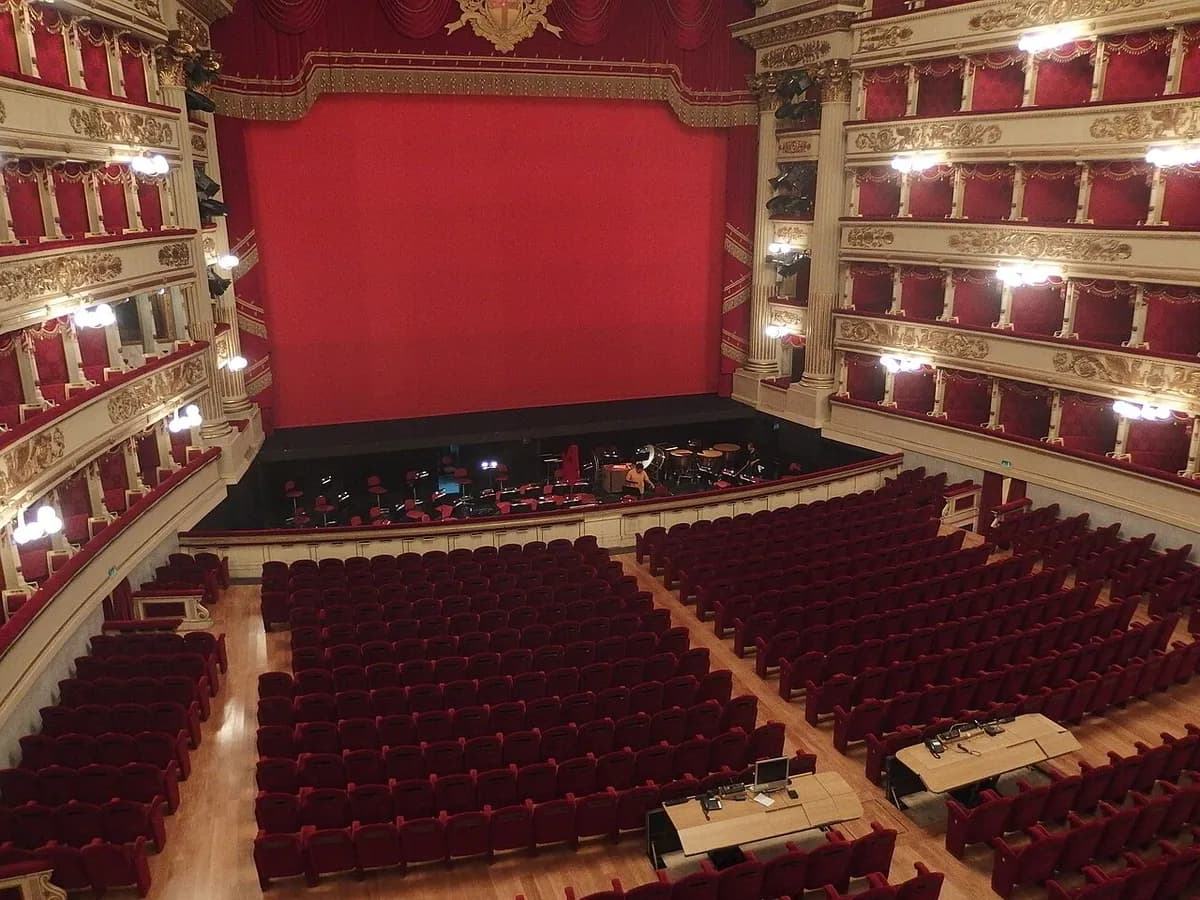
What sets opera apart from other sung theatre is the trained voice. Operatic singing is a technique built up over centuries and taught over years. In male and lower female voices it produces a cluster of resonance around 2.5–3 kHz, often called the "singer's formant", which helps a single unamplified voice carry over a full orchestra to the back of a house seating 2,000 to nearly 4,000 people; sopranos singing high reach the same goal mainly by tuning their vocal resonances to the pitch they sing. Modern musicals are amplified; opera, with rare exceptions, is not, and that constraint shapes both how the music is written and how opera houses are built.
History & Origins
Opera was invented on purpose. In late 16th-century Florence a circle of intellectuals, the Camerata, argued that ancient Greek drama had been sung, and composers in their orbit set out to revive it. Jacopo Peri's Dafne (1597–98, now lost) and Euridice (1600) were the first attempts; Claudio Monteverdi's L'Orfeo (1607) is the earliest that is still regularly performed.
The form then developed in waves. In the eighteenth century it divided into serious opera seria and comic opera buffa. Handel wrote some of the most performed opera seria, while Mozart's Le nozze di Figaro (1786), Don Giovanni (1787) and Die Zauberflöte (1791) mixed comedy and seriousness in the same score. The early nineteenth century brought bel canto ("beautiful singing"): Rossini, Donizetti and Bellini writing long, ornamented lines for highly agile voices.
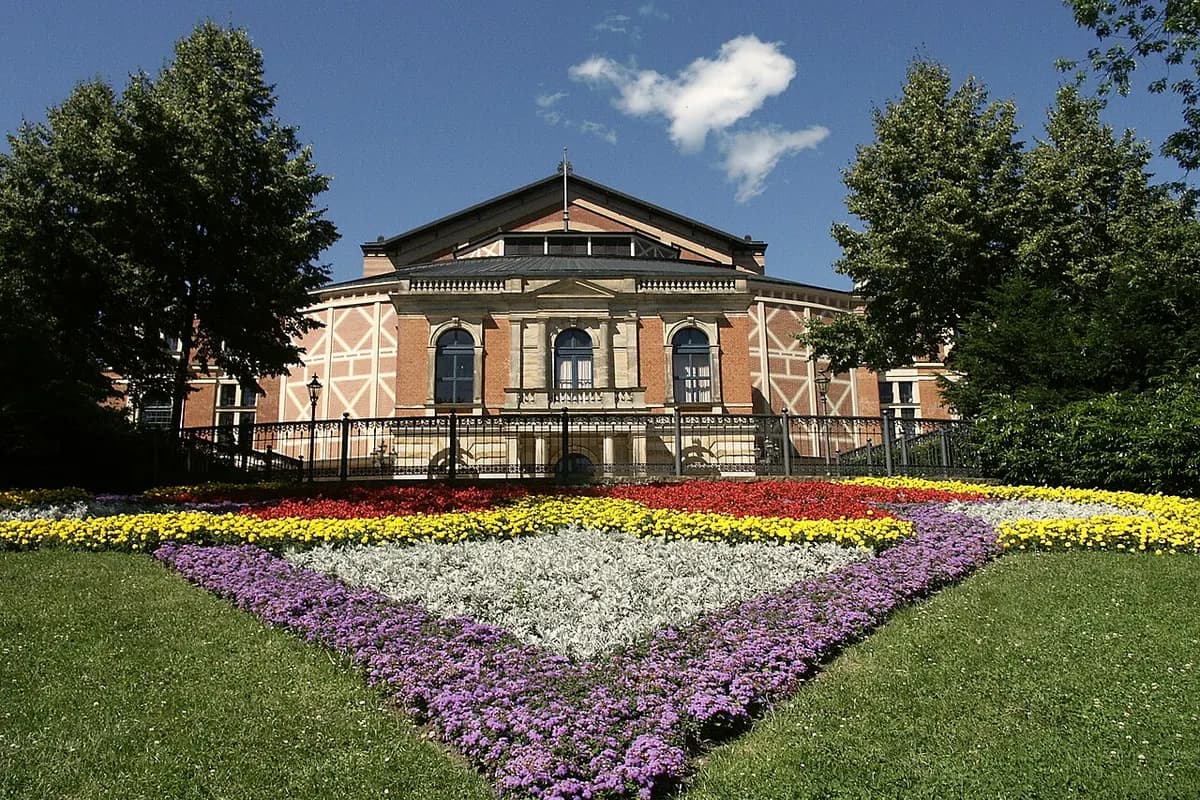
Two composers born in 1813 dominated the later nineteenth century and were set against each other by critics. Giuseppe Verdi built Italian opera around melody and dramatic character in Rigoletto, La traviata, Aida and Otello. Richard Wagner rebuilt the form as Gesamtkunstwerk, the "total artwork": continuous music without separable arias, leitmotifs that identify characters and ideas, and a four-opera cycle, Der Ring des Nibelungen, lasting some fifteen hours.
Around 1890 came verismo, realist opera about ordinary people and violent passions, with Mascagni's Cavalleria rusticana, Leoncavallo's Pagliacci and, in a broader sense, Giacomo Puccini, whose La bohème, Tosca and Madama Butterfly are still among the most performed operas in the world. The twentieth century went in many directions: Strauss, Berg's atonal Wozzeck, Britten's English-language works, and later the minimalist operas of Philip Glass and John Adams. Opera houses still commission new work, and since December 2006 the Metropolitan Opera's "Live in HD" broadcasts have shown performances in cinemas around the world.
Voice Types & Fach
Opera classifies singers by weight, colour and agility as well as by range, a system known in German as Fach. A role written for a light, agile soprano is rarely given to a heavy dramatic one, even though both are sopranos, and teachers warn that singing roles too heavy for a voice too early can damage it.
The main categories, from highest to lowest:
| Voice | Range (approx.) | Character type | Example role |
|---|---|---|---|
| Coloratura soprano | C4–F6 | Agile, brilliant, high | Queen of the Night (Die Zauberflöte) |
| Lyric soprano | C4–D6 | Warm, romantic lead | Mimì (La bohème) |
| Dramatic soprano | B3–C6 | Powerful, tragic | Turandot, Brünnhilde |
| Mezzo-soprano | G3–A5 | Seductress, rival, trouser roles | Carmen |
| Countertenor | G3–E5 | Baroque heroes, early music | Giulio Cesare |
| Tenor | C3–C5 | Romantic lead | Rodolfo (La bohème) |
| Baritone | A2–A4 | Antagonist, father, authority | Rigoletto |
| Bass | E2–E4 | Kings, priests, villains | Sarastro (Die Zauberflöte) |
Key Characteristics & Sound
What identifies opera by ear:
- Unamplified trained voices: a specific resonance and a regular vibrato that carry over an orchestra.
- Orchestra: full symphonic forces in the pit, from Mozart-sized ensembles to Wagner's expanded orchestra.
- Language: most commonly Italian, German, French or Russian; singing in the original language with surtitles is now standard practice.
- Structure: recitative, aria, ensemble, chorus and orchestral interludes across one to five acts.
- Dynamic range: extremely wide, from a single quiet voice to full chorus and orchestra.
- Duration: two to four hours is typical; the four operas of Wagner's Ring add up to about fifteen.
- No amplification: the technical constraint behind both the singing style and the architecture of the houses.
Styles & Related Forms
Opera contains many distinct traditions:
- Opera seria: eighteenth-century serious opera on mythological or historical subjects (Handel).
- Opera buffa: comic opera with contemporary characters (Rossini's Il barbiere di Siviglia).
- Bel canto: early nineteenth-century Italian style built on vocal agility and evenness of tone.
- Grand opéra: large-scale French works with ballet and spectacle (Meyerbeer).
- Music drama: Wagner's continuous, leitmotif-driven form.
- Verismo: realist Italian opera about ordinary people (Mascagni, Leoncavallo, Puccini).
- Operetta and musical theatre: the lighter relatives, with spoken dialogue between numbers.
- Contemporary opera: from Britten and Berg to Glass, Adams and today's commissions.
Essential Works & Singers
Where to start:
- Mozart: Le nozze di Figaro, Don Giovanni, Die Zauberflöte.
- Verdi: La traviata, Rigoletto, Aida.
- Puccini: La bohème, Tosca, Madama Butterfly.
- Bizet: Carmen (1875), the best-known French opera and a fixture of the most-performed lists.
- Wagner: Tristan und Isolde, Der Ring des Nibelungen.
- Rossini: Il barbiere di Siviglia.
- Monteverdi: L'Orfeo, where the surviving repertoire begins.
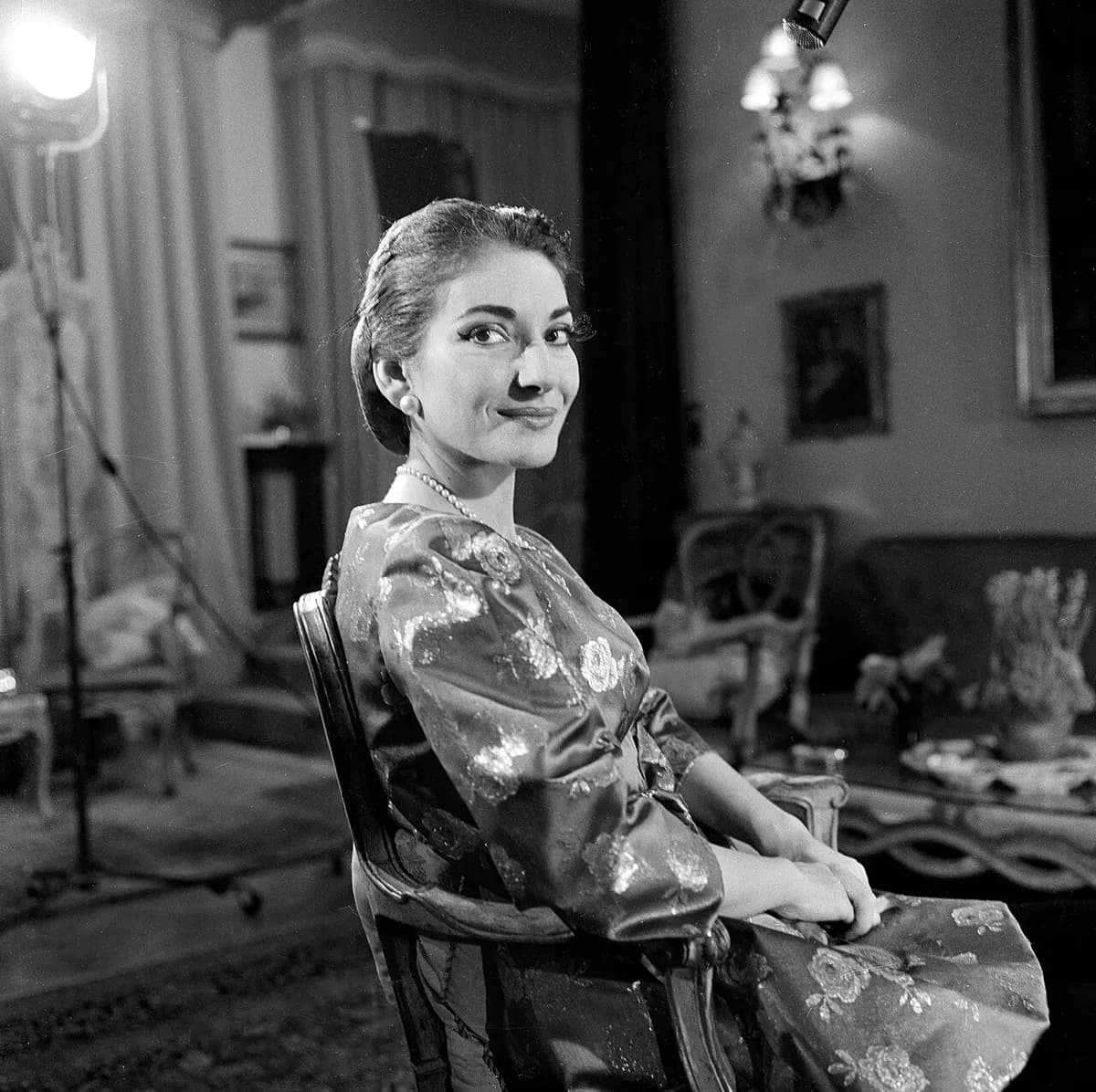
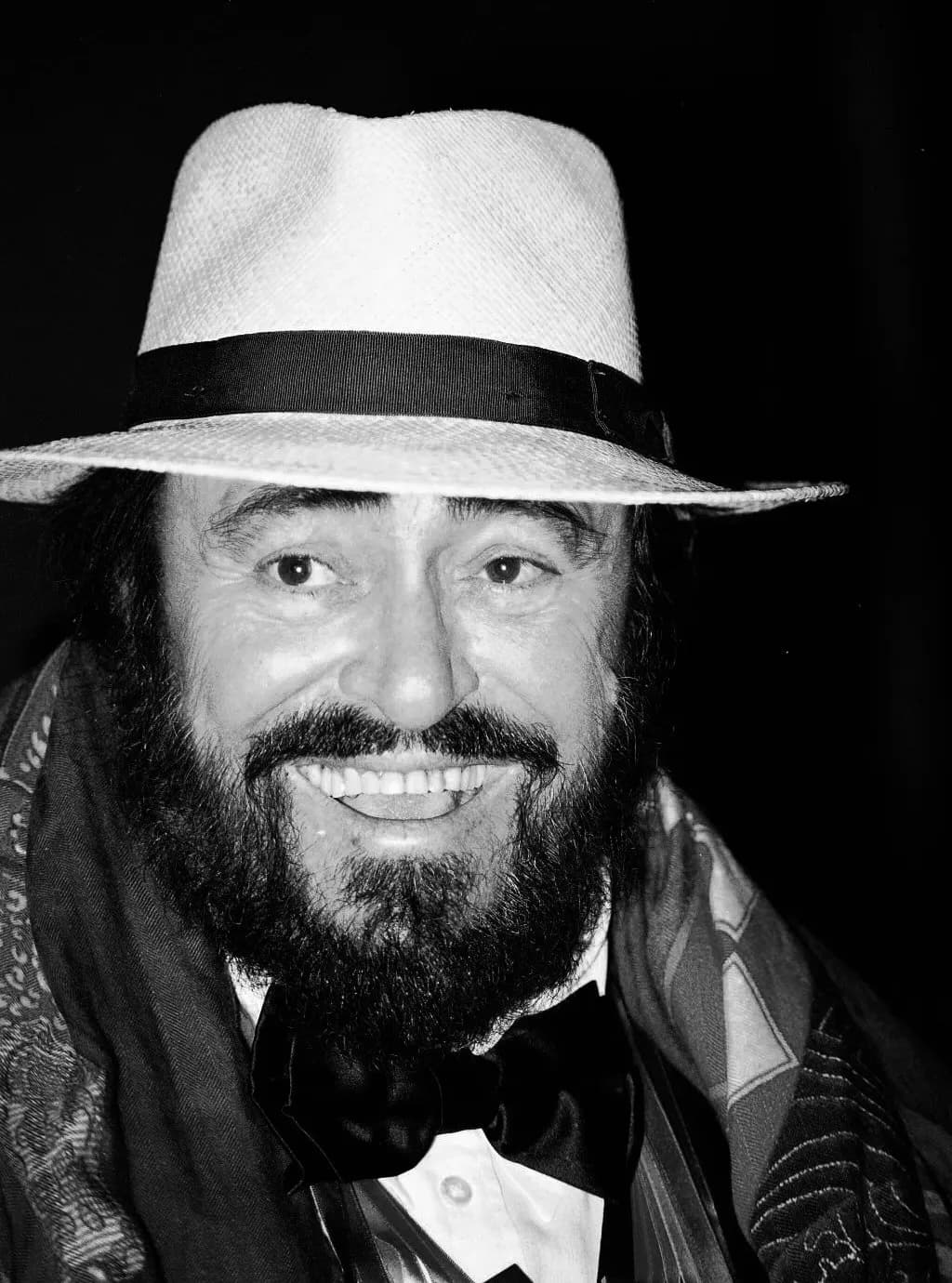
- Singers who shaped modern performance: Maria Callas, Luciano Pavarotti, Plácido Domingo, Jessye Norman, Cecilia Bartoli, Jonas Kaufmann, Anna Netrebko.
Start with La bohème, Carmen and Le nozze di Figaro: all three have tunes that stick on a first hearing and plots that are easy to follow.
How AI Detects Opera
The trained operatic voice has an audio signature that differs from most popular singing: a strong, regular vibrato at roughly 5–7 Hz, and in many voices the concentration of energy around 2.5–3 kHz known as the singer's formant, the mechanism that lets the voice cut through an orchestra. Pop singers use vibrato too, but rarely so continuously, and they seldom need the singer's formant because a microphone does that work.
Genre AI's production taxonomy has no label called Opera. The word "opera" and "operatic" are among the text descriptions of the fine label Modern Era, under the coarse Classical label, so an aria with orchestra is most likely to be read as Classical, and often as Modern Era within it, whatever century it was written in. Purely orchestral passages such as an overture or an interlude are likely to read as classical too, possibly under a different period label. Test recordings in the Genre AI music genre detector and read how AI music genre detection works for more.
In Genre AI, opera most likely comes back as Classical, and the fine label it is tied to is Modern Era, because that label's text prompts include "opera" and "operatic". The period name should not be taken literally: a Mozart aria may well be labelled Modern Era, or land on Classical Period or Romantic Period instead. Overtures, entr'actes and other instrumental stretches have no voice to go on and will be read as plain orchestral classical music, which is fair for that passage but says nothing about the work. Choral sections without soloists may drift toward the Gospel label (see Gospel), and the repetitive textures of minimalist opera may come back as Minimal or Ambient. Crossover singers with a pop backing track are a separate case: the beat and production point to Pop, while the voice points to Classical, and the taxonomy even lists "operatic pop" among Modern Era's descriptions, so either answer is plausible.