Riddim (often called riddim dubstep) is a minimal, repetitive style of dubstep built around one short, bouncy, heavily distorted bass phrase that loops through the drop with only small variations. It runs at dubstep tempo, usually 140–150 BPM with a half-time feel, typically in a triplet or swung rhythm, and strips out most melody so that groove and repetition carry the track. The style took shape in the UK, around Croydon, in the early 2010s and then became a staple of North American bass festivals.
The word needs one clarification. In Jamaican music a riddim is an instrumental backing track that many singers voice, a central idea in reggae and dancehall, and the same sense survives in grime. This page is about the dubstep subgenre that borrowed the name. For a side-by-side with the other loud dubstep branch, see our blog post Dubstep vs Brostep vs Riddim; to check how a drop reads to a machine, try our free AI music genre detector.
What Is Riddim?
Riddim is dubstep reduced to a loop. Where brostep packs a drop with constantly changing growls, screeches and fills, a riddim drop locks onto a single bass motif, often just two or three notes in a "dun-dun-dun" triplet rhythm, and repeats it bar after bar. Variation comes from small changes in the sound of the bass (a different filter, a new layer, a pitch bend), and the notes themselves barely change. On a dance floor the crowd nods, bounces or headbangs in time with the loop.
The drums are equally sparse. A typical riddim beat has a kick on the first beat, a heavy snare on the third (the dubstep half-time pattern), a few hi-hats and very little else. Melodic material is limited to short intros and breakdowns, and many tracks have no real chord progression at all.
The name nods to the Jamaican sound-system tradition that dubstep itself grew from, and to the idea of a stripped instrumental loop that can carry a whole dance. Fans sometimes use "riddim" loosely for any heavy, repetitive dubstep; in the scene it means this specific minimal, bounce-driven approach. Not everyone likes the word: the producer Infekt has argued for renaming the style "trench".
History & Origins
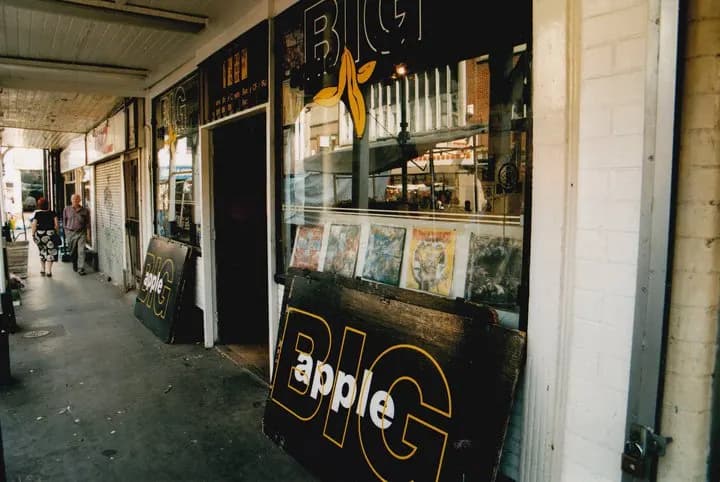
Dubstep began in South London in the early 2000s, with the Croydon record shop Big Apple Records as one of its meeting points, as a dark, spacious, sub-bass music close to dub reggae and garage. Around 2009–2011 a much louder, mid-range-focused style, usually called brostep, broke through in the US and the UK pop charts, built on "talking", screaming and rapidly changing bass sounds. Riddim went the other way. It revived the repetitive, wobble-based bass patterns of early dubstep and pushed them into a deliberately minimal, loop-driven style, using the louder mid-range sound design of the time.
Riddim emerged in the UK, specifically around Croydon, in the early 2010s. Many credit the producer Jakes as the first riddim artist, and Subfiltronik with establishing the sound as it is known today; Rusko had earlier written riddim-like basslines without being counted as part of the style. The scene grew through SoundCloud, YouTube channels and small labels, and producers such as Infekt and Oolacile helped spread it. Because riddim tracks are short, loud and easy to mix, DJs could play them in quick succession, which suited high-energy bass sets.
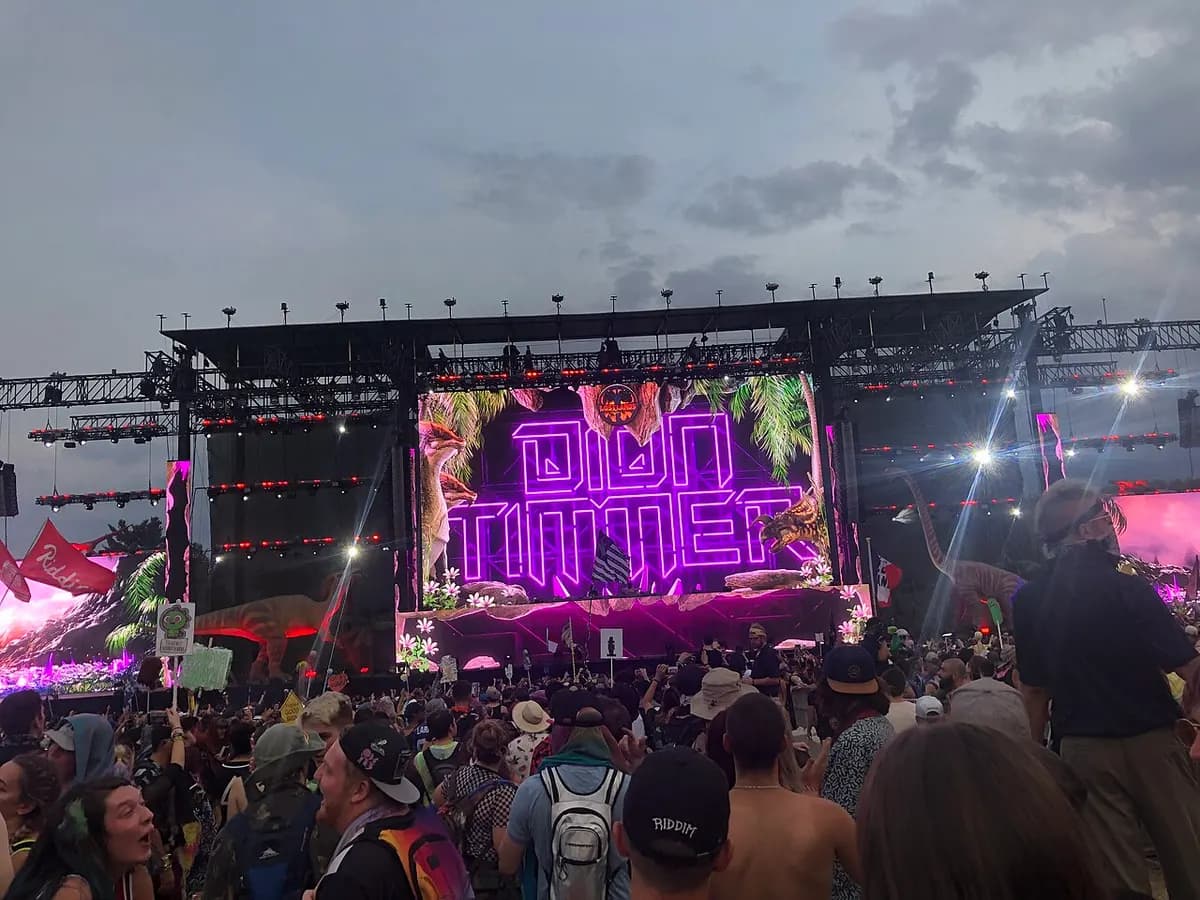
Riddim gained a mainstream presence from around 2015, and American producers and fans took up the term for what had been called "wonky" dubstep. Bass-focused events in North America booked riddim and riddim-influenced artists in large numbers; among them was Lost Lands, the festival the Canadian producer Excision launched at Legend Valley, Ohio, in 2017. A new generation of US producers built huge followings in the same circuit. Philadelphia's Subtronics became known through his mix series Now That's What I Call Riddim (2017–2020), although he has said the mixes themselves are not riddim. In 2018 an EP by the German producer Virtual Riot reached No. 11 on Billboard's Dance/Electronic Album Sales chart.
By the late 2010s riddim had spawned its own offshoots and reactions. Colour bass, a term coined by the producer Chime, added bright, melodic chord stabs to riddim-style rhythms; tearout pushed in the other direction, toward even harsher and more chaotic drops; and "melodic riddim" combined riddim loops with the emotional chords of melodic dubstep and future bass. Riddim has also drawn steady criticism for repetitive drops, and bass fans still argue over whether that repetition is hypnotic or formulaic.
Key Characteristics & Sound
What identifies a riddim track:
- Tempo: 140–150 BPM, the dubstep range, felt in half-time at 70–75 BPM.
- Rhythm: a triplet or swung bounce in the bass, often grouping notes in threes across the beat.
- Bass: one short, distorted, mid-range bass phrase looped through the drop, with small changes in timbre every few bars.
- Drums: minimal half-time pattern, with the kick on 1, big snare on 3, sparse hats and occasional fills.
- Melody and harmony: minimal or absent in the drop; intros may use eerie pads, simple leads or vocal samples.
- Structure: short intro, build-up, drop, short breakdown, second drop (often with a different bass sound or a "switch-up"), outro. Many tracks run three to four minutes.
- Samples: vocal shouts, film dialogue and occasional reggae or dancehall references, nodding to the name.
How riddim sits among the main dubstep branches:
| Trait | Riddim | Classic Dubstep | Brostep | Colour Bass |
|---|---|---|---|---|
| Emerged | Early 2010s | Early 2000s | Around 2009–2011 | Late 2010s |
| Tempo | 140–150 BPM (half-time) | 138–142 BPM (half-time) | 140–150 BPM (half-time) | 140–150 BPM (half-time) |
| Bass focus | Mid-range, looping, bouncy | Deep sub, space, wobble | Mid-range, constantly changing | Bass with bright chord stabs |
| Melody | Minimal | Sparse, dub-influenced | Varies; often big leads | Prominent, colourful chords |
| Repetition | Very high | Moderate | Low — constant switch-ups | Moderate |
| Mood | Hypnotic, heavy, bouncy | Dark, meditative | Aggressive, chaotic | Heavy but euphoric |
Production & Sound Design
Because riddim is so repetitive, the quality of a track lives in its sound design and mixdown:
- Wavetable and FM synthesis: most riddim basses are built in software synthesisers that let producers morph waveforms and add harmonic distortion.
- Resampling: a bass sound is recorded, processed and recorded again, creating gritty, layered tones; this technique is shared with neurofunk.
- Distortion and saturation: multiband distortion and waveshaping give the mid-range bite that cuts through festival systems.
- Pitch envelopes and glides: short downward or upward pitch movements give each note its "bounce".
- Separated sub: a clean sine sub-bass plays underneath the distorted mid-bass, keeping the low end solid.
- Loudness: tracks are mastered very loud, and the narrow dynamic range is part of the sound.
Producers often share sample packs, synth presets and tutorials, which helped riddim spread quickly but also made the style easy to imitate, one reason for the "formulaic" criticism.
Offshoots & Related Styles
- Colour bass: riddim-like rhythms with bright, pitched chord stabs, which give heavy music an almost euphoric feel.
- Tearout: harsher, noisier and more chaotic, often with screeching bass and frantic switch-ups.
- Melodic riddim: riddim loops alongside emotive chords and vocals, close to melodic dubstep and future bass.
- Brostep: the louder, busier parent, built on constant change instead of repetition.
- Hybrid trap and bass: festival sets often move from riddim into trap, which shares the half-time drum feel but uses rap-style 808s and hi-hat rolls.
Key Artists & Scene
Names and institutions most associated with riddim and its festival context:
| Name | Type | Role in the scene |
|---|---|---|
| Subfiltronik | Producer (UK) | Widely credited with shaping the early riddim sound |
| Jakes, Infekt, Oolacile | Producers | Jakes is often named as the first riddim artist; Infekt and Oolacile helped popularise the style in the 2010s |
| Excision / Rottun Recordings | Producer and label (Canada) | Heavy-dubstep figurehead whose label and events featured riddim artists |
| Lost Lands | Festival (US, from 2017) | Bass-music festival founded by Excision in Ohio; a major stage for riddim acts |
| Subtronics | Producer (US, Philadelphia) | Festival-scale act whose Now That's What I Call Riddim mixes spread the name |
Riddim vs Dubstep, Brostep and Dancehall Riddims
Against classic dubstep, the bass moves up the spectrum. Early dubstep is about deep sub-bass and space; riddim is about a loud, distorted mid-range loop. Both share the 140 BPM region and the half-time beat. Our What Is Dubstep? explainer covers the original scene.
Against brostep, count the changes. A brostep drop changes sound every bar or two; a riddim drop repeats one short phrase with only subtle variations. Maximal and changing means brostep; minimal and looping means riddim.
Against a Jamaican riddim in dancehall or reggae, the word means something different: an instrumental backing track, such as the famous Sleng Teng, voiced by many different singers and deejays. And against trap, which also uses a half-time feel, listen for the drums: trap relies on 808 bass and rapid hi-hat rolls, while riddim relies on a synthesised mid-bass loop.
How AI Detects Riddim
For an audio model, riddim has a clear rhythmic profile (a 140–150 BPM tempo with a heavy half-time snare) and a very dense, distorted mid-bass that carries most of the energy. The lack of harmony and the high repetition show up in the signal too. But the same features describe much of brostep and other heavy bass music, so the subgenre is easier to name by ear than from the spectrum, and Genre AI has no dubstep or riddim label at all.
Try a drop in the Genre AI music genre detector and look at the runners-up as well as the top answer. Our post on how accurate AI genre detection is explains why fine subgenre boundaries are the hardest part for any classifier.
Genre AI's production taxonomy has no dubstep or riddim class, so a riddim drop will be filed under a neighbouring label. The likeliest coarse answer is Electronic Dance, and within it Breakbeat / Drum & Bass, whose text prompts include "bass", "uk bass", "bassline" and "drumstep" and which is the label closest to bass-led dance music that is not four-to-the-floor. The alternatives shown under that answer can only be other Electronic Dance labels, such as Electro or Abstract / IDM / Leftfield, which distorted intros without drums may pull toward. Rap Hip-Hop works differently: it cannot appear as an alternative to an Electronic Dance answer, but because both families have fine subgenres, a short, sparse clip in which Rap Hip-Hop outranks Electronic Dance may come back as Trap, whose prompts include "trap bass". The drop itself is likely to give the most consistently electronic reading.