Latin pop (pop latino or pop en español) is mainstream pop music sung mainly in Spanish (and, in the broader industry sense, Portuguese) that takes the song forms, hooks and studio polish of international pop and colours them with Latin American and Iberian rhythms, guitars and percussion. Its two classic modes are the sweeping romantic ballad, or balada, and up-tempo dance-pop with Latin percussion; since the late 2010s a third, reggaeton-driven mode has become just as common.
Latin pop is a narrower thing than Latin music, the umbrella that also covers salsa, merengue, cumbia, bachata and regional Mexican styles, and it is not the same as reggaeton, which has its own dembow rhythm and street origins even when it shares the charts. Below: the history from Julio Iglesias to Shakira, the sound, the main branches, essential records and how Latin pop differs from its neighbours. To check how a Spanish-language hit reads to a machine, run a clip through our free AI music genre detector.
What Is Latin Pop?
The simplest definition is linguistic: Latin pop is pop music in Spanish or Portuguese, aimed at a mass audience. The structure is the same as any chart song (verse, pre-chorus, a big chorus, a bridge), and the production follows whatever international pop is doing at the time, from 1970s orchestral arrangements to 1980s synthesizers, 1990s adult-contemporary gloss and today's programmed beats. What makes it Latin pop, and more than pop translated into Spanish, is the colouring: a nylon-string guitar under the verse, congas and timbales in the percussion, a flamenco-tinged melodic turn, a cumbia or vallenato accordion, or a reggaeton groove in the drums.
The genre is also an industry category. Record labels, radio formats and award bodies in the United States and Latin America treat "Latin pop" as a separate lane from tropical music (salsa, merengue, bachata), regional Mexican music and urban music (reggaeton and Latin trap). In practice the lanes overlap constantly: many of the biggest Latin pop songs of the last decade are collaborations between a pop singer and a reggaeton artist.
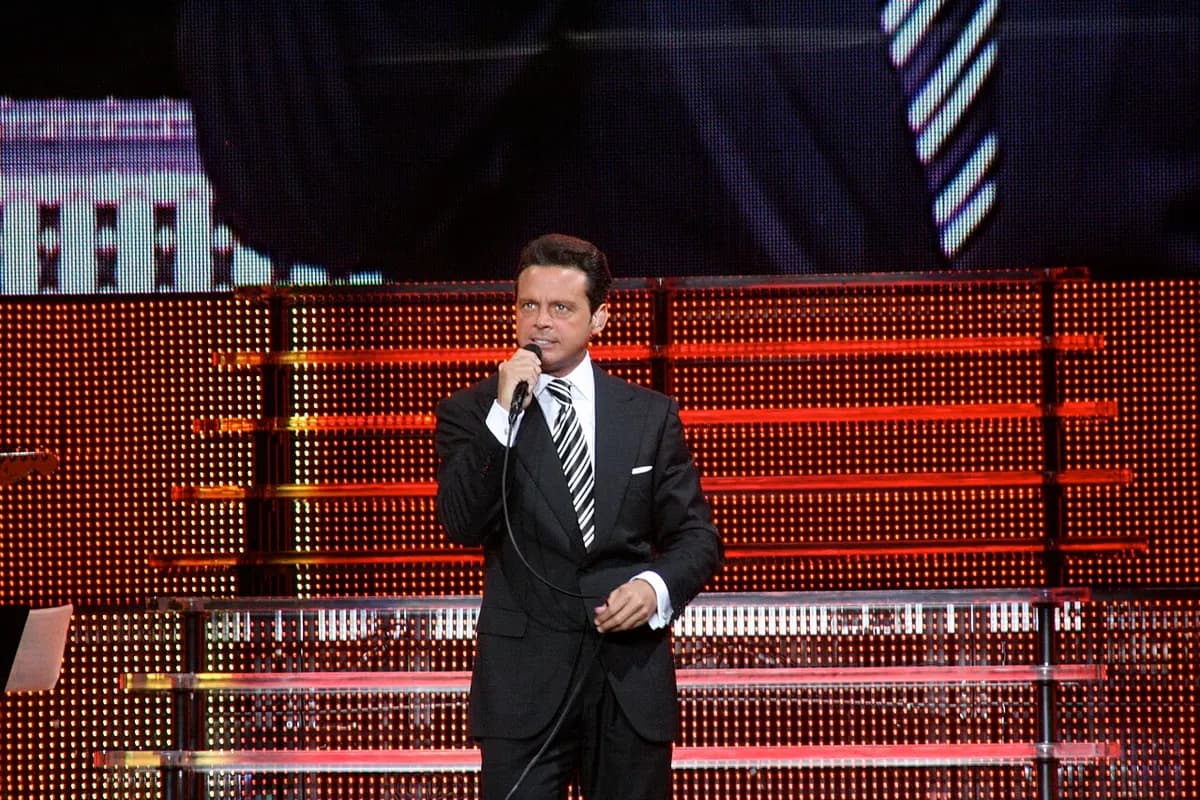
Because the definition rests on language and market rather than one rhythm, Latin pop is unusually varied. A Luis Miguel bolero album, a Gloria Estefan dance track, a Juanes guitar song and a Karol G single can all sit under the label, and what most of them share is a direct, romantic lyric and a melody written to be sung along to.
History & Origins
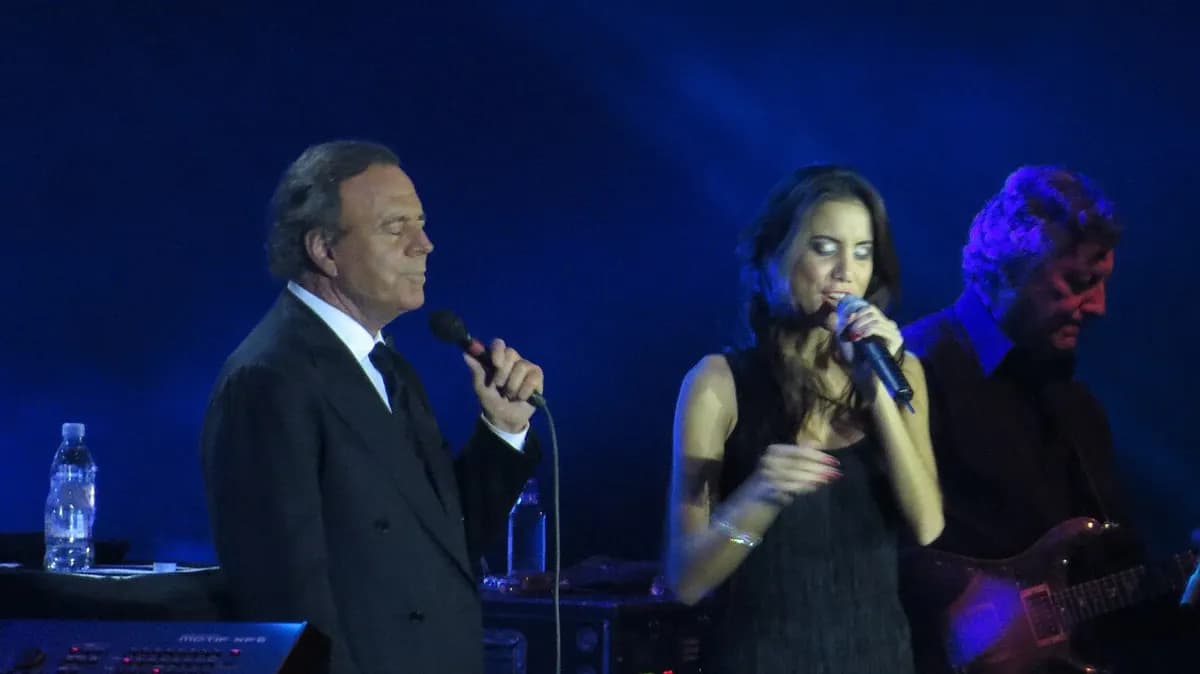
Roots (1950s–1970s). Latin pop grew out of two older song traditions: the Cuban and Mexican bolero, the slow romantic song of the trío and the nightclub crooner, and the Spanish-language ballad. In the 1960s Spanish and Latin American "nueva ola" singers adapted rock and roll and European pop, and by the 1970s the balada romántica had become a continental mainstream. Spain's Julio Iglesias, who represented Spain at Eurovision in 1970 with "Gwendolyne", became one of the best-selling singers in the world with lush, string-laden ballads, and Brazil's Roberto Carlos, recording in both Portuguese and Spanish, did the same across the continent. Mexico's José José and Juan Gabriel, and Spain's Raphael and Camilo Sesto, belong to the same generation.
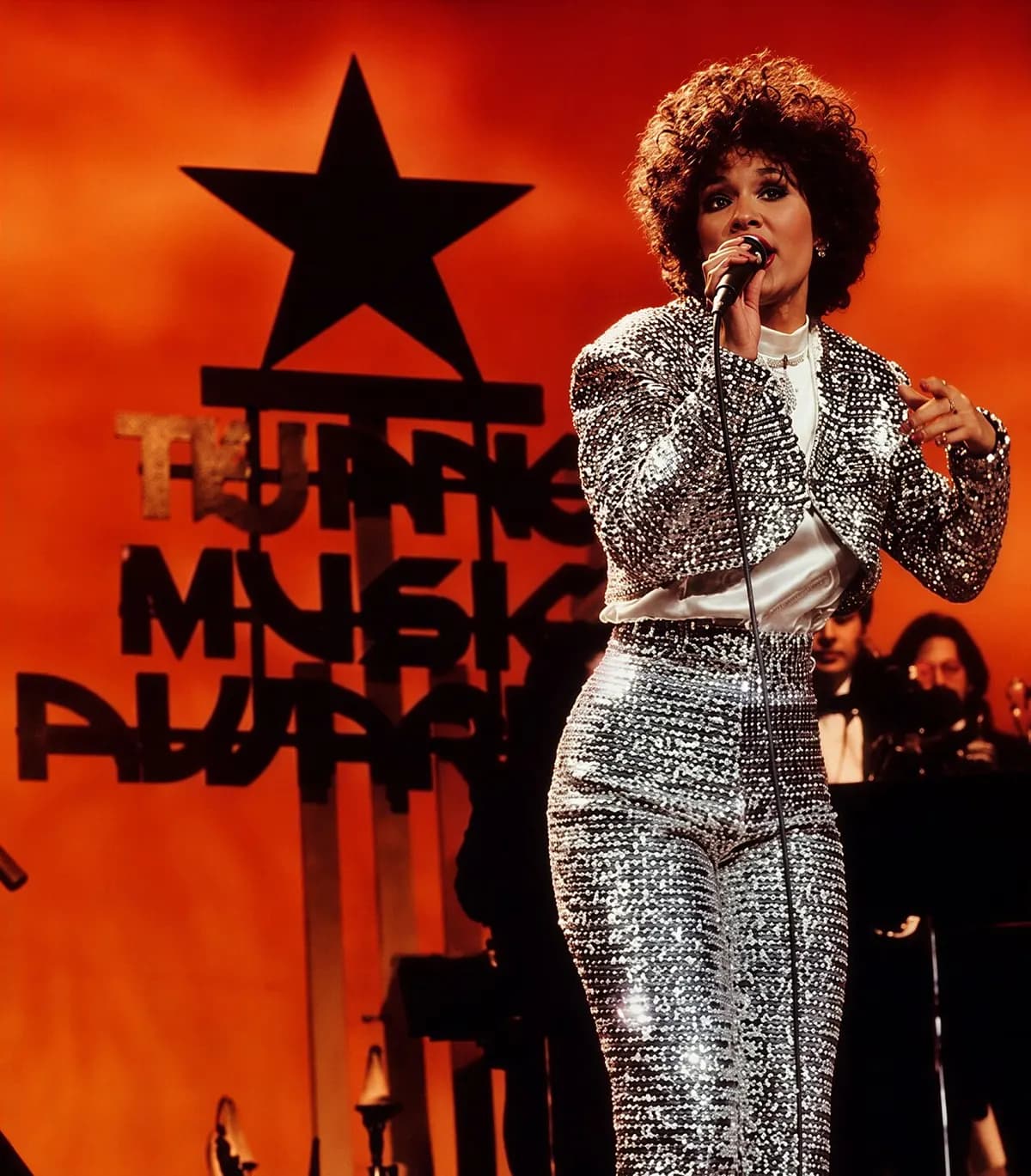
The 1980s: dance-pop and the first crossover. Two US scenes reshaped the sound. Texas Tejano music brought synthesizers and slick production to border styles, and the Latin clubs of New York and Miami produced Latin freestyle, a synth-and-drum-machine dance music. In Miami, Gloria Estefan and Miami Sound Machine, produced by Emilio Estefan, turned that blend into international hits with "Conga" (1985) and later sweeping ballads, becoming Latin pop's first major crossover act. Puerto Rico's boy band Menudo, whose alumni include Ricky Martin, was a pan-American teen phenomenon. In autumn 1986 Billboard launched its Hot Latin Tracks chart, based on airplay at Latin radio stations.
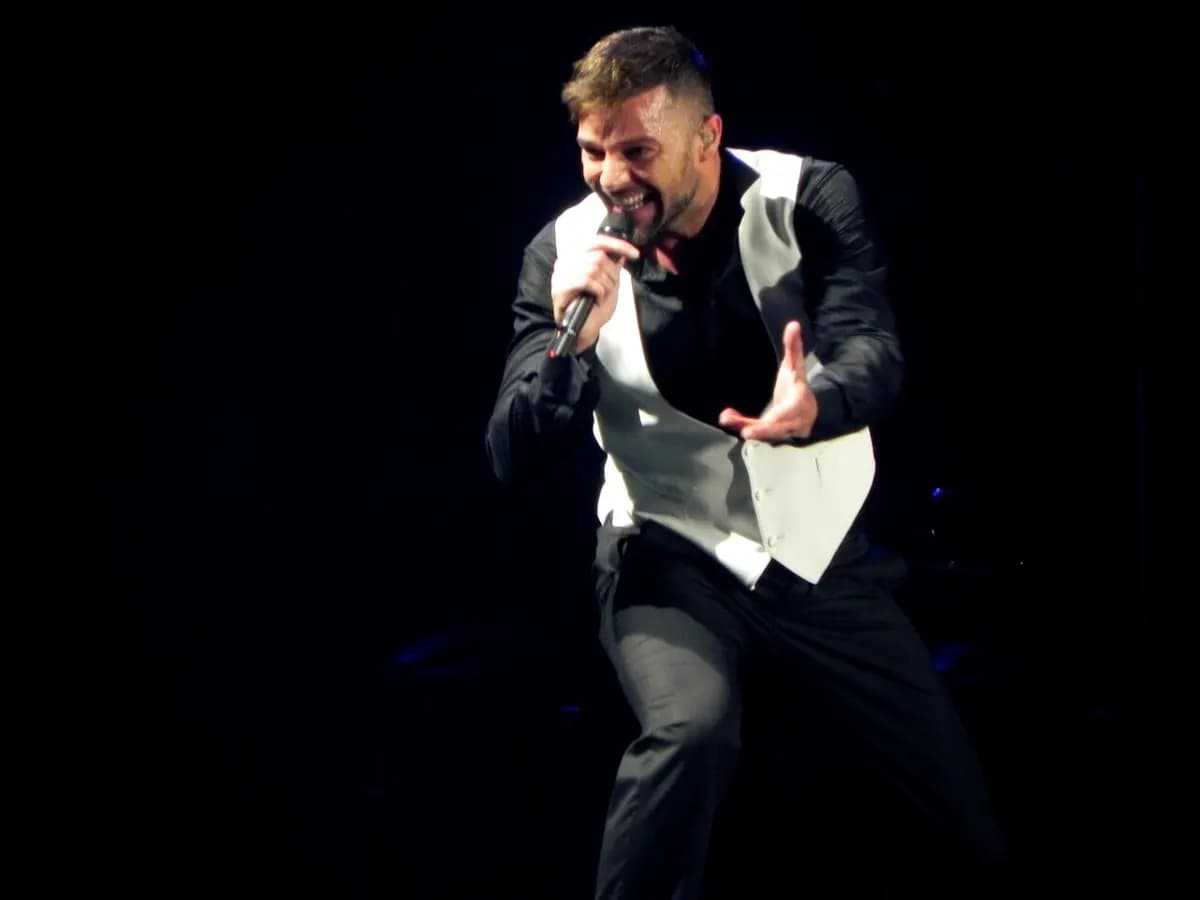
The 1990s: balada, Tejano and the "Latin explosion". Mexico's Luis Miguel revived the bolero with Romance (1991), while Spain's Alejandro Sanz brought a flamenco-inflected singer-songwriter style to the ballad. Selena, the Tejano star murdered in 1995, saw her partly English album Dreaming of You debut at number one in the US that year. Colombia's Shakira broke through with Pies Descalzos (1995) and ¿Dónde Están los Ladrones? (1998), and Carlos Vives fused vallenato with pop. Then in February 1999 Ricky Martin, who won Best Latin Pop Performance that night for "Vuelve", performed "La Copa de la Vida" at the Grammy Awards; his English-language single "Livin' la Vida Loca" followed a month later, and the American press began talking about a "Latin explosion". Jennifer Lopez, Enrique Iglesias ("Bailamos", 1999), Marc Anthony and, in 2001, Shakira's English album Laundry Service with "Whenever, Wherever" carried Latin pop into the global mainstream. The Latin Grammy Awards were first presented on 13 September 2000.
The 2000s: pop-rock and teen pop. Colombia's Juanes ("A Dios le pido", 2002), Mexico's Maná, Julieta Venegas, Reik and Camila, and the telenovela group RBD defined a decade in which acoustic guitars and pop-rock arrangements were as common as dance beats. Shakira and Alejandro Sanz's duet "La Tortura" (2005) spent 25 weeks at number one on Billboard's Hot Latin Songs chart.
The 2010s–2020s: the reggaeton era. Enrique Iglesias's "Bailando" (2014) and Luis Fonsi and Daddy Yankee's "Despacito" (2017), whose remix with Justin Bieber became a global record-breaker, made the pop-reggaeton hybrid the default sound. Singers such as Sebastián Yatra, Camilo, Morat, Karol G and Spain's Rosalía now move between ballads, guitar pop, reggaeton and flamenco within a single album, and streaming has removed much of the old pressure to cross over by recording in English.

Key Characteristics & Sound
What identifies a Latin pop recording:
- Language and vocal style: Spanish (or Portuguese) lyrics sung with a clear, emotive, often belted delivery; melisma and long held notes in ballads, rhythmic phrasing in dance tracks.
- Tempo: ballads sit around 60–80 BPM; mid-tempo guitar pop around 90–110 BPM; dance-pop around 115–128 BPM; pop-reggaeton usually 88–100 BPM on a dembow pattern.
- Harmony: diatonic pop progressions in major and minor keys, with frequent borrowings from the bolero (chromatic passing chords, dramatic key changes in the final chorus) and from flamenco (the descending Andalusian cadence).
- Rhythmic colour: Latin percussion (congas, bongos, timbales, shakers, güira) layered over a pop drum kit or programmed beat; cumbia, salsa and reggaeton patterns appear as flavours.
- Guitar: nylon-string or steel-string acoustic guitar is the genre's most recognisable timbre, from strummed rhythm parts to flamenco-style fills.
- Production: big, polished, radio-ready mixes; strings and piano in ballads, synths and brass stabs in dance tracks.
- Lyrics: overwhelmingly about love (devotion, heartbreak, desire, nostalgia), with dance tracks built around a chant-like hook.
How Latin pop compares with the Spanish-language styles it shares the charts with:
| Trait | Latin Pop | Reggaeton | Bolero | Salsa |
|---|---|---|---|---|
| Core identity | Pop songcraft in Spanish/Portuguese | Dembow rhythm, rap and sung hooks | Slow romantic song | Clave-based Afro-Cuban dance music |
| Typical tempo | 60–128 BPM (ballad to dance) | 88–100 BPM | 60–90 BPM | 150–220 BPM (felt in 2) |
| Rhythm section | Pop kit or programmed drums plus Latin percussion | Programmed dembow | Bongos, maracas, light bass | Congas, timbales, bongos, piano montuno |
| Signature sound | Acoustic guitar, strings, big chorus | Kick-snare dembow, sub-bass | Requinto guitar, trío vocals | Brass section, call-and-response coro |
| Reference track | Livin' la Vida Loca | Gasolina | Sabor a Mí | Pedro Navaja |
Branches & Scenes
- Balada romántica: the orchestral love ballad of Julio Iglesias, José José, Camilo Sesto and Rocío Dúrcal; still the backbone of Spanish-language adult radio.
- Latin dance-pop: up-tempo pop with Latin percussion and brass: Gloria Estefan, Ricky Martin, Thalía, Paulina Rubio. A close cousin of international dance-pop.
- Pop-rock en español: guitar-led pop from Maná, Juanes, Alejandro Sanz and La Oreja de Van Gogh, sitting between pop and the rock en español movement.
- Tropipop and vallenato-pop: Colombian pop built on accordion and coastal rhythms, pioneered by Carlos Vives and continued by Fonseca. See vallenato and cumbia for the roots.
- Tejano pop: Selena's synth-driven fusion of cumbia, ranchera and pop from Texas.
- Pop urbano: the pop-reggaeton hybrid that dominates current charts: sung choruses over a dembow groove, often with a guest from reggaeton or Latin trap.
- Bachata-pop: the guitar-led Dominican style polished for radio by Aventura and Romeo Santos; see bachata.
Key Artists & Essential Records
A starter shelf spanning five decades:
| Record | Artist | Year | Why it matters |
|---|---|---|---|
| Primitive Love ("Conga") | Miami Sound Machine | 1985 | Latin percussion meets 1980s dance-pop; the first big crossover |
| Romance | Luis Miguel | 1991 | Revived the bolero for a new generation |
| Dreaming of You | Selena | 1995 | Tejano pop's posthumous US number one |
| Pies Descalzos | Shakira | 1995 | Shakira's Spanish-language breakthrough |
| Más ("Corazón partío") | Alejandro Sanz | 1997 | Flamenco-inflected pop; the best-selling album in Spanish history |
| Ricky Martin | Ricky Martin | 1999 | "Livin' la Vida Loca" and the Latin explosion |
| Laundry Service | Shakira | 2001 | English-language crossover with Andean and Arabic colours |
| Un Día Normal | Juanes | 2002 | Guitar pop with Colombian roots; "A Dios le pido" |
| "Bailando" | Enrique Iglesias | 2014 | Recorded with Cuban artists Descemer Bueno and Gente de Zona; Latin Grammy for Song of the Year |
| "Despacito" | Luis Fonsi & Daddy Yankee | 2017 | The pop-reggaeton hybrid becomes a global standard |
Latin Pop vs Latin Music, Reggaeton and Pop
Latin pop vs Latin music. Latin music is the whole family of Latin American and Iberian styles, from salsa and merengue to tango and mariachi. Latin pop is one branch: the mainstream pop song in Spanish or Portuguese. A salsa track is Latin music but not Latin pop; a Shakira single is both.
Latin pop vs reggaeton. Reggaeton is defined by the dembow rhythm and comes from the Puerto Rican underground, with rapped verses and a club focus. Latin pop is defined by melody and song structure. When a pop singer records over a dembow beat the result is usually called pop urbano or "urban pop": the drum pattern comes from reggaeton, the chorus from pop. Our reggae vs reggaeton explainer covers where dembow came from.
Latin pop vs international pop. The production can be identical to English-language pop. What tips a track into Latin pop is language plus at least one Latin marker: the acoustic guitar, Latin percussion, a flamenco cadence or a regional rhythm.
How AI Detects Latin Pop
An audio model hears Latin pop as pop first: a clean lead vocal on top, a compressed modern mix, a chorus that lifts in energy. The Latin cues it can pick up are timbral and rhythmic: hand percussion in the upper mid-range, nylon-string guitar attacks, brass stabs, a dembow kick-snare pattern.
How strongly those cues show up depends on the song. A guitar-and-congas track by Juanes or Carlos Vives carries plenty; a synth-pop ballad with Spanish lyrics may carry almost none. Try a few sections of the same song in the Genre AI music genre detector and compare the answers, and see why songs often have more than one genre.
Genre AI's production taxonomy has no Latin pop label, and the two obvious candidates, the coarse Latin and Pop labels, are harder to reach than they look. Neither has finer subgenres, and the model answers with a label like that only when no family that does have subgenres reaches its top five. A polished Latin pop production usually gives one of those families something to work with, so the answer is likely to be one of their fine labels. Pop-reggaeton tracks may land in Rap Hip-Hop, where "latin trap" and "trap latino" are among the text prompts of the Trap label; synth-driven dance tracks may go to Electronic Dance as Synth Pop or House; guitar-led pop-rock in the vein of Juanes or Maná may read as Soft / Pop Rock; and a sweeping string ballad could even drift to Classical, because "romantic ballad" is one of the prompts of the Romantic Period label. The alternatives shown under the answer are always other subgenres of the same family, so Latin or Pop will not appear there. A song built on congas, timbales and nylon-string guitar, with few synths and no rock band, is the case most likely to reach Latin. Treat any of these answers as a reading of the arrangement, and use the language and the market to call the song Latin pop.