
Doo-wop is vocal-group music from Black American cities in the late 1940s and 1950s: four or five voices, a lead melody, nonsense-syllable backing, a bass singer at the bottom and, often, almost no instruments at all. Its harmony and its I–vi–IV–V changes were carried into soul, Motown and a great deal of later pop.
This guide covers where doo-wop came from, what defines its sound, the chord progression named after it, and which records to start with. To hear how a track reads to a classifier, run a few seconds through our free AI music genre detector.
What Is Doo-Wop?
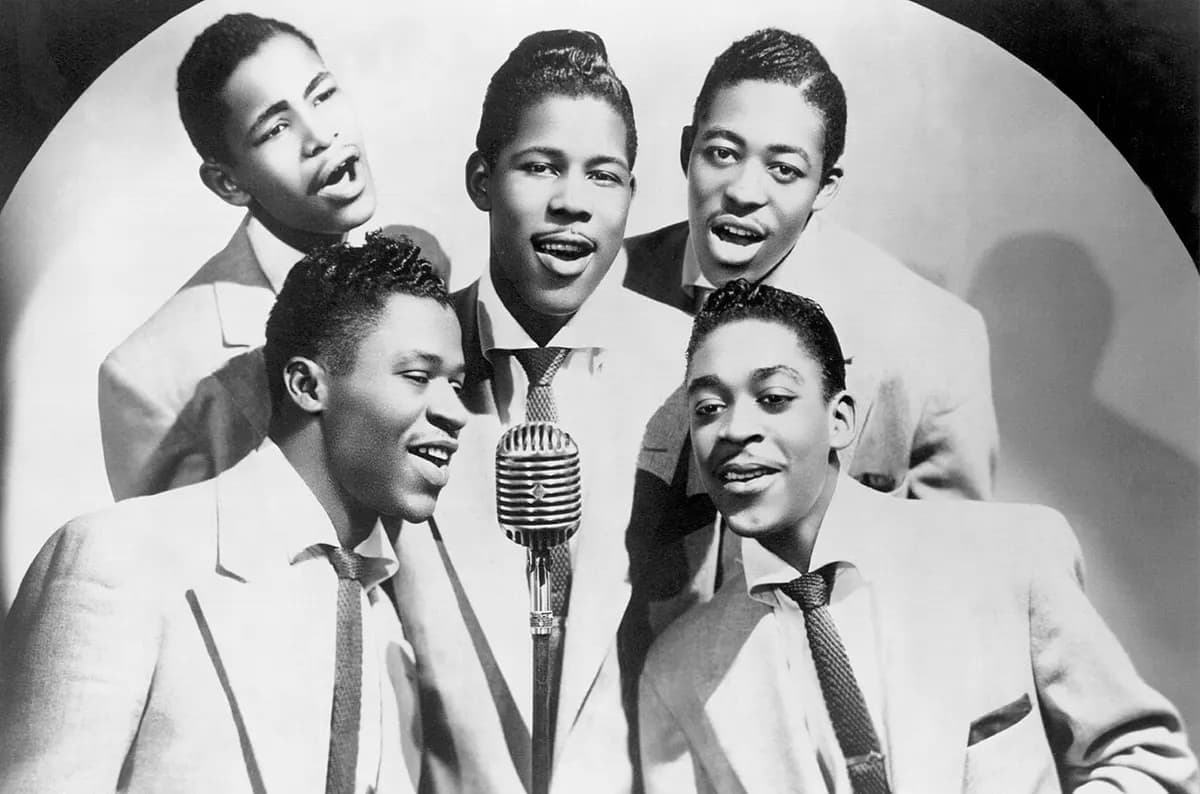
In doo-wop, voices do the work of a band. A group of four or five singers covers every function: a lead carries the melody, usually a tenor and often in falsetto; two or three middle voices supply block harmony on nonsense syllables such as "doo-wop", "sh-boom" or "rama lama"; and a bass singer plays the bassline with his voice, sometimes taking a spoken or sung solo section.
The name came later. At the time the music was called rhythm and blues or vocal-group harmony. The Turbans' "When You Dance" (1955) is generally cited as the first hit to sing "doo-wop" in its refrain; the word is usually said to have first appeared in print in 1961, though lexicographers have not been able to confirm that citation, and it spread as a genre name in the late 1960s and early 1970s, when New York disc jockey Gus Gossert used it on the radio. Gossert himself declined credit for coining it.
Its second defining trait is harmonic: the I–vi–IV–V progression appears so consistently that it is now called the "doo-wop changes" or the "50s progression". Ben E. King's "Stand by Me" (1961) is built on it, and so are thousands of pop songs written since, The Police's "Every Breath You Take" among them.
History & Origins
The roots are in Black gospel quartets and in the smooth secular groups of the 1930s and 1940s, The Ink Spots and The Mills Brothers above all. The Ink Spots' "top and bottom" format, with Bill Kenny's high tenor singing a chorus and Orville "Hoppy" Jones reciting the next one in a deep speaking voice, is the direct model for the doo-wop lead and talking bass.
The music itself was made on street corners. Groups of teenagers in New York, Philadelphia, Chicago, Detroit and Baltimore rehearsed in stairwells, subway entrances and doorways, places chosen for their natural reverb, because voices were the only instruments they had. That origin explains most features of the style.
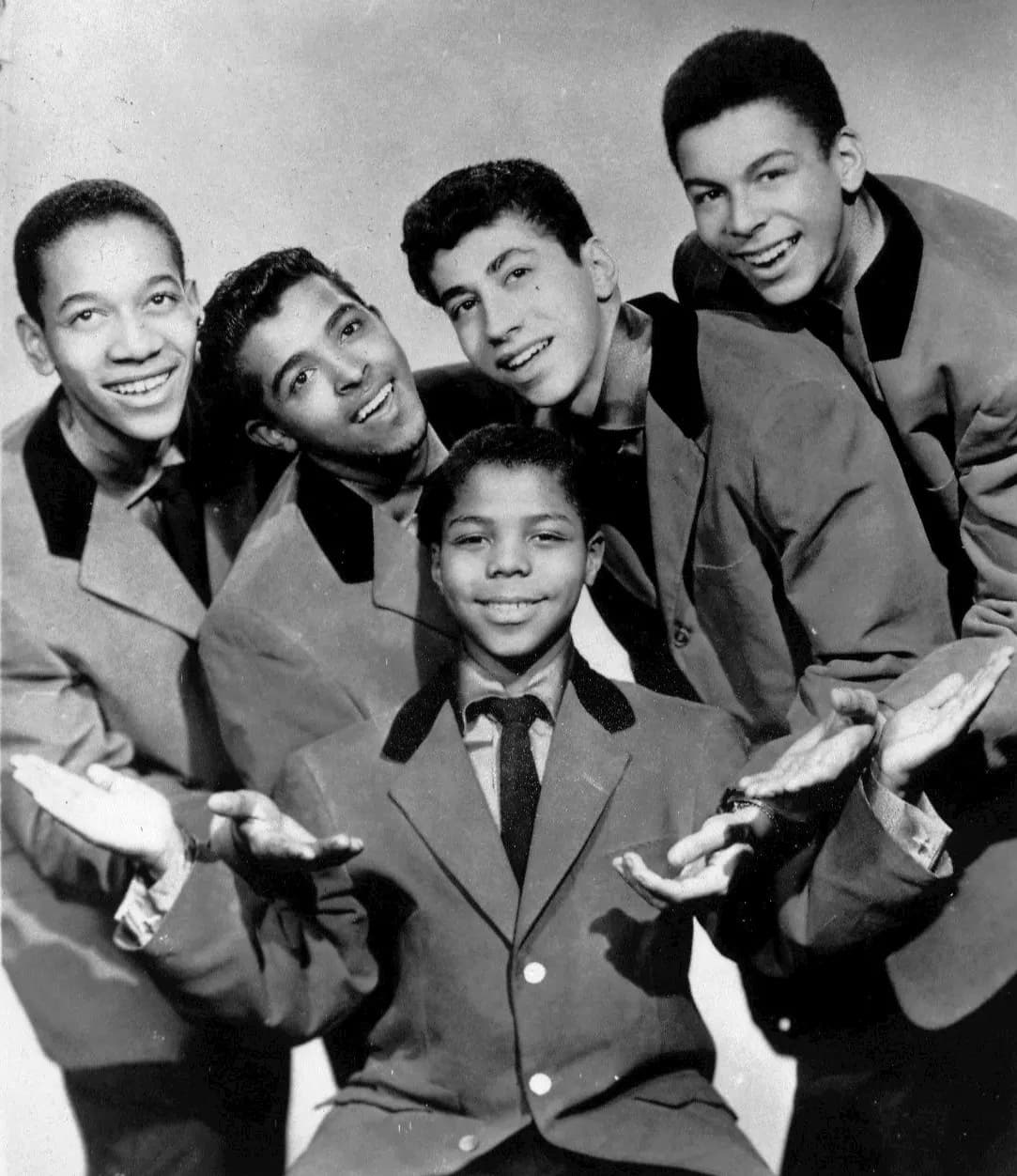
The commercial era runs from about 1948 to 1963. The Orioles, from Baltimore, recorded "It's Too Soon to Know" in 1948; it topped the R&B chart that November and is often named as the first doo-wop record. The Chords' "Sh-Boom" (1954) reached the pop top ten. The Penguins' "Earth Angel" (1954), The Platters' "Only You" and "The Great Pretender" (1955), and Frankie Lymon & the Teenagers' "Why Do Fools Fall in Love" (1956), sung by a thirteen-year-old, made the style a national phenomenon.
Doo-wop was also one of the first genres in which Black artists reached a white teenage audience directly, and the industry undercut it with sanitised cover versions by white performers, which often outsold the originals: the Crew-Cuts' cover of "Sh-Boom" went to No. 1 while the Chords' record stalled below it.
The style faded after 1963, absorbed into what came next: its harmony went into Motown and soul, its vocal-group format into girl groups and the Beach Boys, and its progressions into pop songwriting for good. Revivals have recurred ever since: the 1970s a cappella scene, Grease and American Graffiti, Billy Joel's "The Longest Time", and the retro-soul productions of the 2010s.
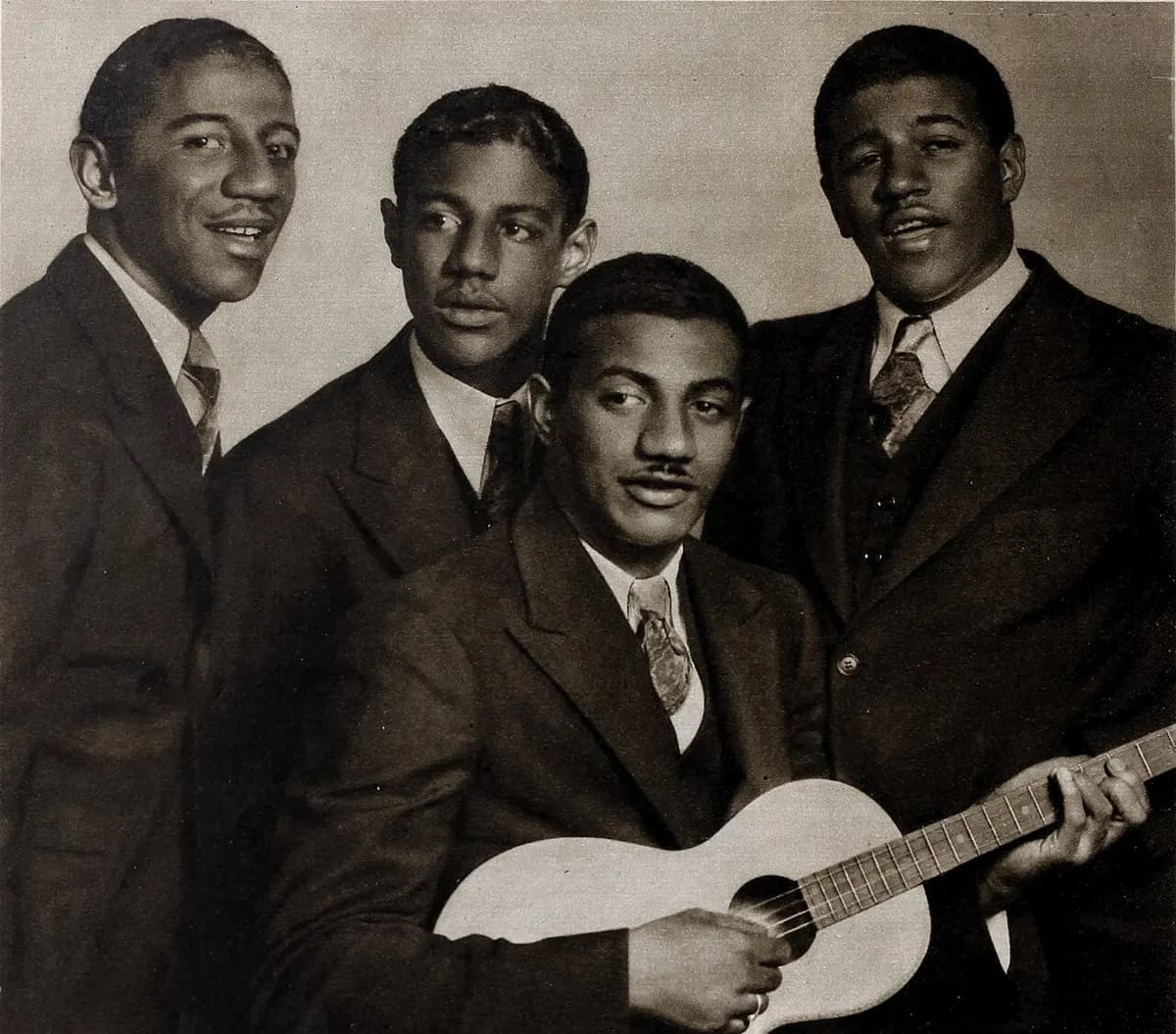
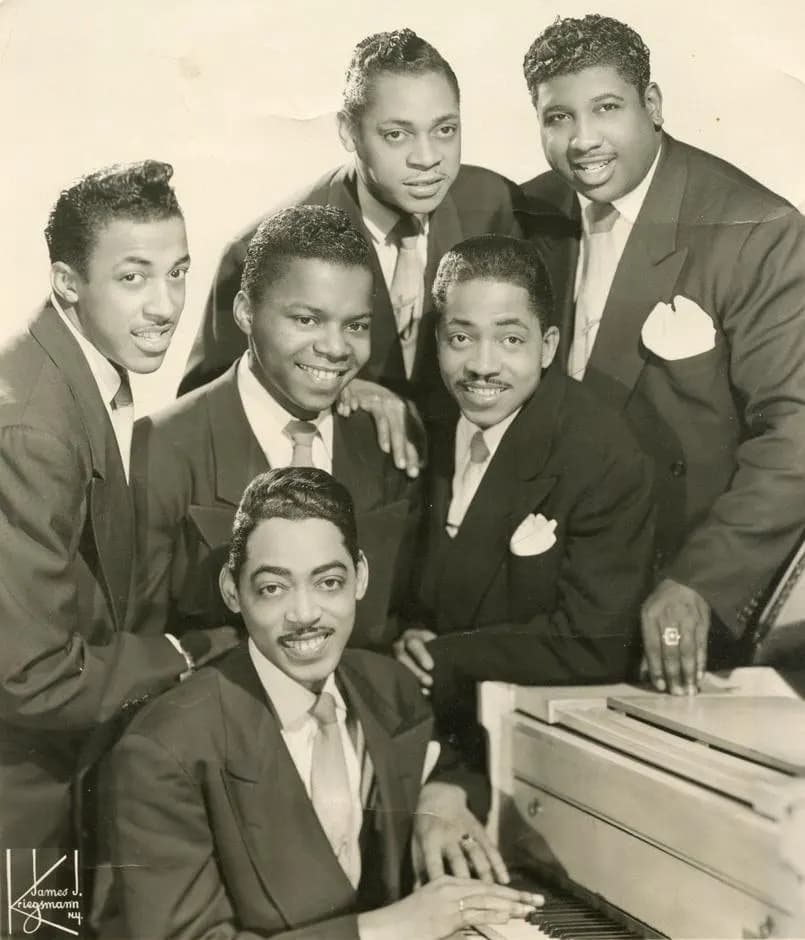
Key Characteristics & Sound
What identifies a doo-wop record:
- Four- to five-part vocal harmony with a clear lead, usually tenor or falsetto.
- Nonsense-syllable backing: the syllables act as rhythm and as instrumentation.
- A bass singer providing the bassline, often with a spoken bridge.
- The I–vi–IV–V progression, usually in a slow 12/8 or 6/8 with triplet feel.
- Tempo: ballads at 60–80 BPM; uptempo "jump" numbers at 140–180.
- Minimal instrumentation: piano, light drums, an occasional saxophone solo, or nothing at all.
- Lyrics: devotion, longing and teenage romance, sung with complete sincerity.
- Mono recordings with natural room reverb, reproducing the stairwell the groups rehearsed in.
Where it sits among its neighbours:
| Trait | Doo-Wop | Rock and Roll | Gospel Quartet | Motown |
|---|---|---|---|---|
| Lead sound | Tenor or falsetto | Shouted, rhythmic | Preacher-style lead | Trained solo voice |
| Backing | Nonsense syllables | Band | Answering harmony | Arranged group plus band |
| Instruments | Minimal or none | Full band | Often none | Full studio band |
| Tempo | 60–80 BPM ballads | 140–180 BPM | Varies | 110–135 BPM |
| Harmony | I–vi–IV–V | 12-bar blues | Modal, gospel | Pop with soul changes |
| Reference track | "In the Still of the Night" | "Johnny B. Goode" | "Dry Bones" | "My Girl" |
Voices, Instruments & Recording
Much of the craft is in what the groups did without:
- Voice as bass: the bass singer covers the root movement, which is why so many records need no bass instrument.
- Voice as percussion: rhythmic syllables mark the beat where a band would place a snare.
- Blend over projection: groups tuned to each other, not to a piano, which gives the close, slightly beating harmony of the sound.
- Natural reverb: hallways and stairwells first, then small studios with plate or chamber echo added deliberately to reproduce them.
- One or two microphones, recorded live: balance was achieved by singers stepping toward or away from the mic.
- Light backing where present: piano triplets, brushed drums, a saxophone solo in the middle eight.
Related Styles & Legacy
The family around it:
- Vocal-group R&B: the name used at the time for the same music.
- Italian-American doo-wop: the late-1950s New York branch, with Dion and the Belmonts and The Elegants.
- Girl groups: the early-1960s successor, from The Shirelles to The Ronettes and The Crystals.
- Northern soul and beach music: regional scenes that kept the uptempo records alive.
- Motown: took doo-wop's group format and put a professional band and writing team behind it.
- Soul and R&B: the direct descendants, carrying the harmony forward.
- A cappella and barbershop groups: where the technique itself is still sung and taught.
Notable Artists & Songs
Where to start:
- The Platters: "Only You" (1955), "The Great Pretender" (1955).
- The Five Satins: "In the Still of the Night" (1956).
- Frankie Lymon & the Teenagers: "Why Do Fools Fall in Love" (1956).
- The Penguins: "Earth Angel" (1954).
- The Chords: "Sh-Boom" (1954).
- The Flamingos: "I Only Have Eyes for You" (1959).
- Dion and the Belmonts: "A Teenager in Love" (1959).
- The Marcels: "Blue Moon" (1961).
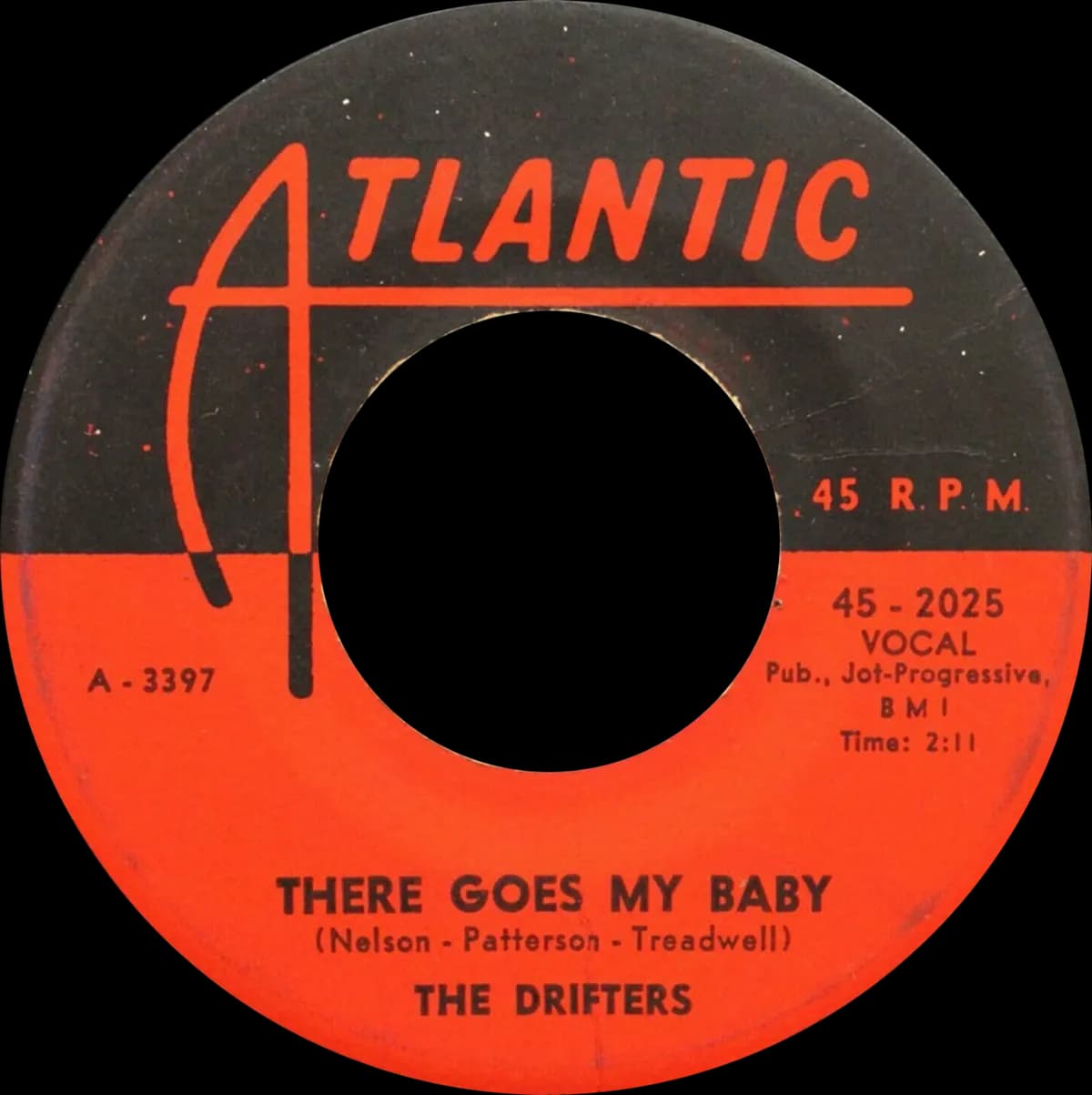
- The Drifters: "There Goes My Baby" (1959), the bridge into soul.
- The Orioles: "It's Too Soon to Know" (1948).
To hear the whole arc, play "It's Too Soon to Know" for the origin, "In the Still of the Night" for the genre at its most characteristic, and "There Goes My Baby", with its strings and Latin rhythm, for the moment it turned into soul.
How AI Detects Doo-Wop
Doo-wop offers a classifier something rare: dense harmonic content with little or no instrumental accompaniment. Several voices in close harmony produce a spectrum full of tightly spaced partials and vibrato beating, and the absence of drums and bass in many recordings removes the cues most genre models rely on first.
Era is the other strong signal: mono, limited bandwidth, natural room reverb. Genre AI has no doo-wop label, so the answer will be a neighbouring family. The likeliest are Funk / Soul, with soul or gospel as the fine label, and Rock, where the uptempo records may come back as RocknRoll, the label for rock and roll. R&B rarely comes up at all, because that coarse label has no subgenres and loses to any family that has them. A fully a cappella recording may not get a genre: the model first checks whether it hears music or unaccompanied singing, and voices with no instruments can be answered with "Singing detected". Test one in the Genre AI music genre detector.
In Genre AI, doo-wop is a genre recognised mostly through what is missing. Most classifiers lean heavily on percussion and bass to place a track; a doo-wop ballad supplies neither, so the decision falls on vocal timbre, harmony and the sound of the room. There is no doo-wop label in the production taxonomy. The most likely answer is the Funk / Soul family, with Gospel as the fine label for records that share the vocal technique and room sound of a church quartet, and Soul for the later records where a full band arrives, which is the transition the genre made around 1959. Alternatives, when shown, are other Funk / Soul subgenres. Uptempo records with piano and saxophone may be filed under Rock as RocknRoll instead, and a recording with no instruments at all may get the "Singing detected" verdict in place of a genre.