Alternative R&B (also called alt-R&B, indie R&B or, half-jokingly in early-2010s music writing, "PBR&B") is a strand of contemporary R&B that trades the polished, radio-ready production of the 2000s for something sparser, moodier and more experimental: slow tempos, washed-out synth pads, reverb, borrowed textures from indie rock, electronic music and trip-hop, and lyrics that lean confessional, ambivalent or dark. It broke through in 2011, when Frank Ocean and The Weeknd released free mixtapes online within weeks of each other.
This guide covers where the style came from, what it sounds like, the artists and albums that define it, and where it sits against mainstream R&B and neo soul, the 1990s movement that it is most often confused with. To see how a hazy, slow R&B track reads to a classifier, run a clip through our free AI music genre detector.
What Is Alternative R&B?
Alternative R&B keeps the core of R&B (a sung, emotionally direct lead vocal, a groove rooted in hip-hop and soul, songs about desire and love going wrong) and changes most of what surrounds it. Arrangements are minimal, often just a drum programme, a bass line and one or two synth layers. Vocals are processed, layered, pitch-shifted or buried in reverb, often well back in the mix. Song structures loosen: hooks can disappear, tracks can change direction halfway through, and an album can play like one continuous mood.
The term is a loose description. "Alternative R&B" had already been used by the music industry in the late 1990s to market neo-soul singers such as D'Angelo, Erykah Badu and Maxwell; in the early 2010s critics revived it for a new set of artists who sounded different from the club and ballad R&B on radio. "PBR&B", after Pabst Blue Ribbon beer and its hipster image, began as a 2011 Twitter joke by the writer Eric Harvey. Many of the artists rejected the labels. FKA twigs told The Guardian that she was called an R&B singer only once people saw she was mixed race, and The Fader argued that the prefix implied R&B itself was not experimental. The same records are often simply called R&B today, and within a few years the mainstream had taken over most of the style's sounds.
Two neighbours need separating. Neo soul, from the mid-1990s, looked back to live-band 1970s soul: Rhodes pianos, real drums, jazz chords. Alternative R&B looks sideways to electronic production, indie rock and ambient music. And the mainstream contemporary R&B of the 2000s was built for clubs and radio: bright mixes, big drums, centred vocals. Alternative R&B tends to sound like it was made for headphones at night.
History & Origins
The style has clear ancestors. Prince mixed R&B with rock, synth-pop and sexual frankness from the late 1970s onward. Timbaland's productions for Aaliyah and Missy Elliott in the late 1990s were skeletal and rhythmically odd and still reached the top of the charts. D'Angelo's Voodoo (2000) and Erykah Badu moved R&B a long way from radio convention, and AllMusic's Andy Kellman points to Bilal's early albums as forerunners of "left-field R&B". The most direct trigger was Kanye West's 808s & Heartbreak (2008): a rap star singing about loneliness through Auto-Tune over cold, sparse drum machines, and selling it to a mass audience.
In 2009 Drake's mixtape So Far Gone, with much of the production by Noah "40" Shebib, introduced a signature sound: muffled, low-passed drums and keys, as if heard through a wall, with plenty of empty space. Drake's Take Care (2011) took that aesthetic to number one in the US.
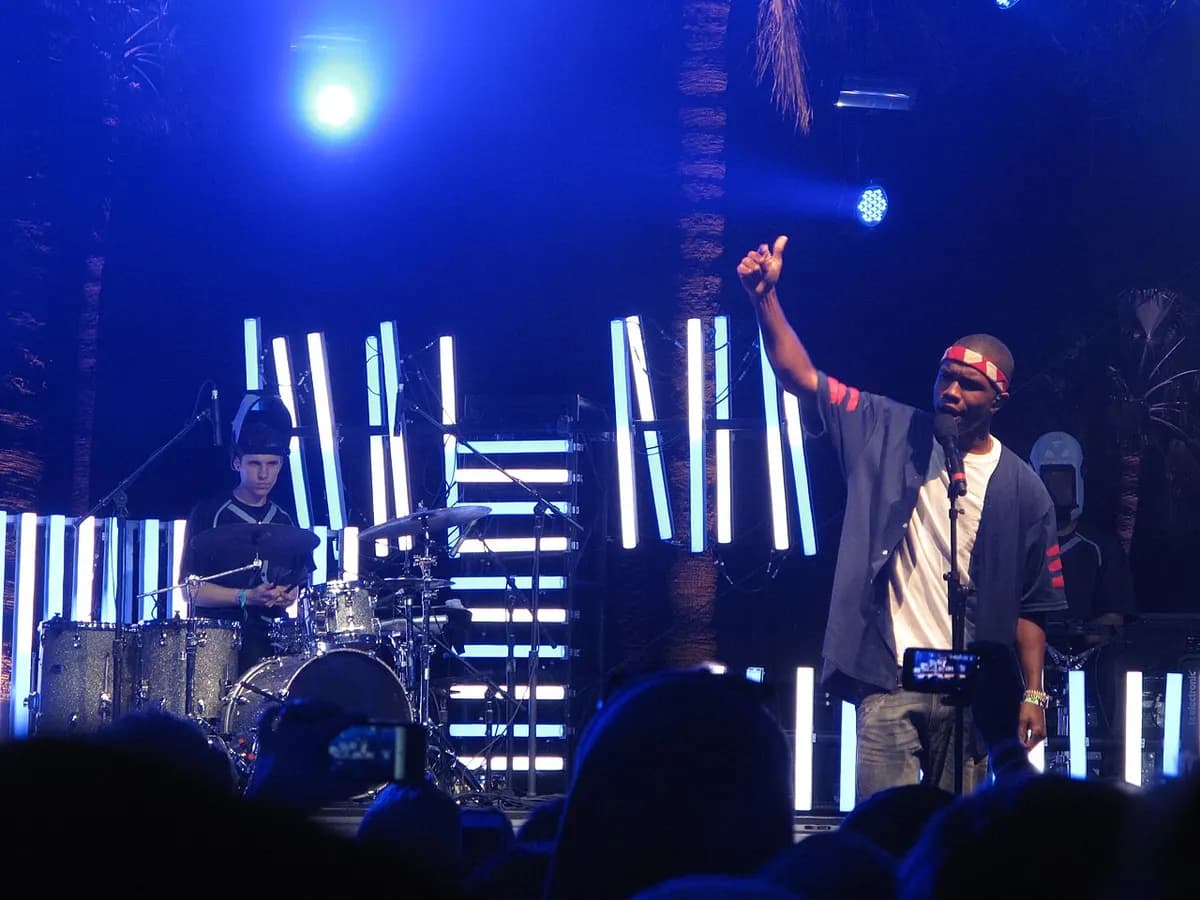
The breakthrough year was 2011. Frank Ocean, then a member of the Odd Future collective, self-released the mixtape nostalgia, ULTRA., singing over samples of Coldplay, MGMT and the Eagles. A month later an anonymous Toronto project called The Weeknd, Abel Tesfaye, posted House of Balloons as a free download, followed in the same year by Thursday and Echoes of Silence. Their slow, hazy, drug-dark sound, built partly on samples of Siouxsie and the Banshees and Beach House, had little to do with the R&B on radio. The same period brought How to Dress Well's falsetto bedroom recordings and Miguel's Kaleidoscope Dream (2012), with its psychedelic single "Adorn".
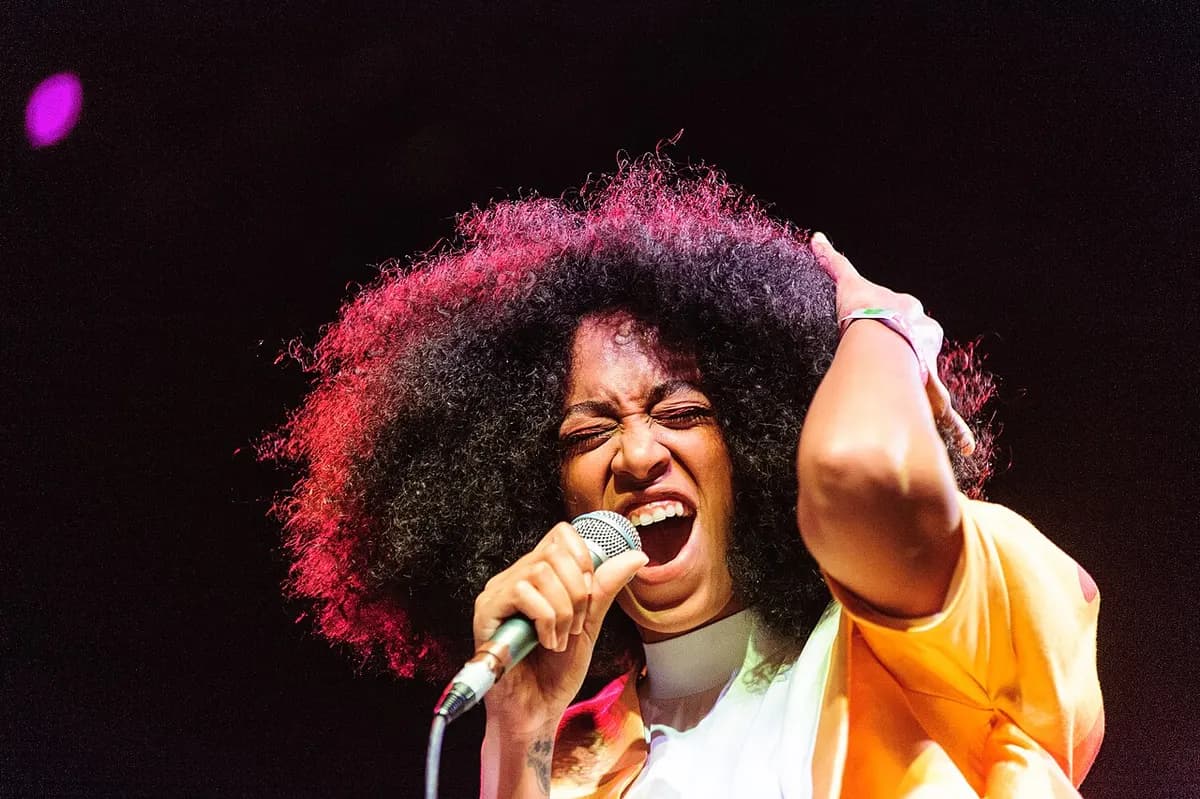
Ocean's major-label debut Channel Orange (2012) became the album most often named as the style's reference point; it won the Grammy for Best Urban Contemporary Album. The Weeknd's mixtapes were reissued as Trilogy the same year, and by 2015 he was one of the biggest pop stars in the world. The middle of the decade added Kelela's Cut 4 Me (2013), FKA twigs' LP1 (2014), The Internet's Ego Death (2015) and Blood Orange's Freetown Sound (2016). In 2016 Ocean released Blonde, and Solange released A Seat at the Table, whose single "Cranes in the Sky" won the Grammy for Best R&B Performance.
By the late 2010s the alternative had become the centre. SZA's Ctrl (2017) and SOS (2022), Daniel Caesar's Freudian (2017), Kali Uchis' Isolation (2018), Steve Lacy and Brent Faiyaz made the moody, hybrid sound the default for R&B. Earlier, Bryson Tiller's Trapsoul (2015) had folded it into trap drums, a blend often called "trap&B".
Key Characteristics & Sound
What identifies an alternative R&B record:
- Tempo: mostly slow, 60–100 BPM, often with a half-time feel, and sometimes so loose that the pulse almost dissolves.
- Drums: programmed and sparse; trap-style hi-hat rolls and 808 bass in the trap&B branch, muffled or low-passed kits in the 40 school, occasional live drums on band-led records.
- Harmony: extended chords from soul and jazz (minor sevenths, ninths, suspended chords), usually voiced on synth pads, guitars or detuned keys; a clean Rhodes is less common.
- Vocals: intimate and often falsetto; heavily layered, pitch-shifted, vocoded or Auto-Tuned; sometimes placed low in the mix as another texture.
- Space and reverb: long tails, delays and empty bars; silence is used as an arrangement tool.
- Borrowed textures: indie-rock guitars, ambient drones, glitchy electronics, samples from rock and dream pop.
- Lyrics: confessional and ambivalent, about addiction, regret, queer desire, anxiety or self-image as often as about romance.
- Format: free mixtapes, SoundCloud uploads and albums built as one mood; radio singles came later, if at all.
Where it sits against its neighbours:
| Trait | Alternative R&B | Contemporary R&B (2000s) | Neo Soul | Trip-Hop |
|---|---|---|---|---|
| Peak period | 2011–present | 1995–2010 | 1995–2005 | 1991–2000 |
| Typical BPM | 60–100 | 70–110 | 70–95 | 70–100 |
| Production | Sparse, electronic, reverb | Polished, radio-loud | Live band, analog warmth | Sampled breaks, dub bass |
| Vocals | Layered, processed, falsetto | Centred, melismatic | Jazzy, organic | Detached, breathy |
| Mood | Nocturnal, ambivalent | Romantic, upbeat | Warm, spiritual | Dark, cinematic |
| Reference record | Channel Orange | Confessions | Voodoo | Dummy |
Branches & Related Styles
Alternative R&B covers several approaches:
- Dark, hazy R&B: The Weeknd's early mixtapes, PartyNextDoor, Jhené Aiko: slow, nocturnal and narcotic.
- Art-R&B: Frank Ocean, Solange, FKA twigs, Kelela: album-as-artwork, unusual forms, art-world collaborators; overlaps with art pop.
- Trap&B: Bryson Tiller, later Summer Walker and others: R&B singing over trap drums.
- Band-led alt-R&B: The Internet, Steve Lacy, Hiatus Kaiyote-adjacent players: live musicianship with a modern, laid-back feel.
- Electronic R&B: James Blake, Sampha, Kelela: UK bass and club production around soul voices.
- Bedroom R&B: home-recorded, lo-fi records that share a lot with bedroom pop and lo-fi.
Upstream sit quiet storm, the late-night radio format whose slow, seductive mood alternative R&B often echoes, and cloud rap, which developed the same hazy atmosphere on the rap side at the same time.
Key Artists & Albums
Where to start:
- Frank Ocean: nostalgia, ULTRA. (2011), Channel Orange (2012), Blonde (2016).
- The Weeknd: House of Balloons (2011), collected on Trilogy (2012).
- Drake: Take Care (2011), for Noah "40" Shebib's production sound.
- Miguel: Kaleidoscope Dream (2012); "Adorn".
- FKA twigs: LP1 (2014).
- The Internet: Ego Death (2015).
- Solange: A Seat at the Table (2016); "Cranes in the Sky".
- Blood Orange: Freetown Sound (2016).
- SZA: Ctrl (2017) and SOS (2022).
- Kelela: Take Me Apart (2017).
- Sampha: Process (2017), winner of the Mercury Prize.
- Daniel Caesar: Freudian (2017).
- Kali Uchis: Isolation (2018).
Alternative R&B vs. R&B and Neo Soul
The quickest way to tell the three apart is to listen to what carries the song. In 2000s R&B it is the lead vocal, front and centre, with a punchy beat built for radio. In neo soul it is a band: live bass, Rhodes, drums with a human swing. In alternative R&B it is often the atmosphere: the reverb, the synth pad, the processed voice blending into the track.
Lyrics separate them too. Classic R&B mostly sings about love in direct terms; neo soul adds spirituality, politics and Black consciousness; alternative R&B is more likely to be oblique and conflicted, and is often about the singer more than the partner. None of these lines is absolute: SZA, Frank Ocean and Solange all draw on every tradition, and the term "alternative" has faded as the sound has become the norm.
| If you hear… | Most likely |
|---|---|
| Muffled drums, empty space, a voice in the haze | Alternative R&B |
| Trap hi-hats under a sung R&B melody | Trap&B (alternative R&B branch) |
| Live Rhodes, upright-feel bass, jazzy swing | Neo soul |
| Bright, loud mix, big melismatic chorus | Contemporary R&B |
| Slow, silky, late-night ballad with sax or soft keys | Quiet storm |
How AI Hears Alternative R&B
A classifier has a clear anchor in the sung vocal: sustained, pitched, with R&B-style runs and a soft attack, sitting over a beat with hip-hop rhythm. That points toward R&B, but the label it finally returns also depends on everything around the voice. Heavy reverb and synth pads move the spectrum toward ambient and electronic music; trap drums move it toward rap; a falsetto voice over an indie guitar can move it toward pop or indie.
The genre was named for sitting between categories, so a spread of answers is expected. Run a track through the Genre AI music genre detector and read the second and third labels as a hint about which side of the hybrid a particular song leans toward. Our blog explains why one song can carry several genres.
Genre AI's production taxonomy has no alternative R&B class. There are two places it can land. One is the coarse R&B label, which has no finer breakdown. The other is Contemporary RnB, a fine label that sits under Rap Hip-Hop and whose text prompts include "alternative rnb". When a label with subgenres is among the top five candidates, the system reports it in preference to one without, so a Contemporary RnB answer under Rap Hip-Hop is a likely outcome even for sung tracks. Trap&B, with Bryson Tiller-style singing over 808s and hi-hat rolls, may also come back as Trap. Ambient, reverb-heavy tracks in the early Weeknd or FKA twigs mould can pull toward Electronic Dance, and band-led records with live keys may land under Funk / Soul as Neo Soul or Soul. The confusion with neo soul is the easiest to understand: both share soul-derived chords and an intimate vocal, and the difference (electronic space against live-band warmth) does not always show in a short clip.