Alternative hip-hop is the umbrella term for rap music that deliberately steps outside the dominant commercial sound of its time, in its samples, its subject matter, its persona or its structure. It began in the late 1980s with De La Soul, A Tribe Called Quest and the Beastie Boys, who rapped over jazz, psychedelia and children's records instead of hard funk breaks and wrote about daisies, Afrocentrism and everyday awkwardness instead of street dominance. Since then the label has covered Southern eccentrics like OutKast, the underground of MF DOOM and Def Jux, and the noisy, genre-blurring rap of Odd Future, Death Grips and JPEGMafia.
It is defined against a mainstream that keeps moving, so alternative hip-hop has several strands with different sounds. This guide walks through them, separates "alternative" from its close cousin conscious hip-hop (which is about message, not style) and from jazz rap and boom bap, and lists the records to start with. To hear where an unconventional rap track lands with a machine, drop a clip into our free AI music genre detector.
What Is Alternative Hip-Hop?
Alternative hip-hop is rap made by artists who are recognisably part of hip-hop (they rhyme over beats built from samples and drum programming) but who reject at least one of the conventions that define the commercial centre of the genre at that moment. In 1989 that centre was hard, aggressive New York rap and the first wave of West Coast gangsta rap; in the late 2000s it was club-oriented pop rap and Southern trap. What counts as "alternative" therefore shifts from decade to decade.
The rejected convention can be musical (sampling psychedelic rock, folk, jazz or noise instead of James Brown breaks), lyrical (humour, surrealism, introspection, science fiction, vulnerability), visual (bright colours, costumes, masks, cartoon personas) or structural (songs without hooks, abrupt beat switches, album-length concepts). Many alternative artists also bring in instruments and influences from outside rap: live bands, rock guitars, electronic textures, R&B melody.
Two labels often get mixed up with this one. The first is conscious hip-hop, which is defined by its social and political content; a conscious record can sound completely conventional, and an alternative record can be entirely apolitical. The two overlapped heavily in the Native Tongues era, which is where the confusion comes from. The second is "underground". OutKast, Kanye West and Tyler, the Creator sold millions of records while being described as alternative: the word is about how the music sounds and presents itself, and sales figures do not enter into it.
History & Origins
The starting point most writers agree on is De La Soul's debut 3 Feet High and Rising (Tommy Boy, 1989), produced by Prince Paul. It sampled Steely Dan, Hall & Oates, Johnny Cash and French-language instruction records, framed the songs with game-show skits and presented the Long Island trio in a "D.A.I.S.Y. Age" hippie image that the press immediately contrasted with the hard-edged rap of the day. The same year the Beastie Boys released Paul's Boutique, a dense sample collage built with the Dust Brothers that sold poorly at first and is now treated as one of the great experimental rap records.
De La Soul belonged to the Native Tongues, a loose New York collective that also included the Jungle Brothers, A Tribe Called Quest, Queen Latifah, Monie Love and Black Sheep. Jazz and soul samples, Afrocentric and playful lyrics and a warm, laid-back delivery ran through their records and set the sound of the first wave. A Tribe Called Quest's People's Instinctive Travels and the Paths of Rhythm (1990) and The Low End Theory (1991) pushed it toward jazz rap. In Los Angeles The Pharcyde made Bizarre Ride II the Pharcyde (1992), and in New York Digable Planets made Reachin' (1993). Atlanta's Arrested Development had hits in 1992 with "Tennessee" and "People Everyday", a rural, Southern and spiritual version of the idea.
From the mid-1990s the best-selling alternative act came from the South. OutKast, André 3000 and Big Boi, moved from the Dirty South funk of their debut to the spacey ATLiens (1996), the eclectic Aquemini (1998) and Stankonia (2000). Their double album Speakerboxxx/The Love Below (2003) won the Grammy for Album of the Year, only the second hip-hop album to win it, after Lauryn Hill's The Miseducation of Lauryn Hill in 1999. At the same time an independent underground was forming: Company Flow's Funcrusher Plus (1997) on Rawkus, the Oakland Hieroglyphics crew around Del the Funky Homosapien, Kool Keith's alien-gynaecologist persona on Dr. Octagonecologyst (1996), and later El-P's Definitive Jux label with records such as Cannibal Ox's The Cold Vein (2001).
The underground's best-known figure was MF DOOM, the masked rapper who returned with Operation: Doomsday (1999) and, with producer Madlib as Madvillain, released Madvillainy (Stones Throw, 2004): short, mostly hookless songs over dusty, oddball samples, still one of the most quoted rap albums of the 2000s. The same era produced the Anticon collective's abstract, post-rock-leaning rap and the cartoon-band crossover of Gorillaz.
In the late 2000s the alternative impulse moved back into the mainstream. Kanye West's 808s & Heartbreak (2008) traded rapping for Auto-Tuned singing over drum-machine minimalism, and Kid Cudi's Man on the Moon: The End of Day (2009) made introspective, melodic, half-sung rap a commercial format. The internet then fed a new generation: the Los Angeles collective Odd Future around Tyler, the Creator and Earl Sweatshirt, the punk-noise assault of Death Grips (The Money Store, 2012), and later Danny Brown, JPEGMafia and the fragmented, loop-based work of Earl Sweatshirt's Some Rap Songs (2018). Tyler's own path runs from the shock tactics of Goblin (2011) to the lush, sung Flower Boy (2017) and Igor (2019), which won the Grammy for Best Rap Album.
Key Characteristics & Sound
No single checklist covers every record. These are the traits that turn up most often:
- Tempo: anywhere from about 80 to 100 BPM for the sample-based Native Tongues and underground strands, which sit in the same range as boom bap; Southern and electronic strands range wider, and noise-rap acts like Death Grips often push well past 120 BPM or abandon a steady pulse.
- Sample sources: jazz, soul-jazz, psychedelic and progressive rock, folk, library music, film and cartoon dialogue, children's records, picked for texture and surprise more than for a ready-made funk break.
- Drums: swung, slightly loose programming in the J Dilla and Pete Rock lineage; elsewhere distorted, clipped or deliberately off-grid drums.
- Delivery: conversational, playful or deadpan, seldom aggressive; frequent singing and Auto-Tune from the late 2000s; dense, abstract wordplay in the underground.
- Structure: skits, interludes, hookless verses, songs under two minutes, beat switches and album-length concepts.
- Lyrics: humour, surrealism, science fiction, mental health, insecurity, everyday life; rarely the luxury and violence of mainstream rap of the same period.
The main strands, with an entry point for each:
| Strand | Era | Sound | Representative artists | Starting record |
|---|---|---|---|---|
| Native Tongues / jazz-leaning | 1988–1996 | Jazz and soul samples, warm bass, relaxed flows | De La Soul, A Tribe Called Quest, Jungle Brothers | 3 Feet High and Rising (1989) |
| Sample-collage experimental | 1989–1990s | Dense layered samples, rock and funk fragments | Beastie Boys, Dust Brothers, Prince Paul | Paul's Boutique (1989) |
| Southern alternative | 1992–2003 | Live funk, gospel, psychedelia, Southern drawl | OutKast, Arrested Development, Goodie Mob | Aquemini (1998) |
| Indie underground | 1996–2008 | Abstract lyrics, grimy or dusty samples, indie labels | MF DOOM, Madvillain, Company Flow, El-P, Aesop Rock | Madvillainy (2004) |
| Melodic / introspective | 2008–2010s | Sung hooks, Auto-Tune, sparse 808s, synths | Kanye West, Kid Cudi | 808s & Heartbreak (2008) |
| Internet-era and noise rap | 2010s– | Distortion, punk energy, glitchy production | Odd Future, Death Grips, JPEGMafia, Danny Brown | The Money Store (2012) |
Instruments & Production
The classic toolkit is the same as for most late-1980s and 1990s rap: an E-mu SP-1200 or Akai MPC sampler, turntables and a crate of records. The alternative producers used it differently. Prince Paul built 3 Feet High and Rising on short, recognisable fragments from far outside the usual funk canon. Q-Tip and Ali Shaheed Muhammad of A Tribe Called Quest stripped jazz samples down to an upright-bass line and a few chords, leaving space for the voices. Madlib and MF DOOM looped scratchy, off-kilter snippets of soundtracks and obscure soul and let them run unquantised.
Live instrumentation became more common through the 1990s. The Roots played as a full band; OutKast's records with Organized Noize used live guitar, bass and horns; André 3000's half of Speakerboxxx/The Love Below is closer to funk and pop than to rap. From the late 2000s the palette expanded again to synthesisers, Roland TR-808 drums, Auto-Tune, and, in noise rap, heavily distorted drums, feedback and digital clipping used as instruments in their own right.
A practical way to tell the strands apart by ear is to listen to the low end. Native Tongues and underground records usually carry a round, sampled acoustic or electric bass; the melodic late-2000s strand uses long 808 sub-bass notes like trap; noise rap often saturates the low end until bass and drums merge into one distorted mass.
Key Artists & Essential Records
A listening path through the main strands, in roughly chronological order:
- De La Soul, 3 Feet High and Rising (1989). The record that made "alternative rap" a category; start with "Me Myself and I" and "Eye Know".
- Beastie Boys, Paul's Boutique (1989). The sample collage taken to its limit.
- A Tribe Called Quest, The Low End Theory (1991). Upright-bass minimalism with Ron Carter playing on "Verses from the Abstract"; see also Midnight Marauders (1993).
- The Pharcyde, Bizarre Ride II the Pharcyde (1992). Goofy, self-deprecating West Coast rap.
- Digable Planets, Reachin' (A New Refutation of Time and Space) (1993). Cool, jazz-loop rap that produced the hit "Rebirth of Slick (Cool Like Dat)".
- OutKast, Aquemini (1998) and Stankonia (2000). Southern rap with live funk and gospel; "Rosa Parks" and "B.O.B." are the obvious entry points.
- Company Flow, Funcrusher Plus (1997), and Cannibal Ox, The Cold Vein (2001). The dark, dense New York independent underground.
- Madvillain, Madvillainy (2004). MF DOOM and Madlib's 22 tracks in 46 minutes.
- Kid Cudi, Man on the Moon: The End of Day (2009). The introspective, hummed-hook style that shaped later melodic rap and emo rap.
- Death Grips, The Money Store (2012). Hip-hop as punk and industrial noise.
- Tyler, the Creator, Igor (2019). Rap, soul and synth-pop folded into one sung, fuzzed-out album.
Other names that recur in any survey of the style include the Jungle Brothers, Black Sheep, Del the Funky Homosapien, Deltron 3030, Aesop Rock, Busdriver, Shabazz Palaces, clipping., Run the Jewels, Earl Sweatshirt, Little Simz and Billy Woods. The Roots and Mos Def sit on the border between alternative and conscious rap.
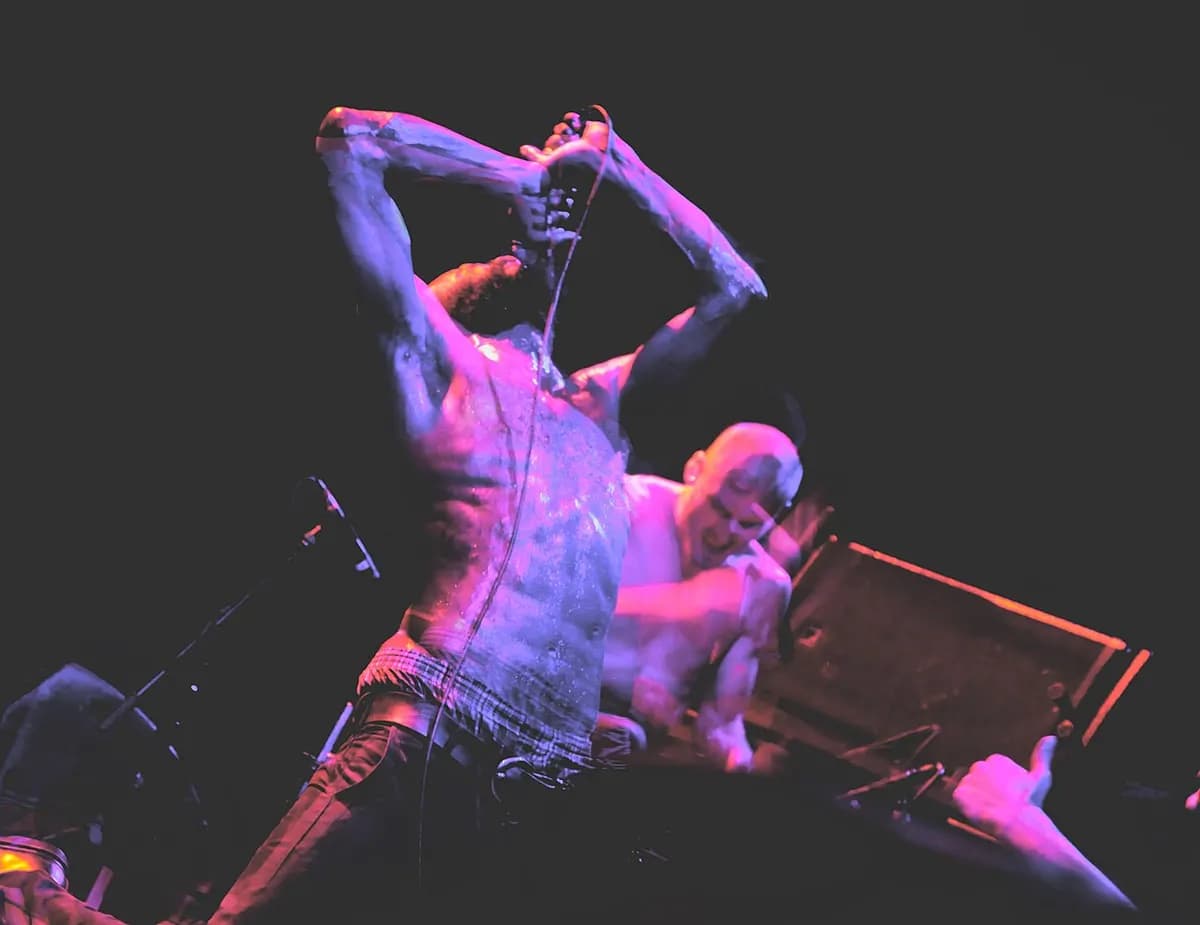
Alternative Hip-Hop vs Conscious, Jazz Rap, Boom Bap and Cloud Rap
Most confusion around the term comes from overlapping labels that describe different things: one is about lyrics, another about production, another about an era. The table below separates them:
| Label | What it describes | Typical sound | Overlap with alternative |
|---|---|---|---|
| Alternative hip-hop | An aesthetic stance against the current mainstream | Varies by era: jazz samples, live funk, noise, sung hooks | — |
| Conscious hip-hop | Lyrical content: politics, society, self-knowledge | Often boom bap or soul samples, but any style is possible | High in the Native Tongues era, low later |
| Jazz rap | Production built on jazz samples or players | Upright bass, horns, Rhodes, relaxed drums | A strand within early alternative rap |
| Boom bap | A drum sound and production era | Hard sampled kick and snare, 85–95 BPM | Shares tools; boom bap can be fully mainstream |
| Cloud rap | A 2010s internet-era mood | Hazy synth pads, slow 808s, reverb-soaked vocals | Often filed as alternative when it first appeared |
Alternative Hip-Hop Today
Since the mid-2010s the dividing line between alternative and mainstream rap has become harder to draw. Singing, genre-mixing, emotional vulnerability and odd sample choices, once the markers of alternative rap, are now normal in the charts, and streaming playlists group music by mood more than by scene. The label survives in two places: as a historical description of the Native Tongues-to-Madvillainy lineage, and as a catch-all for current artists whose production is abrasive or abstract enough that it plainly does not fit the trap and pop rap mainstream.
The underground tradition is also alive in a looser, lo-fi form: dusty, drumless loops, mumbled or conversational verses and very short songs, often released independently on Bandcamp. If you want the wider map of where these strands sit among other rap styles, our guide to hip-hop subgenres lays them out side by side.
Genre AI's production taxonomy has no "alternative" label; the category is defined by attitude and context, and the sound varies too much between strands. The rapped voice over a looped beat is a strong cue for the Rap Hip-Hop label, whose finer answers are Jazzy HipHop, Pop Rap, Trap, Gangsta and Contemporary RnB. Native Tongues and underground records built on jazz and soul samples are the likeliest to come back as Jazzy HipHop. Melodic, sung, 808-heavy material from the late 2000s onward may be called Pop Rap or Trap. The experimental end is where the answers spread out: distorted noise rap can drift to Rock or Electronic Dance, and abstract, beat-light tracks may land on Abstract / IDM / Leftfield, a label whose text prompts include "abstract hip hop". Read the result as a pointer to which corner of rap a track sounds like; it says nothing about whether the artist counts as alternative.