Vaporwave is an internet-born microgenre made from the commercial music of the 1980s and 90s: smooth jazz, lounge, corporate muzak, city pop, R&B. Producers slow these records down, pitch them lower, chop them into loops and soak them in reverb until they sound dreamlike and slightly wrong. It appeared around 2010–2012, and its imagery spread as widely as the music did.
This guide covers what vaporwave is, the albums that started it, how the sound is made, its offshoots (mallsoft, future funk, hardvapour), and why the scene kept going after critics wrote it off. Not sure whether a track is vaporwave, synthwave, or lo-fi? Play a few seconds into our free AI music genre detector.
What Is Vaporwave?
Vaporwave is built almost entirely from other people's records. A producer takes a short passage of 1980s or 1990s commercial music (a smooth jazz saxophone line, a Japanese city pop chorus, a shopping-mall instrumental), slows it to roughly 60–80% of its original speed, loops a few bars, adds heavy reverb, echo and sometimes chorus, and lets it repeat. The result sounds familiar and hazy at once, like music heard through a wall.
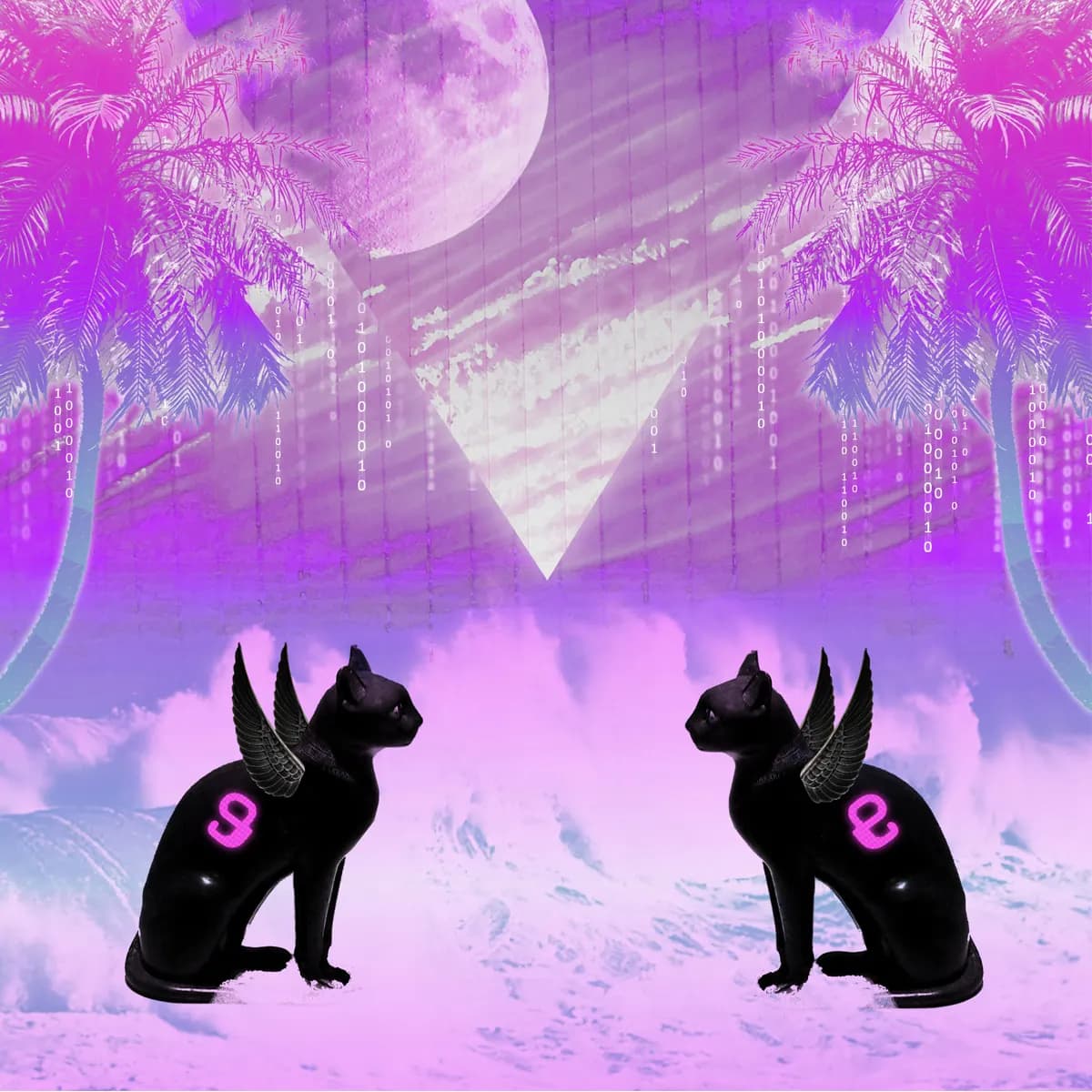
Critics usually read the technique as a comment on consumer capitalism and on the corporate optimism of the late twentieth century: it takes the sound of advertising and shopping centres and stretches it until the cheerfulness turns eerie. The visuals point the same way, with Greco-Roman busts, Windows 95 dialog boxes, VHS glitches, Japanese katakana, palm trees and gradient grids. Album titles and artist names are often written in full-width Unicode or are hard to pronounce on purpose.
History & Origins
The genre grew out of hypnagogic pop and the older plunderphonics tradition of music assembled from recognisable samples. The key early release is Chuck Person's Eccojams Vol. 1 (2010), a cassette by Daniel Lopatin (Oneohtrix Point Never) that slowed and looped fragments of 1980s pop, Toto's "Africa" among them. Most of vaporwave's methods are already on it.
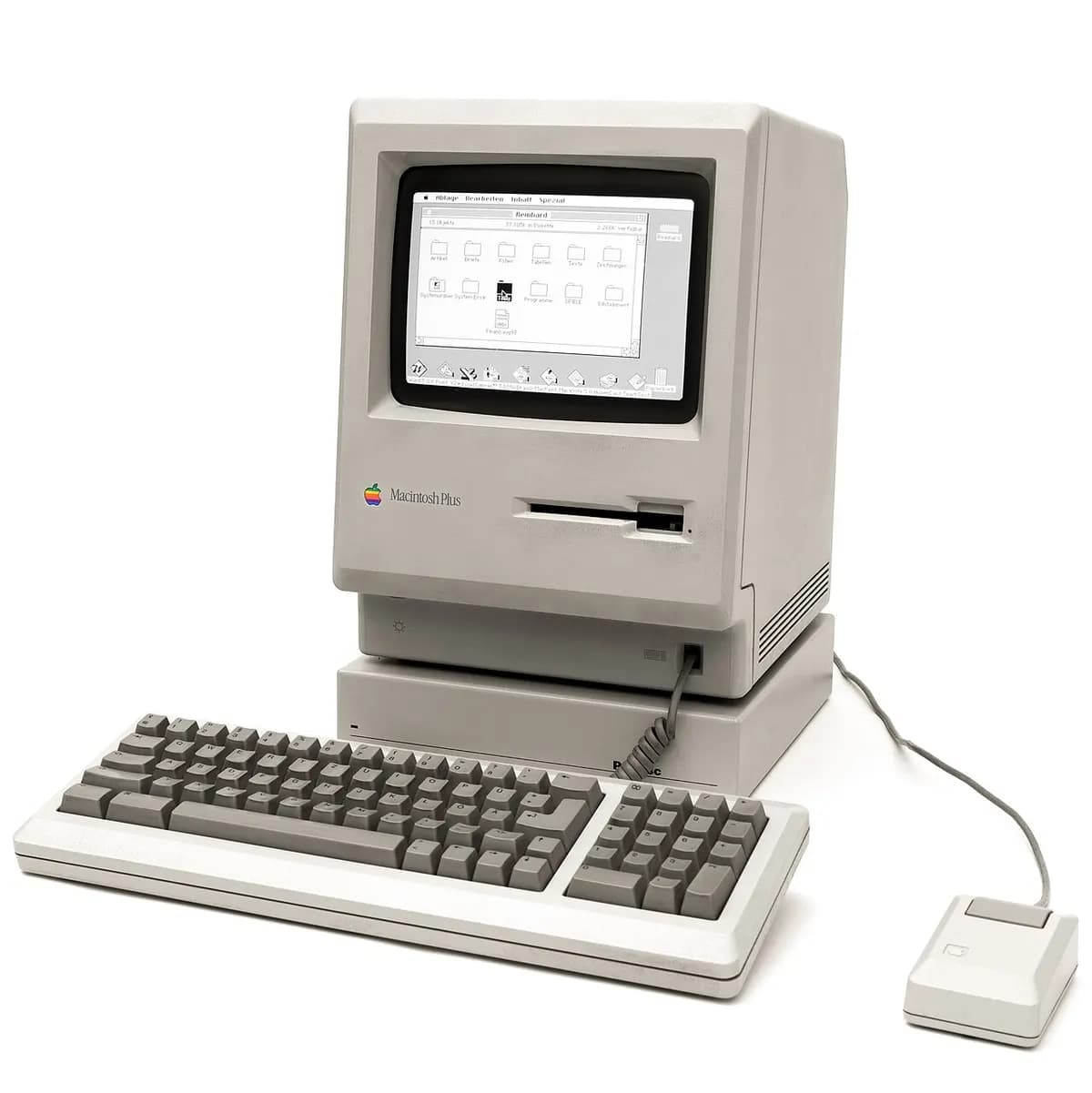
Vaporwave as a named scene took shape in 2011–2012 on Bandcamp, Tumblr and Last.fm. James Ferraro's Far Side Virtual (2011) explored corporate muzak and digital consumer sound; Internet Club and Blank Banshee pushed toward glitch and trap rhythms. In December 2011 Ramona Xavier, recording as Macintosh Plus, released Floral Shoppe on the Beer on the Rug label. Its second track, "リサフランク420 / 現代のコンピュー," became the best-known vaporwave piece and a meme in its own right.
By 2013 some writers were already declaring vaporwave dead, mostly because the formula was easy to copy. It split into offshoots instead: future funk sped city pop samples back up for dancing (Macross 82-99, Saint Pepsi, Yung Bae), mallsoft took the muzak idea as far as it would go, hardvapour answered the genre's softness with aggression, and the visual style moved into fashion, memes, game design and advertising. Labels and artists are still releasing on Bandcamp and cassette.
Key Characteristics & Sound
Vaporwave's markers are unusually explicit:
- Tempo: slowed material, typically 60–110 BPM after pitching down; the original sample was usually faster.
- Pitch: lowered along with the speed, which also darkens the sample. This is the genre's basic move.
- Source material: 1980s–90s smooth jazz, lounge, muzak, city pop, R&B, elevator and corporate music.
- Loops: short, repeated for minutes with little variation.
- Effects: heavy reverb, tape-style echo, chorus, and occasional bit-crushing or glitch.
- Structure: often no verse or chorus, just a loop that starts, hangs and stops.
- Presentation: full-width Unicode titles, Japanese text, VHS and early-web imagery.
The subgenres are easiest to tell apart by what they do to the source:
| Subgenre | Typical BPM | Treatment of the sample | Mood |
|---|---|---|---|
| Classic vaporwave | 60–100 | Slowed, pitched down, looped | Dreamlike, uncanny |
| Mallsoft | 60–90 | Muzak drowned in vast reverb | Empty shopping centre |
| Future funk | 110–130 | Sped up, filtered, danceable | Upbeat, disco-facing |
| Hardvapour | 140–180 | Distorted, aggressive, industrial | Hostile, cold |
| Slushwave | No fixed pulse | Stretched into ambient washes | Submerged, formless |
| Signalwave / broken transmission | Varies | TV and radio ads collaged | Nostalgic, disorienting |
Production & Technique
Vaporwave is a producer's genre made with almost no instruments:
- Sampling: a few bars lifted from an obscure record, usually uncleared and often uncredited. Legally this is a grey area, and the scene has always lived in it.
- Time-stretching and pitch-shifting: the core operation. Classic vaporwave slows the sample and lets the pitch fall with it instead of correcting it.
- Reverb and delay: large hall and plate reverbs that push the loop into the distance.
- Chopping: cutting the loop short or repeating a syllable to break the original phrasing.
- Lo-fi artefacts: tape wobble, bit reduction, VHS-style noise.
- Distribution: Bandcamp, YouTube and small cassette runs; the format is part of the look.
Because the technique is simple, most of the skill is in choosing: which forgotten record, which four bars, and how far to push them before the original disappears.
Subgenres & Offshoots
Vaporwave split into many strands within a few years:
- Mallsoft: muzak placed in a huge reverberant space, like a deserted shopping centre (猫 シ Corp.).
- Future funk: sped-up, filtered city pop and disco samples aimed at the dancefloor (Macross 82-99, Yung Bae).
- Hardvapour: fast, distorted and deliberately unpleasant, a reaction against the genre's comfort.
- Slushwave: layered, time-stretched loops that dissolve into ambient texture (t e l e p a t h テレパシー能力者).
- Signalwave / broken transmission: collages of adverts, station idents and infomercials.
- Barber beats: smoother and groove-based, closer to lo-fi hip-hop (Macroblank).
- Utopian virtual: built from corporate demo music and early-90s software soundtracks.
Notable Artists & Releases
The releases that map the genre:
- Chuck Person: Eccojams Vol. 1 (2010), the blueprint.
- Macintosh Plus: Floral Shoppe (2011), the album most people mean by "vaporwave."
- James Ferraro: Far Side Virtual (2011).
- Blank Banshee: Blank Banshee 0 (2012), the trap-leaning "vaportrap" strand.
- Internet Club: Redefining the Workplace (2012).
- 猫 シ Corp.: Palm Mall (2014), the standard mallsoft reference.
- Macross 82-99: Sailorwave (2013), often cited as an origin point of future funk.
- Yung Bae: future funk producer who moved from Bandcamp edits to official releases and touring.
- t e l e p a t h テレパシー能力者: a prolific slushwave project.
- Saint Pepsi: Hit Vibes (2013), early future funk from Ryan DeRobertis, later Skylar Spence.
Start with "リサフランク420 / 現代のコンピュー," Palm Mall and Sailorwave to hear the classic, mallsoft and future funk ends of the scene.
Vaporwave vs Synthwave vs Lo-Fi
All three are nostalgic, grew up online and are often instrumental, but they are made in completely different ways:
| Trait | Vaporwave | Synthwave | Lo-Fi |
|---|---|---|---|
| Method | Samples slowed and looped | Original composition on synths | Original beats + jazz samples |
| Tempo | 60–110 BPM | 80–118 BPM | 70–90 BPM |
| Nostalgia for | Malls, ads, corporate 80s/90s | Films, arcades, neon 80s | 1990s hip-hop and jazz |
| Mood | Uncanny, ironic, melancholic | Heroic, cinematic | Calm, functional |
| Drums | Whatever the sample had | Programmed drum machines | Swung, dusty, sampled |
| Origin | Bandcamp/Tumblr, 2010–2012 | Blogs and film scores, 2005+ | YouTube streams, 2015+ |
How AI Detects Vaporwave
Vaporwave is an odd case for a classifier. Its spectrum belongs to whatever was sampled, usually smooth jazz, funk or pop, but its behaviour over time does not. The model sees a slow tempo, loops with near-identical bars, long reverb tails smearing the transients, and pitches that sit slightly below standard tuning because the source was slowed down.
That is why a vaporwave track often scores partly as the genre it was made from: a slowed funk loop still reads as funk on the spectrum. Feed your own examples to the Genre AI music genre detector and see how AI music genre detection works for why several labels can share the result.
Testing this genre in Genre AI ourselves, Vaporwave is one of the hardest labels to isolate, because the model hears the source material. Slowed, reverb-heavy loops under 100 BPM built from smooth jazz or city pop often return Lo-Fi, Funk, or Ambient alongside the top result, which is an accurate description of what the track literally contains. Speed the same sample up and filter it, as future funk does, and the reading moves toward Disco and House. Vaporwave is defined by what is done to a sample, not by a timbre of its own, and that makes it a good stress test for genre classification.