
Lo-Fi (short for "low fidelity") is a production aesthetic and a genre built on warm, imperfect sound: tape hiss, vinyl crackle, detuned samples, and mellow jazzy chords laid over slow, swung hip-hop drums at roughly 70–90 BPM. In its most popular modern form, lo-fi hip-hop, it became the soundtrack of a generation: the endless YouTube "lofi beats to study and relax to" streams that play in the background while millions read, work, and unwind.
This guide covers what lo-fi actually is, how it grew from J Dilla and Nujabes into the streaming-era "study beats" phenomenon, how to recognise it by ear, the sampling and tape-texture techniques that define its sound, its subgenres, how it differs from straight hip-hop and jazz, and the artists worth knowing. Wondering whether that hazy beat is really lo-fi? Send a few seconds of it to our free AI music genre detector and let the model read the tape hiss, swung drums, and jazzy chords back to you.
What Is Lo-Fi Music?
Lo-fi is music that deliberately embraces "low-fidelity" production: the hiss, crackle, hum, and warmth that cleaner studios spend money to remove. Where hi-fi production chases pristine sound, lo-fi keeps the imperfections in: a tape machine's saturation, the surface noise of a worn record, a slightly detuned sample, a drum loop that breathes instead of locking to a rigid grid. Those flaws are the point. They make the music feel intimate, nostalgic, and human.
The word "lo-fi" describes an aesthetic that has existed across rock, pop, and electronic music for decades. But for most listeners today, "lo-fi" means lo-fi hip-hop (also called chillhop): slow, swung boom-bap drums; soft, jazzy chords sampled from old vinyl; and a relaxed, loopable feel designed to fade into the background. It is mood music first, built to study, focus, sleep, or relax to, not to demand your full attention.
History & Origins
Lo-fi hip-hop's DNA runs straight back to two producers. In Detroit in the 1990s, J Dilla turned vinyl crackle and "drunk," intentionally off-the-grid drum programming into an art form. His MPC work on records like Donuts (2006) made loose, human swing and dusty sampling the foundation of the sound. In Tokyo, Nujabes flipped modal jazz into feather-light, melodic head-nod beats, most famously scoring the anime Samurai Champloo (2004). Both men sampled jazz, leaned into warmth and imperfection, and are often called the forefathers of the genre.
That lineage also passes through producers like Madlib, Pete Rock, and the wider boom-bap and instrumental hip-hop tradition. Through the 2000s and early 2010s, a generation of bedroom producers, raised on Dilla, Nujabes, MF DOOM, and Madlib, began making jazzy, sample-based instrumentals and sharing them online.
The genre exploded thanks to YouTube. The channel ChilledCow was created on YouTube in 2015 by a French producer, and its 24/7 livestream "lofi hip hop radio – beats to relax/study to" (from 2017), paired with a looping anime-style animation of a girl studying, became a cultural fixture. The channel was renamed Lofi Girl in 2021, and a whole ecosystem of 24/7 streams and netlabels grew up around it.
Key Characteristics & Sound
You can usually identify lo-fi by these traits:
- Tempo: slow and unhurried, typically 70–90 BPM (some tracks sit as low as 60).
- Drums: swung, slightly loose boom-bap loops: a soft kick, dusty snare, and lazy hi-hats that fall just off the grid instead of sitting perfectly quantised.
- Texture: audible tape hiss and vinyl crackle, tape saturation, gentle wow-and-flutter, and a rolled-off, "warm" frequency balance.
- Harmony: mellow, jazzy seventh and ninth chords, often sampled from old jazz, soul, or piano records, looped under the beat.
- Mix: light sidechaining so pads and bass "breathe" under the kick, low-pass filtering, and plenty of reverb for a hazy feel.
- Vibe: calm, nostalgic, introspective, designed to sit in the background while you focus or relax.
If a track feels slow and swung, sounds like it was recorded off a worn cassette, and loops a soft jazzy piano under dusty drums, you're almost certainly hearing lo-fi. Tempo and feel shift a little by sub-style:
| Sub-style | Typical BPM | Feel |
|---|---|---|
| Lo-Fi Hip-Hop | 70–90 | Swung boom-bap, dusty, jazzy |
| Chillhop | 70–90 | Brighter, melodic, upbeat |
| Jazzhop | 75–95 | Live jazz chords, sample-led |
| Lo-Fi / Sleep Ambient | 50–70 | Slow, hazy, beatless or sparse |
| Lo-Fi House | 110–125 | Crunchy, four-on-the-floor, dusty |
Instruments & Production
Lo-fi is fundamentally a producer's genre: the "instrument" is the studio process itself. The classic toolkit includes:
- Sampling: chopping jazz, soul, and piano records into loops. The sample (and its crackle) is often the emotional core of the track, following the Dilla/Nujabes blueprint.
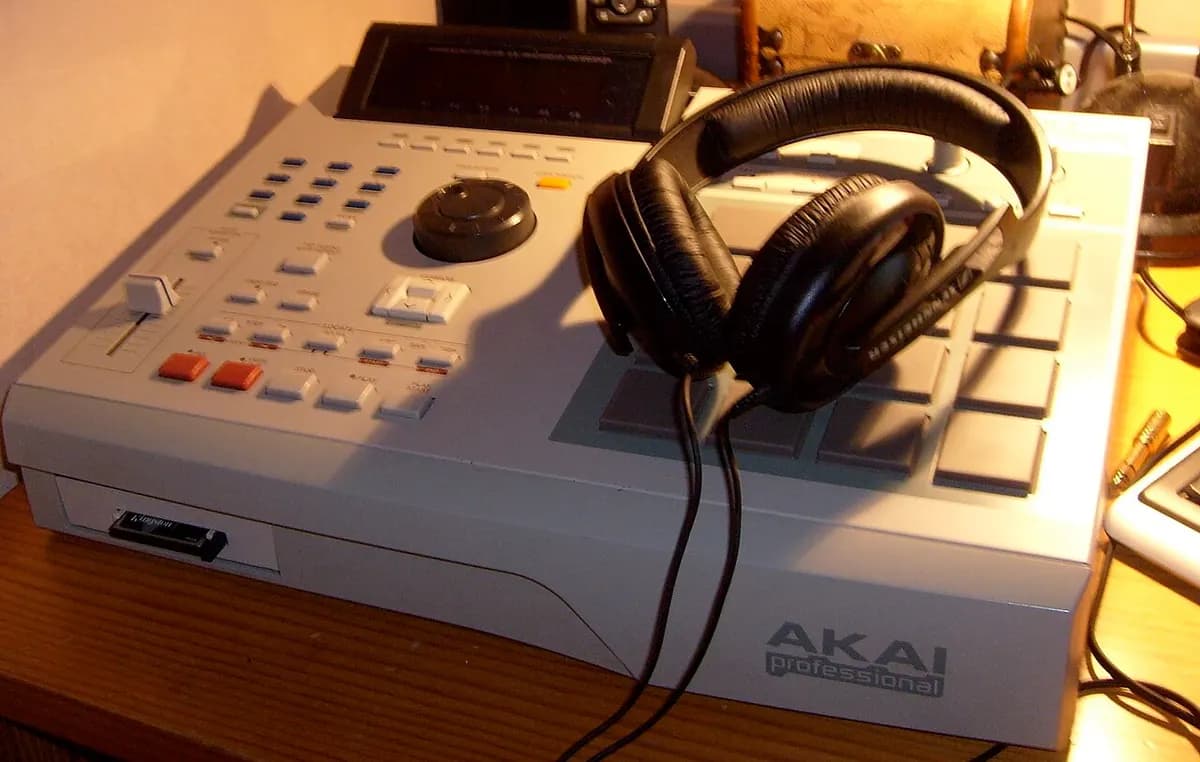
- The MPC (and modern equivalents): Akai MPC samplers gave lo-fi its signature swung, hand-played groove; today producers recreate that feel in any DAW with sampler plugins.
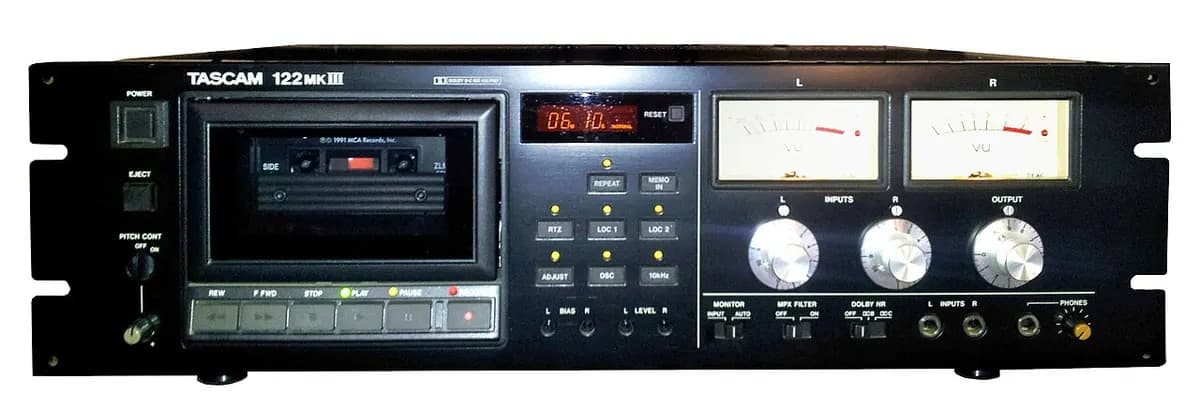
- Tape & vinyl texture: running audio through tape emulation, cassette decks, or vinyl-crackle and noise samples to add hiss, warmth, and wow-and-flutter.
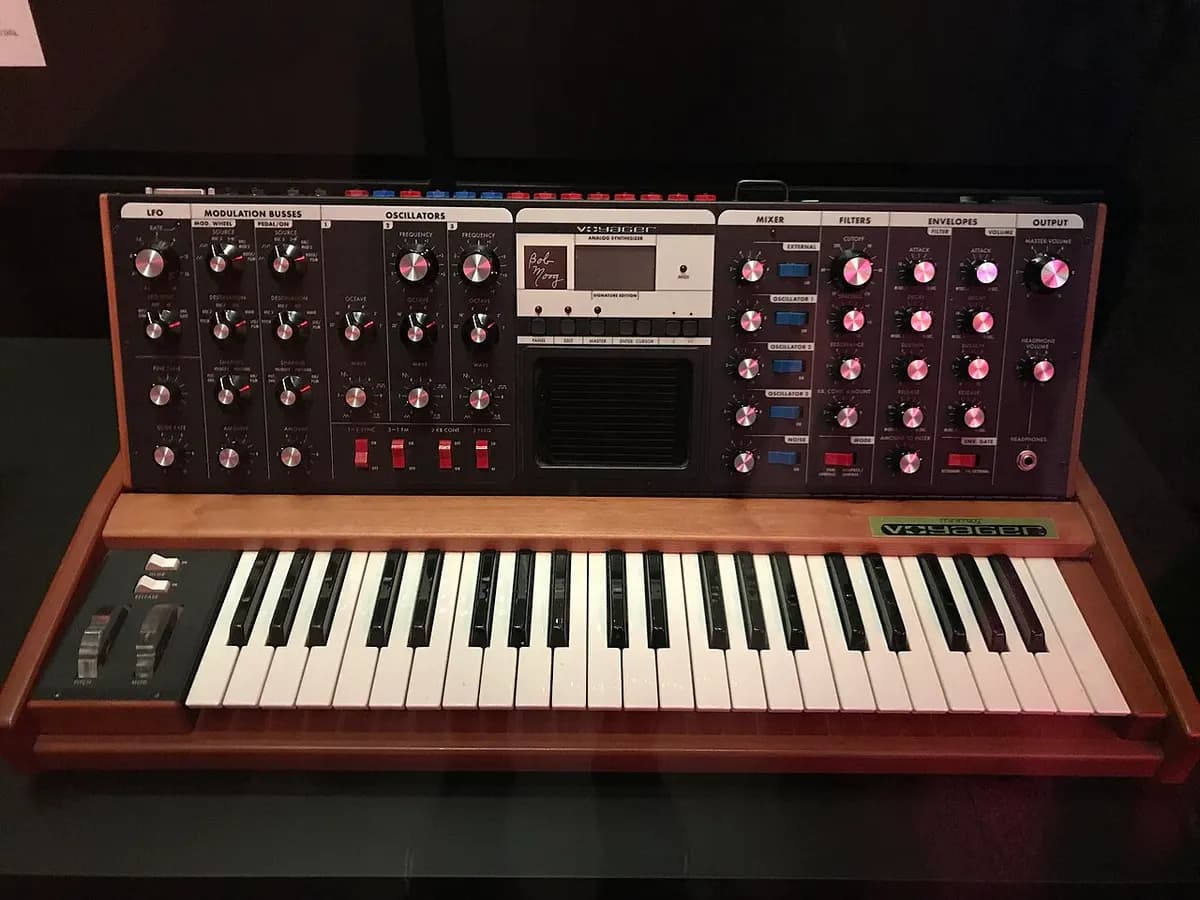
- Keys: soft electric piano (Rhodes-style), upright piano, and warm pads playing jazzy extended chords.
- Bass & drums: rounded sub or upright-bass lines under boom-bap kicks, snares, and shuffling hi-hats, frequently dusted with extra noise.
- Foley & ambience: rain, café chatter, footsteps, and vinyl pops layered in to deepen the cosy, lived-in mood.
Production-wise the goal is to make a clean recording sound older and warmer: low-pass filtering to roll off harsh highs, tape saturation, light sidechaining, bit-crushing or sample-rate reduction, and generous reverb. Most lo-fi today is made entirely in a DAW, but the aesthetic of imperfection on purpose is unchanged.
Subgenres & Related Styles
Lo-fi is an umbrella that overlaps several closely related styles. The most important:
- Lo-Fi Hip-Hop: the core sound: slow, swung boom-bap drums, sampled jazzy chords, and heavy tape/vinyl texture. This is what most people mean by "lofi beats."
- Chillhop: a brighter, more melodic, often slightly more polished cousin, popularised by netlabels like Chillhop Music; upbeat and warm, less hazy.
- Jazzhop: leans hardest on jazz: live or sampled jazz chords, walking basslines, and brushed drums fused with hip-hop rhythm; the most direct descendant of Nujabes.
- Lo-Fi Ambient / Sleep Beats: slower, sparser, sometimes beatless, built for sleep and deep focus, not head-nodding.
- Lo-Fi House: a separate, faster offshoot (around 110–125 BPM) that applies the dusty, crunchy lo-fi aesthetic to four-on-the-floor house instead of swung hip-hop.
The lines between lo-fi hip-hop, chillhop, and jazzhop are blurry, and many tracks fit all three, which is why a detector returns a confidence breakdown, not a single label.
Lo-Fi vs Hip-Hop vs Jazz
Lo-fi sits between two parents: hip-hop's rhythm and jazz's harmony. It shares a lot with both but feels distinct from each.
| Trait | Lo-Fi (hip-hop) | Hip-Hop | Jazz |
|---|---|---|---|
| Tempo | 70–90 BPM | 80–110 BPM | Highly variable |
| Focus | Instrumental, background mood | Vocals / rapping foregrounded | Improvisation, soloing |
| Fidelity | Deliberately lo-fi, hiss & crackle | Clean, modern, hi-fi | Clean studio or live recording |
| Drums | Slow, swung, dusty loops | Hard, punchy, prominent | Live brushes/swing or none |
| Harmony | Sampled jazzy chords, looped | Sample- or synth-led | Live extended jazz chords |
| Purpose | Study, relax, focus | Performance, lyricism | Listening, performance |
Notable Artists & Producers
Notable lo-fi acts include:
- J Dilla: Donuts and his MPC work; the loose, human swing and dusty sampling that underpin the whole genre.
- Nujabes: the Samurai Champloo soundtrack and "Aruarian Dance"; the jazz-flip template for jazzhop.
- Tomppabeats: an early voice of the YouTube lo-fi wave with warm, sample-led beats.
- Jinsang: mellow, jazzy instrumentals found on many "study" playlists.
- Idealism, Saib, Bsd.u, Sworn: bedroom producers from the 2010s lo-fi/chillhop community.
- Nymano, Kupla, Aso: chillhop-leaning artists featured on Lofi Girl and Chillhop streams.
Start with Nujabes' "Aruarian Dance" and a J Dilla beat from Donuts to hear where the genre comes from, then any Lofi Girl stream to hear where it landed.
Lo-Fi Today: Study Streams & Focus Music
More than any other modern genre, lo-fi is defined by how people use it. The 24/7 "beats to study/relax to" livestreams, Lofi Girl above all, turned lo-fi into ambient functional music: a calm, lyric-free backdrop for studying, working, gaming, and falling asleep. Streaming platforms now carry thousands of "lofi," "focus," and "chill beats" playlists, and the aesthetic of rain on a window, a studying anime character, and warm muted colours is easy to recognise.
Producers upload lo-fi from many countries, netlabels release it daily, and the sound has spilled into ambient, study-music, and sleep and wellness apps.
How AI Detects Lo-Fi Music
Lo-fi is easy for an AI model to pick up. The slow, swung tempo, the loose boom-bap drums that fall just off the grid, the rolled-off high end, the audible tape hiss and vinyl crackle, and the looped jazzy chords all become measurements the classifier can weigh against the acoustic patterns it has learned for hundreds of other styles. Since lo-fi borrows its rhythm from hip-hop and its harmony from jazz, the model tends to report a small cluster of likelihoods, not a single winner.
Skip ahead and try it: open the Genre AI music genre detector, give it a few seconds of audio, and it will tell you whether the track reads as lo-fi and which neighbouring style sits closest behind it. Want to know how it arrives there? Our explainer on how AI music genre detection works walks through the model in detail.
In our own listening tests, Genre AI's Lo-Fi reading is strongest on slow, swung drums in the 70–90 BPM range sitting under audible tape hiss or vinyl crackle and looped jazzy chords. Sharpen those drums and bring a vocal to the front and the weighting drifts toward Hip-Hop; clean up the recording until the chords become live, improvised playing and it leans Jazz instead. Surfacing those adjacent styles together is how the model handles a sound that deliberately straddles both.