
Grunge is a raw, guitar-driven strain of rock that combined the weight of metal and the aggression of punk with classic-rock melody. It came out of Seattle at the turn of the 1990s, with fuzzed-out distortion, loud-quiet dynamics, and lyrics about alienation and depression. In January 1992 Nirvana's Nevermind replaced Michael Jackson's Dangerous at No. 1 on the Billboard 200.
This guide covers what grunge actually is, where it came from, how to recognise it by ear, the gear and production choices behind its sludgy tone, its subgenres, and the bands worth knowing. Not sure whether a track is grunge, straight metal, or broader alternative? Play a few seconds into our free AI music genre detector and it will read the distortion, tempo, and dynamics for you.
What Is Grunge?
Grunge is a subgenre of alternative rock characterised by heavily distorted electric guitars, a thick, muddy tone, and a sharp contrast between quiet verses and loud choruses. It takes the slow, heavy riffs of metal and the stripped-down attitude and DIY habits of punk, and adds melody learned from 1960s and 70s rock. The name is slang for something dirty or grimy, which suits the deliberately unpolished sound.
Late-1980s hair metal was flashy and built around guitar solos and party songs. Grunge bands wore flannel shirts and thrift-store clothes, played few solos, and wrote about depression, addiction, and boredom. A typical song has a wall of fuzz, a weary vocal, and a chorus that suddenly gets loud. That mood matters as much as any particular riff.
History & Origins
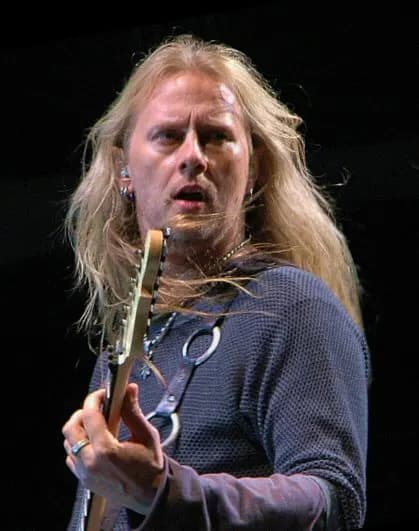
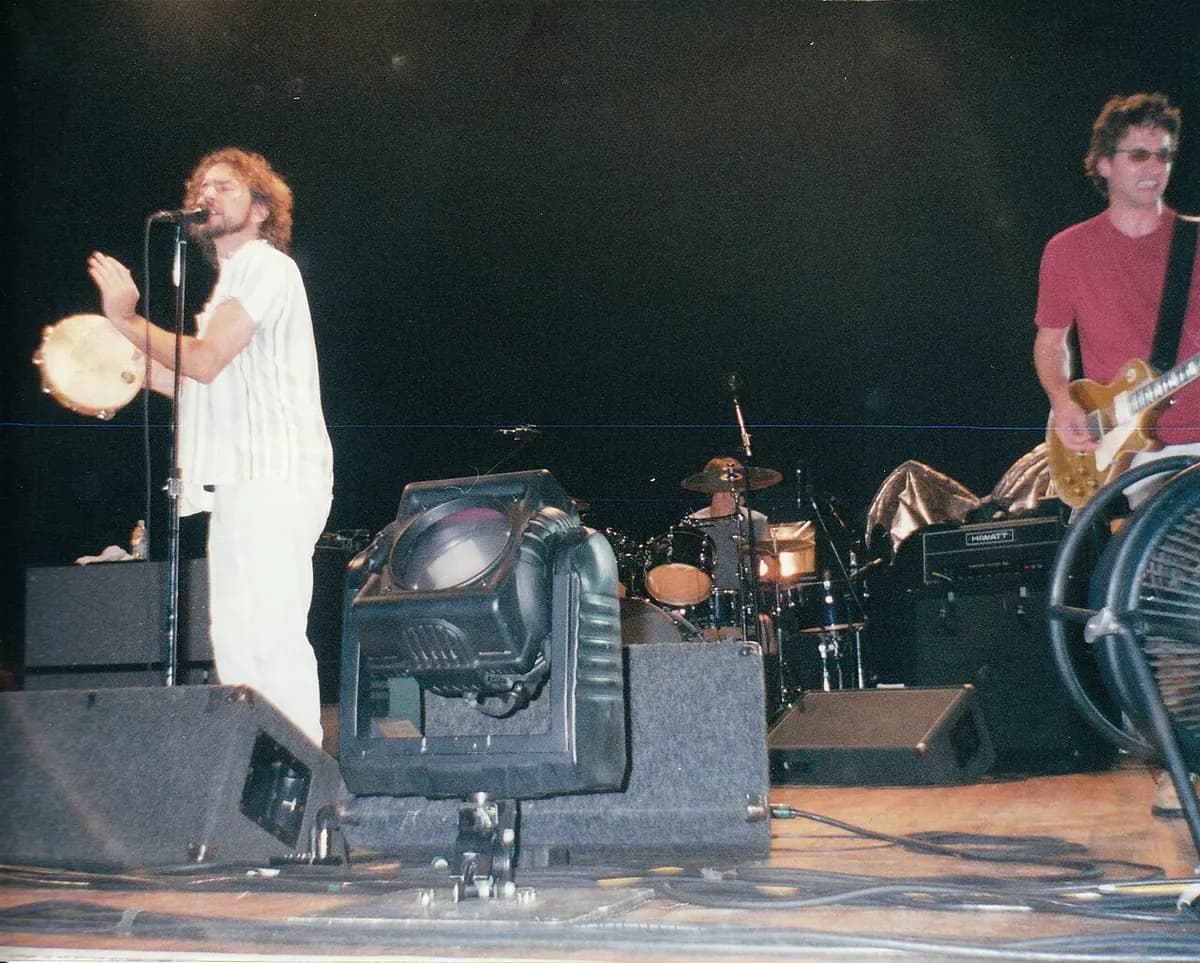
Grunge grew out of the Pacific Northwest underground in the mid-to-late 1980s, centred on Seattle. The 1986 compilation Deep Six (C/Z Records) collected six of the early bands: Green River, Soundgarden, Melvins, Malfunkshun, Skin Yard, and the U-Men. Green River split in 1987; Mark Arm and Steve Turner formed Mudhoney, while Jeff Ament and Stone Gossard formed Mother Love Bone and later Pearl Jam. These bands mixed Black Sabbath's slow heaviness with hardcore punk and the noise of groups like Sonic Youth. Sub Pop, run by Bruce Pavitt and Jonathan Poneman, released many of them, mostly recorded cheaply by Jack Endino, and marketed the result as the "Seattle sound."
The breakthrough came in 1991. Nirvana's Nevermind and its single "Smells Like Teen Spirit" crossed over to mainstream radio and MTV, and on the Billboard 200 dated 11 January 1992 the album replaced Dangerous at No. 1. Pearl Jam's Ten (August 1991), Soundgarden's Badmotorfinger (October 1991), and Alice in Chains' Dirt (September 1992) came out within about a year, and major labels went to Seattle looking for more bands.
The commercial peak was brief. Kurt Cobain's suicide in April 1994 is usually treated as the end of the movement's peak years. Soundgarden split in 1997, Alice in Chains stopped touring after 1996, and radio rock moved toward post-grunge bands. Pearl Jam kept going and still records.
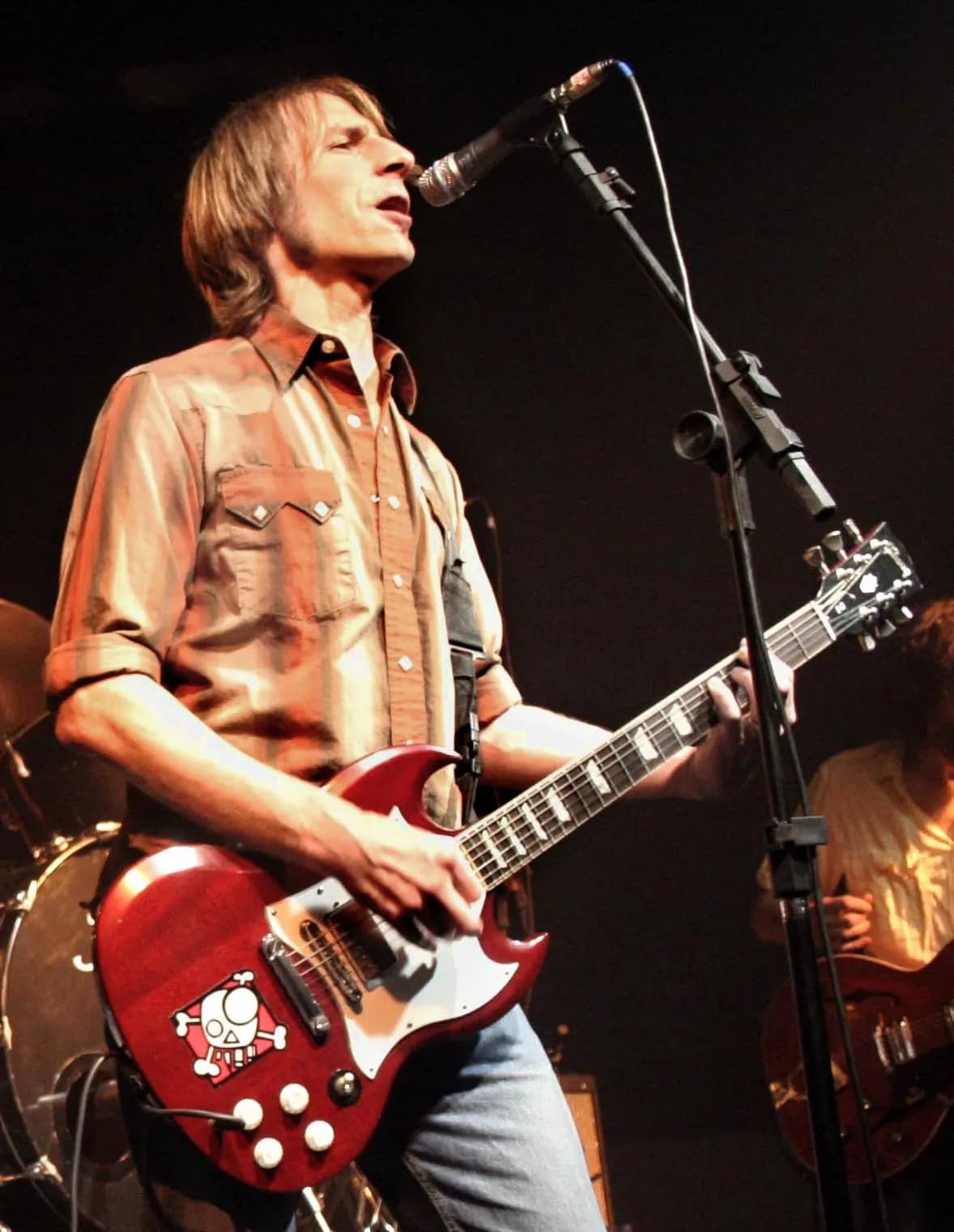
Key Characteristics & Sound
You can usually spot grunge by these traits:
- Tempo: broad but often mid-paced, roughly 90–130 BPM, with plenty of slower, dirge-like songs.
- Guitar tone: thick, fuzzy, heavily distorted; muddier and less precise than metal, often drop-tuned.
- Dynamics: the loud-quiet-loud structure, with hushed, clean verses that jump into distorted choruses.
- Vocals: raw, anguished, sometimes strained or howled; emotive over technical.
- Lyrics: alienation, apathy, depression, disillusionment and social discomfort.
- Production: deliberately rough and unpolished compared with glossy 80s rock.
If a song lurches between a quiet, moody verse and a blast of murky distortion, carried by a weary, emotional vocal, you're probably hearing grunge. Tempo and feel shift noticeably across the movement's key bands:
| Band / style | Typical BPM | Feel |
|---|---|---|
| Nirvana (pop-punk edge) | 115–130 | Catchy, explosive, raw |
| Pearl Jam (classic-rock lean) | 95–120 | Anthemic, melodic, earnest |
| Soundgarden (metal lean) | 90–120 | Heavy, sludgy, psychedelic |
| Alice in Chains (dark/doom) | 70–110 | Ominous, dirge-like, harmonised |
| Mudhoney (garage/punk) | 120–150 | Fuzzed-out, scuzzy, fast |
Instruments & Production
Most grunge bands used the standard lineup of electric guitar, bass, drums, and vocals. The sound comes from how those instruments are treated:
- Electric guitar: cheap or offset models such as Cobain's Fender Mustang and Jaguar, plus Gibson-style humbuckers, pushed through heavy distortion and fuzz.
- Effects pedals: the Boss DS-1 distortion (most of Cobain's distortion on Bleach and Nevermind), the Electro-Harmonix Big Muff fuzz (Mudhoney named their 1988 EP Superfuzz Bigmuff after it and the Univox Super-Fuzz), and the Electro-Harmonix Small Clone chorus (the watery clean tone on "Come as You Are").
- Amps: loud, cranked tube amps for natural breakup and sustain.
- Bass & drums: a heavy, loud rhythm section, often mixed so the low end blurs together.
- Tunings: frequent drop and down-tunings for extra weight, especially in Alice in Chains and Soundgarden.
Production stayed deliberately rough. Endino's early Sub Pop sessions were quick and cheap, and even Nevermind, produced by Butch Vig and mixed by Andy Wallace for a cleaner radio sound, still sounds like a band playing live. The goal was a band playing loud in a room, without the heavy reverb and click-track precision of 1980s arena rock.

Subgenres & Offshoots
Grunge was a fairly tight movement, but it spawned several recognisable strands and successors:
- Sludgy / doom-leaning grunge: the heaviest, slowest end, closest to metal (Soundgarden, Alice in Chains, Melvins).
- Punk / garage grunge: faster and scuzzier, closest to its punk roots (Mudhoney, early Nirvana).
- Melodic / classic-rock grunge: bigger hooks and singalong choruses (Pearl Jam, and San Diego's Stone Temple Pilots).
- Post-grunge: the cleaner, radio-friendly successor heard all over late-90s and 2000s rock radio (Foo Fighters, Bush, Creed, Nickelback).
- Grunge revival: later bands that bring back the fuzz and dynamics, often mixed with shoegaze or emo.
At its edges grunge blurs into neighbouring styles. The heaviest bands border metal, the rawest border punk, and the whole movement sits under the wider alternative rock umbrella.
Notable Artists & Tracks
The essential grunge acts and songs include:
- Nirvana: "Smells Like Teen Spirit," "Come as You Are," "Heart-Shaped Box."
- Pearl Jam: "Alive," "Jeremy," "Even Flow."
- Soundgarden: "Black Hole Sun," "Rusty Cage," "Spoonman."
- Alice in Chains: "Man in the Box," "Would?," "Rooster."
- Stone Temple Pilots: "Plush," "Interstate Love Song."
- Mudhoney: "Touch Me I'm Sick," a 1988 Sub Pop single.
- Screaming Trees: "Nearly Lost You."
- Hole: "Violet," "Doll Parts."
- Melvins: slow, sludgy riffing; Buzz Osborne was a friend and early influence of Kurt Cobain, and drummer Dale Crover played on Nirvana's first demo.
Start with "Smells Like Teen Spirit," "Black Hole Sun," and "Would?" to hear the range from pop-punk energy to doom-tinged heaviness.
Grunge vs Alternative vs Metal
Grunge is often lumped in with its neighbours, and the lines do blur. All share distorted guitars, but the roots, tempo, and feel differ:
| Trait | Grunge | Alternative | Metal |
|---|---|---|---|
| Origin | Seattle, late 1980s | US/UK college scene, 1980s | UK/US, early 1970s |
| Tempo | 90–130 BPM | 100–150 BPM | 100–200+ BPM |
| Guitar tone | Muddy, fuzzy, loose | Varied, often jangly/clean | Precise, tight, aggressive |
| Feel | Angsty, downcast, raw | Broad, experimental, offbeat | Powerful, technical, intense |
| Vocals | Anguished, strained | Melodic to sardonic | Powerful, screamed, or operatic |
How AI Detects Grunge Music
An AI model recognises grunge through a cluster of signals: thick, fuzzy guitar distortion with loose harmonic content, mid-tempo drumming in the 90–130 BPM range, and the big dynamic swings between hushed verses and blown-out choruses. Because grunge sits so close to metal, punk, and broader alternative rock, the model scores it against all of them and returns several weighted labels, not a single answer.
Try it yourself: open the Genre AI music genre detector, feed it a few seconds of audio, and it will tell a sludgy Alice in Chains dirge apart from a scuzzy Mudhoney burst, and flag when a track leans more metal or alternative. To understand the mechanics behind that call, read our explainer on how AI music genre detection works.
Testing this genre in Genre AI ourselves, the clearest Grunge readings come from mid-tempo tracks in the 95–125 BPM band built on fuzzy, loosely distorted guitars and a loud-quiet-loud arc. Push the tempo up and scuzz out the tone and the model drifts toward Punk; tighten the riffs and add double-kick and it edges into Metal; smooth the dynamics and it settles on broad Alternative. Those near-neighbour scores ride alongside the top result, so you can see how close the call was.