Gothic metal is a slow-to-mid-tempo, melancholic branch of heavy metal that combines the weight of doom metal with the atmosphere, keyboards and romantic darkness of gothic rock. Its records lean on minor-key riffs, piano and synthesiser pads, mournful lead guitar and, in its most recognisable form, a duet between a deep male voice or growl and a clean female soprano, the so-called "beauty and the beast" vocal.
This guide covers where the style came from in early-1990s England, how it spread to Norway, the Netherlands, Portugal, Finland and Italy, what the music is made of, and how it differs from gothic rock, doom and symphonic metal. Gothic rock is the post-punk scene of Bauhaus and the Sisters of Mercy; gothic metal is what metal bands built from that mood a decade later. To hear where a brooding, keyboard-heavy track lands with a classifier, run a clip through our free AI music genre detector.
What Is Gothic Metal?
Gothic metal is defined more by mood than by technique. The guitars are distorted and often down-tuned, but the riffs move slowly and leave space; above them sit keyboards, piano, strings or a violin, and the vocal line is usually the centre of the arrangement. The emotional range is narrow on purpose: melancholy, longing, loss and faded romance, dressed in a theatrical, Victorian kind of darkness. The violence and blasphemy of extreme metal are mostly absent.
The name points at two parents. From doom metal it takes tempo, weight and the funereal minor key. From gothic rock it takes atmosphere, the baritone croon, the chorus-and-reverb guitar textures and the look of black clothes, candlelight and literary gloom. Its own contribution is arrangement: layered keyboards, a lead guitar that sings like a second vocalist, and, from the mid-1990s, a female soprano as a fixed member of the line-up.
Two neighbours share part of the name or the sound. Gothic rock is a guitar-and-bass-led offshoot of post-punk with no metal riffing at all and often a drum machine behind it. Symphonic metal grew partly out of gothic metal but moved the orchestra to the front and raised the tempo.
History & Origins
The roots run back to the 1980s. Celtic Frost's Into the Pandemonium (1987) brought female vocals and orchestral touches into extreme metal; Therion's Christofer Johnsson later said that neither his band nor Paradise Lost would have sounded the way they did without it. The doom tradition of Black Sabbath, Candlemass and Trouble supplied the slow, heavy riff. Meanwhile the British goth scene of Bauhaus, The Sisters of Mercy and Fields of the Nephilim had built a sound and an audience that metal fans increasingly shared.
The decisive step came on the Peaceville label in the north of England. Paradise Lost, formed in Halifax in 1988, began as a death-doom band; their second album, Gothic (1991), added a female guest vocalist, Sarah Marrion, and orchestral parts to the crawl, and gave the style its name. Together with My Dying Bride from Bradford and Anathema from Liverpool, all three signed to Peaceville in the early 1990s, they became known as the "Peaceville Three". My Dying Bride had already used violin; when Martin Powell joined as violinist and keyboard player in 1993, his string lines shaped Turn Loose the Swans. Paradise Lost moved steadily towards clean vocals and song structure on Icon (1993) and Draconian Times (1995); their later records never matched the success of the latter.
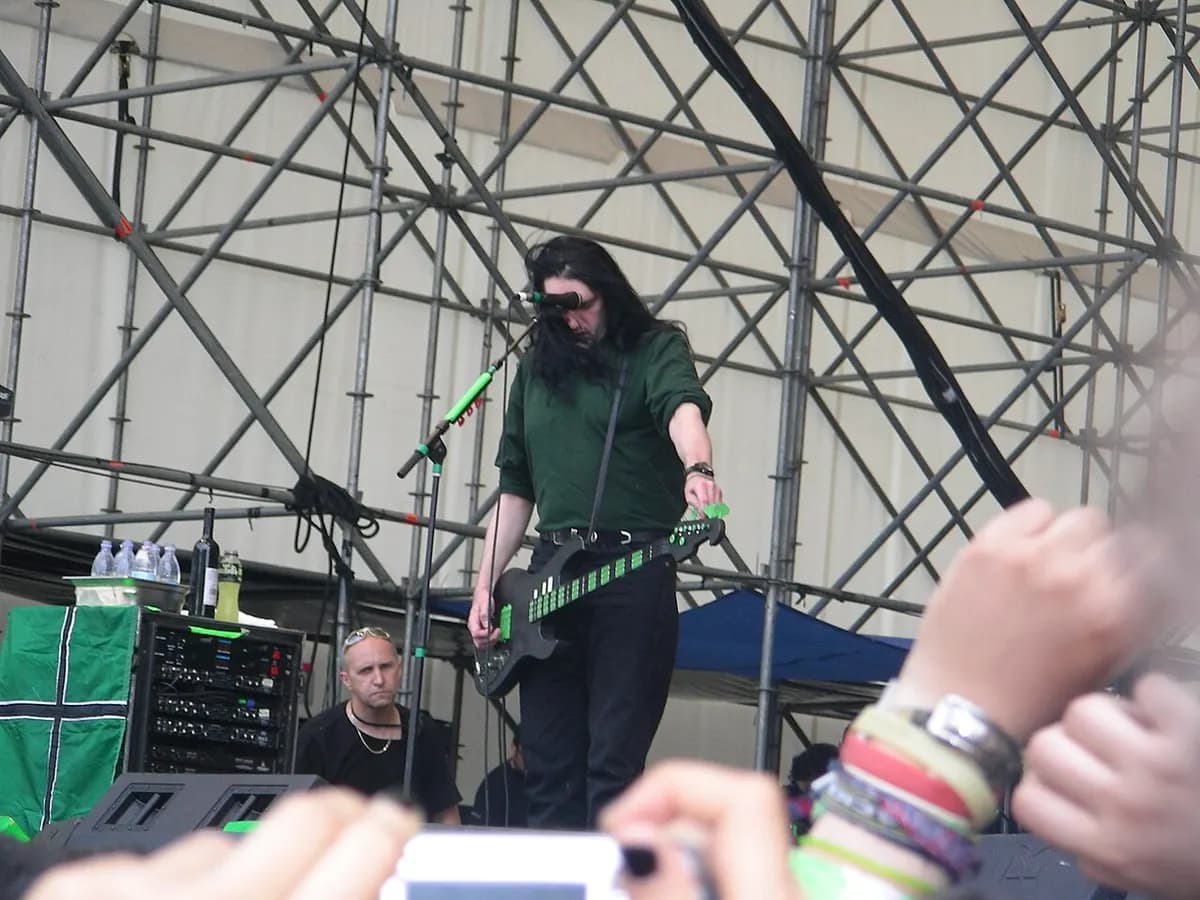
In the United States, Type O Negative arrived at a similar place from a different direction. The Brooklyn band, led by bassist and singer Peter Steele, mixed doom riffs, Beatles-style harmony and organ with a deep, ironic croon on Bloody Kisses (1993) and October Rust (1996). Bloody Kisses, with "Black No. 1" and "Christian Woman", became the first Roadrunner Records album certified gold in the US and later went platinum.
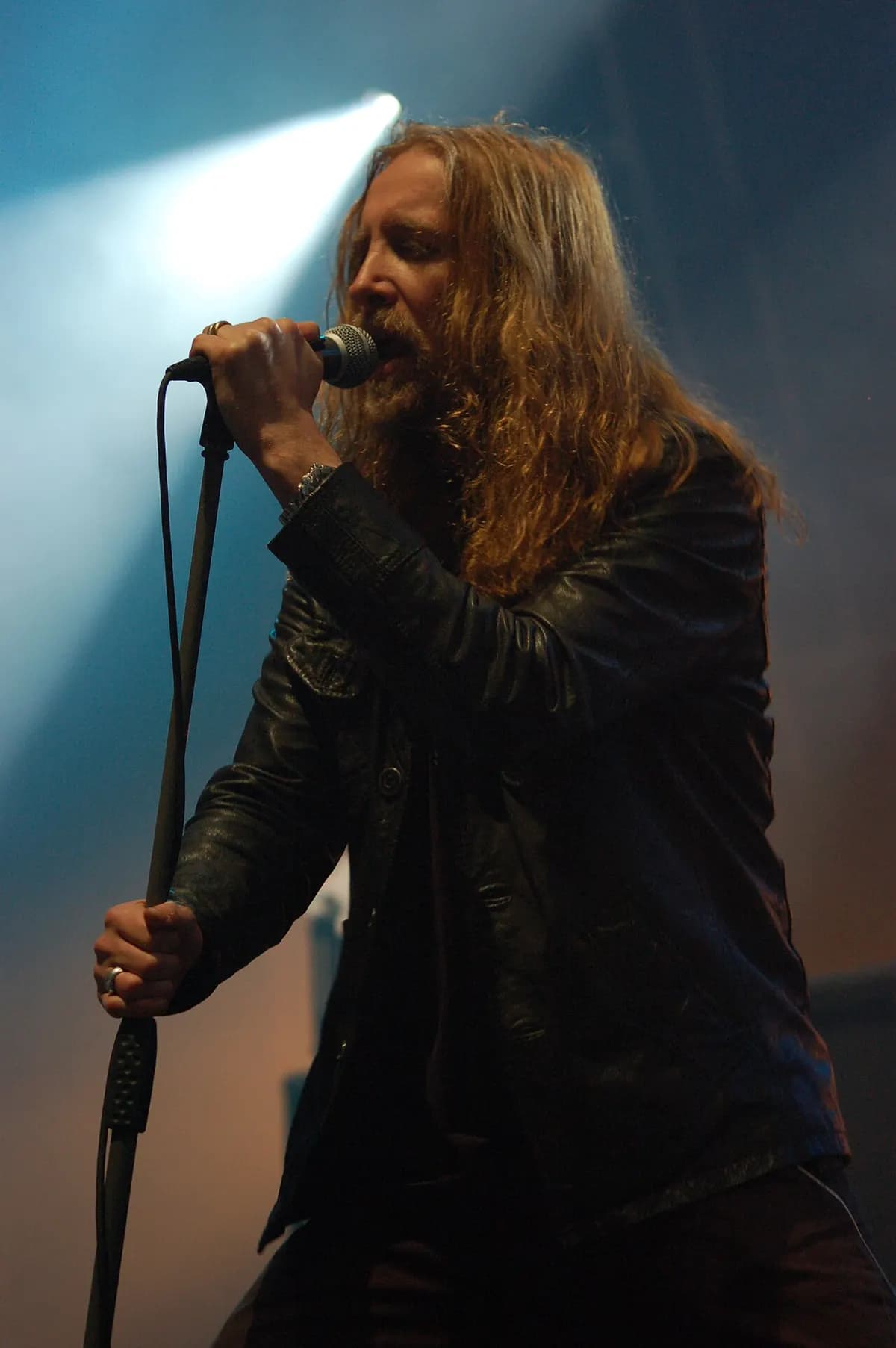
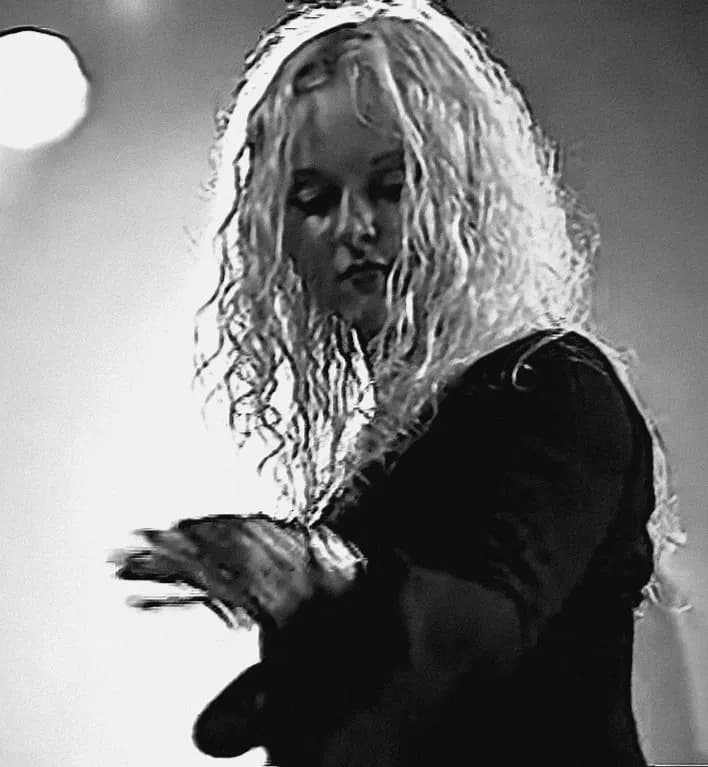
Norway supplied the template that most people now associate with the word. Theatre of Tragedy, from Stavanger, built their sound on the contrast between Raymond István Rohonyi's growls and Liv Kristine Espenæs's high, breathy soprano. Other bands had used the duet on individual songs, but their self-titled 1995 debut was the first album devoted to it, and Velvet Darkness They Fear (1996) followed a year later. Tristania followed with Beyond the Veil (1999). In the Netherlands, The Gathering brought in Anneke van Giersbergen for Mandylion (1995) and drifted towards atmospheric rock; in Sweden, Tiamat's Wildhoney (1994) and Katatonia's turn towards melancholic rock carried the mood forward.
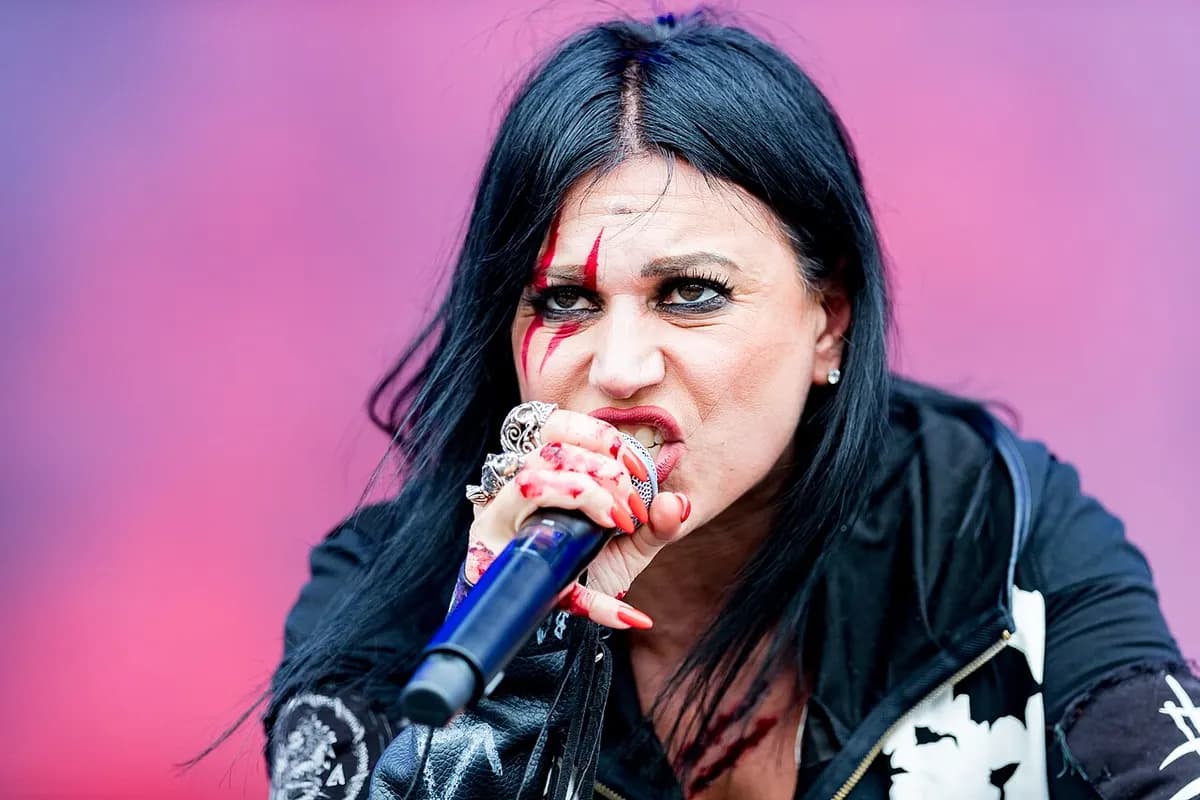
The late 1990s and 2000s made the style international. Moonspell from Portugal released Wolfheart (1995) and Irreligious (1996). Finland produced Sentenced and HIM, who called their sound "love metal" and later used the phrase as an album title; Razorblade Romance (2000) reached number one in Finland, Germany and Austria. Italy's Lacuna Coil, with Cristina Scabbia and Andrea Ferro sharing vocals, broke through internationally with Comalies (2002) and became the best-selling act in the history of their label, Century Media. The Dutch band Within Temptation started as a gothic metal group on Enter (1997) and Mother Earth (2000) before moving into symphonic metal, which is where much of the female-fronted scene went next.
Key Characteristics & Sound
What marks a gothic metal record:
- Tempo: mostly 60–120 BPM, with doom-derived songs near the bottom of that range and the radio-friendly Lacuna Coil and HIM school nearer the top.
- Harmony: natural minor almost throughout, slow chord changes, and frequent use of sustained pedal tones under a moving melody.
- Vocals: either a deep, crooned baritone in the Type O Negative and later Paradise Lost mould, or the beauty-and-the-beast duet of growls against a soprano.
- Guitars: heavy, often down-tuned chords alternating with clean, chorus-soaked arpeggios borrowed from gothic rock; lead lines are melodic and slow, with little shred.
- Keyboards: piano, organ, string pads and choir samples, frequently carrying the main melodic hook.
- Strings: violin in the My Dying Bride tradition, or sampled string sections.
- Lyrics: grief, love, death, romantic and religious imagery, Romantic-era poetry and literature.
How it compares with its closest relatives:
| Trait | Gothic Metal | Gothic Rock | Doom Metal | Symphonic Metal |
|---|---|---|---|---|
| Peak period | 1991–2005 | 1980–1990 | 1986–present | 1997–present |
| Typical BPM | 60–120 | 110–140 | 50–90 | 100–160 |
| Guitar | Heavy riffs + clean arpeggios | Clean, chorus, flanger | Very heavy, slow riffs | Heavy riffs under orchestra |
| Vocals | Baritone croon or growl + soprano | Deep baritone | Clean wail or growl | Operatic soprano |
| Keyboards | Central | Occasional | Rare | Orchestral, central |
| Reference track | Black No. 1 | Temple of Love | Solitude | Nemo |
Instruments & Production
Gothic metal is a band format extended with keyboards and sometimes strings:
- Two guitars splitting rhythm and melody, typically tuned down a whole step or more for weight; the lead player often doubles the vocal line.
- Bass mixed prominently, a habit inherited from gothic rock and taken to an extreme by Peter Steele's distorted bass in Type O Negative.
- Keyboards: piano for intros and ballads, Hammond-style organ, synthesiser pads and sampled choirs.
- Violin or cello on some records, played live in bands such as My Dying Bride.
- Drums mostly in half-time feels, with double bass saved for climaxes.
- Production that favours space and reverb: long halls on vocals and keyboards, softer transients than death or thrash metal, and a mix that leaves the voice on top.
Labels mattered to the scene's identity. Peaceville in England hosted the founding trio; Music for Nations released Draconian Times; Roadrunner put out Type O Negative; and Century Media signed Moonspell and Lacuna Coil as the continental European wave grew.
Scenes & Related Styles
Gothic metal splits into several recognisable strands:
- Gothic doom / death-doom: the Peaceville origin, slow, heavy, growled, with violin or keyboards: early Paradise Lost, My Dying Bride, Anathema.
- Beauty-and-the-beast gothic metal: the Norwegian template of growls against a soprano, as in Theatre of Tragedy, Tristania, early Sirenia.
- Female-fronted gothic metal: a clean female lead without growls, closer to rock, as in The Gathering, Lacuna Coil, early Within Temptation.
- Gothic rock-metal or "love metal": catchy, radio-friendly and baritone-led, as in HIM, later Sentenced, The 69 Eyes.
- Symphonic gothic metal: the bridge to symphonic metal, with orchestral arrangements, as on Within Temptation's Mother Earth, Epica's early work.
- Atmospheric and progressive offshoots: bands that left metal for melancholic rock, such as later Anathema, The Gathering, Katatonia, close in spirit to post-rock and progressive rock.
Neighbouring genres feed the style at both ends: industrial rock touches its electronic wing, while black metal bands such as Cradle of Filth borrowed its imagery and keyboards.
Key Bands & Albums
A listening path through the style:
- Paradise Lost: Gothic (1991) for the origin, Draconian Times (1995) for the peak.
- My Dying Bride: Turn Loose the Swans (1993).
- Anathema: The Silent Enigma (1995).
- Type O Negative: Bloody Kisses (1993), October Rust (1996); "Black No. 1".
- Tiamat: Wildhoney (1994).
- Theatre of Tragedy: Velvet Darkness They Fear (1996).
- The Gathering: Mandylion (1995).
- Moonspell: Wolfheart (1995), Irreligious (1996).
- Tristania: Beyond the Veil (1999).
- HIM: Razorblade Romance (2000).
- Lacuna Coil: Comalies (2002).
- Within Temptation: Mother Earth (2000), the hinge to symphonic metal.
| Country | Key bands | Defining record | Signature trait |
|---|---|---|---|
| England | Paradise Lost, My Dying Bride, Anathema | Gothic (1991) | Death-doom weight, violin, keyboards |
| United States | Type O Negative | Bloody Kisses (1993) | Baritone croon, organ, irony |
| Norway | Theatre of Tragedy, Tristania | Velvet Darkness They Fear (1996) | Growl + soprano duet |
| Netherlands | The Gathering, Within Temptation | Mandylion (1995) | Female lead, atmosphere |
| Portugal | Moonspell | Wolfheart (1995) | Folk and occult colour |
| Finland | HIM, Sentenced | Razorblade Romance (2000) | Catchy, radio-ready melancholy |
| Italy | Lacuna Coil | Comalies (2002) | Male-female dual lead vocals |
Gothic Metal vs Gothic Rock, Doom and Symphonic Metal
Three questions place most tracks. Is there a metal riff? If the guitars are clean, flanged and driven by a drum machine, it is gothic rock, however dark the mood. How slow and heavy is it? If the riffs crawl below about 70 BPM, there are no keyboards and the vocals are a wail or a growl, it is doom metal. Who leads, the band or the orchestra? If an orchestra and an operatic soprano carry the song at a brisker tempo, it has crossed into symphonic metal.
Gothic metal sits in the middle of those three: metal guitars, a doom-derived pace, keyboards that support or lead, and a vocal that is sung, not shouted, for at least part of the song. For the wider map of metal styles, see the guide to metal subgenres.
How AI Detects Gothic Metal
For a classifier, gothic metal gives a mix of strong and weak cues. Distorted guitar energy across the mid-range, a sustained low end and cymbal-heavy drums point firmly to metal. At the same time the tempo is low, onsets are sparse compared with thrash or power metal, and long stretches are carried by piano, pads or a clean female voice. Heard on their own, those passages resemble rock, pop or even classical music.
Genre AI's production taxonomy has no gothic metal label. Its coarse Metal category has six subgenres: Black Metal, Death Metal, Doom Metal, Heavy Metal, Metalcore and Nu Metal. A riff-heavy chorus will most likely come back as Doom Metal or Heavy Metal, with the other Metal subgenres as alternatives; a piano intro or a soprano verse may instead be placed under Rock or Classical. Try different sections of the same song in the Genre AI music genre detector and compare the top label with the alternatives listed under it.
In Genre AI, gothic metal should land in the coarse Metal category, since the production taxonomy has no gothic metal label; the nearest subgenres are Doom Metal and Heavy Metal. Slow, riff-dominated material such as early Paradise Lost or My Dying Bride is likely to read as Doom Metal, because tempo, tuning and sustained distortion are nearly identical, and the keyboards and melody that separate the two may be missing from a short clip. Growled Peaceville-era passages may also bring up Death Metal as an alternative. The opposite drift happens on soprano-led verses, piano breaks and clean-guitar passages: with little distortion, the model may choose Rock and one of its subgenres, such as Soft / Pop Rock or Progressive / Psychedelic Rock, until the heavy guitars return. Pop and Soundtrack have no subgenres in the taxonomy, so they should rarely win while a Metal or Rock reading is close. Expect the clearest metal reading from a full-band chorus.