Footwork, also called juke or Chicago juke, is a fast, sparse, polyrhythmic dance music from Chicago's South and West Sides, built for the competitive dance of the same name. Tracks run at around 160 BPM and are made from a few elements: skipping, syncopated kick drums, crackling snares and claps from old drum machines, deep sub-bass, and short vocal samples looped and stuttered until they become rhythm. It grew out of house music's rawest local offshoot, ghetto house, in the late 1990s.
This guide covers the difference between juke and footwork, the dancers and DJs who built the sound, its spread through Planet Mu and Hyperdub, how the tracks are put together, the records to start with, and how footwork compares with jungle, Jersey club and trap. To see how a classifier copes with those stop-start rhythms, try a clip in our free AI music genre detector.
What Is Footwork?
Footwork is Chicago dance music in its most stripped-back and rhythmically complex form. A typical track has no chord progression, no conventional build or drop and very little melody. What it has is rhythm: kick drums that land in irregular, triplet-heavy patterns instead of on every beat, snares and claps scattered across the grid, a sub-bass that hits with the kicks, and a vocal fragment (two words from an R&B song, a rap ad-lib, a film line) repeated dozens of times with shifting cuts and pitch.
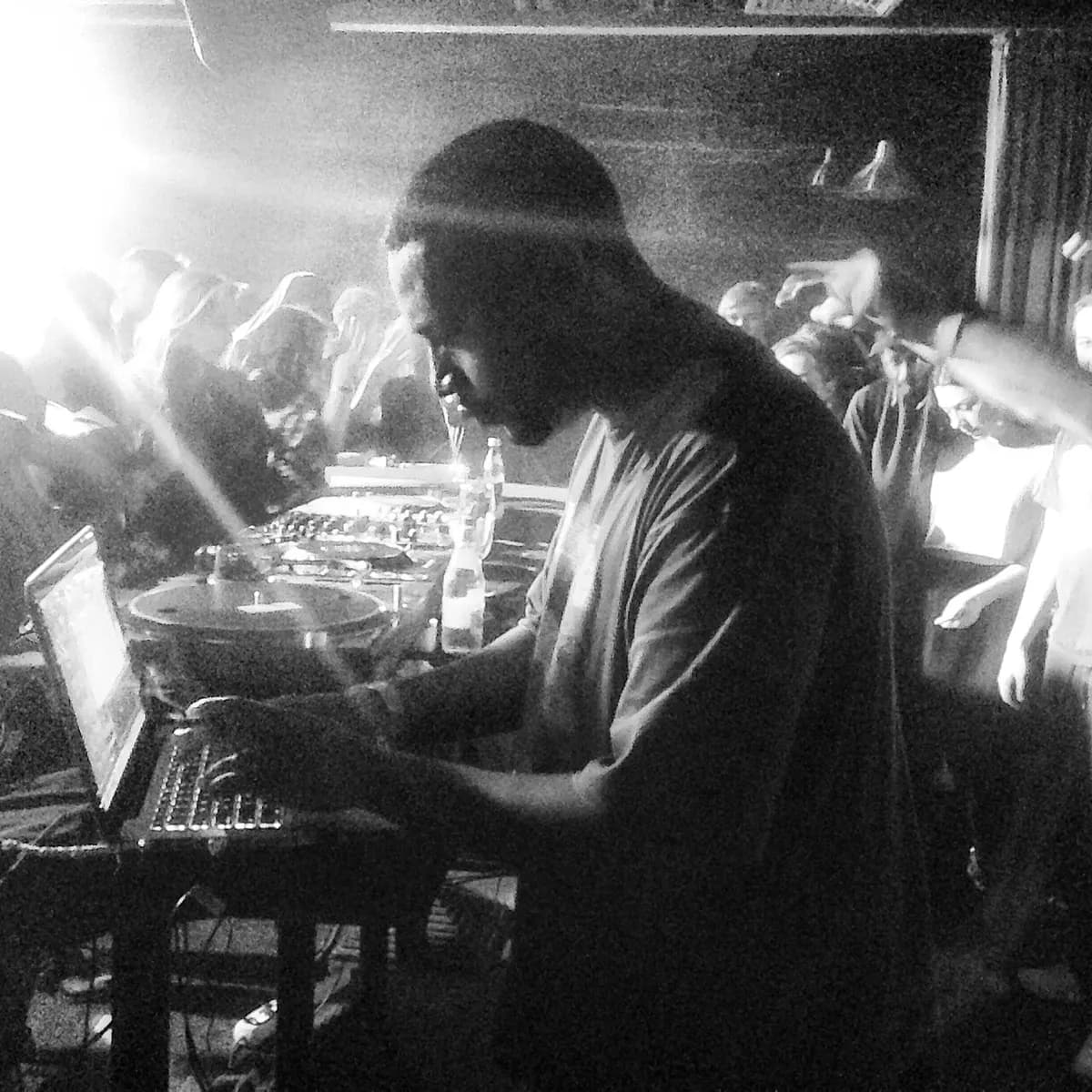
The music was made for the dance. Footwork dancing is a battle form: dancers face off in circles and at organised competitions, with extremely fast, detailed foot movements, spins and drops that sit somewhere between house dance, tap and breaking. The music's half-time and full-time switches, sudden gaps and stuttering samples give dancers accents to hit. Producers were often dancers themselves.
The words "juke" and "footwork" are used both as synonyms and as two stages of one scene. In the narrower sense, juke is the fast, four-on-the-floor ghetto house that took hold in Chicago in the 1990s, while footwork is the more abstract offshoot that abandoned the steady kick altogether. If the kick is on every beat, it is closer to juke; if the kick skips and the track switches between full-time and half-time, it is footwork. The relationship is roughly like that between jungle and drum and bass.
History & Origins
Footwork's parent is ghetto house, the raw, explicit, drum-machine-driven branch of Chicago house that flourished in the early and mid-1990s around the Dance Mania label and DJs such as DJ Funk, DJ Deeon and DJ Slugo. Ghetto house was already fast. According to RP Boo, the push toward footwork began when West Side DJs started playing ghetto house records at 45 RPM instead of 33, speeding everything up for the dancers.
RP Boo (Kavain Space), himself a former dancer with the House-O-Matics crew, is generally credited with the first tracks in the footwork canon, with "Baby Come On" (1997) often named as a founding record. Others involved in the early sound include DJ Rashad, DJ Clent and DJ Spinn. In 1998 DJ Clent gathered several of these producers into a crew called Beatdown House; they deliberately distanced themselves from the "juke" label, which was associated at the time with the four-on-the-floor tracks of DJ Puncho and Gant-Man. The name stuck anyway, and "juke" ended up covering the whole scene.
Through the 2000s footwork was a strictly local, peer-to-peer music. Tracks travelled on mixtapes swapped in Chicago public schools and later through MySpace, imeem and YouTube, and many were never formally released, so a lot of early material is hard to find. In 2007 the sound briefly reached a wider audience: Kid Sister's "Pro Nails", with a guest verse from Kanye West, used footwork's switch between half-time and full-time, and Twista's "Pimp Like Me" got airplay on MTV.
International attention arrived through Britain. Mike Paradinas's label Planet Mu released the compilations Bangs & Works Vol. 1 (2010) and Vol. 2 (2011), which introduced Chicago producers to European listeners and critics, and followed with artist albums such as DJ Nate's Da Trax Anthology (2010), Traxman's Da Mind of Traxman (2012) and RP Boo's debut album Legacy (2013). Kode9's Hyperdub label released much of DJ Rashad's work, including Double Cup (2013), which critics placed on many year-end lists.
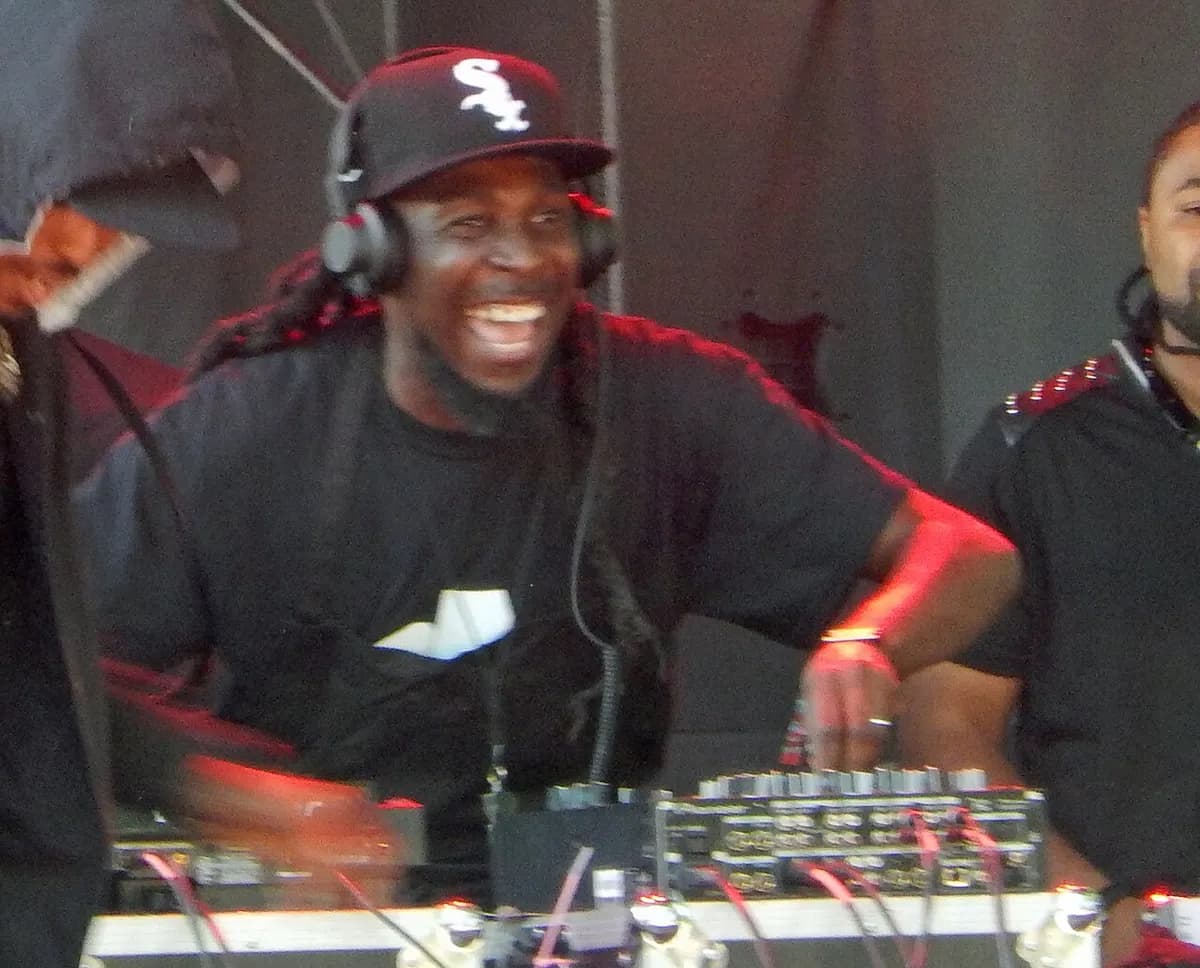
DJ Rashad, leader of the Teklife crew, died on 26 April 2014 at the age of 34; toxicology later pointed to drug intoxication. His death, together with Chicago youth's turn toward drill, hit the local scene hard. By then footwork had audiences elsewhere: RP Boo began touring internationally, Teklife continued under DJ Spinn and others, Japan developed a juke and footwork scene of its own, and London grew a dedicated community of footwork dancers and parties. The producer Jlin, from Gary, Indiana, took the form into experimental composition with Dark Energy (2015) and Black Origami (2017) on Planet Mu.
Key Characteristics & Sound
What identifies a footwork track:
- Tempo: 150–165 BPM, most often around 160, frequently felt in half-time (80) and switched back to full-time mid-track.
- Kick pattern: skipping, syncopated kicks in triplet and dotted groupings, with no four-on-the-floor pulse; the gaps matter as much as the hits.
- Percussion: crackling snares, claps, rimshots and toms with a vintage drum-machine character; rapid hi-hat and tom rolls.
- Sub-bass: heavy, often 808-style, locked to the kicks.
- Samples: short vocal or instrumental snippets from R&B, rap, soul, pop or film, looped, chopped, re-pitched and stuttered into a rhythmic motif.
- Harmony: minimal or none; a single sampled chord or pad at most.
- Mood: hypnotic and tense; to someone who has never seen the dance, experimental tracks can sound almost impossible to move to.
- Production: lo-fi and direct, with clipping and rough edits left in.
Where it sits among its neighbours:
| Trait | Footwork | Juke / Ghetto House | Jersey Club | Jungle |
|---|---|---|---|---|
| Origin | Chicago, late 1990s | Chicago, 1990s | Newark, early 2000s | London, early 1990s |
| Typical BPM | 150–165 (half/full-time) | 140–160 | 130–140 | 160–175 |
| Kick pattern | Skipping, syncopated | Four-on-the-floor | Triplet kick bursts | Chopped breakbeats |
| Drum source | Drum machines | Drum machines | Drum machines, bed squeaks | Sampled funk breaks |
| Bass | 808 sub | Simple synth bass | 808 sub | Reggae-style sub-bass |
| Signature | Stuttered vocal loops | Chanted explicit hooks | Bouncing kicks, vocal chops | Amen break edits |
Instruments & Production
Footwork was made with whatever was cheap and close to hand:
- Hardware drum machines and samplers in the early years: RP Boo learned to produce on a Roland R-70 drum machine and still uses it, alongside an Akai sampler.
- FL Studio (FruityLoops) on home PCs, which became the scene's standard tool through the 2000s.
- Sample chopping, the core skill: cutting a vocal into tiny pieces and resequencing them so they become a drum pattern of their own.
- Classic drum-machine sounds such as 808 kicks and toms and 909 claps and hats, not acoustic drum samples.
- Minimal arrangement: a handful of tracks, constantly muted and unmuted to create the stop-start feel.
- DJ performance: tracks are short and mixed quickly, often with rapid back-and-forth cuts to keep dancers on edge.
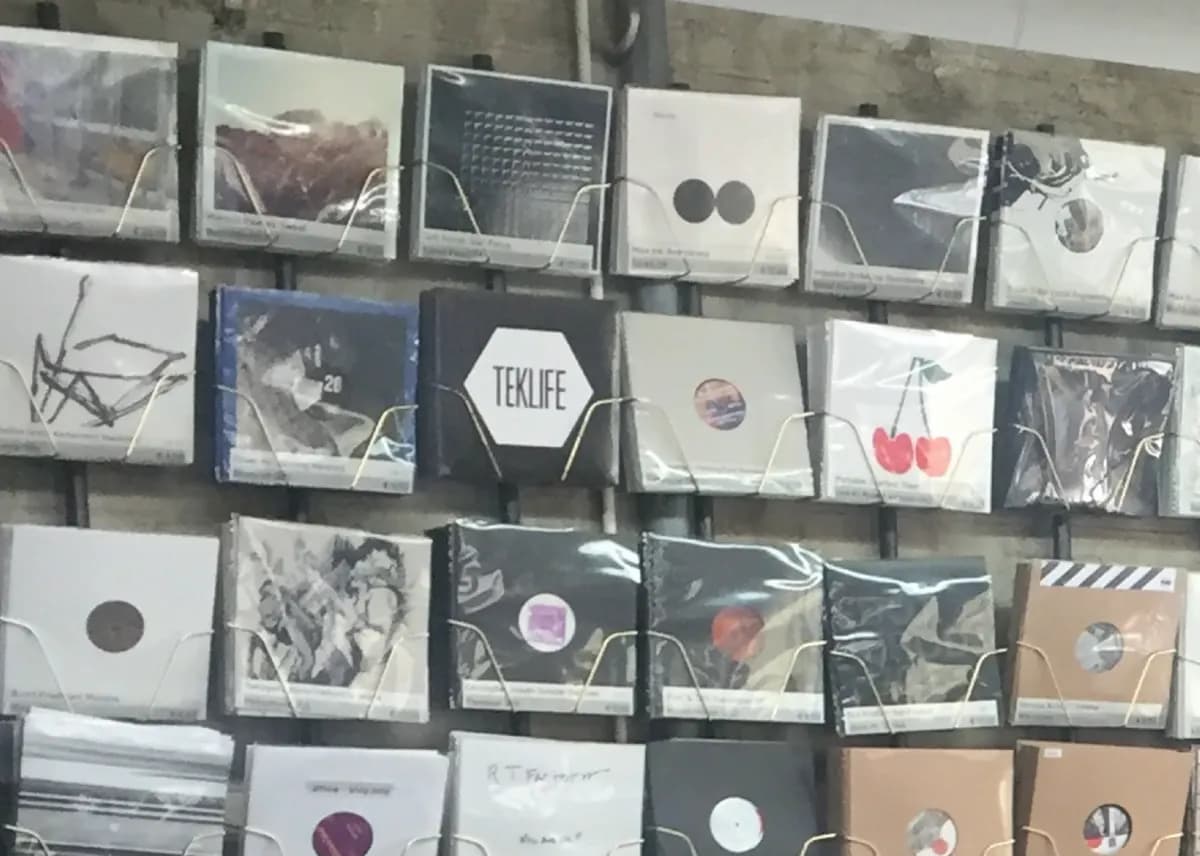
Labels that carried footwork beyond Chicago include Planet Mu, Hyperdub, the Teklife imprint itself, and a range of European and Japanese independents that reissued the scene's early, self-released material.
Scenes & Related Styles
- Ghetto house: the 1990s parent, with explicit chants, four-on-the-floor kicks, Dance Mania records.
- Juke: the faster four-on-the-floor phase, associated with DJ Puncho and Gant-Man.
- Teklife footwork: the DJ Rashad and DJ Spinn school, with deep sub-bass, soul and R&B samples, more melodic than the early abstraction.
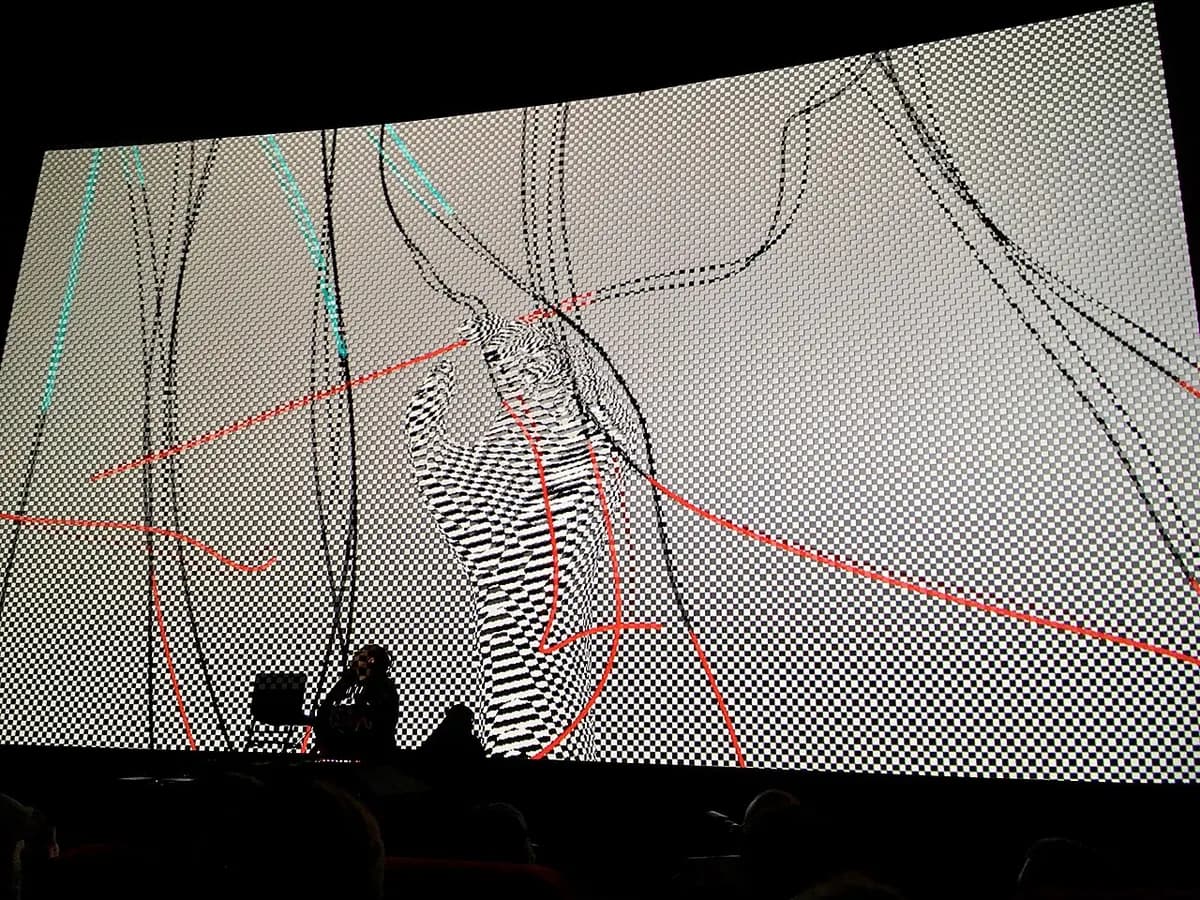
- Experimental footwork: Jlin and others who write for listening at home or in concert, not for battles.
- Japanese juke/footwork: a scene that grew in the 2010s from DJ Fulltono's work in Osaka, with producers and dance crews of its own.
- UK footwork crossovers: producers blending footwork with jungle, drum and bass and UK bass; the shared 160 BPM tempo makes the overlap natural.
Footwork also belongs to a wider family of fast, regional club musics, among them Jersey club, Baltimore club and gqom, in which a local dance shapes how the tracks are made. Our blog post What Is Jersey Club? covers the Newark style in detail.
Key Artists & Records
Where to start:
- RP Boo: "Baby Come On" (1997); Legacy (Planet Mu, 2013).
- DJ Rashad: Double Cup (Hyperdub, 2013), the scene's best-reviewed album.
- DJ Spinn: long-time Rashad collaborator and Teklife co-leader.
- Various artists: Bangs & Works Vol. 1 (2010) and Vol. 2 (2011), the first juke compilations to find an international audience.
- DJ Nate: Da Trax Anthology (2010).
- Traxman: Da Mind of Traxman (2012).
- DJ Clent: founder of the Beatdown House crew in 1998.
- Jlin: Dark Energy (2015) and Black Origami (2017).
- DJ Earl and DJ Taye: the next Teklife generation.
Footwork vs Jungle, Jersey Club and Trap
- vs jungle and drum and bass: all three run near 160 BPM with heavy sub-bass, and producers move easily between them. Jungle and drum and bass are built on chopped, sampled funk breakbeats; footwork uses drum-machine hits and skipping kicks, and its hook is a looped vocal, where jungle often hangs on a bassline.
- vs Jersey club: both chop vocals and use triplet kicks for dancers, but Jersey club is slower (130–140 BPM), bouncier and more pop-friendly, with its signature bed-squeak samples. Footwork is faster, sparser and more abstract.
- vs trap: footwork's half-time sections can resemble trap at 80 BPM, and both use 808s and fast hi-hats. Trap is usually built around a rapper and keeps one steady feel; footwork is mostly instrumental and keeps switching between half and full time.
- vs house: footwork descends from Chicago house, but without the four-on-the-floor kick it no longer works on a house dancefloor.
Footwork is a hard case for Genre AI, which has no footwork or juke label. The style breaks the steady patterns a genre model leans on: the kick skips, the tempo feel flips between 80 and 160, and the loudest sound is often a looped vocal fragment, not a drum or a chord. The most likely answer is Breakbeat / Drum & Bass under the coarse Electronic Dance label, because the 160 BPM tempo and the dense sub-bass are shared with drum and bass and jungle; House, Electro or Techno may show up as alternatives. Teklife-style tracks built on soul and R&B samples, with 808s in a half-time section, may instead go to the coarse Rap Hip-Hop label, most likely as Trap (see hip-hop). R&B itself has no subgenres and rarely wins against those two. A longer clip with both half-time and full-time passages gives the model more to go on.