Bedroom pop is pop music written, recorded and often produced by the artist alone at home (typically in a bedroom, on a laptop, with a cheap interface, a guitar and a drum machine or loop library) and released directly to the internet. The sound that grew out of those conditions is soft and close: quiet vocals, chorus-washed guitars, simple programmed beats, warm keyboards and an unpolished, homemade finish. The New York Times used the phrase as early as 2006, but it took hold in the mid-2010s, when young artists found large audiences on YouTube, SoundCloud, Bandcamp and streaming playlists without a label or a studio, and Spotify named a playlist after it.
This guide covers the home-recording tradition bedroom pop grew from, the late-2010s breakthrough of Clairo, Rex Orange County, Cuco, Boy Pablo and girl in red, what the records sound like and how they are made, and how bedroom pop differs from lo-fi, indie pop and chillwave. Want to know how your own home recording reads to an algorithm? Upload a clip to the free AI music genre detector.
What Is Bedroom Pop?
Bedroom pop is, first of all, a description of where and how music is made. The defining condition is that one person, or a very small circle of friends, handles songwriting, performance, recording and mixing, using consumer gear in a domestic space. That constraint shapes the sound: quiet singing because the walls are thin, direct-input guitars and software instruments because there is no room for amplifiers or a drum kit, and a mix that keeps the imperfections because there is no engineer to remove them.
Over time the constraint became an aesthetic. By the late 2010s "bedroom pop" described a recognisable style as much as a method: mellow tempos, jangly or chorused guitar, soft drum-machine grooves and plain-spoken lyrics about crushes, loneliness and growing up. In 2020 Daniel Wray of The Guardian described its sound as "dreamy, introspective and intimate", spanning indie, pop, R&B and emo. Some records filed under the name were later made in professional studios but kept the same intimacy.
Bedroom pop is closely tied to its distribution. Its artists built audiences through YouTube uploads, SoundCloud and Bandcamp pages, algorithmic recommendations and, later, TikTok, and many were teenagers or in their early twenties when they broke through. Several of them later pushed back against the label: Clairo said it "can be limiting", and Cuco called it "just the label of the internet".
History & Origins
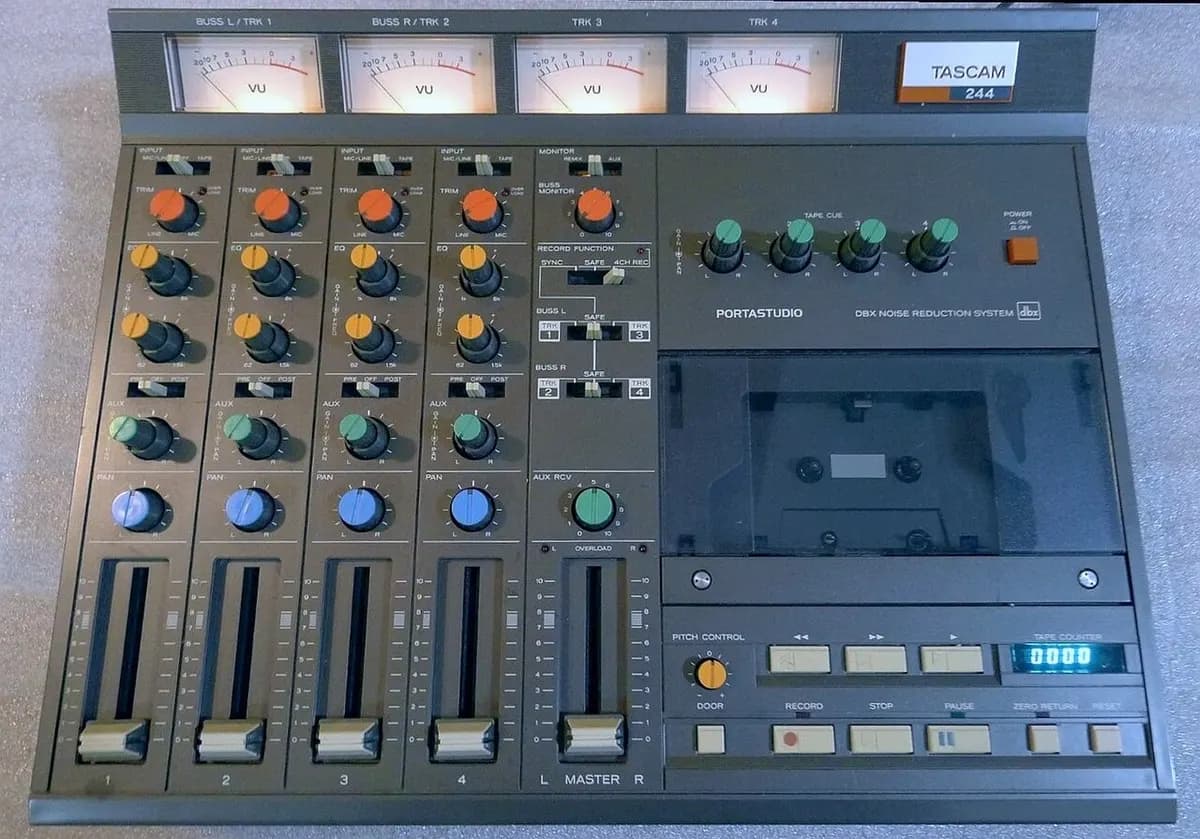
The home-recording tradition. Musicians have made records at home for as long as multitrack recorders have been affordable. From 1968 R. Stevie Moore recorded full albums on reel-to-reel tape in his parents' basement in Tennessee; the first to come out on a label was Phonography (1976). Tascam's Portastudio (1979) made multitrack cassette recording portable, and Daniel Johnston recorded songs on a boombox and distributed cassettes by hand in Austin, Texas; Hi, How Are You (1983) is the best-known. In the 1980s and 1990s the cassette and indie underground, including the K Records circle around Beat Happening and later Elephant 6, treated a homemade sound as a mark of authenticity, and Beck's "Loser", recorded in a kitchen, reached the Billboard top 10 in 1994. In the 2000s Ariel Pink's home recordings fed directly into chillwave and hypnagogic pop.
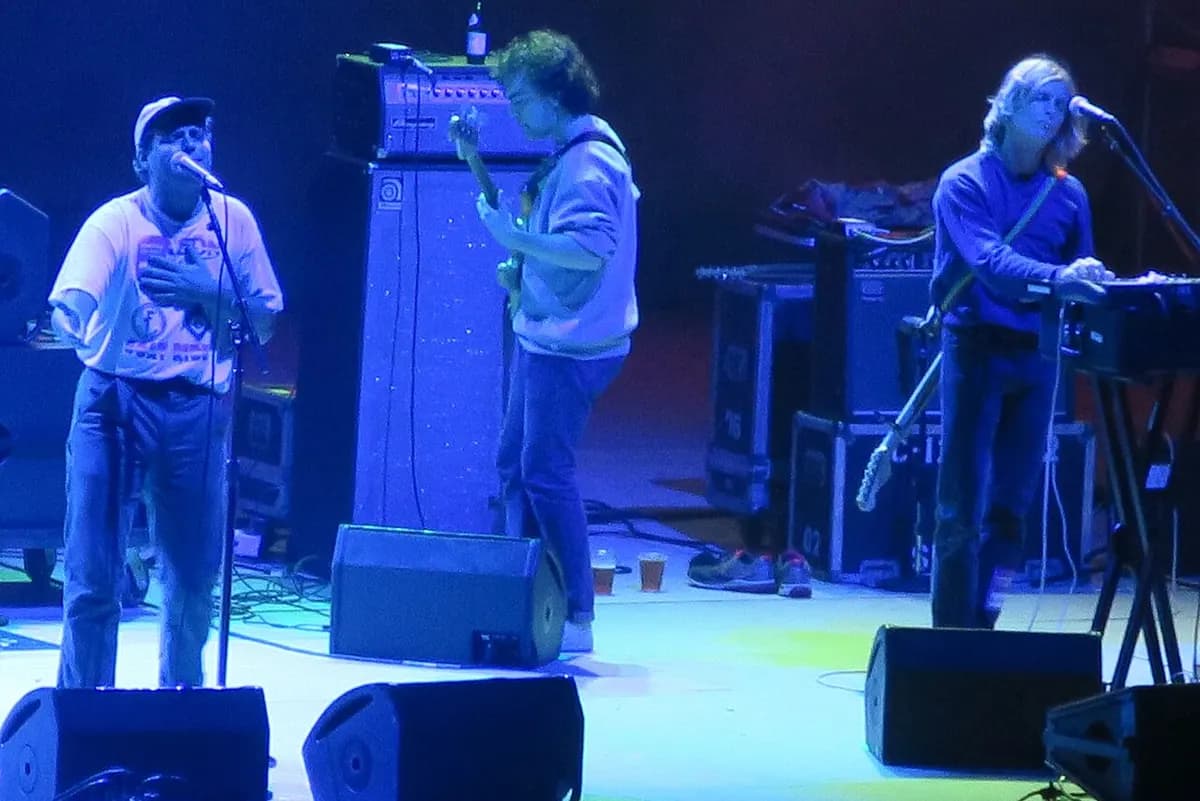
Laptop production and the internet. By the late 2000s, free or cheap software such as GarageBand, together with inexpensive USB interfaces and microphones, meant that a teenager's computer could produce a releasable record. Bandcamp (launched 2008) and SoundCloud gave those records somewhere to live. Alex G in Philadelphia built a following through self-released Bandcamp albums in the early 2010s, and Mac DeMarco, who recorded his own albums, became one of the scene's most imitated figures: the woozy, chorus-heavy guitar tone of 2 (2012) and Salad Days (2014) turns up on a great many bedroom productions.
The 2016–2019 breakthrough. The term became widespread when a cluster of young artists went viral almost at once:
- Rex Orange County (Alex O'Connor), from England, self-released Bcos U Will Never B Free (2015, free on SoundCloud and Bandcamp) and Apricot Princess (2017), then featured on Tyler, the Creator's Flower Boy (2017).
- Cuco (Omar Banos), from Hawthorne in Los Angeles County, taught himself Ableton Live, self-produced the mixtape Wannabewithu (2016) and in 2017 released "Lo Que Siento", his first bilingual song, which led to a deal with Interscope.
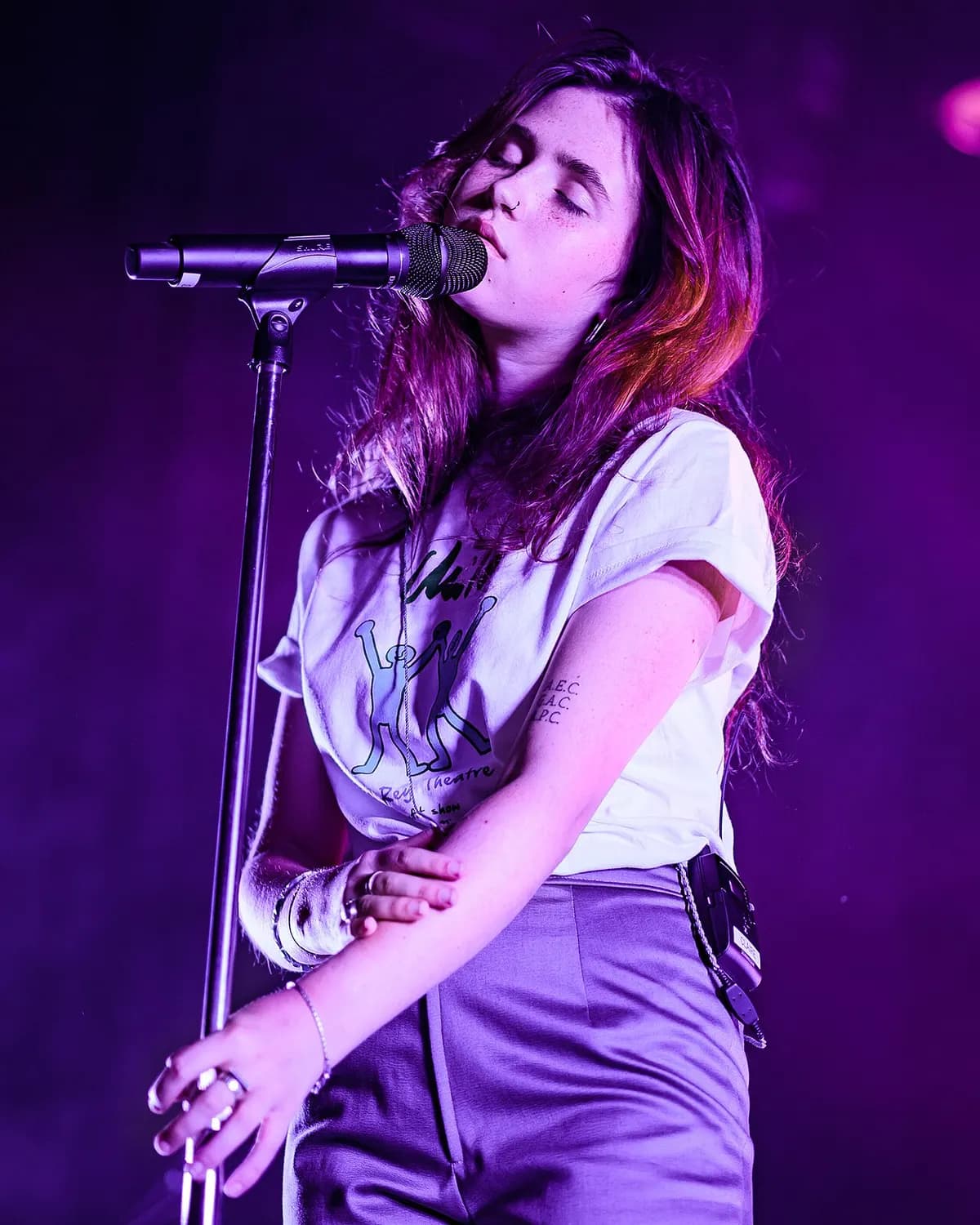
- Clairo filmed the video for "Pretty Girl" in her childhood bedroom in about 30 minutes, with Photo Booth on her MacBook; it went viral after she uploaded it to YouTube in August 2017 and made her the genre's most visible face.
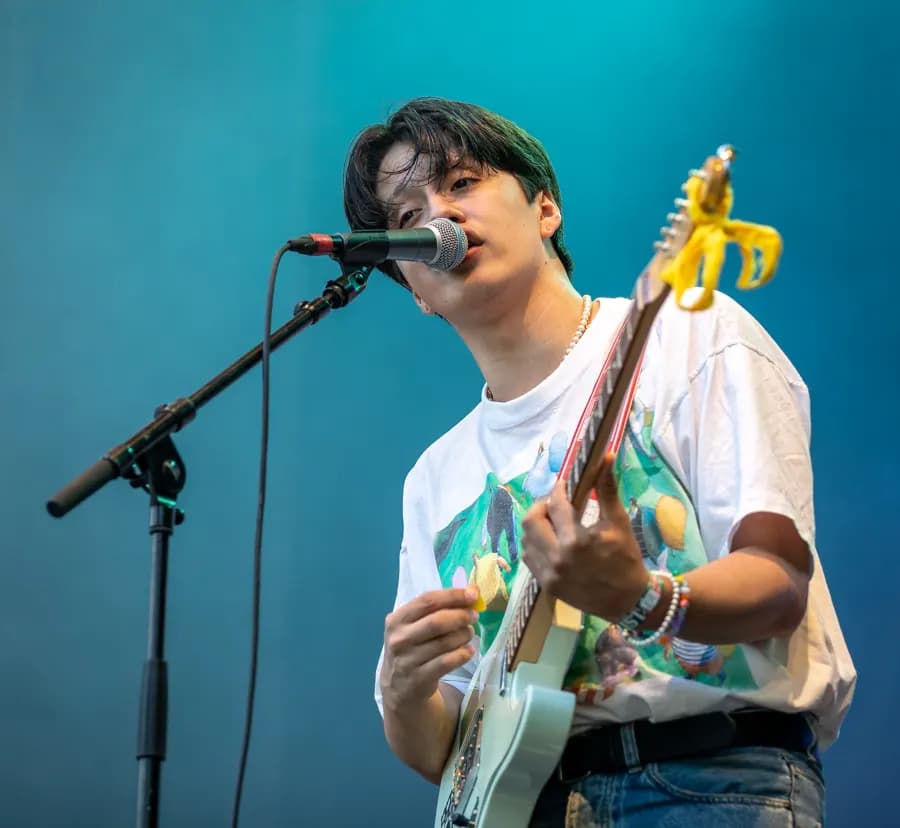
- Boy Pablo (Nicolás Muñoz), born in Bergen, Norway, to Chilean parents, posted the video for "Everytime" in May 2017; months later YouTube's recommendations put it in front of millions of viewers.
- beabadoobee posted "Coffee" in 2017. Powfu sampled it on "Death Bed (Coffee for Your Head)", which he first put out in 2019; Columbia's re-release in February 2020 became a worldwide hit.
- girl in red (Marie Ulven), also from Norway, shared "i wanna be your girlfriend" online in 2017 and released it on streaming services in March 2018; The New York Times put it at number 9 on its list of the best songs of 2018, and it became an anthem for young queer listeners.
Into the mainstream. The bedroom became a credible place to make hits. Steve Lacy made Steve Lacy's Demo (2017) with GarageBand on his iPhone, and Billie Eilish's debut album When We All Fall Asleep, Where Do We Go? (2019) was produced by her brother Finneas in his small bedroom studio in the family home in Highland Park, Los Angeles. Neither is usually called bedroom pop in style, but their success made home production a mainstream story. By the end of the decade many original bedroom pop artists had signed with labels and moved to proper studios, and the name had become a playlist category for soft, guitar-and-beat indie pop regardless of where it was recorded.
Key Characteristics & Sound
Typical traits of a bedroom pop track:
- Tempo: relaxed, slow to mid-tempo, well below dance-pop speed.
- Vocals: soft, close-miked, conversational and often double-tracked or lightly reverbed; mistakes and breaths are left in.
- Guitar: clean, jangly or chorus-soaked lines, frequently recorded direct into the computer; the Mac DeMarco-style wobbling chorus is a signature.
- Drums: programmed or loop-based beats, often sparse (a soft kick, snare or rimshot and shaker), sometimes borrowing hip-hop swing.
- Harmony: major-seventh and ninth chords, simple jazzy movement, and progressions borrowed from 1970s soft rock and soul.
- Texture: warm, slightly muffled highs; tape-style saturation and pitch wobble, usually added with plugins.
- Lyrics: first-person and diaristic, about crushes, insecurity, friendship, identity, boredom.
| Trait | Bedroom Pop | Lo-Fi (hip-hop) | Indie Pop | Chillwave |
|---|---|---|---|---|
| Peak period | 2015–2020 | 2013–present | 1980s–present | 2009–2011 |
| Typical BPM | 70–110 | 70–90 | 100–130 | 80–110 |
| Vocals | Soft, sung, central | Usually none or samples | Sung, often bright | Buried in reverb |
| Core sound | Chorused guitar, drum machine | Sampled jazz chords, dusty drums | Jangly guitar band | Hazy synths, tape wobble |
| Where it's made | Home, one person | Home producers | Bands, studios | Home, one person |
| Reference track | Pretty Girl | Lofi study streams | There Is a Light That Never Goes Out | Feel It All Around |
Instruments & Production
The bedroom pop toolkit is small and inexpensive by design:
- A laptop and a DAW such as GarageBand, Logic Pro or Ableton Live, sometimes a phone app.
- A budget USB audio interface and one microphone, used for both vocals and acoustic instruments.
- An electric guitar played through amp-simulator software or a chorus pedal, often recorded directly.
- Drum machine sounds and loop libraries, or MIDI drums programmed with a mouse.
- Small MIDI keyboards and soft synths: electric piano, Mellotron-style flutes and analogue-modelled pads.
- "Vintage" plugins: tape saturation, wow and flutter, vinyl noise and low-pass filters to soften digital clarity.
The mix is usually done by the artist, which explains common traits: vocals sitting inside the track, gentle low end and a fairly narrow dynamic range. Listeners recognise the genre by exactly these traits.
Key Artists & Songs
- Mac DeMarco: Salad Days (2014); "Chamber of Reflection". An influence on most of the names below.
- Alex G: DSU (2014), self-recorded Bandcamp-era indie.
- Rex Orange County: Apricot Princess (2017); "Loving Is Easy".
- Cuco: "Lo Que Siento".
- Clairo: "Pretty Girl" (2017), "Flaming Hot Cheetos".
- Boy Pablo: "Everytime" (2017).
- beabadoobee: "Coffee" (2017).
- girl in red: "i wanna be your girlfriend" (2018).
- Steve Lacy: Steve Lacy's Demo (2017).
- Still Woozy: "Goodie Bag".
- Dayglow: "Can I Call You Tonight?", from Fuzzybrain (2018), which Sloan Struble recorded alone at home in Fort Worth, Texas, during his last year of high school.
- Men I Trust: self-released, dream-pop-leaning records from Quebec.
Bedroom Pop vs Lo-Fi, Indie Pop and Dream Pop
Lo-fi is the most frequently confused neighbour, because both are made at home and both embrace imperfection. In current usage, though, "lo-fi" usually means lo-fi hip-hop: mostly instrumental, sample-based beats with jazz chords and vinyl crackle, built for studying and background listening (see our comparison Ambient vs Lo-Fi). Bedroom pop is song-based and vocal-led; the singer and the lyric are the point.
Indie pop is the broader parent: melodic, guitar-based pop outside the major-label mainstream, played by bands as often as solo artists. Bedroom pop is the home-made, solo, internet-native strand of it. Dream pop shares the soft vocals and reverb but builds a larger, more atmospheric wall of sound, and chillwave was an earlier, synth-heavy and more nostalgic home-recording wave from 2009–2011. Hyperpop, which also came out of bedrooms and the internet, goes the other way: loud, distorted and maximal.
| Year | Moment | Why it matters |
|---|---|---|
| 1983 | Hi, How Are You — Daniel Johnston | Cassette home recording as an artistic statement |
| 2014 | Salad Days — Mac DeMarco | Defines the guitar tone and mood of the scene |
| 2017 | Pretty Girl — Clairo | Webcam video goes viral; the genre gets its face |
| 2017 | Everytime — Boy Pablo | Algorithmic YouTube discovery goes global |
| 2018 | i wanna be your girlfriend — girl in red | A bedroom record becomes a generational anthem |
| 2019 | When We All Fall Asleep — Billie Eilish | A bedroom-made album tops the mainstream charts |
Genre AI has no bedroom pop label. Stylistically the nearest coarse labels are Pop and Singer / Songwriter, but neither has subgenres in the production taxonomy, and the classifier prefers a coarse label that does whenever one is in its top five, so they rarely come out on top. The most likely answer for guitar-forward songs in the Mac DeMarco mould is Rock with the subgenre Indie / Alternative (see indie rock), or Soft / Pop Rock for gentler tracks. Songs built on programmed, swung drums and major-seventh chords may drift, as lo-fi beats do, to Rap Hip-Hop with Jazzy HipHop or Contemporary RnB as the subgenre; synth-led tracks may land in Electronic Dance as Synth Pop. A classifier hears texture, not the room the song was recorded in, so a bedroom pop track and a studio-made indie pop song with the same arrangement are likely to get the same answer.