
Metalcore is the fusion of extreme metal riffing with the rhythms, ethics, and live energy of hardcore punk. Its two most recognisable features are the breakdown, a half-time, syncopated riff built for the pit, and the contrast between screamed verses and clean-sung choruses, which a lot of heavy rock radio has used since the mid-2000s.
This guide covers what metalcore is, how it grew from 1990s metallic hardcore, the anatomy of a breakdown, its subgenres, and the bands worth knowing from Killswitch Engage to Knocked Loose. Not sure whether a track is metalcore, death metal, or nu metal? Play a few seconds into our free AI music genre detector and it will weigh the riffing, tempo, and vocals for you.
What Is Metalcore?
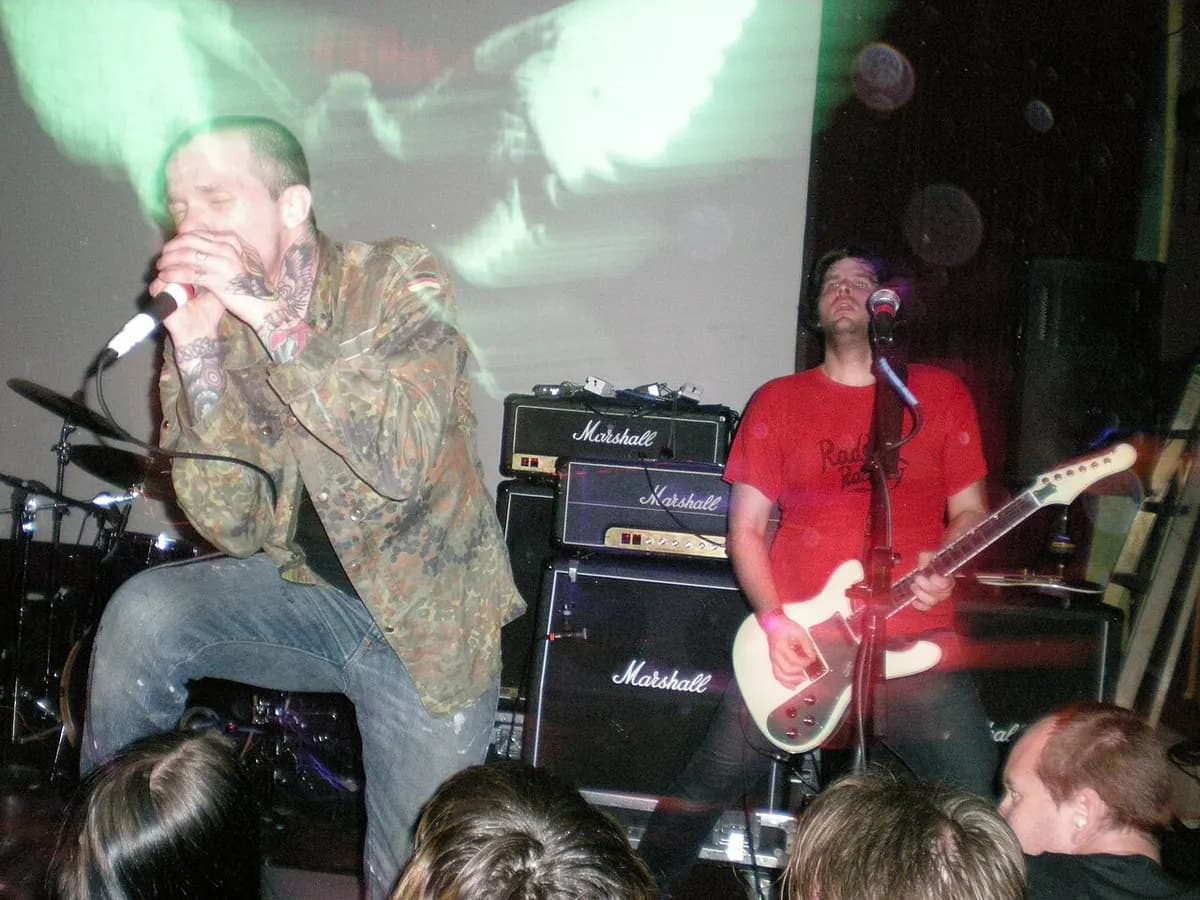
Metalcore is a hybrid genre that takes the harmonised, fast riffing of melodic death metal and the double-kick drumming of extreme metal, and arranges it the way hardcore punk does: songs build toward breakdowns, tempos drop by half so the riff hits harder, and the performance is aimed at a room full of people moving. The result is heavier than rock radio but more song-shaped than death metal.
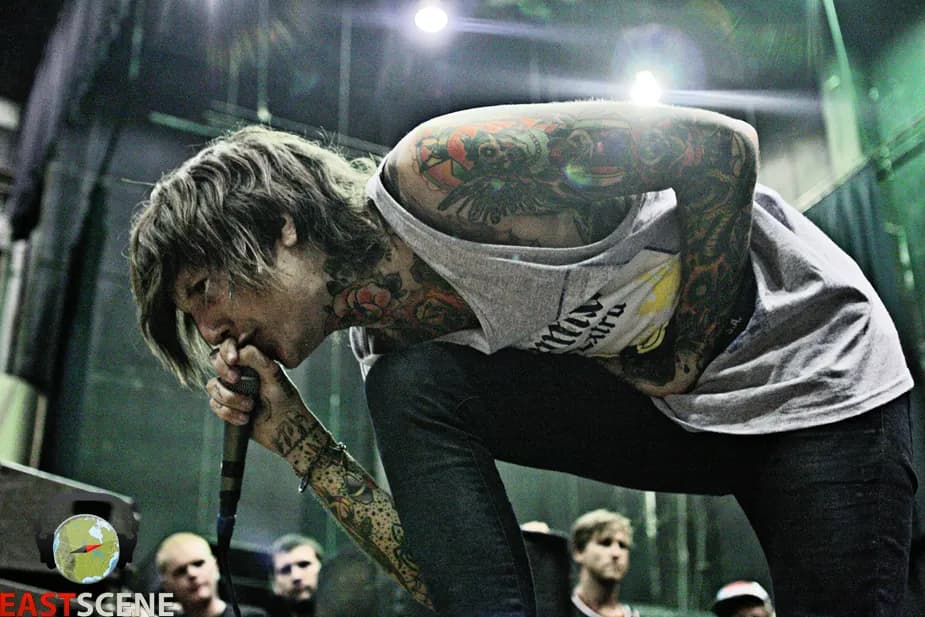
The vocal formula is the genre's most copied feature: harsh screams through the verses, a melodic clean-sung chorus, and often a spoken or screamed climax over the final breakdown. The lyrics are direct and deal with betrayal, grief, resolve, faith, and mental health.
History & Origins
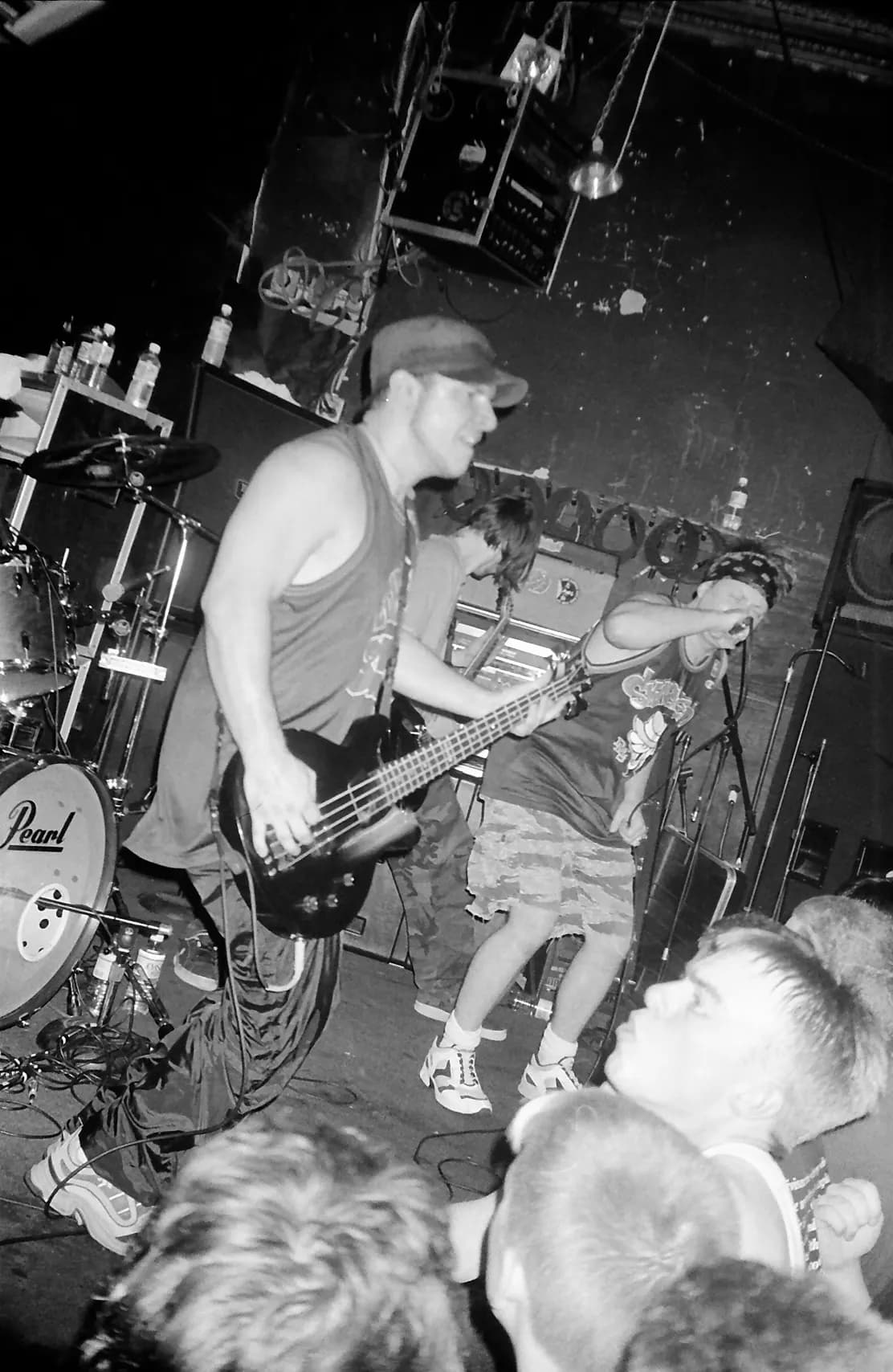
Metalcore's roots are in the late-1980s and 1990s metallic hardcore scene, where hardcore punk bands such as Integrity, Earth Crisis, Hatebreed, Converge, and Botch began borrowing metal riffs. These bands supplied the breakdown, the DIY ethic, and the vocal aggression, but not yet the melody.
The melody arrived from Sweden. The Gothenburg sound of At the Gates, In Flames, and Dark Tranquillity gave American bands harmonised twin-guitar leads that sat well over hardcore rhythms. The mix came together in Massachusetts around Killswitch Engage, whose Alive or Just Breathing (2002) and The End of Heartache (2004) became the model for the genre, alongside fellow Massachusetts bands Shadows Fall and Unearth and San Diego's As I Lay Dying.
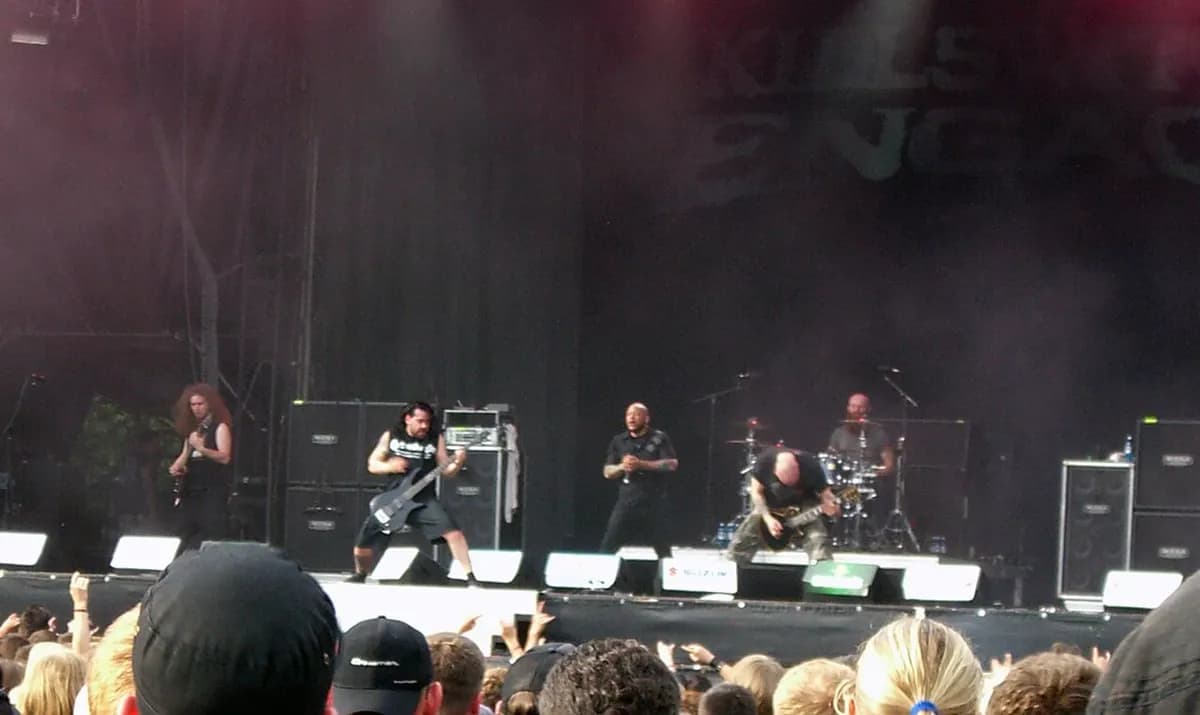
Through the 2000s metalcore went commercial: Trivium, Bullet for My Valentine, All That Remains, and Australia's Parkway Drive filled festival stages, while Bring Me the Horizon began a long move from deathcore toward arena rock. The 2010s brought a more technical and atmospheric wave (Architects, Northlane, Erra, While She Sleeps), and the 2020s swung back to heaviness with Knocked Loose: their 2024 album You Won't Go Before You're Supposed To included "Suffocate" with Poppy, which was nominated for Best Metal Performance at the 2025 Grammys.
Key Characteristics & Sound
Metalcore has a set of unmistakable structural habits:
- Tempo: commonly 120–200 BPM, with breakdowns dropping to half or quarter time.
- Breakdowns: syncopated, chugging, low-tuned riffs over an open-feeling groove; the part of the song the crowd waits for.
- Riffs: harmonised melodic-death leads and tremolo lines over palm-muted rhythm parts.
- Vocals: screamed or growled verses against clean, hook-driven choruses; many bands split the two between members.
- Drums: double-kick, blast beats, and crash-heavy hardcore beats, with sudden tempo drops.
- Tuning: drop C, drop B, or lower, increasingly on seven- and eight-string guitars.
- Production: tight, loud, modern, with heavy vocal layering and polished clean choruses.
The genre's eras sound noticeably different:
| Era | Typical BPM | Defining bands | Sound |
|---|---|---|---|
| Metallic hardcore (1990s) | 140–200 | Integrity, Hatebreed, Converge | Raw, punk-led, no clean vocals |
| Melodic peak (2002–2008) | 130–190 | Killswitch Engage, As I Lay Dying | Gothenburg riffs, big clean choruses |
| Commercial wave (2006–2012) | 120–180 | Trivium, Bullet for My Valentine | Radio-friendly, solo-heavy |
| Progressive / djent-adjacent (2012–2020) | 100–180 | Architects, Northlane, Erra | Atmospheric, polyrhythmic, 8-string |
| Modern heavy revival (2020s) | 90–180 | Knocked Loose, Kublai Khan | Hardcore-forward, brutal breakdowns |
Anatomy of a Breakdown
The breakdown is metalcore's defining device, and it is about rhythm, not harmony. A fast section, say at 180 BPM, gives way to a passage felt at half or a quarter of that speed. The guitars play short, syncopated, palm-muted figures on the lowest string, the kick drum follows the guitar rhythm, and the cymbals hit only on the accents instead of keeping time.
Three things make it work: the sudden loss of speed, which the ear reads as weight; the gaps between hits, which give the riff its physical push; and the low tuning, which makes each chug sound more like a hit than a pitch. Hardcore punk invented the idea as the "mosh part"; metalcore made it the point the whole song builds toward. Deathcore then took it further, building songs almost entirely out of breakdowns.
Subgenres & Related Styles
Metalcore has spawned a dense family tree:
- Melodic metalcore: the classic form, Gothenburg riffs plus clean choruses (Killswitch Engage, Trivium).
- Mathcore: chaotic, dissonant, and in odd time signatures (The Dillinger Escape Plan, Converge, Botch).
- Deathcore: death metal riffing and growls with metalcore breakdowns (Suicide Silence, Whitechapel, Lorna Shore).
- Progressive metalcore / djent-adjacent: polyrhythms and extended-range guitars (Architects, Erra, Northlane).
- Melodic hardcore: closer to punk, with less metal riffing (Defeater, Counterparts).
- Easycore: pop-punk melodies over metalcore breakdowns (A Day to Remember).
- Beatdown / heavy hardcore: slow, brutal, built around breakdowns (Kublai Khan; Knocked Loose borrow heavily from it).
At its borders metalcore touches emo and post-hardcore through its clean vocals, nu metal through its grooves, and punk through its hardcore backbone.
Notable Artists & Tracks
A route through the genre in ten tracks:
- Killswitch Engage: "My Last Serenade," "The End of Heartache."
- Converge: "Concubine," "Jane Doe."
- As I Lay Dying: "94 Hours," "Nothing Left."
- Parkway Drive: "Carrion," "Wild Eyes."
- Trivium: "Pull Harder on the Strings of Your Martyr."
- Bullet for My Valentine: "Tears Don't Fall."
- Architects: "Gone with the Wind," "Doomsday."
- The Dillinger Escape Plan: "43% Burnt."
- Bring Me the Horizon: "Shadow Moses."
- Knocked Loose: "Blinding Faith," "Suffocate."
Start with "The End of Heartache," "Wild Eyes," and "Suffocate" to hear the melodic, anthemic, and modern-heavy poles of the genre.
Metalcore vs Deathcore vs Nu Metal
These three get mixed up constantly because all of them use breakdowns and mixed vocals. The differences are in what surrounds those breakdowns:
| Trait | Metalcore | Deathcore | Nu Metal |
|---|---|---|---|
| Core riffing | Melodic death metal | Brutal death metal | Groove/funk metal |
| Tempo | 120–200 BPM | 80–220 BPM with extremes | 90–130 BPM |
| Vocals | Scream verse + clean chorus | Growls and pig squeals, rare cleans | Rap, sing and scream |
| Breakdowns | Song climax | Song foundation | Groove, not breakdown |
| Outside influence | Hardcore punk | Death metal + hardcore | Hip-hop, industrial |
| Peak era | 2002–2012, ongoing | 2006–2012, revived 2020s | 1997–2003, revived 2018+ |
How AI Detects Metalcore
For a classifier, metalcore is recognisable more by its structure than by any single timbre. The model sees fast, dense extreme-metal texture that repeatedly drops into half-time, bass-heavy passages with sharp gaps (the breakdown), and a vocal track that alternates between unpitched aggression and clearly pitched melody inside the same song. That alternation is the strongest single cue.
Tracks sit near the border when one half of the formula is missing: no clean chorus pushes the reading toward death metal, a rapped verse toward nu metal. Try it on your own library with the Genre AI music genre detector, and read how AI music genre detection works for what the model measures.
Testing this genre in Genre AI ourselves, the clearest Metalcore readings come from tracks in the 130–190 BPM range that pair harmonised, melodic-death-style riffing with a clean sung chorus and at least one half-time breakdown. Strip out the clean vocal and keep the growls and the model leans Death Metal; slow the whole song to a chugging bounce with rapped lines and Nu Metal climbs; soften the guitars under the clean chorus and Emo starts scoring. Those near-neighbour readings appear alongside the top result.