Gqom is a dark, minimal, percussive dance music from Durban, South Africa, that emerged in the township party scene in the early 2010s. It runs at about house tempo, most often quoted as 120–130 BPM, but drops house's steady four-on-the-floor kick for broken, syncopated patterns of heavy kicks and toms, with bare bass, chanted vocals and ominous synth stabs. The name is usually explained as an isiZulu onomatopoeia built from click consonants, the sound of a hard drum hit.
This guide covers where gqom came from, what its records are built of, the producers and hits that defined it, how it spread from Durban taxis to Beyoncé, and how it differs from amapiano, the Gauteng sound that overtook it in South African clubs, and from Afro house. To hear how a gqom track reads to a classifier, run a clip through our free AI music genre detector.
What Is Gqom?
Gqom is South African electronic dance music stripped to its rhythmic core. Where house rests on a regular kick on every beat, gqom leaves gaps, pushes kicks off the beat and lets drums tumble in irregular, rolling patterns, the "broken beat" that defines the style. The arrangement around those drums is sparse: a deep, often distorted bass, a few dark synth or organ chords, sampled shouts and chants, sirens and whistles. The mood is tense and hypnotic, with little of the release that a house drop gives.
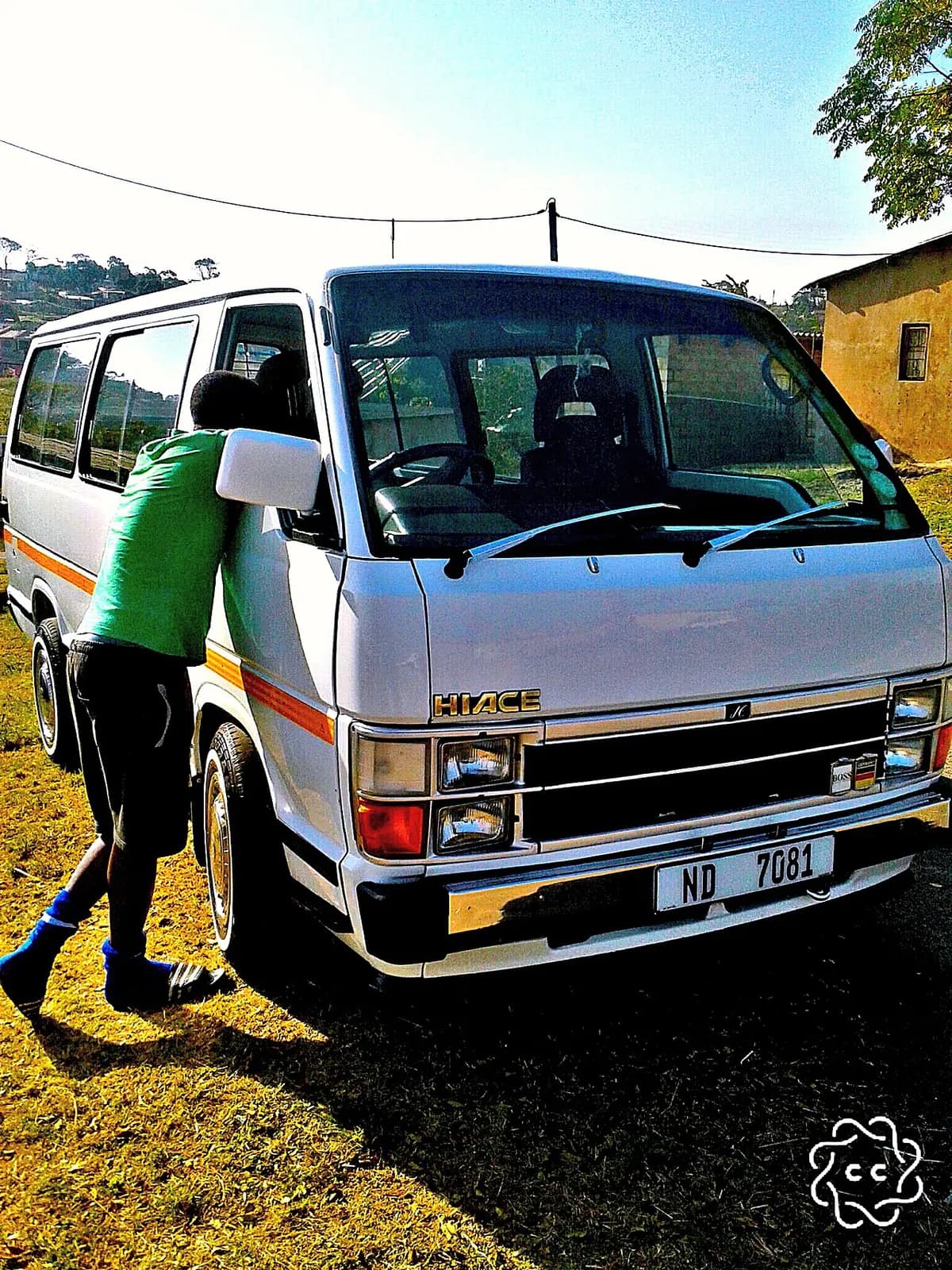
It is very much a regional sound. Gqom grew up in Durban's townships (Umlazi, KwaMashu and Clermont are often named) among young producers who made tracks in FL Studio, often on cracked copies, and distributed them online, through WhatsApp and through the sound systems of minibus taxis. Its rawness comes partly from those conditions and partly from taste: on a dancefloor, the dryness and repetition are the point.
Gqom belongs to a long line of South African house-based music, from kwaito in the 1990s to Durban's own local variants, and it sits alongside its successors and rivals: amapiano from Gauteng, with its log-drum bass and jazzy piano, and the more polished Afro house heard on international festival stages.
History & Origins
South Africa had been one of the world's largest house music markets since the 1990s, and Durban had its own traditions of fast, percussive local house and kwaito. Around 2011–2012, a generation of teenage producers in and around Durban started making tracks that were darker, slower to resolve and more broken than anything in the local charts. The tracks circulated hand to hand, burned onto CDs for taxi drivers, shared as files and played at township parties, long before labels or radio picked them up.
Producers and crews such as Naked Boyz, Rudeboyz, Citizen Boy and DJ Lag, often called one of the genre's defining figures, built its sound in those years. International attention followed in the mid-2010s. The label Gqom Oh!, set up by the Rome-based Nan Kolè with Lerato Phiri, released The Sound of Durban Vol. 1 in January 2016, a compilation that introduced the style to European club audiences, and DJ Lag and others began touring abroad.
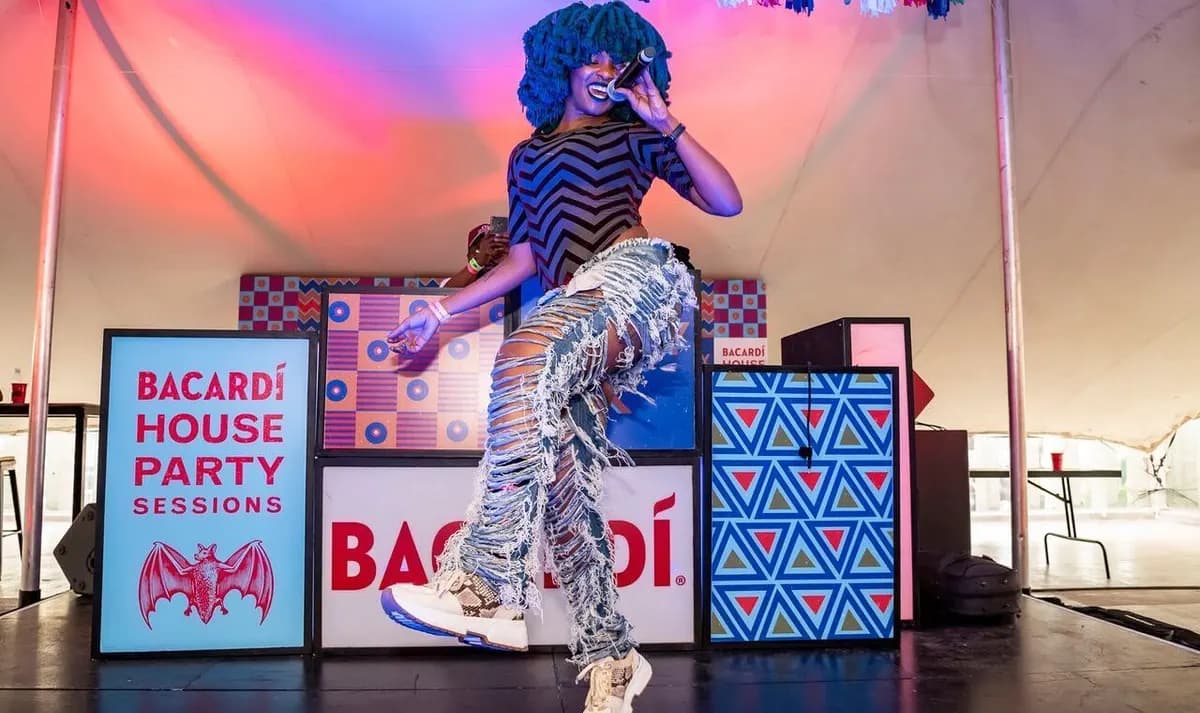
At home the breakout came with Babes Wodumo's "Wololo", featuring Mampintsha, released in December 2015. It became a national hit and a dance craze. Distruction Boyz' "Omunye" was one of the biggest club tracks of 2017, and their album Gqom Is the Future followed that October. Vocalists such as Busiswa and Moonchild Sanelly carried gqom energy into pop and performance.
In 2019 the sound reached a global audience when DJ Lag co-produced "My Power" on Beyoncé's The Lion King: The Gift, with Busiswa and Moonchild Sanelly among the vocalists. By then the domestic tide was turning: from around 2019 amapiano became South Africa's dominant dance sound. Gqom did not disappear. Durban producers kept developing variants, including the triple-time style called 3-step, but the sound moved from the centre of the national scene back toward its local and international underground.

Key Characteristics & Sound
What identifies a gqom track:
- Tempo: usually quoted at 120–130 BPM, the range of house; published figures vary.
- Broken kick: the defining trait. There is no straight four-on-the-floor; kicks and low toms fall in syncopated, irregular patterns that roll across the bar.
- Heavy percussion: toms, rimshots and hand-drum-like sounds, often tuned low and layered into dense figures.
- Bass: deep, simple and sometimes distorted; it doubles the drums and seldom carries a melody.
- Minimal harmony: one or two dark synth, string or organ chords, often in a minor key, repeated through the track.
- Vocals: chants, shouted call-and-response phrases and short isiZulu hooks; on the pop side, full vocal performances in the Babes Wodumo mould.
- Effects and samples: sirens, whistles, gunshot effects and crowd noise.
- Production: raw, dry and loud, typically made in FL Studio with little mastering polish.
Where it sits among South African and global house-based styles:
| Trait | Gqom | Amapiano | Afro House | Kwaito |
|---|---|---|---|---|
| Origin | Durban, early 2010s | Gauteng (Pretoria/Johannesburg), mid-2010s | South Africa and global, 2000s–2010s | Johannesburg townships, 1990s |
| Typical BPM | 120–130 | 110–115 | 118–124 | 100–115 |
| Kick | Broken, syncopated | Light; log drum carries bass | Steady four-on-the-floor | Slowed house kick |
| Harmony | Minimal, dark | Jazzy piano, warm pads | Melodic, percussive | Simple loops |
| Mood | Tense, raw, hypnotic | Laid-back, groovy | Uplifting, organic | Party, street |
| Reference track | Wololo | Ke Star | Black Coffee — Superman | Nkalakatha |
Variants & Related Styles
- Gqom pop: vocal-led gqom for radio and dance crazes, as on "Wololo".
- Underground or instrumental gqom: dark, minimal DJ tools, the side that travelled to European clubs.
- 3-step: a later Durban development built on triple-time patterns, named in the mid-2010s and associated with Emo Kid, DJ Lag, Ben Myster and Menzi.
- Kwaito: the 1990s South African house-derived genre that preceded gqom and shaped its township party culture.
- Amapiano: the Gauteng successor that replaced gqom as the national sound around 2019.
- Afro house: the polished, melodic international branch of African house music.
- Footwork and Jersey club: distant cousins, other regional dance musics built on irregular kick patterns and cheap software.
Key Artists & Tracks
Where to start:
- DJ Lag: the producer most identified with gqom abroad; co-producer of Beyoncé's "My Power" (2019).
- Babes Wodumo: "Wololo" (December 2015), featuring Mampintsha.
- Distruction Boyz: "Omunye", a 2017 hit, and the album Gqom Is the Future (2017).
- Rudeboyz: one of the early producer duos that shaped the sound.
- Mampintsha and the West Ink label, to which Babes Wodumo signed: central to gqom pop.
- Busiswa: vocalist whose work crosses gqom, kwaito and pop; featured on "My Power".
- Moonchild Sanelly: South African singer and performer; featured on "My Power".
- The Sound of Durban Vol. 1 (Gqom Oh!, 2016): the compilation that introduced the underground side to Europe.
Gqom vs. Amapiano and House
Gqom and amapiano are both South African, both grew up in townships and both spread through WhatsApp and informal networks, yet they are close to opposites in sound. Gqom is dark, dry and drum-centred, at house tempo with broken kicks. Amapiano is warm and spacious, slower, with soft jazz-influenced piano and the deep, pitched "log drum" bass that became its trademark. A gqom track builds tension; an amapiano track settles into a long, relaxed groove.
Compared with house in general, gqom keeps the tempo but removes the steady kick. That is why it can sound disorienting to listeners raised on four-on-the-floor music: the body expects a kick on every beat, and gqom keeps withholding it. Our Afro house guide covers the more melodic, international side of African house music.
How AI Hears Gqom
For a classifier, gqom sends mixed signals. The tempo, the electronic drum sounds, the synth chords and the loop-based structure point to electronic dance music. But the kick pattern, the feature that defines the genre, breaks the regular pulse that most house and techno share, and the heavy toms and chants can resemble African percussion more than European club music.
Genre AI's production taxonomy has no gqom label. The likely result is the Electronic Dance family, with House or Breakbeat / Drum & Bass as the top label depending on how strongly the broken kick reads; the African label has no subgenres and is unlikely to appear while an electronic label is in contention. Run a gqom track through the Genre AI music genre detector and read the result as a family placement; our blog explains how AI genre detection works and why its taxonomies stay broad.
There is no Gqom label in Genre AI's production taxonomy, so the answer will name a broader family, most likely Electronic Dance. Within it, House is the likely top label for tracks where the tempo and synth chords dominate, and Breakbeat / Drum & Bass may win when the broken kick and rolling toms take over; alternatives come only from other Electronic Dance labels such as Techno or Minimal. The African label is less likely than it sounds, because a label without subgenres only wins when no electronic or other subgenre-bearing family is among the top five candidates. The style gqom is most likely to be confused with is Afro house, which shares the tempo, percussion and chants; the difference between a broken kick and a steady one is rhythmic detail that a short clip and a broad label may not capture. A vocal gqom pop track rarely comes back as Pop for the same reason.