Future garage is an atmospheric, melancholic offshoot of UK garage and dubstep that took shape in the second half of the 2000s. It keeps garage's swung, skippy 2-step drums at roughly 130–140 BPM, but surrounds them with deep sub-bass, ghostly pitched vocal fragments, vinyl crackle, rain and reverb-heavy pads, so the music feels more like a night bus through an empty city than a club peak. Burial's album Untrue (2007) on the Hyperdub label is the record that most future garage producers point back to.
This guide covers where the style came from, what its tracks are made of, the producers and records to start with, and how future garage differs from classic UK garage, speed garage, dubstep and ambient electronica. To see where a hazy, half-lit track lands with a classifier, run a clip through our free AI music genre detector.
What Is Future Garage?
Future garage takes the rhythm of late-1990s UK garage and changes its mood. Classic 2-step was bright, glossy music for champagne-and-trainers clubs, built around R&B vocals and bouncy basslines. Future garage keeps the shuffling, off-grid drum pattern (kicks that skip the second beat, snares and claps on 2 and 4, rattling hi-hats with strong swing) and places it in a world of fog: long reverb tails, detuned chords, sampled rain and street noise, and vocals pitched and chopped until they become wordless sighs.
The result sits between dance music and headphone listening. Many tracks are danceable at garage tempo, but the emotional register is introspective, all nostalgia and late-night travel, and the arrangements build and fade without big drops. Sub-bass carries much of the weight, inherited from dubstep, while the melodic material is closer to ambient and downtempo electronica.
The name began as a scene label. The producer Whistla is credited with coining it, and the Future Garage Forum, opened in November 2009, helped spread it along with blogs and compilations. It overlaps with what critics at the time called post-dubstep: UK producers taking dubstep's sub-bass and space into slower, more song-like or more house-influenced directions. Not every post-dubstep artist made future garage, but most future garage came out of that moment.
History & Origins
The ingredients were all in place by the mid-2000s. UK garage had peaked commercially around 1999–2001 and then fragmented: one branch hardened into grime, another slowed and darkened into dubstep in South London. Hyperdub, which the producer and writer Kode9 (Steve Goodman) started as a webzine in 1999 and turned into a label in 2004, became a home for the more experimental end of that bass-music world.
The decisive records came from Burial, a South London producer who kept his identity private until 2008, when he named himself as William Bevan. His self-titled debut album (2006) and especially Untrue (November 2007), both on Hyperdub, combined crackling, nocturnal atmospheres and pitched R&B vocal fragments with garage's swung 2-step drums. The Wire named the debut its album of 2006, and Untrue, with tracks such as "Archangel" and "Near Dark", was shortlisted for the 2008 Mercury Prize, which went to Elbow. Burial has said he works in Sound Forge, a waveform editor, and avoids sequencers; his drums are placed by eye, not quantised, and that slightly off-grid feel became part of the style.
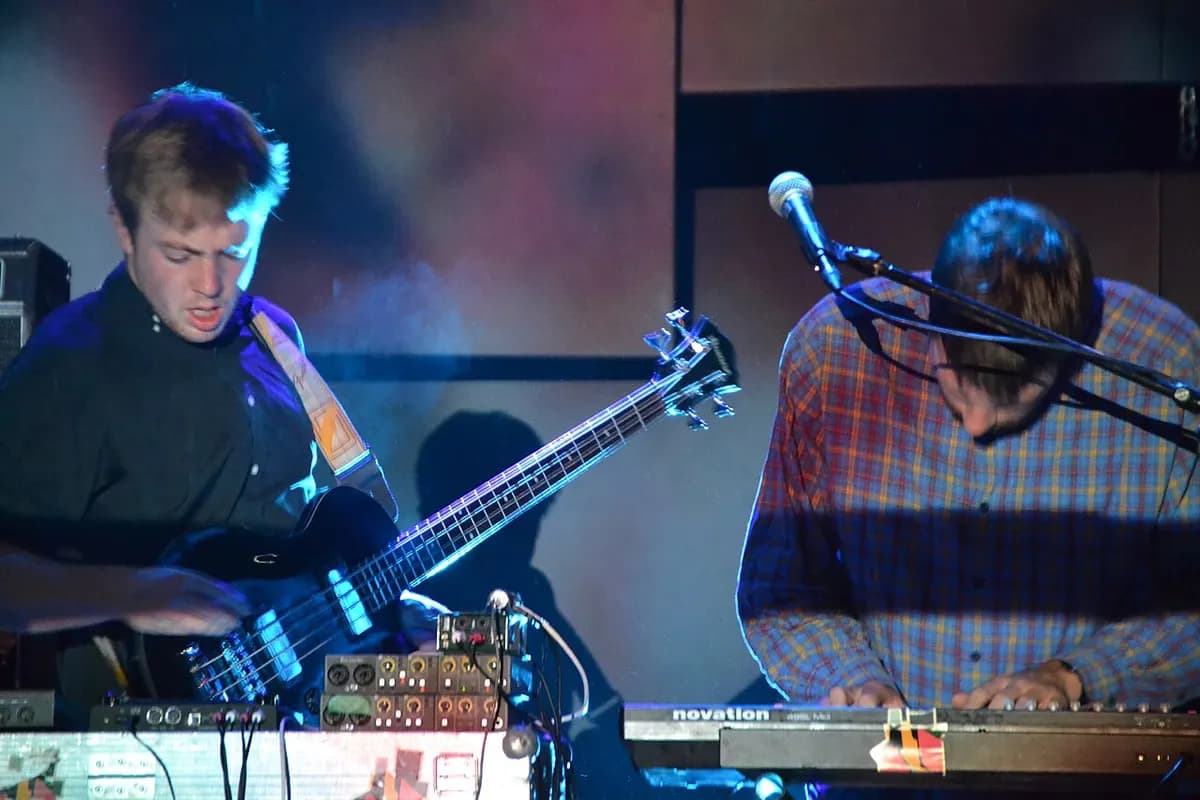
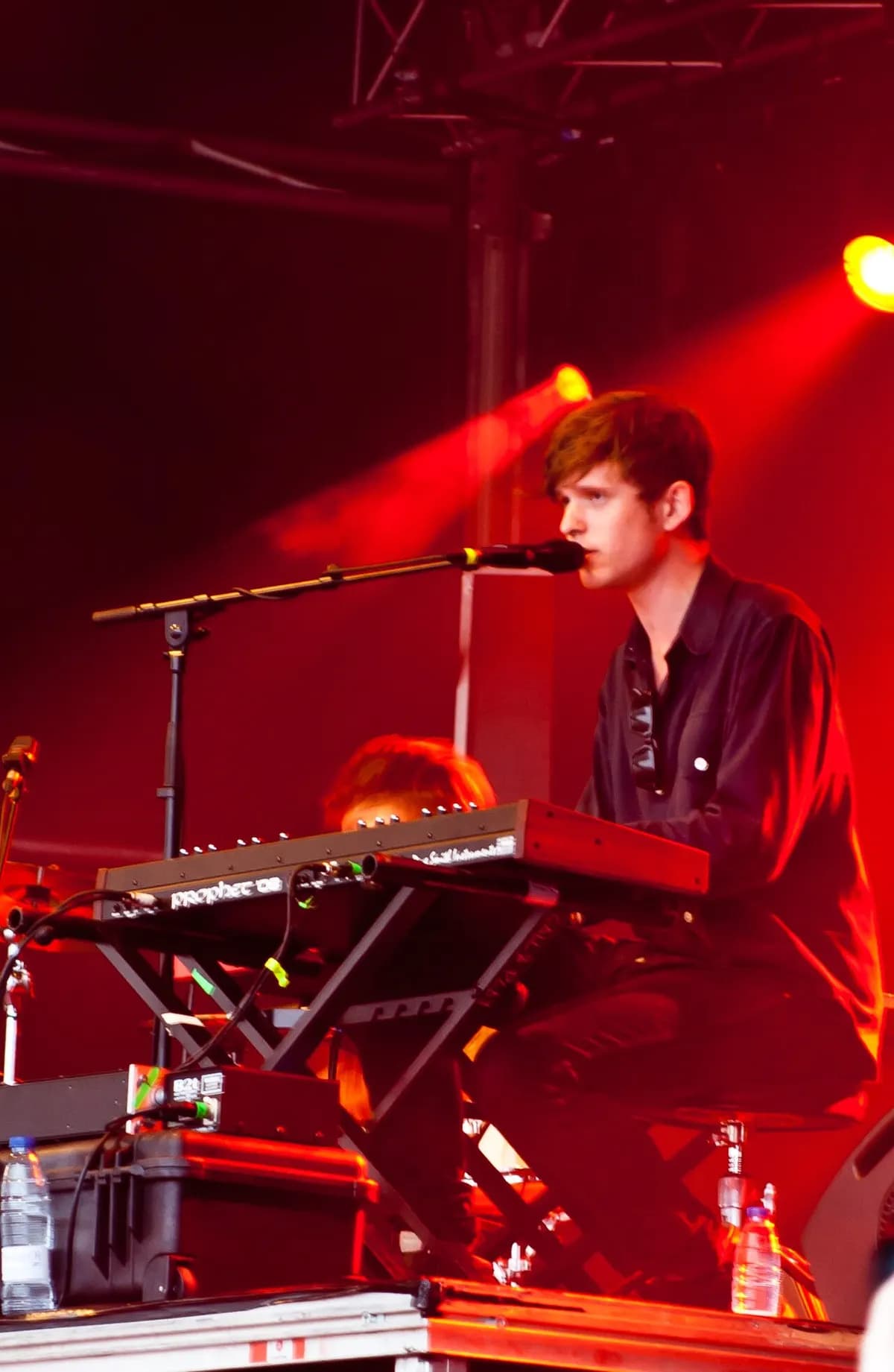
Around 2009–2010 a wave of producers took up that sound and the term future garage spread online. Some, such as Mount Kimbie and James Blake, moved in more song-based or minimal directions that critics grouped under post-dubstep; Joy Orbison's "Hyph Mngo", released on Hotflush in September 2009 after months on DJ mixes, brought garage swing and house chords together and became an anthem of the period. Producers closer to the future garage tag, such as the Brooklyn duo Sepalcure and the Manchester producer Synkro, kept Burial's mix of 2-step, sub-bass and melancholy atmosphere at the centre.
In the 2010s the style became part of a wider "UK bass" vocabulary used across ambient, house and pop production. Streaming playlists and online mixes kept the label alive, and its signature textures (vinyl crackle, pitched vocal chops, rainy reverb) became shorthand for night-time nostalgia in electronic music generally. The 2020s revival of UK garage in pop and club music reintroduced many listeners to the 2-step rhythm through the brighter original style, while future garage remained its quieter cousin.
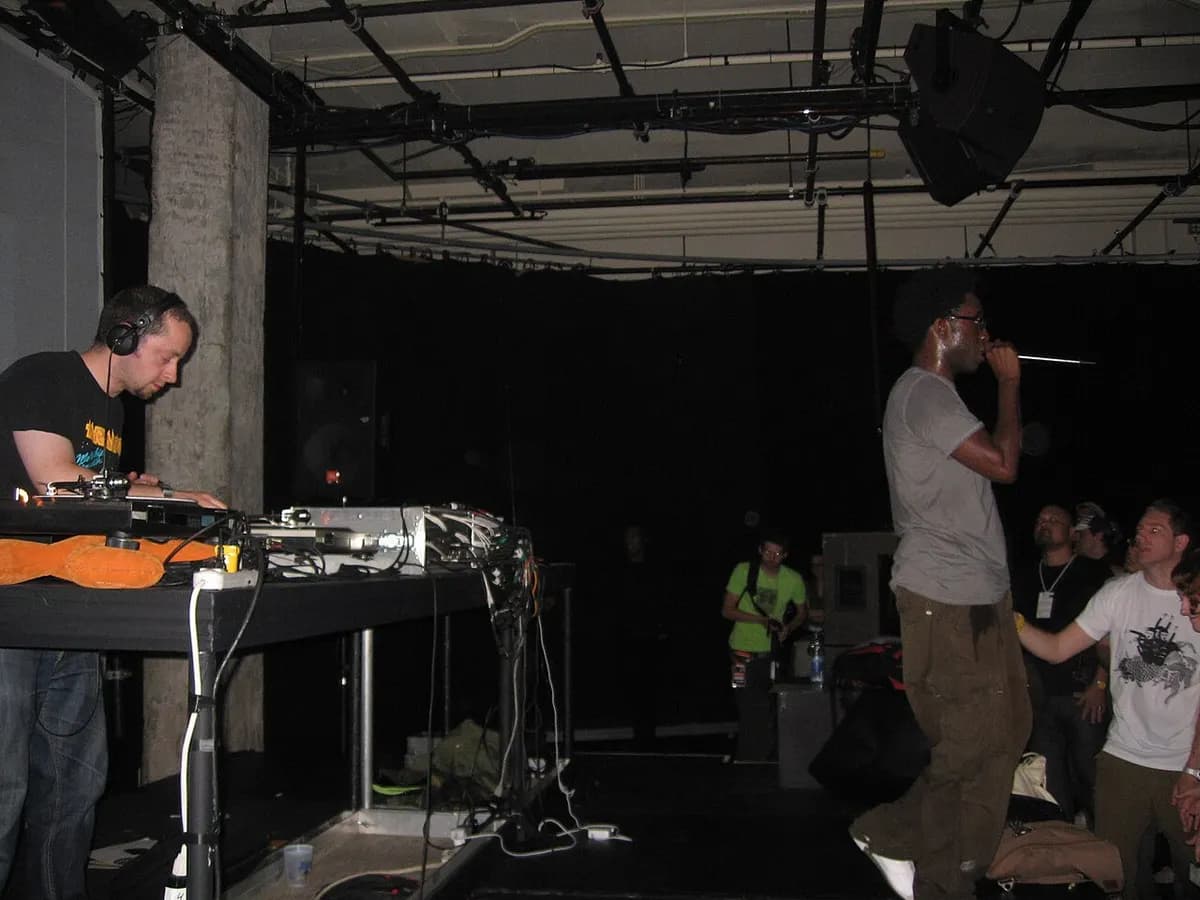
Key Characteristics & Sound
What identifies a future garage track:
- Tempo: usually 130–140 BPM, overlapping classic 2-step's 130–135; sparse drums and heavy swing often make it feel slower and more relaxed than the number suggests.
- Swung 2-step drums: skipping kicks, crisp claps or rimshots on 2 and 4, shuffled hi-hats and shakers placed slightly off the grid.
- Sub-bass: deep, sustained, often a sine wave with slow pitch movement, carried over from dubstep; some producers use a warm, filtered reese bass instead.
- Vocal chops: fragments of R&B, soul or pop vocals, pitched up or down, time-stretched and reverbed so the words blur.
- Texture: vinyl crackle, tape hiss, field recordings of rain, traffic or footsteps, and long reverb tails.
- Harmony: minor keys, detuned pads and simple, slowly changing chords; the mood is melancholic, not euphoric.
- Structure: loose and gradual, with fewer hard drops and more slow builds and fades.
How it compares with its closest relatives:
| Trait | Future Garage | UK Garage (2-step) | Speed Garage | Dubstep |
|---|---|---|---|---|
| Main period | 2007–2010s | 1997–2002 | 1996–1999 | 2002 onward |
| Typical tempo | 130–140 BPM | 130–135 BPM | 130–136 BPM | 138–142 BPM (half-time) |
| Drum pattern | Swung, skippy 2-step | Swung, skippy 2-step | Four-to-the-floor | Half-time, kick on 1, snare on 3 |
| Bass | Deep, sustained sub | Bouncy, melodic | Distorted, wobbling | Sub-heavy, LFO wobble |
| Vocals | Pitched, blurred fragments | R&B and MC vocals | Ragga samples, MCs | Sparse samples, MCs |
| Mood | Nocturnal, melancholic | Glossy, sensual | Rowdy, club-driven | Dark, heavy |
Production Techniques
Much of future garage's identity comes from how it is produced:
- Hand-placed drums: percussion is often positioned by ear instead of snapped to a grid, giving a loose, human swing; late hi-hats are a common trick.
- Vocal processing: short phrases are pitch-shifted (often up, sometimes down until the voice is hard to place as male or female), formant-shifted, reversed and soaked in reverb.
- Lo-fi texture: crackle and hiss layered across the whole mix, sometimes sampled from vinyl, sometimes added with plug-ins.
- Field recordings: rain, sirens, distant voices and the sound of transport add a sense of place.
- Side-chain and space: pads duck gently around the kick, and the mix leaves room for a sub you feel more than hear.
- Simple tools: Untrue was made in an audio editor, and many producers still prize mood over technical polish.
Strands & Related Scenes
- Hyperdub and the Burial lineage: dark, crackling, vocal-chop future garage closest to the founding sound.
- Post-dubstep: the broader late-2000s UK wave, including more song-based and minimal artists; see dubstep for the parent.
- Ambient garage: tracks that almost drop the drums, leaning into ambient and downtempo.
- Garage-house crossover: producers blending 2-step swing with deep house chords and four-to-the-floor sections.
- Chillwave and lo-fi neighbours: the same nostalgic textures appear in chillwave and lo-fi, over different rhythms.
Key Artists & Essential Records
Where to start:
| Artist | Record | Year | Why it matters |
|---|---|---|---|
| Burial | Burial (Hyperdub) | 2006 | The first statement of the crackling, nocturnal garage sound |
| Burial | Untrue (Hyperdub) | 2007 | The style's reference album; 'Archangel', 'Near Dark' |
| Joy Orbison | "Hyph Mngo" (Hotflush) | 2009 | Garage swing and house chords; a defining post-dubstep anthem |
| Mount Kimbie | Crooks & Lovers | 2010 | Minimal, organic post-dubstep close to future garage |
| James Blake | CMYK EP | 2010 | Chopped R&B samples (Kelis, Aaliyah) over garage-derived rhythms |
| Sepalcure | Sepalcure (Hotflush) | 2011 | Garage rhythms and ambient texture from a Brooklyn duo |
Future Garage vs UK Garage, Speed Garage and Dubstep
Against classic UK garage, the rhythm is shared and the mood is not. A 2-step record from 1999 has a confident R&B vocal, bright production and a bouncy, melodic bassline; future garage uses the same skipping drums under blurred vocals, crackle and melancholy pads. Our blog post What Is UK Garage Music? covers the original scene.
Against speed garage, the drums are the giveaway: speed garage runs a four-to-the-floor kick with distorted, wobbling basslines aimed at a packed club, while future garage skips and swings.
Against dubstep, the difference is the groove. Dubstep sits in a heavy half-time feel with the snare on the third beat; future garage keeps garage's swung 2-step and usually avoids big drops. And against pure ambient or trip-hop, future garage keeps a garage-tempo rhythm section even when it is quiet.
How AI Detects Future Garage
For an audio model, future garage sends mixed signals by design. Its swung hats and claps at 130–140 BPM, deep sub and electronic textures place it in dance music, but the low density, heavy reverb, crackle and blurred vocals resemble ambient or downtempo material.
Genre AI's production taxonomy has no garage or dubstep label, so the answer will be a neighbouring Electronic Dance subgenre. Try a track in the Genre AI music genre detector and look at the alternatives as well as the top label; for a style that sits between scenes, the spread of answers often says more than the first one. Our guide to electronic music genres shows where future garage sits in the wider map.
For Genre AI, future garage is a borderline case. Sections with the full 2-step drum pattern and sub-bass are likely to resolve to Electronic Dance, but the production taxonomy has no garage or dubstep class, so the fine answer will be a neighbour. The likeliest candidates are Breakbeat / Drum & Bass, whose text prompts include "uk bass" and "bassline", House or Deep House for the swung, garage-tempo groove, and Abstract / IDM / Leftfield for the more fragmented, textural tracks; the alternatives listed will be other Electronic Dance subgenres. One oddity: the phrases "future garage" and "uk garage" are prompts of Gilded Age, a Classical subgenre, but a track full of drums and sub-bass sounds nothing like classical music, so that label should rarely win. Ambient and R&B have no subgenres, so the model chooses them only when no family with subgenres is in its top five, which makes them unlikely answers even for quiet, pad-heavy passages. Expect the clearest reading from a passage where drums, sub and vocal chops play together.