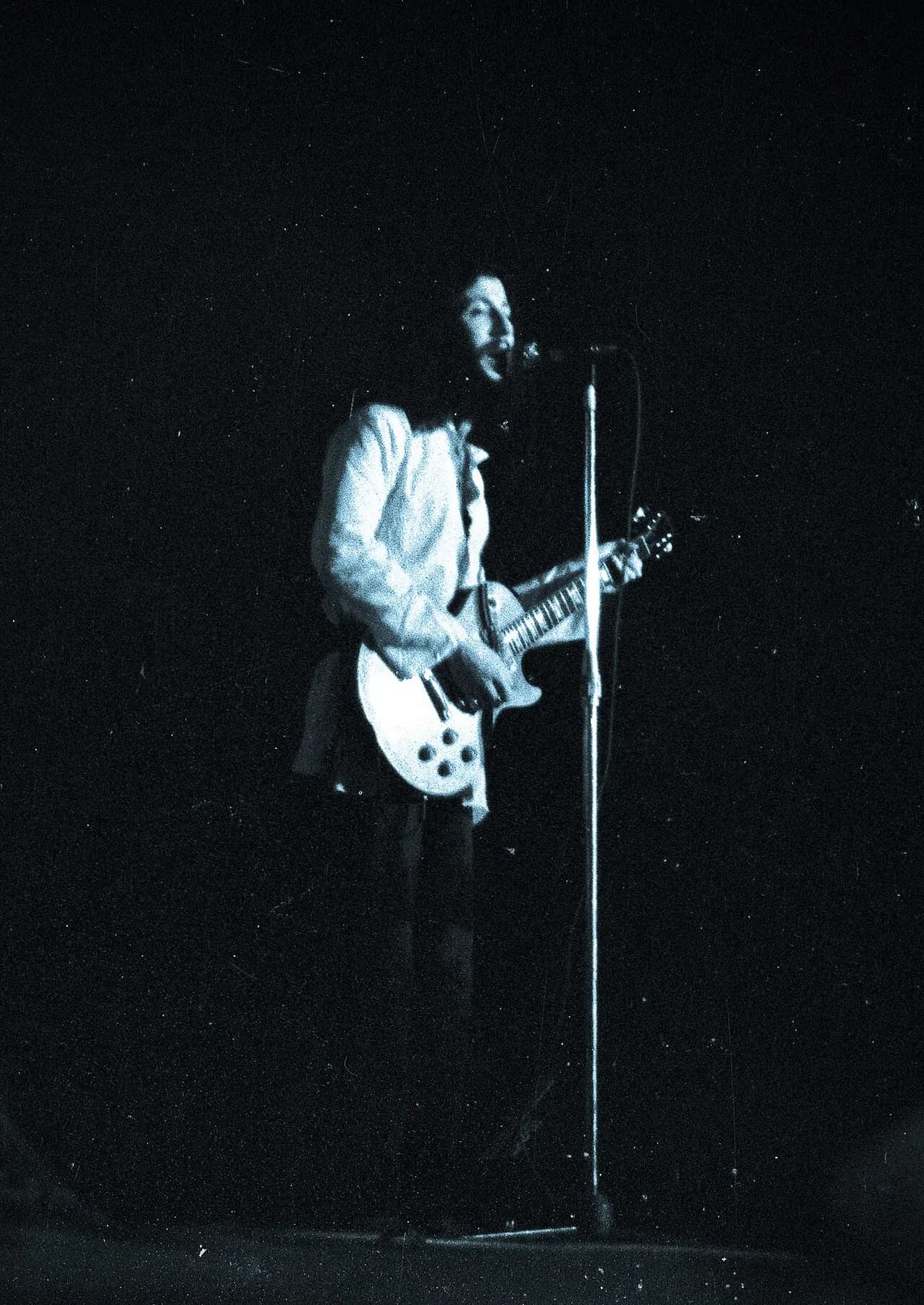
Blues rock is rock music built directly on the forms, scales and feel of electric blues, played louder and harder by a guitar-led band. It took shape in the mid-1960s, when British and American musicians amplified the Chicago blues of Muddy Waters, Howlin' Wolf and the three Kings (B.B., Albert and Freddie) and put the guitar solo at the centre. Its basic materials are the twelve-bar progression, the shuffle, the pentatonic lead line and the overdriven valve amplifier. Cream, Jimi Hendrix, Peter Green's Fleetwood Mac, the Allman Brothers Band and Stevie Ray Vaughan are the names most often used to define it.
This guide covers where blues rock came from, what it sounds like, its revivals and branches, the records to start with and how it differs from the blues it borrows from and the hard rock it gave birth to. To hear where a riff-heavy shuffle lands with a classifier, try a clip in our free AI music genre detector.
What Is Blues Rock?
Blues rock takes the language of electric blues (the twelve-bar form, dominant-seventh chords, the minor pentatonic scale with its "blue" notes, bent strings, call-and-response phrasing) and plays it at rock volume with a rock drummer. The guitar is distorted, the drums hit harder and fill more, the songs often stretch out into long improvised solos, and the usual line-up is a power trio or quartet without the harmonica and piano of a Chicago blues band.
The difference from blues itself is mostly one of emphasis. A blues performance centres on the voice and the story, with the guitar answering the singer. Blues rock moves the guitar to the front: the riff becomes the hook, the solo becomes the main event, and the vocal is often a vehicle to get from one solo to the next. The audience changed too: blues rock was largely made by and for young white rock fans who discovered the blues through records, and arguments over songwriting credit followed it: Willie Dixon's name was added to Led Zeppelin's "Whole Lotta Love" only after he sued in 1985.
Blues rock also connects the blues to much of the rock that followed. Turn the amplifiers up further, slow the riffs down and remove the shuffle, and you arrive at hard rock and early heavy metal. Add country, gospel and long twin-guitar jams, and you get Southern rock.
History & Origins
The foundations are in post-war Chicago, where Muddy Waters, Howlin' Wolf, Elmore James and others electrified the Mississippi Delta blues, and in the stinging single-string lead style of B.B. King, Albert King and Freddie King. By the early 1960s those records had found an unlikely audience in Britain. Alexis Korner's Blues Incorporated in London became a training ground for musicians who would go on to play in the Rolling Stones and Cream, and the Rolling Stones themselves took their name from a Muddy Waters song.
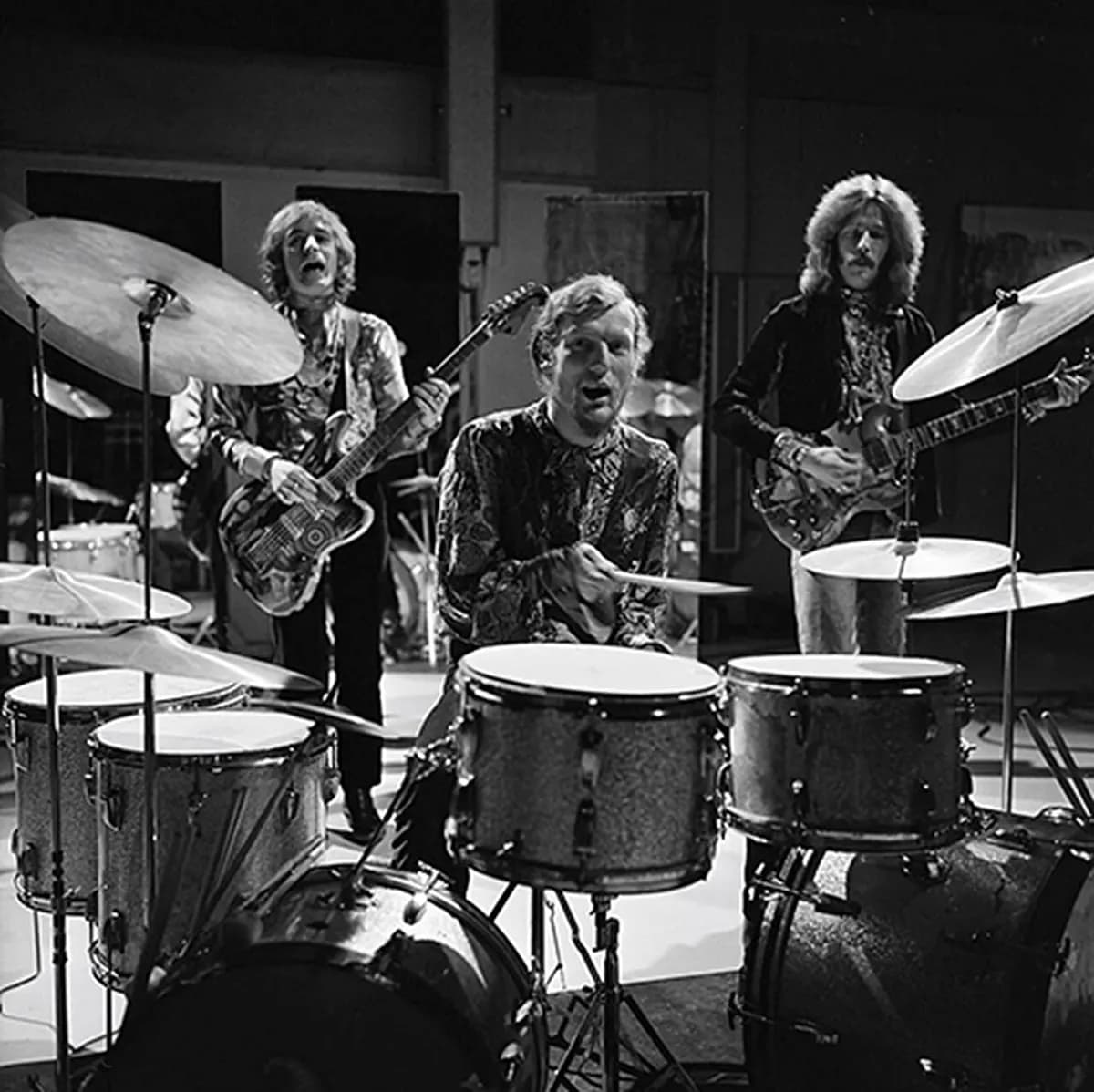
The so-called British blues boom peaked between roughly 1966 and 1969. John Mayall's Bluesbreakers was its school: Blues Breakers with Eric Clapton (1966), often called the "Beano album" after its cover, set the template of a Les Paul through a cranked Marshall amplifier. Clapton then formed Cream with Jack Bruce and Ginger Baker, a power trio that played blues standards loud and stretched them out on stage: their live "Spoonful" on Wheels of Fire (1968) runs close to seventeen minutes, while "Crossroads", their version of Robert Johnson's "Cross Road Blues", packs two famous solos into just over four. Peter Green replaced Clapton in the Bluesbreakers before founding Fleetwood Mac in 1967 as a blues band. Jimi Hendrix, an American who found fame in London, released Are You Experienced in 1967; its UK edition placed the slow blues "Red House" among the psychedelic songs. Ten Years After, Savoy Brown, Free, Chicken Shack, Taste with Rory Gallagher, and Led Zeppelin, whose 1969 debut reworked songs by Willie Dixon, all came out of the same scene.
In the United States, the Paul Butterfield Blues Band from Chicago, with guitarist Mike Bloomfield, was one of the first racially mixed blues bands to reach a rock audience: its rhythm section, bassist Jerome Arnold and drummer Sam Lay, came from Howlin' Wolf's band. Bloomfield, Arnold and Lay backed Bob Dylan's electric set at the Newport Folk Festival in July 1965. Canned Heat, Johnny Winter, Janis Joplin with Big Brother and the Holding Company, and the Allman Brothers Band, whose At Fillmore East (1971) is one of the most celebrated live albums of the era, took the style in their own directions. ZZ Top brought Texas boogie to arenas in the 1970s.
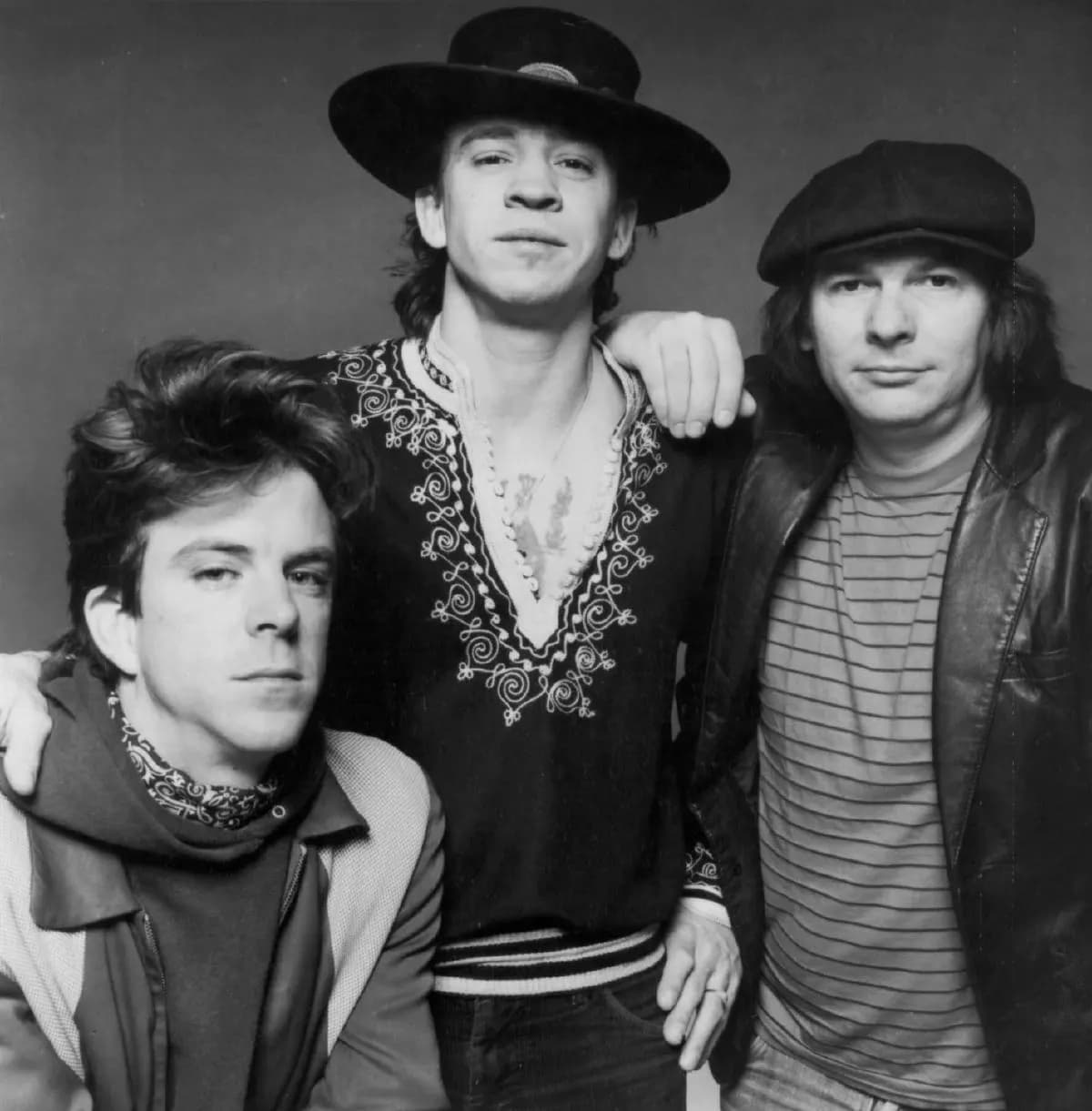
By the mid-1970s much of the energy had moved to hard rock and the blues element faded. A revival came in the 1980s with Stevie Ray Vaughan, whose debut with Double Trouble, Texas Flood (1983), restored the Texas shuffle and Albert King-style bends to the charts; George Thorogood and the Fabulous Thunderbirds worked the same ground. Gary Moore's Still Got the Blues (1990), recorded after two decades of hard rock, became the biggest seller of his career, and the Black Crowes carried the sound into 1990s rock radio.
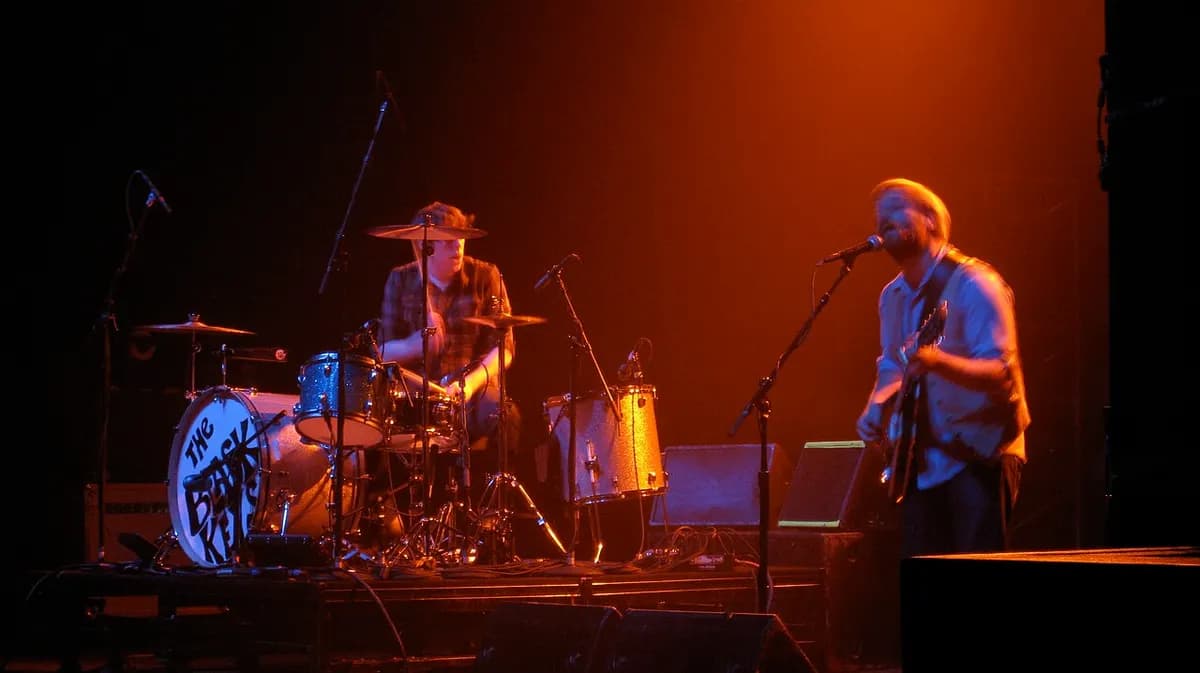
In the 2000s stripped-down garage duos took it up again: the White Stripes, and the Black Keys, whose Brothers (2010) reached number 3 on the Billboard 200 and won the Grammy for Best Alternative Music Album. The virtuoso branch continued with Joe Bonamassa, the Tedeschi Trucks Band and Gary Clark Jr.
Key Characteristics & Sound
What marks a blues rock recording:
- Tempo: slow blues around 55–75 BPM, mid-tempo shuffles around 90–130 BPM, and driving boogie or rock numbers up to about 160 BPM.
- Form: the twelve-bar blues and its variants, minor blues and eight-bar blues, alongside riff-based rock songs.
- Rhythm: shuffle and triplet feels (swung eighths), heavy backbeat on 2 and 4, boogie bass lines; some songs switch to straight rock eighths.
- Scale and harmony: minor and major pentatonic, the blues scale with its flattened fifth, dominant-seventh chords, bends and vibrato on the "blue" notes.
- Guitar tone: overdriven valve amplifiers, humbucker or single-coil warmth, wah-wah and fuzz in the psychedelic years.
- Solos: long, improvised, built from call-and-response phrases and climbing to a climax.
- Vocals: raw, shouted or strained, borrowing blues phrasing.
How it compares with its nearest relatives:
| Trait | Blues Rock | Electric Blues | Hard Rock | Southern Rock |
|---|---|---|---|---|
| Peak period | 1966–1975, revivals since | 1948–1965 | 1968–1990 | 1970–1980 |
| Typical rhythm | Shuffle or rock eighths | Shuffle, slow blues | Straight eighths | Rock or boogie |
| Guitar sound | Overdriven, long solos | Clean to lightly driven | Heavily distorted riffs | Twin or triple guitars |
| Song focus | Riff and solo | Voice and lyric | Riff and chorus | Jams, regional storytelling |
| Typical line-up | Power trio or quartet | Band with harmonica, piano | Quartet or quintet | Two or three guitars, keys |
| Reference track | Crossroads (Cream) | Hoochie Coochie Man | Whole Lotta Love | Sweet Home Alabama |
Instruments & Production
Blues rock is guitar music first, though each instrument has a set job:
- Electric guitar: Gibson Les Paul or SG for a thick, sustaining tone; Fender Stratocaster for a brighter, glassy bite (Hendrix, Vaughan). Through Marshall or Fender valve amplifiers turned up until they break up.
- Slide guitar: glass or metal slide, often in open tunings: Duane Allman, Johnny Winter, Derek Trucks.
- Bass: walking or boogie figures in shuffles, root-fifth patterns in rock songs; Jack Bruce turned it into a lead voice in Cream.
- Drums: heavy backbeat, triplet fills, shuffle patterns on the ride or hi-hat.
- Hammond organ: common in American blues rock (Gregg Allman) and in the 1970s British bands.
- Harmonica: less central than in blues, but heard in Paul Butterfield's and Canned Heat's music.
Production favours a live, room-sounding mix, with the guitar amplifier recorded loud and the drums natural. Several of the genre's best-known records, among them Wheels of Fire and At Fillmore East, are wholly or partly live, because extended solos made more sense on stage than in a three-minute single.
Branches & Related Styles
- British blues: the 1960s London scene: the Bluesbreakers, early Fleetwood Mac, Savoy Brown, Chicken Shack.
- Psychedelic blues: blues forms with fuzz, wah and extended improvisation: Cream, Hendrix, Big Brother. Overlaps with psychedelic rock.
- Heavy blues and proto-metal: slower, louder riffs: Led Zeppelin, Free, early Black Sabbath; the road to hard rock.
- Southern blues rock: long jams, slide and twin guitars: the Allman Brothers Band; part of Southern rock.
- Texas blues rock: shuffles, boogie and showmanship: Johnny Winter, ZZ Top, Stevie Ray Vaughan.
- Garage blues revival: raw, minimal duos and trios: the White Stripes, the Black Keys. Close to garage rock.
- Modern virtuoso blues rock: polished, solo-led: Joe Bonamassa, Gary Clark Jr., Tedeschi Trucks Band.
Blues rock also fed stoner rock, whose fuzz riffs are slowed-down blues figures, and the bluesier end of grunge.
Key Artists & Essential Albums
A listening path through the genre:
| Album | Artist | Year | Why it matters |
|---|---|---|---|
| The Paul Butterfield Blues Band | Paul Butterfield Blues Band | 1965 | Chicago electric blues for a rock audience |
| Blues Breakers with Eric Clapton | John Mayall & the Bluesbreakers | 1966 | The Les Paul-into-Marshall tone that defined the British blues boom |
| Are You Experienced | The Jimi Hendrix Experience | 1967 | Blues vocabulary reinvented with feedback and fuzz; 'Red House' on the UK edition |
| Wheels of Fire | Cream | 1968 | Live 'Crossroads' and extended power-trio improvisation |
| Led Zeppelin | Led Zeppelin | 1969 | Blues standards turned into heavy rock |
| At Fillmore East | The Allman Brothers Band | 1971 | Slide guitar and long twin-guitar jams at their peak |
| Tres Hombres | ZZ Top | 1973 | Texas boogie; 'La Grange' |
| Texas Flood | Stevie Ray Vaughan and Double Trouble | 1983 | The 1980s blues rock revival begins |
| Still Got the Blues | Gary Moore | 1990 | A hard rock guitarist returns to the blues |
| Brothers | The Black Keys | 2010 | Garage blues rock reaches the mainstream |
Blues Rock vs Blues vs Hard Rock
The quickest test against blues is volume and balance. If the singer is the focus, the guitar is relatively clean and a harmonica or piano trades phrases with the voice, it is blues. If the guitar is overdriven, the drums are loud and the song exists largely to set up a solo, it is blues rock. Many blues musicians moved into louder settings later in their careers, so plenty of records sit in between.
Against hard rock, listen for the shuffle and the twelve bars. Hard rock keeps the pentatonic riffs but usually drops the blues form, plays straight eighths instead of swung ones, and builds songs around a chorus. Led Zeppelin, Free and Deep Purple sit on the border, and both genres claim them. Against Southern rock, the difference is regional colour: Southern rock adds country, gospel and multiple guitars to the blues rock base. For the broader comparison, see our articles on jazz vs blues and rock vs metal.
How AI Detects Blues Rock
Blues rock gives an audio model plenty to work with: overdriven electric guitar filling the mid-range, a shuffle or triplet feel in the drums, bent notes and a twelve-bar harmonic cycle. Long instrumental solos mean many seconds of the clip contain nothing but that guitar sound.
Genre AI's production taxonomy has a Blues Rock label of its own, one of eight fine labels under the coarse Rock category, next to Hard Rock and Progressive / Psychedelic Rock. The difficulty is the neighbours. Heavier, straight-eighth riffing shares a lot with Hard Rock, and a fuzzed, effects-heavy 1967 track shares a lot with the psychedelic label. Try a slow blues and a riff-driven rocker from the same artist in the Genre AI music genre detector and compare the alternatives listed under the top result.
Blues rock is one of the few styles in this guide that Genre AI can name directly: Blues Rock is a fine label inside the coarse Rock category, so a shuffle with overdriven guitar is likely to come back as Rock and then Blues Rock. The likeliest confusion is with its siblings in the same category. Heavier, straight-eighth material in the Led Zeppelin, Free or ZZ Top mould has the distortion and riff density of Hard Rock, which may win or appear as the alternative, and fuzz-heavy Hendrix-era tracks may pick up Progressive / Psychedelic Rock. The separate coarse Blues category has no fine labels, and the classifier prefers categories that do, so even a fairly clean electric blues recording may well be filed under Rock and Blues Rock; the Blues Rock label's own text prompts include plain "blues", "delta blues" and "texas blues".