Northern soul is one of the few genres defined by its audience rather than its makers. The records are American, mostly uptempo 1960s soul singles from Detroit, Chicago, Philadelphia and New York, many of which sold poorly at home. The genre itself was created in the north of England, where DJs hunted those 45s down and dancers built an all-night culture around them from the late 1960s onward.
Below: where the name came from, the clubs that defined the scene, what makes a record "northern", the canonical tracks, and how the style differs from Motown and soul in general. To hear how a classifier reads a 1966 stomper, run a few seconds through our free AI music genre detector.
What Is Northern Soul?
Northern soul is a selection, not a production style. Nobody in 1965 set out to make a northern soul record. The music is American soul and R&B recorded mostly between about 1963 and 1972 and picked years later by British DJs for a few qualities: a fast, driving four-beat rhythm, a big emotional vocal, and obscurity. A record that every soul fan already owned was worth little on the scene. An unknown single on a small Detroit label that nobody else could play could make a DJ's name.
So the genre has three layers. The sound is the uptempo "stomper", with a pounding backbeat, tambourine on every beat, and strings and horns borrowed from the Motown blueprint. The economy is record hunting, imports, bootlegs and the prices rare 45s fetch. The culture is all-nighters, athletic solo dancing and sew-on patches reading "Keep the Faith".
Rarity is what separates the scene from simply liking soul. A northern DJ's standing rested on exclusives, so the scene kept digging up records that the American industry had written off, and many singers learned years later that they had a devoted following in Lancashire.
History & Origins
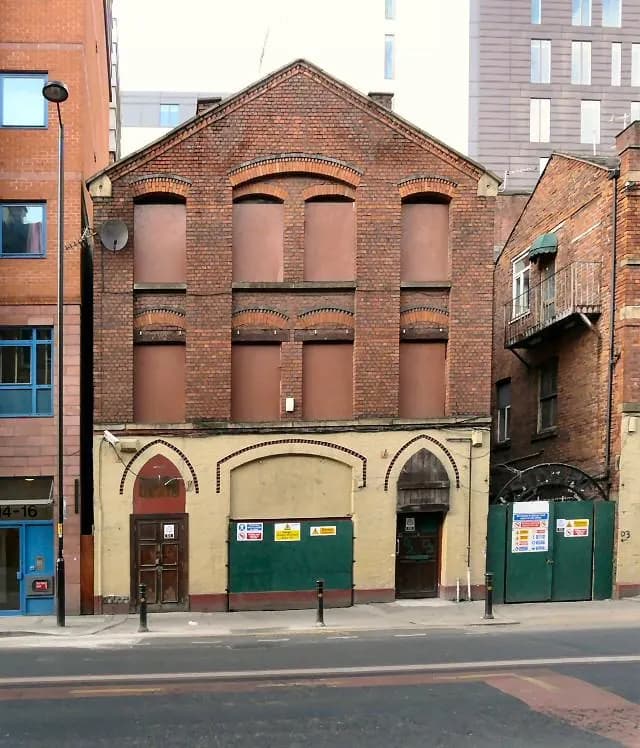
The groundwork was laid in the mid-1960s by British mod culture, which already prized imported American R&B. In Manchester the Twisted Wheel, reopened as a music venue in 1963, ran all-night sessions and became the scene's first home. By the time it closed in 1971, its dancers had moved toward faster, more obscure records than the soul then played on British radio.
The name came from London. Journalist Dave Godin, who ran the Soul City record shop in Covent Garden and wrote for Blues & Soul, noticed that football supporters from the north visiting his shop ignored the newer funk-leaning soul and asked for the older, uptempo, Motown-style sound. He later dated the coinage to 1968, used "northern soul" as shop shorthand, and first put it in print in his Blues & Soul column in June 1970. The label described a taste before it described a scene.
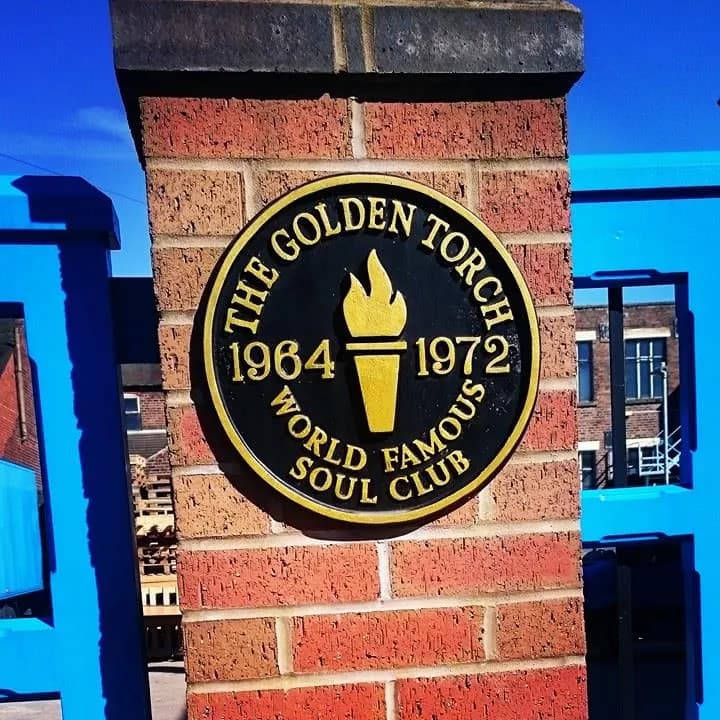
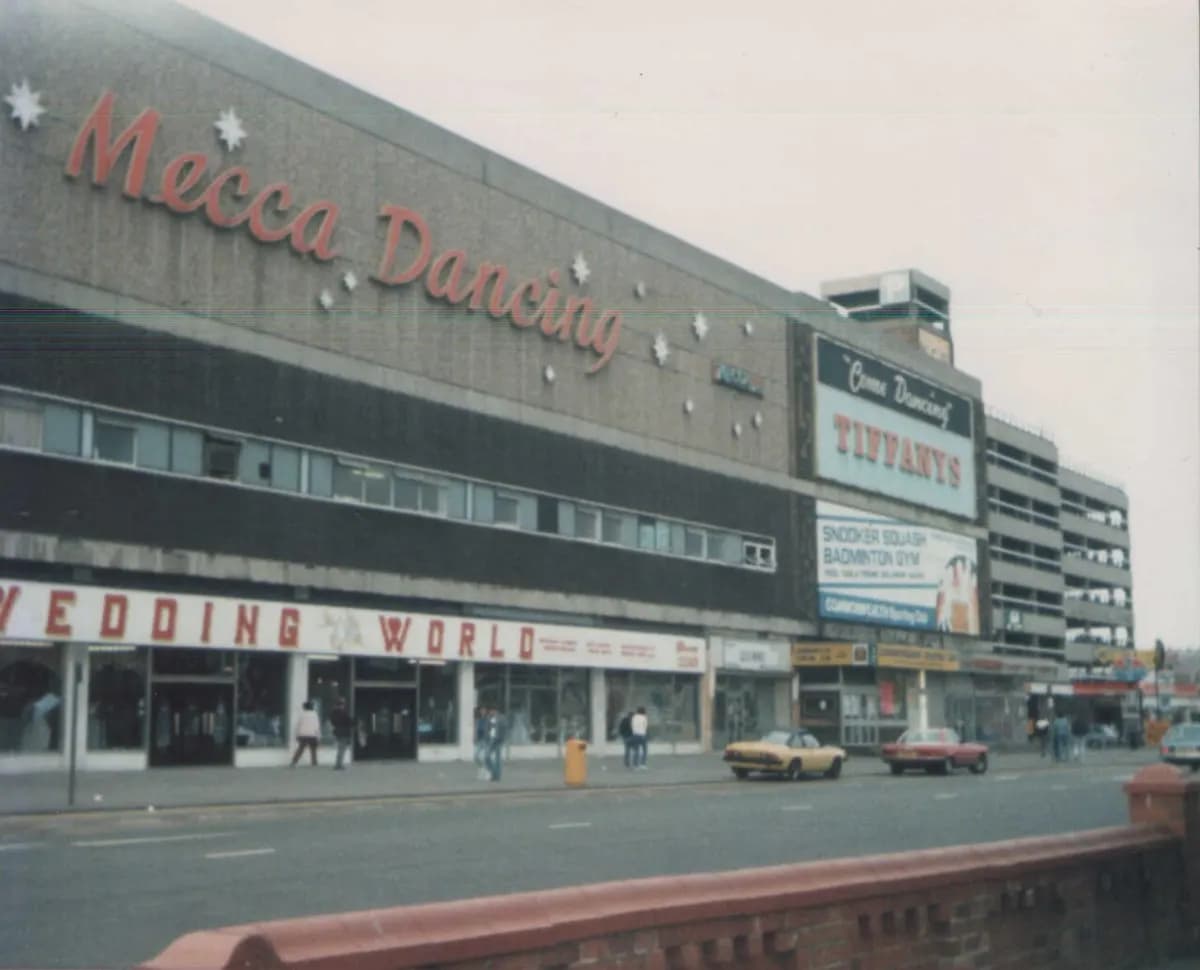
In the early 1970s the scene grew through a chain of all-nighter venues. The Golden Torch in Tunstall, Stoke-on-Trent, started regular Friday all-nighters in late 1970. Wigan Casino opened its all-nighters in September 1973 and ran until 1981, becoming the movement's most famous site; its DJs included Russ Winstanley, Richard Searling and Kev Roberts, and each session ended with the three records remembered as the "3 before 8". The Blackpool Mecca, where Ian Levine and Colin Curtis played, became Wigan's rival.
That rivalry shaped the scene's first big argument. From around 1974 the Mecca's DJs played newer, smoother 1970s soul with more modern production, while Wigan held to the 1960s stomper. The division between 1960s purists and "modern soul" has run through the scene ever since. Northern soul also reached the UK pop charts in the mid-1970s, when scene favourites were reissued: the Javells' "Goodbye Nothing to Say" made No. 26 in November 1974, and Tommy Hunt's "Loving on the Losing Side" No. 28 in 1976. Many devotees regard that commercial phase as a low point.
Wigan Casino closed in 1981, but the scene did not end. Smaller all-nighters, weekenders and venues such as London's 100 Club kept it running through the 1980s, and from the 2000s it gained new attention through documentaries, compilation series and films such as Northern Soul (2014), alongside a younger generation of dancers.
Key Characteristics & Sound
What makes a record "northern":
- Tempo: about 100 BPM and up, with many favourites well above that. Fast enough for spins and kicks, and faster than most mainstream 1960s soul.
- The stomp: a heavy four-beat rhythm with the backbeat doubled by handclaps or snare, and tambourine on every quarter note.
- Bass: insistent and driving, often walking eighth notes in the Motown manner.
- Arrangement: strings, horn sections, vibraphone and backing vocals, the small-label imitation of a big-label production.
- Vocals: passionate, often pleading lead singing about heartbreak, devotion and holding on.
- Length: two to three minutes, the length of a 7-inch single.
- Obscurity: not a sonic trait, but the scene's real test. A hit rarely counts the same way a lost single does.
Northern soul against the music around it:
| Trait | Northern Soul | Motown | Classic Soul | Modern Soul |
|---|---|---|---|---|
| What it is | A British dancefloor selection | A Detroit label and house sound | Broad 1960s–70s genre | 1970s–80s soul played on the scene |
| Era of the records | Mostly 1963–1972 | 1959–1972 (Detroit) | 1960s–1970s | Mid-1970s onward |
| Typical tempo | 100 BPM and up | 110–135 BPM | 70–130 BPM | 100–120 BPM |
| Rhythm | Driving 4/4 stomp | Doubled backbeat, tambourine | Varies, often behind the beat | Smoother, disco-influenced |
| Value placed on | Rarity and energy | Hit craft | Feel and vocal | Sophistication |
| Where it lived | Northern English all-nighters | US radio and charts | US radio, churches, clubs | Blackpool Mecca and successors |
The All-Nighter Scene & Dancing
The music cannot be separated from the room it was played in. Northern soul events traditionally ran through the night, from late evening to the next morning, and dancers travelled long distances to attend them. The scene had its own currency of badges, patches and record-collecting knowledge, and the motto "Keep the Faith" appeared on sew-on badges and club memorabilia.
The dancing is how most outsiders recognise the scene. Dancers mostly dance alone, using fast footwork, spins, backdrops, high kicks and floor drops, and dancers often took moves from touring American acts such as Jackie Wilson and Little Anthony and the Imperials. As the records got faster in the early 1970s the dancing grew more athletic, and it has often been compared to later breakdancing, though the two developed separately. Talc sprinkled on the floor to help sliding is part of the lore; it is still seen at the 100 Club, though some veterans think its role at Wigan has been exaggerated.
Behind the DJ booth, competition shaped the music. DJs covered the labels of their best finds ("cover-ups") so rivals could not identify and buy the same record. Bootleg pressings of rare titles circulated widely, and debates about original pressings versus reissues remain part of collecting culture. Because the demand was British, some American singers were invited to perform for audiences who knew songs that had barely been heard at home.
Branches & Related Styles
The scene contains several recognised strands:
- Sixties stompers: the classic core of uptempo, Motown-influenced 1960s singles.
- Modern soul: smoother 1970s and 1980s soul, associated with Blackpool Mecca and later with the modern rooms of weekenders.
- Crossover: records that sit between the two, often from the early-to-mid 1970s.
- Rare soul: the collector's term for the whole field, named for the scarcity of the records.
- Mod revival: the British mod scene that preceded northern soul and overlapped with it again from the late 1970s.
- Beach music: a separate regional scene in the Carolinas that, like northern soul, kept older soul records alive for dancers.
It sits downstream of Motown and wider soul, alongside the vocal-group tradition of doo-wop, and its devotion to forgotten American records anticipates the rare-groove digging that later fed acid jazz.
Notable Artists & Records
Northern soul is a scene of records more than of artists; many performers are known for a single song. A starting list:
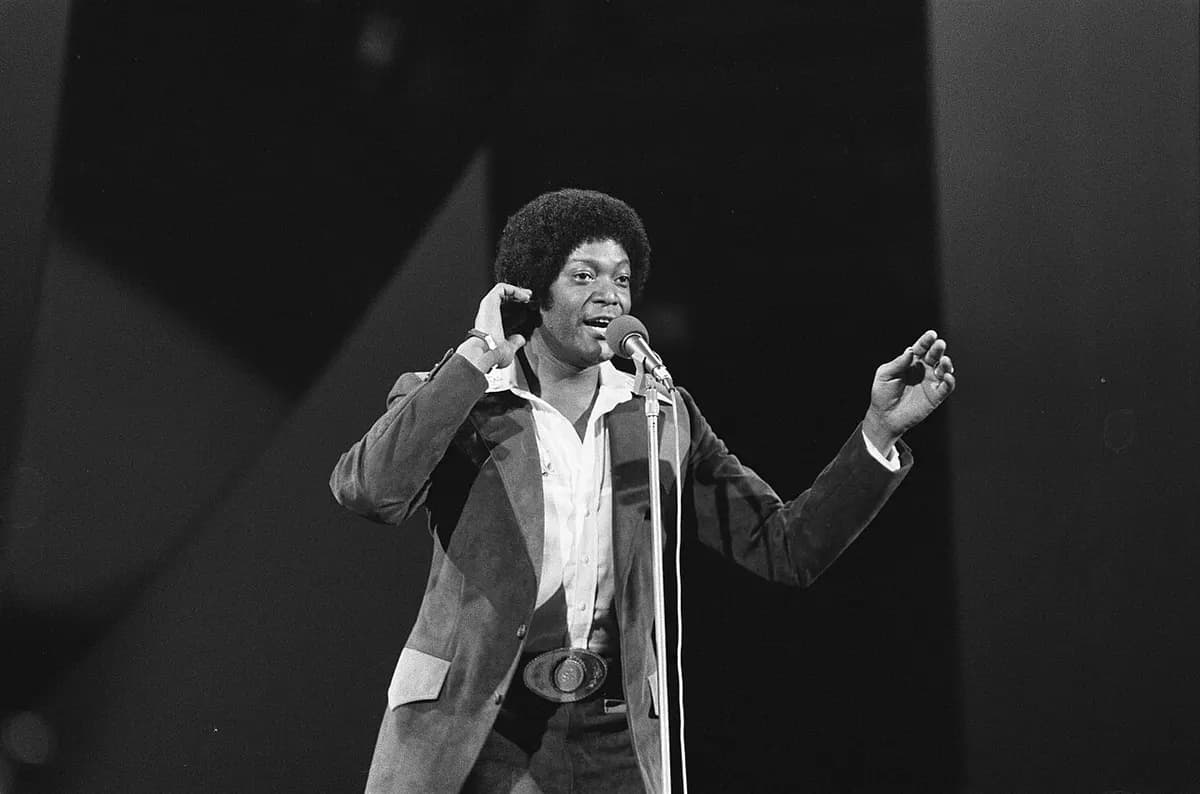
- Dobie Gray: "Out on the Floor" (1966).
- Frank Wilson: "Do I Love You (Indeed I Do)", scheduled by Motown's Soul label in late 1965 and pulled by Berry Gordy before release. Only a handful of demo copies survived, the song became a Wigan Casino anthem, and it got its first official UK release in 1979.
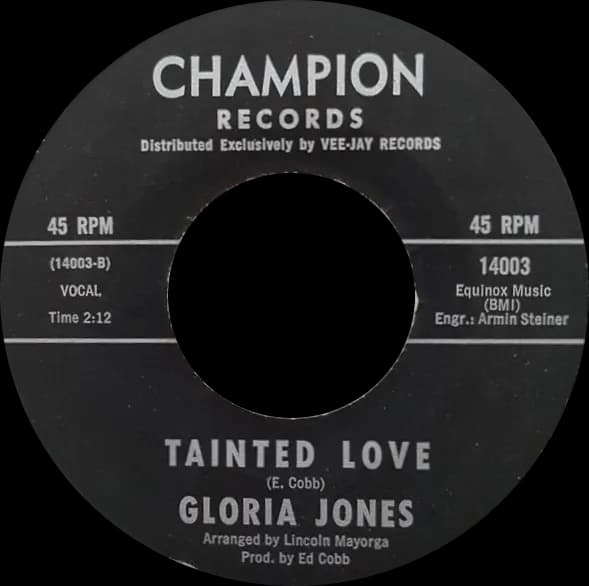
- Gloria Jones: "Tainted Love", recorded in 1964 and issued as a B-side in 1965, the original of the song Soft Cell later made famous.
- Tobi Legend: "Time Will Pass You By".
- Jimmy Radcliffe: "Long After Tonight Is All Over".
- Dean Parrish: "I'm on My Way".
- Darrell Banks: "Open the Door to Your Heart" (1966).
- R. Dean Taylor: "There's a Ghost in My House" (Motown's V.I.P. label, 1967).
- Al Wilson: "The Snake" (1968).
- Frankie Valli & the Four Seasons: "The Night" (1972), which missed the charts on release, became a northern favourite and reached No. 7 in the UK on its 1975 reissue.
The Tobi Legend, Jimmy Radcliffe and Dean Parrish singles are the ones remembered as Wigan Casino's "3 before 8" closing sequence. Start with "Out on the Floor" for the sound, "Do I Love You" for the collecting mythology, and "Tainted Love" to hear how one northern favourite became a 1980s synth-pop hit.
Northern Soul vs Motown vs Soul
The three terms overlap but answer different questions. Soul is the broad American genre: gospel-rooted vocal music from the late 1950s onward, spanning ballads, Southern grit, Philadelphia polish and funk-leaning grooves. Motown is a Detroit record company and the house sound its musicians created. Northern soul is a British scene's choice of which soul records to dance to.
So a record can be all three. R. Dean Taylor's "There's a Ghost in My House" is a Motown single, a soul record and a northern anthem. Most northern soul, though, is not Motown: the scene favoured smaller labels from Detroit, Chicago and elsewhere that imitated the Motown blueprint without its distribution. And plenty of soul, including most slow ballads and almost all of the deep Southern sound, was never northern at all, because it did not fit the dancefloor.
The cleanest test is functional: if a 1960s soul record is fast, stomping and urgent, and was rare enough to build a DJ's reputation in northern England, it is northern soul.
Northern soul shows the limit of any audio-only classifier, Genre AI included: the genre is a curatorial choice, and no spectrogram contains the information "this single was rare in Wigan in 1974". Genre AI has no northern soul or Motown label. What the model can hear is the era and the groove: narrow 1960s mastering, tambourine on every beat, a fast four-beat stomp, strings and a gospel-trained lead. Those cues point to the coarse Funk / Soul label, so the likely answer is its fine label Soul, with Funk or Disco as possible alternatives on the busier, later records. The coarse R&B label has no subgenres and rarely comes up for this material at all. A northern stomper and a Motown hit from the same year should read almost identically, which is what the scene's DJs would expect: they were looking for records that sounded like the hits and simply weren't.