Latin trap (trap latino) is Spanish-language trap: the booming 808 bass, rattling hi-hat rolls and half-time drums of Atlanta hip-hop, carried by Puerto Rican, Dominican, Argentine, Spanish and other Latin American artists who rap and sing over them. It broke through in Puerto Rico in the mid-2010s, launched the careers of Bad Bunny and Anuel AA, and within a few years had become one of the core sounds of global Latin music.
Latin trap is often lumped together with reggaeton, and many artists move freely between the two, but the two are built on different rhythms. This guide covers where Latin trap came from, what it sounds like, its national scenes, its key songs and artists, and the line that separates it from reggaeton, US trap and the corridos tumbados of Mexico. To check how a classifier reads a track, upload a clip to our free AI music genre detector.
What Is Latin Trap?
At its core, Latin trap is trap production with Spanish-language vocals and Latin American street culture. The beat is the same machine that drives US trap: a Roland TR-808-style kick and long, pitch-sliding sub-bass, snares or claps landing on the third beat of a half-time bar, and hi-hats subdivided into rapid triplets and rolls. Over it, artists alternate between rap verses and Auto-Tuned sung hooks, and the lyrics run through the familiar trap themes (money, street life, rivals, sex and drugs) in Caribbean and Latin American slang.
What Latin trap does not have is the dembow, the "boom-ch-boom-chick" drum pattern that defines reggaeton. That single rhythmic difference is the cleanest way to tell the two apart, even though the same artists, producers and labels make both, and a single album often contains both.
For the history of trap itself (the Atlanta scene, T.I., Gucci Mane, Young Jeezy and the 808 template), see our what is trap music guide. This page covers the Spanish-language branch.
History & Origins
Spanish-language rap over darker, slower beats existed in Puerto Rico before trap had a name there. Reggaeton artists such as Arcángel and De La Ghetto experimented with rap tracks outside the dembow format in the 2000s; De La Ghetto has said he was making trap from around 2005 or 2006, and Ozuna has traced the style to "El Pistolón" (2007), a posse cut with Arcángel & De La Ghetto, Yaga & Mackie and Jowell & Randy. The exact starting point is disputed. In the US, the Dominican-born, New York-based rapper Messiah was among the early voices of Spanish trap.
The breakthrough came in Puerto Rico around 2015–2017. Producers and DJs such as DJ Luian and Mambo Kingz and the label Hear This Music pushed a wave of trap tracks on YouTube and SoundCloud, often as long posse cuts. The 2016 single "La Ocasión", credited to DJ Luian and Mambo Kingz with De La Ghetto, Arcángel, Ozuna and Anuel AA, is the track Ozuna and Anuel AA have credited with taking Latin trap international. The same year, a then-unknown Bad Bunny released "Soy Peor", and Anuel AA became the scene's rawest voice, even though he spent April 2016 to July 2018 in prison.
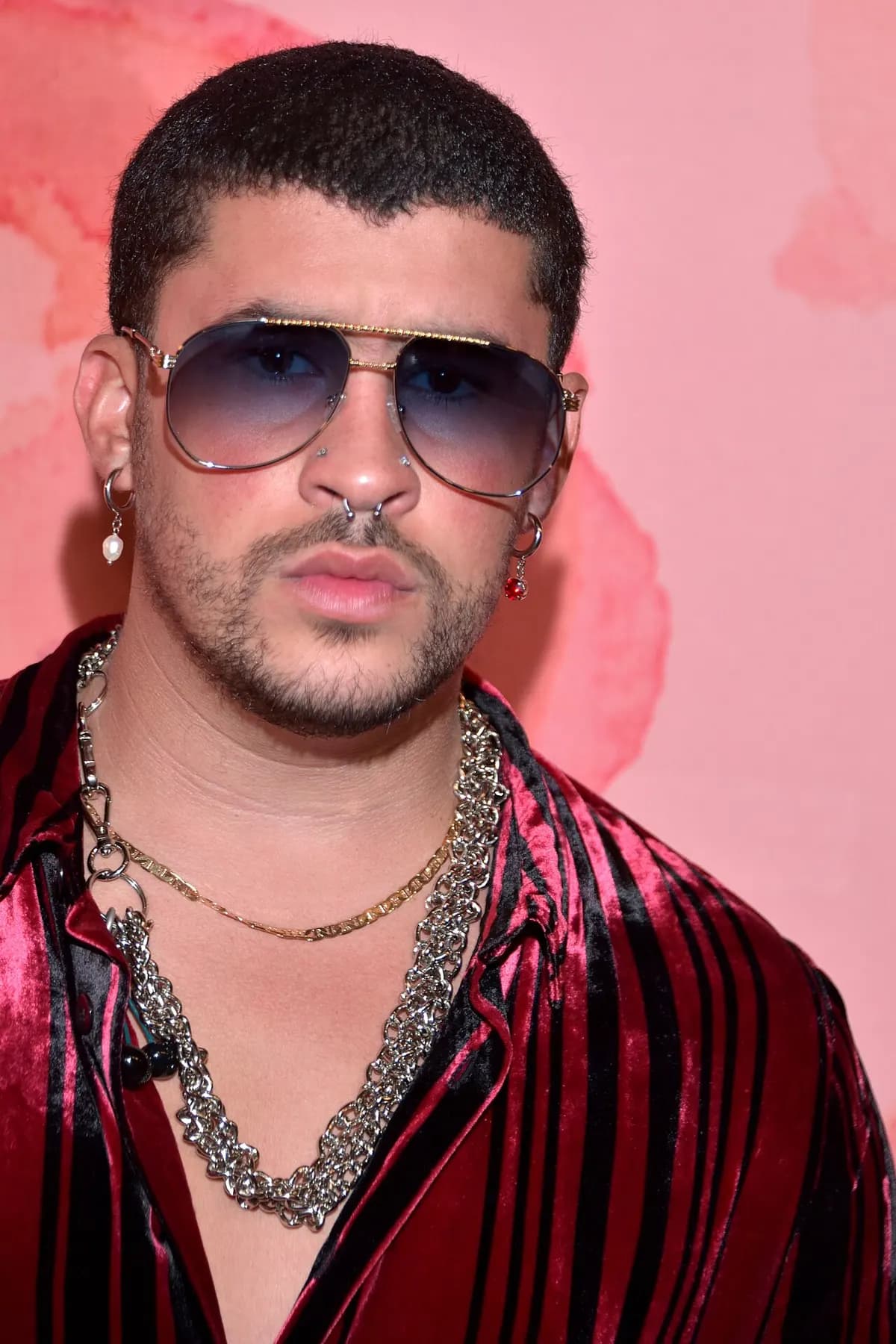
Latin trap spread fast. Remixes and collaborations with US artists, such as "Krippy Kush" (2017) by Farruko, Bad Bunny and Rvssian, later remixed with Nicki Minaj, and Cardi B's 2018 "I Like It" with Bad Bunny and J Balvin, which topped the US Billboard Hot 100, took the sound into the mainstream. Bad Bunny's albums, beginning with X 100pre (2018), mixed trap with reggaeton and pop and turned him into a global star. Meanwhile national scenes developed their own trap: Argentina with Duki, Khea, Cazzu and Paulo Londra, Spain with Yung Beef and the collective Pxxr Gvng, and later Chile, Colombia and Mexico.
By the end of the 2010s the boundaries had blurred. Puerto Rican stars moved back toward reggaeton, Argentine trap folded into a broader urban pop, and in Mexico trap's slang and swagger fused with acoustic guitars to create corridos tumbados. The half-time 808 beat is still easy to pick out, but on most albums it now sits next to reggaeton, pop and drill tracks by the same artists.
Sound, Tempo & Production
Latin trap borrows the US trap toolkit almost unchanged:
- Tempo: roughly 130–150 BPM, felt in half time, so the groove moves like 65–75 BPM, slower and heavier than reggaeton's 90–100 BPM.
- Drums: 808-style kicks, a clap or snare on beat three of the half-time bar, and hi-hats in rapid rolls and triplets.
- Bass: long, distorted 808 sub-bass notes that glide between pitches.
- Harmony: dark, minor-key loops of bells, plucks, pads, piano or guitar samples, repeated with little change.
- Vocals: rap verses and melodic, heavily Auto-Tuned hooks, often traded between several guests on one track.
- Language: Spanish, dense with regional slang; English phrases appear, especially in crossover tracks.
| Trait | Latin trap | Reggaeton | US trap |
|---|---|---|---|
| Typical tempo | ≈130–150 BPM, half-time feel | ≈90–100 BPM | ≈130–150 BPM, half-time feel |
| Core rhythm | Trap drums, hi-hat rolls | Dembow pattern | Trap drums, hi-hat rolls |
| Bass | Gliding 808 | Sub-bass under the dembow | Gliding 808 |
| Language | Spanish | Spanish | English |
| Mood | Dark, menacing, introspective | Party, dance, romance | Dark, menacing, braggadocious |
| Function | Listening, clubs, street | Dance floor | Listening, clubs, street |
Scenes & Styles
Latin trap is a set of national scenes as much as one genre:
- Puerto Rican trap: the original commercial scene: Bad Bunny, Anuel AA, Bryant Myers, Noriel, Almighty, Brytiago, Ñengo Flow, Eladio Carrión and Myke Towers.
- Argentine trap: born in freestyle battles such as El Quinto Escalón in Buenos Aires; Duki, Khea, Cazzu, Paulo Londra, Neo Pistea and YSY A. Khea's "Loca" with Duki and Cazzu was an early national hit.
- Spanish trap: a distinct, more underground and experimental scene led by Yung Beef and Pxxr Gvng in the mid-2010s.
- Dominican and US Latin trap: Messiah and others in New York and the Dominican Republic, often overlapping with dembow and drill.
- Latin drill: the 2020s wave of Spanish-language drill beats with sliding 808s and syncopated hi-hats.
- Corridos tumbados: Mexico's acoustic-guitar answer to trap, covered in our corrido guide.

Key Artists & Tracks
A short list to start with:
- DJ Luian & Mambo Kingz with De La Ghetto, Arcángel, Ozuna & Anuel AA: "La Ocasión" (2016), the posse cut that carried the scene abroad.
- Bad Bunny: "Soy Peor" (2016) and "Tú No Metes Cabra" (2017), the early trap singles that made his name.
- Anuel AA: Real Hasta la Muerte (2018), the debut album released the day he left prison.
- Farruko, Bad Bunny & Rvssian: "Krippy Kush" (2017), an early crossover, later remixed with Nicki Minaj.
- Cardi B, Bad Bunny & J Balvin: "I Like It" (2018), a boogaloo-sampling crossover that put Bad Bunny's voice on US radio.
- Khea, Duki & Cazzu: "Loca" (2017), the Argentine scene's breakthrough.
- Paulo Londra: "Adán y Eva" (2018), melodic Argentine trap-pop.
- Myke Towers: Easy Money Baby (2020), a later Puerto Rican trap-and-reggaeton landmark.

Latin Trap vs Reggaeton, Trap & Corridos Tumbados
- Latin trap vs reggaeton: same language, often the same artists, different rhythm. Reggaeton is built on the dembow at about 90–100 BPM and is made for dancing; Latin trap uses half-time trap drums and is darker and heavier. For reggaeton's own roots, see reggae vs reggaeton.
- Latin trap vs trap: production is nearly identical; the difference is language, slang, flow and the Caribbean and Latin American culture around it.
- Latin trap vs drill: drill uses sliding 808s and syncopated, off-grid hi-hats in a darker register; Latin drill is a later offshoot.
- Latin trap vs corridos tumbados: tumbados borrow trap's attitude and vocal delivery but replace 808s with requinto and acoustic guitars over Mexican regional rhythms. See our corrido guide.
How AI Detects Latin Trap
To an audio model, Latin trap is above all trap: half-time 808 drums, rolling hi-hats and gliding sub-bass, one of the most widely used production templates in current hip-hop. The Spanish language is a much weaker signal for an audio classifier than the beat, so the drums are likely to decide the answer. Run a clip through the Genre AI music genre detector and compare a trap track with a dembow reggaeton hit by the same artist to hear the difference.
Genre AI's production taxonomy has no separate Latin trap label, but its Trap fine label (under the coarse Rap Hip-Hop) lists "latin trap", "trap latino" and "spanish trap" among the descriptions it matches against. So the likely reading follows the beat: half-time 808 drums with hi-hat rolls point to Trap. The competing answer is the coarse Latin label, which has no finer breakdown and is the natural home for reggaeton, so a Latin trap track with a dembow-leaning groove or Caribbean percussion may tip that way. Melodic, Auto-Tuned hooks over a softer beat may bring Pop Rap or Contemporary RnB into the runners-up. The confusion with reggaeton is likely to be the main one, and it would come from the rhythm, since the vocals sound much alike in both.