Honky-tonk is the barroom style of country music: songs about drinking, cheating, heartbreak and hard work, played by small electric bands loud enough to be heard over a crowded dance floor. It grew out of the bars of the Texas and Oklahoma oil fields in the 1930s, reached its classic form after World War II with Hank Williams, Lefty Frizzell and Ernest Tubb, and has been the reference point for "real" country ever since.
This guide covers where the name and the sound came from, what makes a honky-tonk record (fiddle, steel guitar, the shuffle), how it differs from outlaw country and the wider country family, and who to listen to first. To hear how a steel-and-fiddle shuffle reads to a classifier, run a few seconds through our free AI music genre detector.
What Is Honky-Tonk?
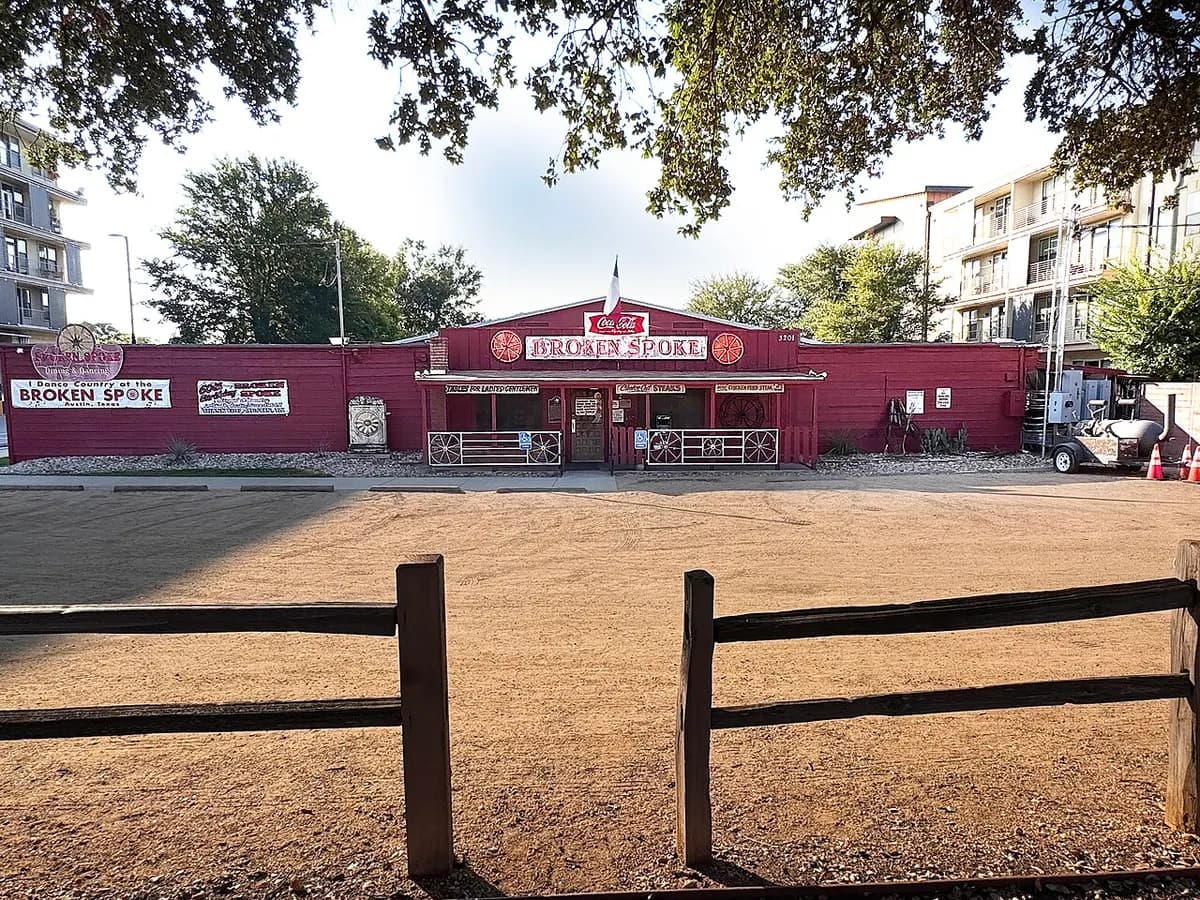
A honky-tonk was a place before it was a sound: a cheap, rough bar with a dance floor, usually on the edge of town, often in a county where drink was otherwise hard to come by. The word appears in American newspapers from the late nineteenth century, and by the 1930s it was attached to the roadhouses that served oil workers in Texas and Oklahoma. The music that grew up in those rooms took its subject matter and its sound from the setting.
The subject matter is adult and unglamorous: drinking, infidelity, divorce, loneliness, the jukebox, the lost weekend and the morning after. Unlike the mountain ballads and gospel of early country, honky-tonk songs are set in town, in the present, among working people. The singer is usually the one at fault, or the one left behind.
The sound is shaped by the room. Bands had to be heard over talk, glasses and dancing feet, so they amplified: electric guitar and steel guitar, a stand-up bass, eventually drums. The tempo was set for dancing, a two-step or a shuffle, and the vocal was plain, nasal and close to speech, built to carry a story. Put the barroom subject, the dance-floor rhythm and the amplified twang together and you have honky-tonk.
There is a second, older use of the term: honky-tonk piano, the slightly out-of-tune upright piano style of bars and saloons, related to ragtime and boogie-woogie. Pianists like Moon Mullican worked in both, but the piano style is the older meaning and the two are different things.
History & Origins
The style began in the 1930s, when the end of Prohibition and the Texas oil boom filled roadside bars with paying customers and jukeboxes. Western swing bands such as Bob Wills's Texas Playboys played the larger dance halls; the smaller honky-tonks needed something cheaper and louder. Songs began naming the setting outright: Al Dexter's "Honky Tonk Blues", cut at his first session in 1936, is usually credited as the first country song to use the term. Texas singers such as Floyd Tillman and Ted Daffan ("Born to Lose", recorded 1942 and released 1943) shaped its themes.
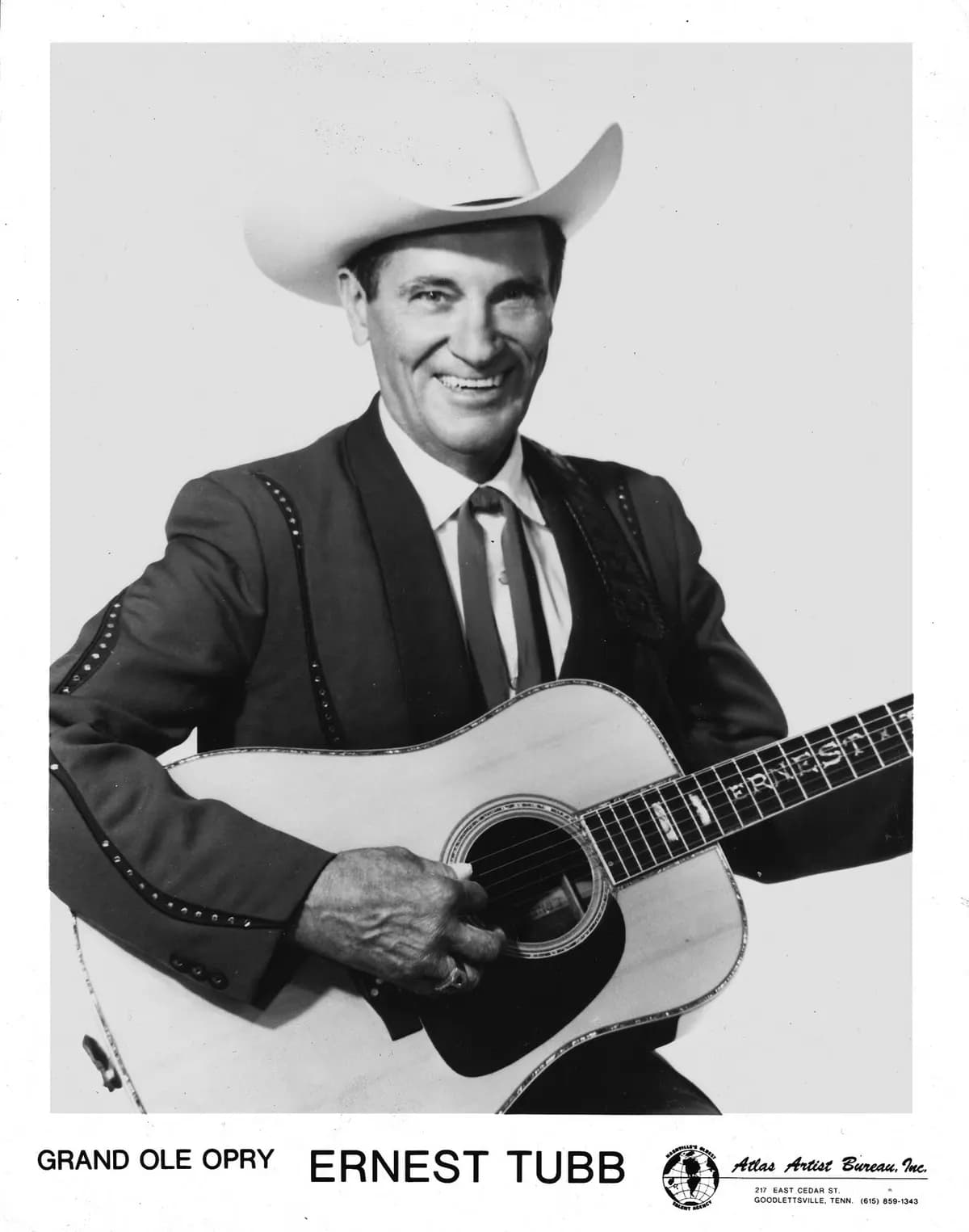
The figure who made it nationally popular was Ernest Tubb. His "Walking the Floor Over You" (1941) was a major hit, and Tubb is often named as the first country star to feature electric guitar on record (played on that session by Fay "Smitty" Smith), so that his songs carried over the noise of a jukebox crowd. When he joined the Grand Ole Opry in Nashville in 1943, the barroom sound came with him; his Ernest Tubb Record Shop and its late-night radio show became a Nashville institution.
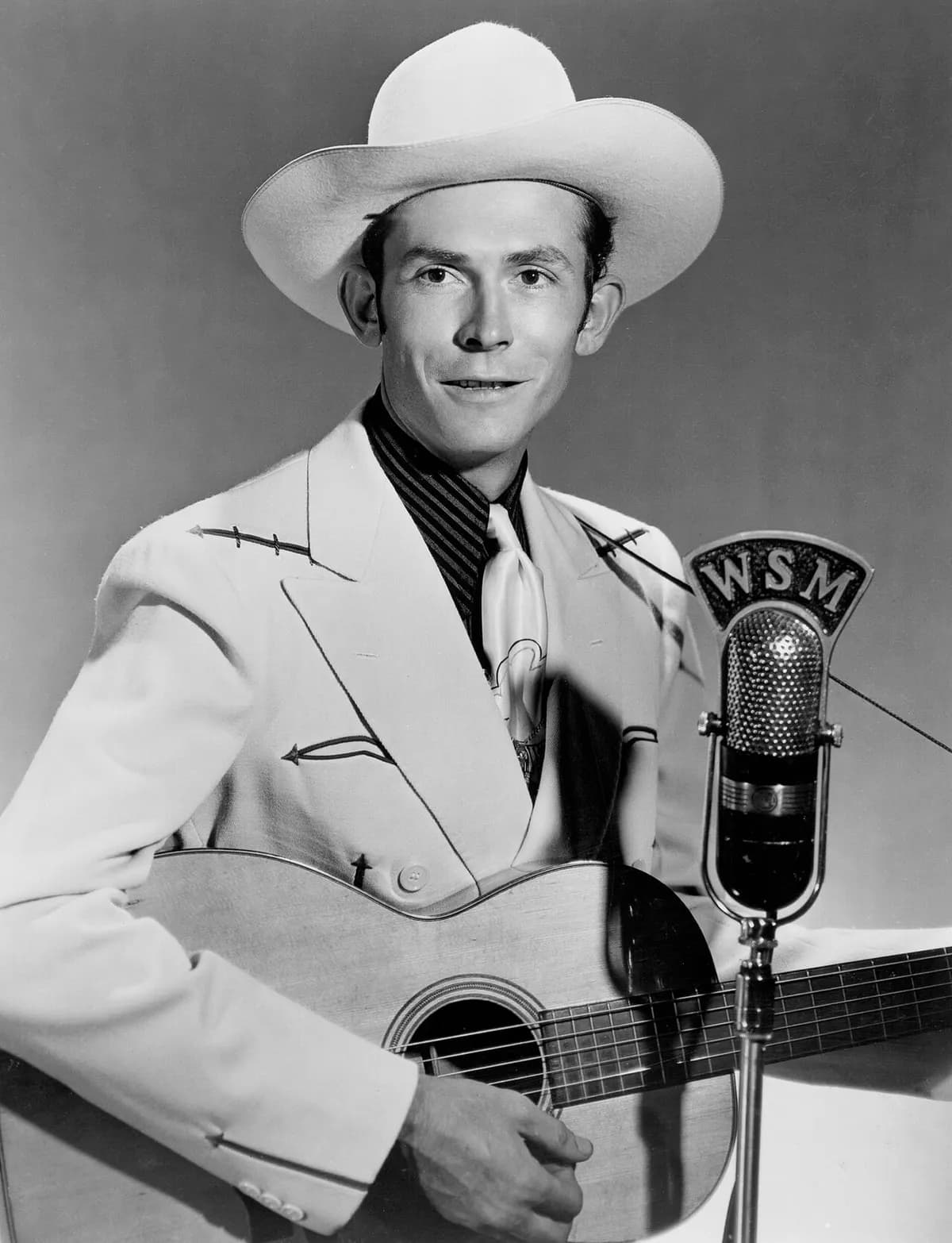
The classic period is roughly 1947–1956. Hank Williams (1923–1953) wrote and sang its definitive songs in a run of only six years ("Lovesick Blues" in 1949, then "I'm So Lonesome I Could Cry", "Cold, Cold Heart", "Hey, Good Lookin'" and "Your Cheatin' Heart") before his death on New Year's Day 1953 at 29. Lefty Frizzell, from Texas, introduced a sliding, syllable-stretching vocal style on "If You've Got the Money I've Got the Time" (1950) that influenced generations of singers. Hank Thompson's "The Wild Side of Life" (1952) prompted Kitty Wells's answer song "It Wasn't God Who Made Honky Tonk Angels" (1952), which made her the first woman to reach No. 1 on the Billboard country chart as a soloist. Webb Pierce's "Slowly" (1954), the first country No. 1 to feature pedal steel, carried Bud Isaacs's bending chords, which set the sound of the instrument for the decade that followed.
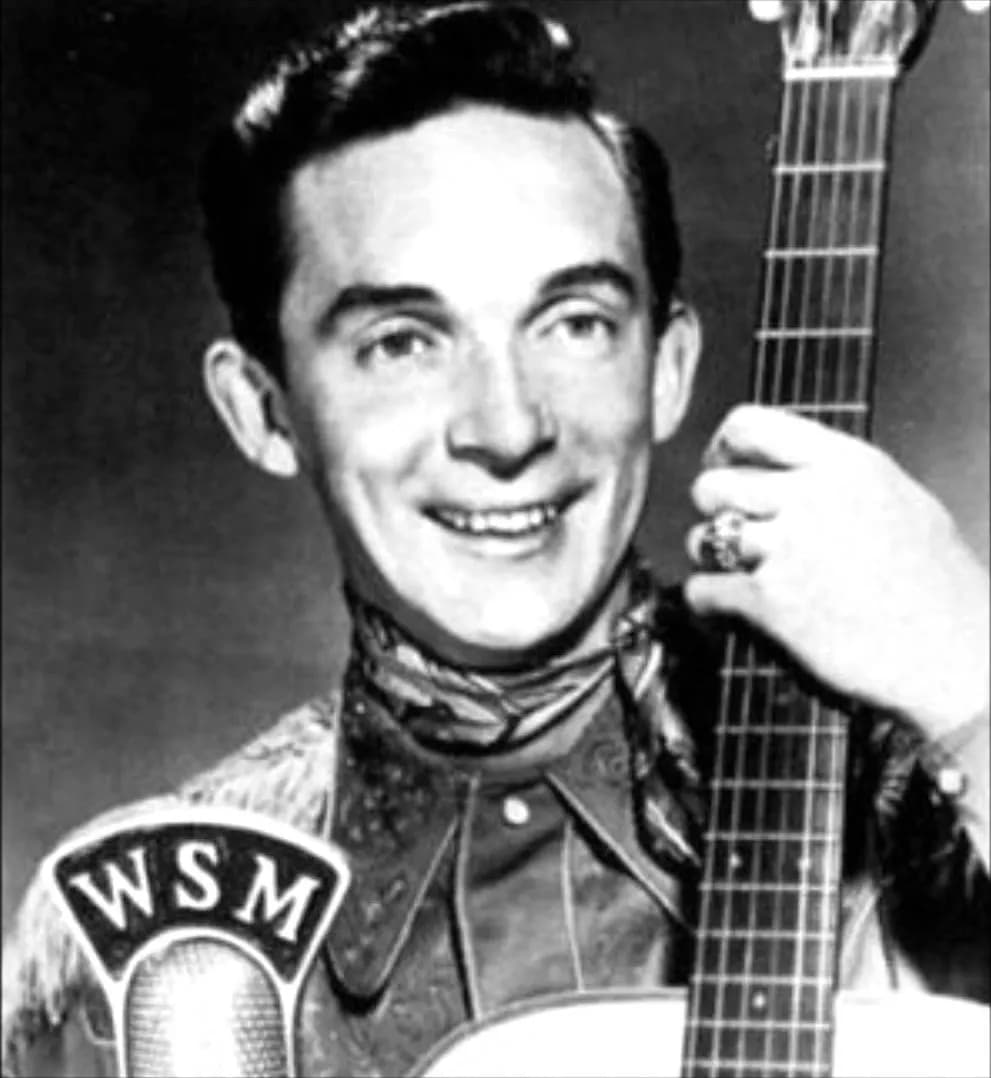
In 1956 Ray Price's "Crazy Arms" introduced what became known as the Ray Price shuffle: a 4/4 shuffle with a walking bass line, still the most recognisable honky-tonk rhythm. George Jones, beginning in the mid-1950s, became the style's greatest singer; his career ran from "White Lightning" (1959) to "He Stopped Loving Her Today" (1980). The arrival of rock 'n' roll and then the smoother Nashville Sound pushed honky-tonk to the margins of the charts in the late 1950s and 1960s, but it survived in California's Bakersfield sound of Buck Owens and Merle Haggard and in Texas dance halls.
The neotraditionalist movement of the 1980s brought it back to the mainstream. George Strait's debut single "Unwound" (1981), Randy Travis's Storms of Life (1986) and Dwight Yoakam's Guitars, Cadillacs, Etc., Etc. (1986), which included a cover of Johnny Horton's "Honky Tonk Man", re-established fiddle, steel and shuffle on country radio. In the 1990s Alan Jackson ("Don't Rock the Jukebox", 1991) and Brooks & Dunn ("Boot Scootin' Boogie", 1992) made honky-tonk imagery central to mainstream country, and later acts such as Midland have continued the line.
Key Characteristics & Sound
What identifies a honky-tonk record:
- Tempo: dance shuffles and two-steps at roughly 100–130 BPM, and slow "crying" ballads and waltzes at 60–90.
- Rhythm: the shuffle (a swung 4/4 with a walking bass) and the two-step, both made for couples dancing.
- Fiddle and steel guitar: the two lead instruments, trading fills and solos between vocal lines.
- Electric guitar: a clean, twangy lead tone, often a Telecaster from the 1950s onward.
- Vocals: nasal, plain, unadorned, with a catch or break for emotion: Hank Williams's yodel-inflected cry, Lefty Frizzell's slurred phrasing, George Jones's bending notes.
- Harmony: simple major-key progressions, three or four chords, verse–chorus form.
- Lyrics: drinking, cheating, divorce, loneliness, jukeboxes and the bar itself, usually first person.
- Small band: four to six players, built to fit on a barroom stage.
Where it sits among its neighbours:
| Trait | Honky-Tonk | Western Swing | Outlaw Country | Bluegrass |
|---|---|---|---|---|
| Peak period | 1941–1956; 1981–1995 | 1935–1950 | 1972–1980 | 1945–present |
| Typical BPM | 100–130 (ballads 60–90) | 110–180 | 90–140 | 120–200 |
| Band size | 4–6, amplified | Large, horns and strings | Touring band | 4–6, acoustic |
| Lead instruments | Fiddle, steel guitar | Fiddle, steel, horns | Telecaster, steel | Banjo, fiddle, mandolin |
| Drums | Yes, light | Yes | Yes | No |
| Reference track | Your Cheatin' Heart | San Antonio Rose | Honky Tonk Heroes | Blue Moon of Kentucky |
Instruments & Production
Honky-tonk's instrument set was chosen for volume and for dancing:
- Fiddle: the oldest voice in the band, playing melody, fills and double-stops behind the vocal.
- Steel guitar: first the lap steel, then from the 1950s the pedal steel, whose bending chords became the sound of country heartbreak.
- Electric lead guitar: Ernest Tubb's records made it standard; the Fender Telecaster, introduced at the start of the 1950s, became its usual form.
- Acoustic rhythm guitar: strummed by the singer, keeping the chord pattern.
- Upright bass: playing the walking line that defines the shuffle; later electric bass.
- Drums: light, brushed or snare-led. The Grand Ole Opry long discouraged drums on its stage, which is part of why early honky-tonk records keep them so far back.
- Piano: barrelhouse-style fills; Moon Mullican was its best-known country exponent.
Production was simple: a band in a room, a handful of microphones, the vocal up front. The neotraditionalists of the 1980s deliberately kept that plain, dry sound against the polished country-pop of the period, and their records kept the honky-tonk sound because of it.
Related Styles & Descendants
The family around it:
- Western swing: Bob Wills's larger, jazz-influenced dance-hall bands, honky-tonk's bigger cousin.
- Bakersfield sound: Buck Owens and Merle Haggard's harder, Telecaster-led California version of the late 1950s and 1960s.
- Texas country and dance-hall country: the circuit that kept honky-tonk alive when Nashville moved away from it.
- Outlaw country: 1970s artists who took back honky-tonk's subject matter and plain sound against the Nashville Sound.
- Neotraditional country: George Strait, Randy Travis, Dwight Yoakam and Alan Jackson in the 1980s and 1990s.
- Rockabilly: the 1950s fusion of honky-tonk and rhythm and blues that fed rock 'n' roll.
- Americana, where much honky-tonk-influenced songwriting lives today.
For the line between country and its acoustic neighbours, see our explainer on country vs folk.
Key Artists & Tracks
Where to start:
- Ernest Tubb: "Walking the Floor Over You" (1941).
- Hank Williams: "Lovesick Blues" (1949), "I'm So Lonesome I Could Cry" (1949), "Your Cheatin' Heart" (1953).
- Lefty Frizzell: "If You've Got the Money I've Got the Time" (1950).
- Hank Thompson: "The Wild Side of Life" (1952).
- Kitty Wells: "It Wasn't God Who Made Honky Tonk Angels" (1952).
- Webb Pierce: "Slowly" (1954).
- Ray Price: "Crazy Arms" (1956).
- George Jones: "White Lightning" (1959), "He Stopped Loving Her Today" (1980).
- Buck Owens: "Act Naturally" (1963), for the Bakersfield branch.
- George Strait: "Unwound" (1981).
- Dwight Yoakam: Guitars, Cadillacs, Etc., Etc. (1986).
- Alan Jackson: "Don't Rock the Jukebox" (1991).
Three tracks for the arc: "Walking the Floor Over You" for the beginning, "Your Cheatin' Heart" for the classic form, "Crazy Arms" for the shuffle every later band played.
Honky-Tonk vs Outlaw Country vs Country
Country is the umbrella: everything from the 1927 Bristol Sessions to modern country-pop. Honky-tonk is one of its main historical styles, and arguably the one most people mean when they say "traditional country".
Honky-tonk is defined by its setting and its rhythm: bar songs for dancing, fiddle and steel, a shuffle or two-step, a plain vocal. It dates from the 1930s–1950s and was revived in the 1980s.
Outlaw country is a 1970s movement defined first by a business fight, as artists took creative control from Nashville producers, and second by a sound. Many outlaw records are honky-tonk in spirit (Waylon Jennings named an album Honky Tonk Heroes), but the outlaw sound is harder and more rock-influenced: the chugging "Waylon beat", phase-shifted Telecasters, longer hair and louder bands. A rough rule: if the band swings and the fiddle leads, it is honky-tonk; if the rhythm guitar drives and the record sounds like a rock band playing country, it leans outlaw.
How AI Detects Honky-Tonk
For an audio classifier, honky-tonk is one of the clearest-sounding styles in the country family. Pedal steel's gliding pitch, fiddle double-stops, a clean twangy electric guitar and a nasal, forward vocal are all strong country cues, and the shuffle rhythm with a walking bass is easy to pick up in the low end.
What the model cannot easily do is separate honky-tonk from other traditional country styles. A shuffle by George Strait and one by Ray Price share most of their acoustic features, and the differences are era, production and repertoire. Older recordings add another wrinkle: limited bandwidth and mono sound may push the answer toward folk, the other label in the same family. Blues is a separate category in the model with no subgenres, and it rarely wins against a country reading. Try a track in the Genre AI music genre detector and check whether Folk shows up underneath.
Genre AI's taxonomy puts this territory under the coarse label Folk / Country, and Country is the fine label a honky-tonk record is most likely to get; there is no separate honky-tonk label, and the prompts for Country (among them "texas country" and "roots country") do not name it either. What separates honky-tonk from neotraditional or Texas country is mostly history and setting, while the sound that reaches the model (fiddle, steel guitar, twangy electric guitar and a plain vocal over a shuffle) is country's core sound. The only possible alternative inside that family is Folk, which pre-1955 mono recordings with their narrow frequency range may pull toward. Piano-led barrelhouse tracks are a different case: if Rock reaches the model's top five, the answer may switch family altogether and come back as RocknRoll, which is not far off given how close honky-tonk piano sits to boogie-woogie.