Fado is the urban song of Portugal: a solo voice, a 12-string Portuguese guitar weaving melody around it, a classical guitar keeping the pulse, and lyrics about fate, love, the sea, the city and the untranslatable ache of saudade. Born in the poor neighbourhoods of 19th-century Lisbon, it became the national song and, in 2011, part of UNESCO's list of the Intangible Cultural Heritage of Humanity.
This guide covers what fado is, where it came from, how Lisbon and Coimbra fado differ, the instruments and musical forms that define it, the great fadistas and how it compares with flamenco and samba. Want to hear how a classifier reads a fado recording? Play a clip into our free AI music genre detector and compare it with the note below.
What Is Fado?
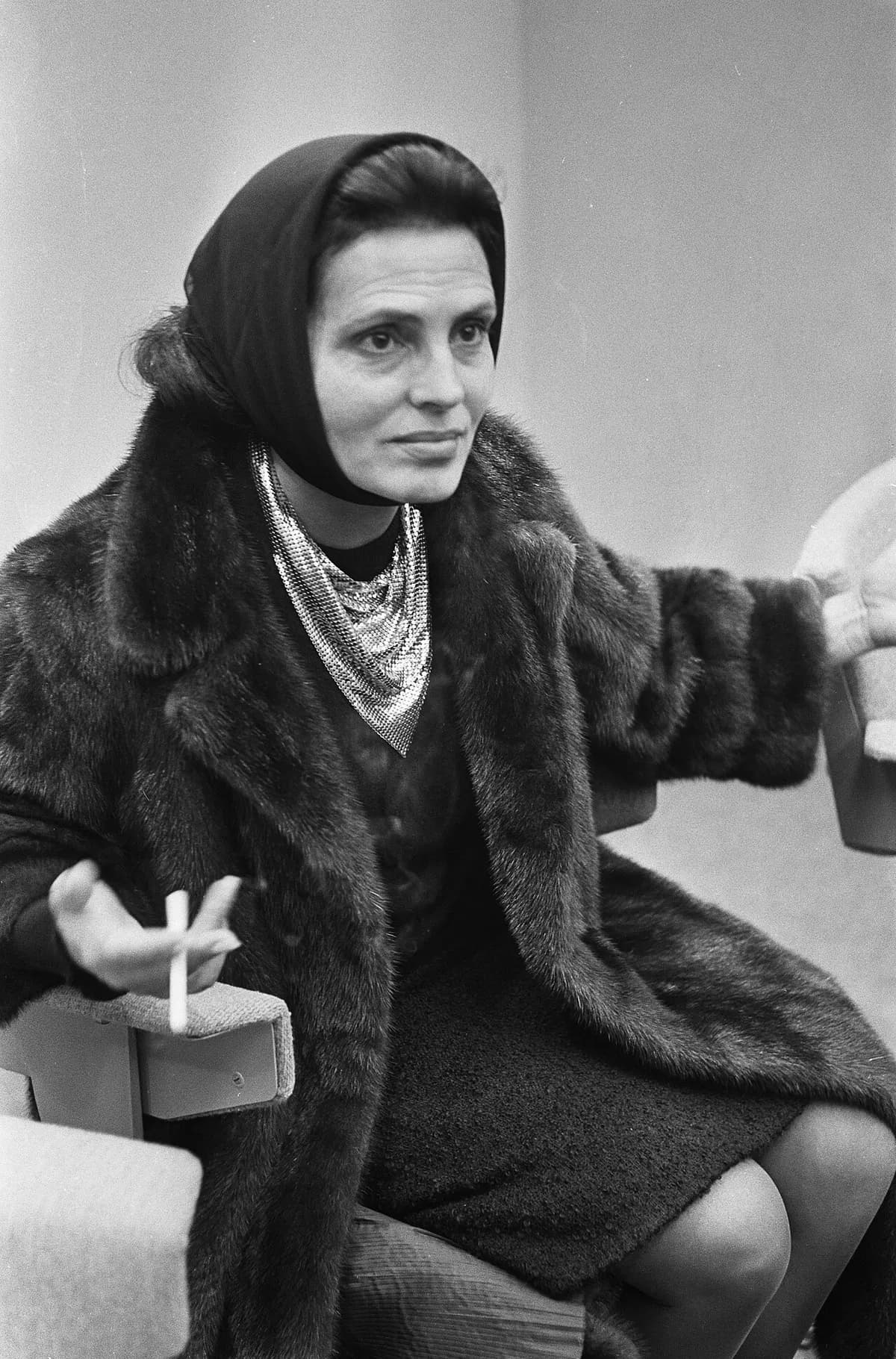
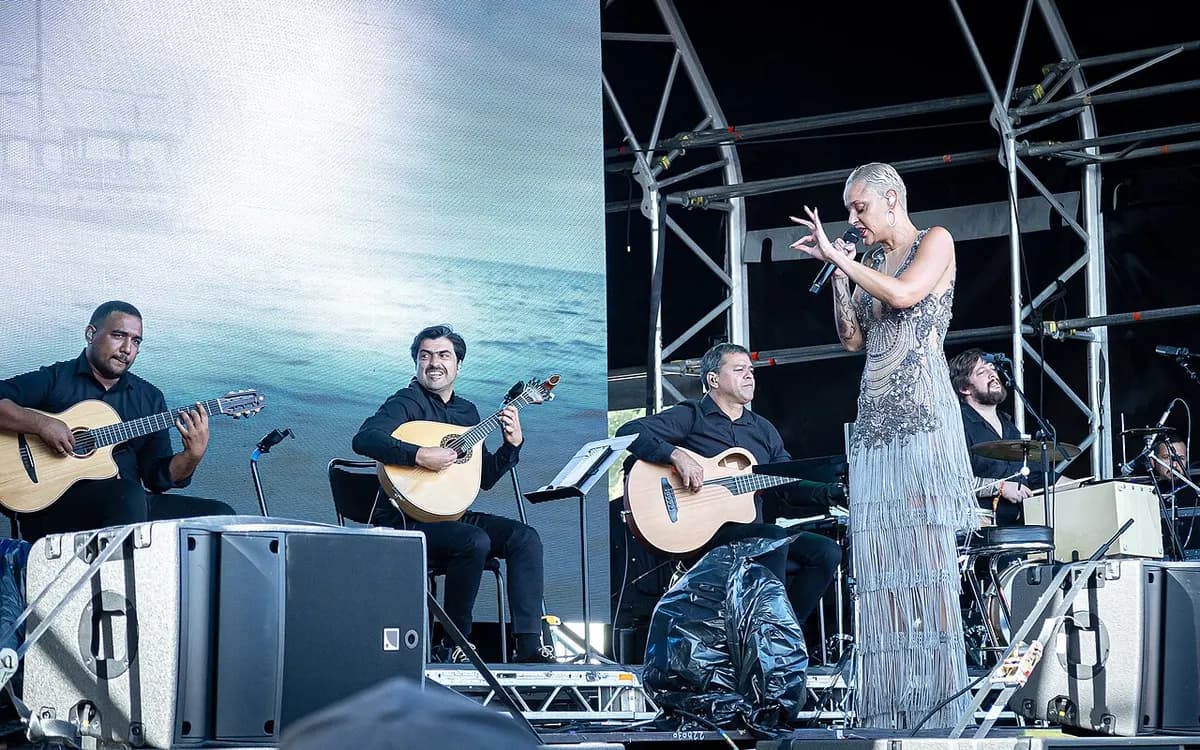
The word fado means "fate" or "destiny", and many of the songs take that word as their subject. A fado is usually sung by a single fadista, standing, often in a black shawl, accompanied by two or three guitarists. The songs are short, strophic and intensely focused on the words: poems of lost love, longing for someone or something absent, the life of the Lisbon streets, the sea and those who left by it.
The emotional centre is saudade, a Portuguese word for longing that contains both the pain of absence and a kind of tenderness towards it. Plenty of fados are witty, ironic or cheerful, but the best-known repertoire is slow and melancholy, and that is where the genre's reputation comes from.
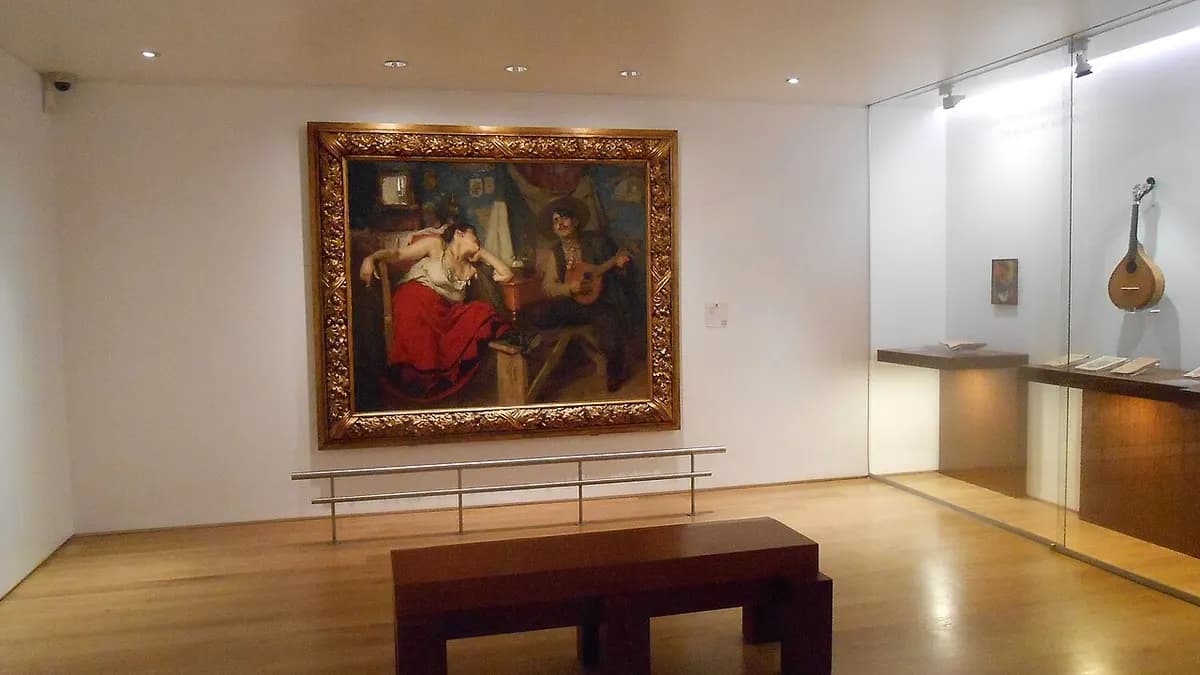
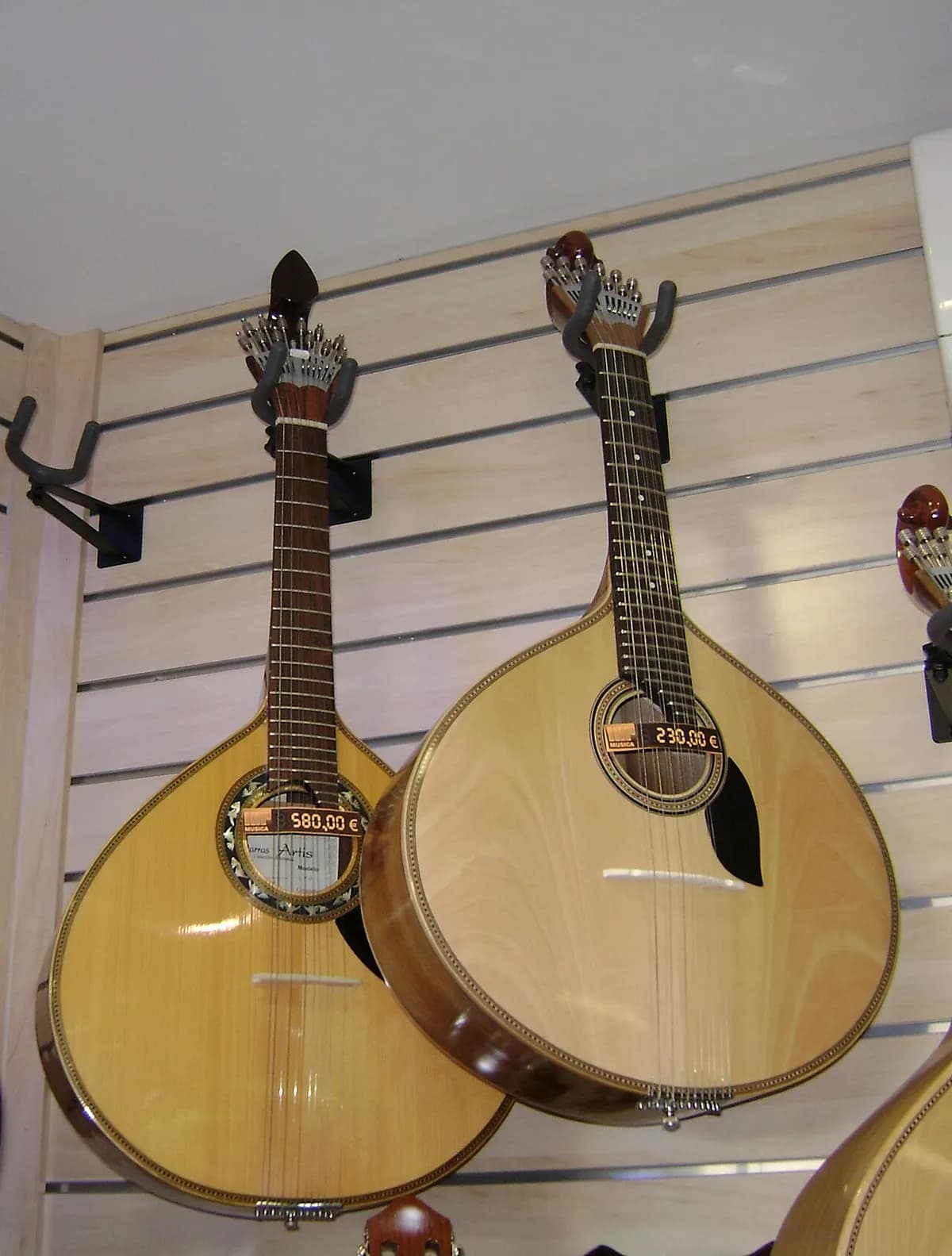
Its instrument is the guitarra portuguesa, a pear-shaped, 12-string descendant of the cittern with a bright, ringing tone that few other popular styles use. And fado is listened to in silence. In the casas de fado of Lisbon, the lights dim and conversation stops while the fadista sings, a custom summed up in the phrase "silêncio, que se vai cantar o fado".
That makes it very different from its Iberian neighbour flamenco, which is driven by dance, handclaps and complex rhythmic cycles, and from Brazil's samba, a percussive Afro-Brazilian dance music. Fado is not danced; it is sung to a room that listens.
History & Origins
Fado's origins are debated. The fado historian Rui Vieira Nery has pointed out that reliable information goes back only to the 1820s and 1830s. Earlier influences proposed by scholars include Afro-Brazilian dance-songs such as the lundu and the sentimental modinha, which travelled between Brazil and Lisbon, especially around the return of the Portuguese court from Rio de Janeiro in 1821. Popular theories tracing fado to Moorish song or medieval troubadours have no documentary support.
What is documented is that fado emerged in the first half of the 19th century in Lisbon's poor and bohemian quarters of Alfama, Mouraria and Bairro Alto, in taverns frequented by sailors, prostitutes and labourers. Some historians date its appearance on the city's streets to after 1840. Its first legend was Maria Severa (1820–1846), a singer of partly Romani descent associated with the Mouraria quarter, whose affair with an aristocrat, the Count of Vimioso, made her the subject of plays, films and fados long after her early death. Much of the story as it is told today comes from Júlio Dantas's 1901 novel A Severa, which took liberties with the facts. The black shawl worn by many fadistas is traditionally linked to her memory.
In the late 19th and early 20th centuries fado moved from taverns to theatres, revues and, eventually, records and radio. Under the Estado Novo dictatorship (1933–1974), it was both promoted and policed: performers needed professional licences, lyrics were censored, and fado was presented as part of an official national identity. Critics later summed up the regime's use of popular culture as "Fado, Fátima and Futebol", although it was never an official motto. At the same time the regime's era produced fado's greatest star, Amália Rodrigues (1920–1999), who sang fado in Paris, New York and far beyond, and who, from 1962, worked with the French composer Alain Oulman to set major Portuguese poets to music.
After the Carnation Revolution of 1974, fado was for a time dismissed as the music of the old regime. It recovered. When Amália died on 6 October 1999 the government declared three days of national mourning, and in 2001 her remains were moved to the National Pantheon. A new generation led by Mariza, whose debut album Fado em Mim appeared in 2001 (some discographies give 2002), brought fado to world music audiences, and on 27 November 2011 UNESCO inscribed "Fado, urban popular song of Portugal" on its Representative List of the Intangible Cultural Heritage of Humanity.
Key Characteristics & Sound
You can usually recognise fado by these traits:
- Solo voice: a powerful, chest-voiced and highly expressive delivery, with rubato, dramatic pauses and ornamented phrase endings.
- Guitar dialogue: the Portuguese guitar plays counter-melodies, fills and introductions around the voice while the classical guitar provides chords and pulse.
- Metre: mostly simple duple or quadruple metre (2/4 or 4/4), with a gently pulsing bass-and-chord accompaniment; the singer pulls freely against it.
- Harmony: straightforward chord progressions, often alternating minor and major sections; the expressive weight rests on melody and voice.
- Words first: fado is a poetry-driven form, and the same traditional melody can carry many different poems.
- Mood: saudade, fatalism and nostalgia, but also humour, pride in the neighbourhood and social commentary.
Fado tradition distinguishes between traditional fado melodies (fixed musical frameworks onto which new poems are sung) and fado-canção, songs with their own composed melody and refrain:
| Type | What it is | Character |
|---|---|---|
| Fado menor | One of the oldest traditional fados, in a minor key | Grave, melancholic |
| Fado corrido | Traditional fado in a major key at a quicker pace | Lively, flowing |
| Fado mouraria | Traditional fado named after the Lisbon quarter | Bright, in a major key |
| Fado tradicional (general) | Hundreds of fixed melodies reused with new poems | Varies with the melody |
| Fado-canção | Song-form fado with its own melody and refrain | Closer to popular song |
| Coimbra fado | Student serenade tradition of Coimbra | Lyrical, romantic, sung by men |
Instruments
Classic fado uses a small, fixed ensemble:
- Guitarra portuguesa, the Portuguese guitar: pear-shaped, with 12 metal strings in six double courses, tuned with a distinctive fan of screw tuners. It descends from the European cittern. Lisbon and Coimbra each have their own model, with different sizes and tunings. Played with a fingerpicking technique, it supplies introductions, counter-melodies and solos.
- Viola: the name Portuguese musicians use for the classical (nylon-string) guitar, which holds the chords and bass line.
- Viola baixo: an acoustic bass guitar, added in many modern ensembles.
- Voice: always the lead, and the guitars follow the fadista's phrasing.
Modern fado recordings sometimes add piano, double bass, string quartets or full orchestra, and fado-influenced artists have used percussion and electronics, but voice, Portuguese guitar and viola remain the standard line-up. Instrumental Portuguese guitar music has its own tradition, best known through Carlos Paredes, whose 1963 score for Paulo Rocha's film Os Verdes Anos and later albums turned the guitarra into a concert instrument.
Lisbon Fado vs Coimbra Fado
There are two main fado traditions:
- Lisbon fado: the popular, urban tradition of the capital's old quarters, sung by both women and men, heard in casas de fado and taverns, with themes from everyday life, love and the city.
- Coimbra fado: linked to the University of Coimbra and to serenading. It is sung by men, often students in academic dress, at night beneath windows or on the steps of the Old Cathedral and Santa Cruz Monastery. Its style is more lyrical and romantic.
Beyond Portugal, fado is related in spirit to the morna of Cape Verde, which shares its saudade-laden mood and may share early roots, and it belongs to the same Portuguese-language song world as Brazilian styles such as bossa nova, though the two developed separately.
| Trait | Fado | Flamenco | Samba |
|---|---|---|---|
| Origin | Lisbon and Coimbra, Portugal | Andalusia, Spain | Rio de Janeiro and Bahia, Brazil |
| Core instruments | Portuguese guitar, classical guitar, voice | Flamenco guitar, voice, palmas, cajón | Cavaquinho, pandeiro, surdo, guitar |
| Rhythm | Simple duple metre, free vocal rubato | Compás cycles, often 12 beats | Syncopated 2/4 with percussion |
| Danced? | No — listened to in silence | Yes, baile is a pillar | Yes, central to Carnival |
| Emotional core | Saudade, fate | Duende, deep song | Celebration, social chronicle |
Key Artists & Recordings
Where to start:
- Amália Rodrigues: the "Queen of Fado"; "Barco Negro", "Estranha Forma de Vida" (her own lyric set to Alfredo Marceneiro's music) and the 1962 album with Alain Oulman.
- Maria Severa: the 19th-century legend; no recordings exist, but her story runs through fado itself.
- Alfredo Marceneiro: a cabinetmaker by trade (which is what marceneiro means) and the great male voice of traditional Lisbon fado.
- Carlos do Carmo: the singer who modernised fado-canção; "Lisboa, Menina e Moça" (1976), made Lisbon's official city song in 2021.
- Carlos Paredes: the virtuoso of the Portuguese guitar, from a Coimbra family of guitarists.
- Mariza: born in Mozambique in 1973, raised in Mouraria; Fado em Mim (2001) sold around 100,000 copies and took her onto world-music stages.
- Camané: one of the leading male fadistas of his generation.
- Ana Moura, Carminho and Cristina Branco: contemporary singers who record both traditional fados and new songs.
- António Zambujo: a softer, Brazilian-tinged approach to fado-canção.
Start with Amália's "Estranha Forma de Vida", then Mariza live, then a recording of a traditional fado menor to hear the old frame beneath the modern voices.
How AI Detects Fado
Fado's sound gives a classifier one exceptionally strong clue: the Portuguese guitar. Its bright, metallic, double-coursed tone has few close equivalents in mainstream recorded music, and paired with a nylon-string guitar and a dramatic solo voice it makes a texture that is hard to confuse with much else.
The rest of the signal is less specific. A slow, voice-led ballad over acoustic guitars sounds like much of the world's singer-songwriter and folk music, and much of what defines fado (the Portuguese poetry, the saudade, the silent room) is not an acoustic property. Genre AI has no fado label. The likely answer is Folk under Folk / Country, since acoustic guitars and a voice-first arrangement are exactly what that label describes. Try a clip in the Genre AI music genre detector, and for the bigger picture read how to identify a music genre by ear.
Genre AI has no label for fado. The most likely answer is Folk, under the coarse Folk / Country label, because two acoustic guitars and a solo voice match that description closely; Country is the only sibling that can appear as an alternative. Singer / Songwriter and Latin would also fit, but they have no subgenres, and the classifier prefers any coarse label that has them whenever one is among its top five guesses, so those two rarely come up. A modern recording with strings or a full orchestra may move to Jazz → Easy Listening or to one of the Classical periods. Whatever comes back describes the arrangement; the model has no way to name the tradition.