Enka is Japan's sentimental ballad tradition: slow, minor-key songs of lost love, harbours, snow, sake and the home left behind, sung with a trembling, ornamented voice over strings, guitar and saxophone. For decades it was the music of Japanese adulthood, heard on television variety shows, in karaoke bars and on NHK's New Year's Eve broadcast.
This guide explains what enka is, where the word and the sound came from, how a scale and a vocal technique define it, which singers shaped it and how it differs from J-pop and city pop. Curious how a classifier hears it? Try a clip in our free AI music genre detector, and read the note below on why enka is a hard case.
What Is Enka?
Enka is a genre of Japanese popular song built on emotion held under pressure. Its lyrics deal with longing, parting, endurance and nostalgia; its melodies use a scale with roots in older Japanese music; and its singers are judged above all on kobushi, an expressive vocal ornament that makes a single syllable bend and waver. The American anthropologist Christine Yano called her book-length study of the genre Tears of Longing: Nostalgia and the Nation in Japanese Popular Song.
Enka is a branch of kayōkyoku, the umbrella term for Japanese popular song of the 20th century, and the boundary between them is not sharp. In practice enka is distinguished by its older-sounding melody, its stylised singing and its imagery of northern seaports, rain, fishermen, women waiting, festivals and drinking alone. Its singers often perform in kimono, and its audience has long been older listeners.
Western listeners sometimes compare enka to American country music or to the torch-song tradition of easy listening, The comparison holds for the audience and the subject matter, since all three are adult, story-driven music about home and loss. It does not hold for the sound: enka's scale and vocal ornament have no counterpart in either.
History & Origins
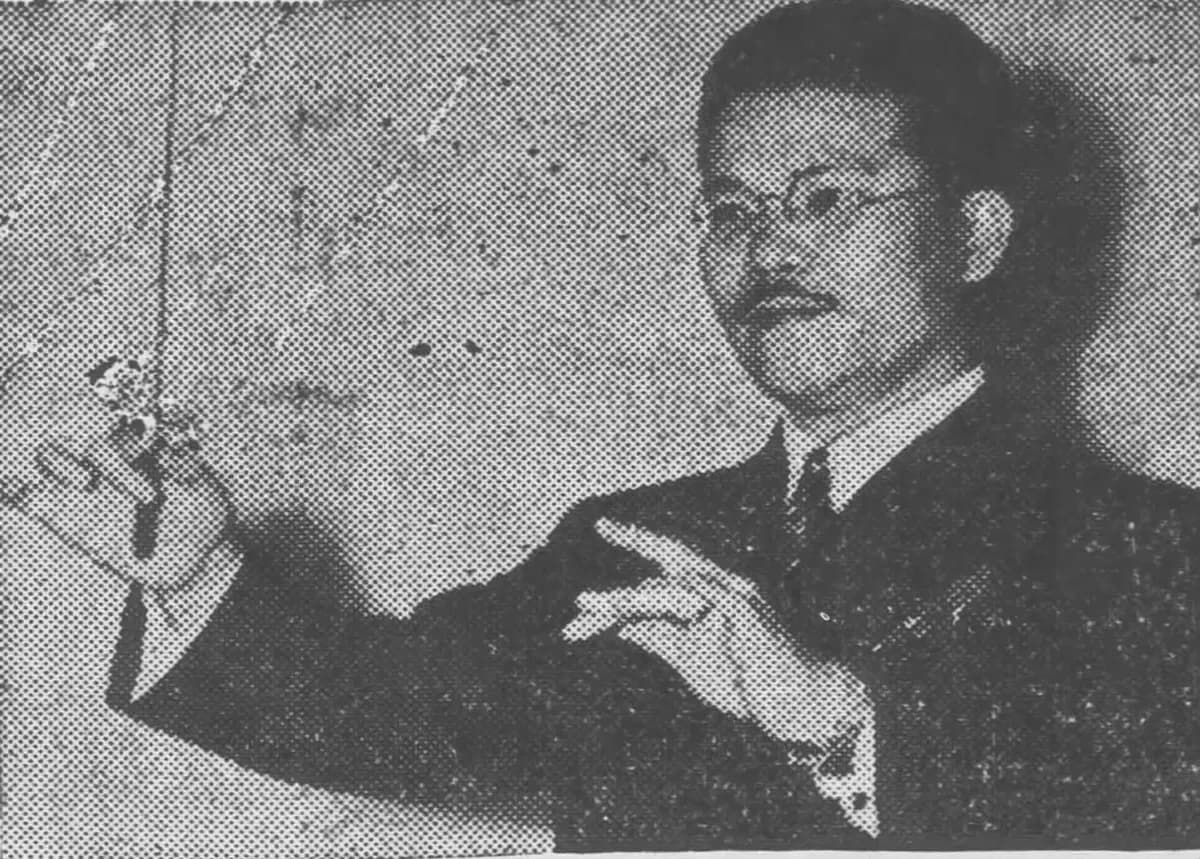
The word is older than the music. In the Meiji period (1868–1912), activists of the Freedom and People's Rights Movement sang political texts in the street to get around government restrictions on public speeches; the songs were called enka, short for enzetsu no uta, "speech songs". The street singers were called enka-shi, and Soeda Azenbō (1872–1944) was among the best known of them. They are now called sōshi enka to distinguish them from the modern genre.
The modern sound took shape in the ryūkōka, the recorded popular songs of the 1920s and 1930s. The composer most often credited with it is Masao Koga, whose melancholy, guitar-led tunes became known as the "Koga melody". His "Sake wa Namida ka Tameiki ka", sung by Ichirō Fujiyama and released in 1931, was one of the big hits of the period. Koga wrote about 5,000 songs before his death in 1978.
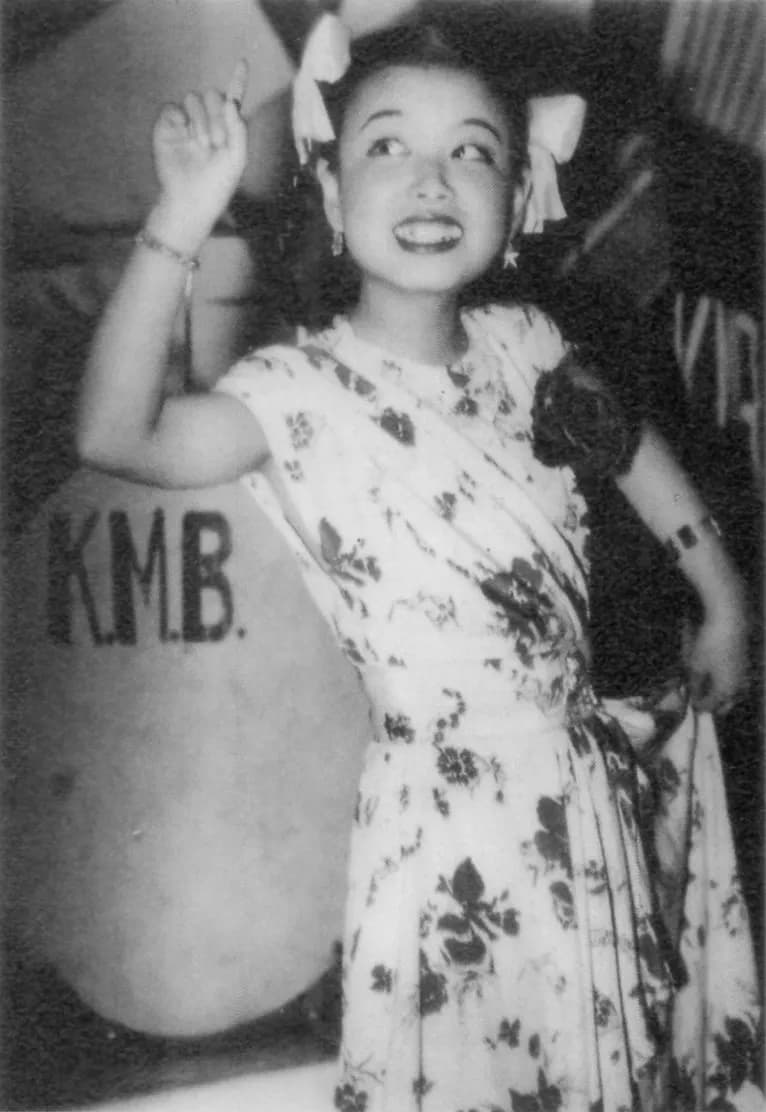
After the Second World War, a new generation of singers built the genre that we now call enka. Misora Hibari, who started recording in 1949 at the age of twelve, became the defining voice of postwar Japanese song. Through the 1950s and 1960s singers such as Michiya Mihashi, Haruo Minami, Hideo Murata, Saburō Kitajima (debut 1962) and Harumi Miyako (debut 1964) filled the charts. As Western-style pop, rockabilly and folk took over youth culture in the 1960s, the older-style ballad was increasingly marked off with its own label: Harumi Miyako later said there was no such term as "enka" when she debuted.
The 1970s and 1980s were the genre's commercial peak. Sayuri Ishikawa, Takashi Hosokawa, Aki Yashiro, Hiroshi Itsuki and Shinichi Mori dominated television, and the rise of karaoke gave enka a second life as the music ordinary people sang after work. Misora Hibari's last single, "Kawa no Nagare no Yō ni", came out in January 1989; she died that June. Since the 1990s enka has been a smaller, older-skewing market, punctuated by surprises: Kiyoshi Hikawa's 2000 debut "Hakone Hachiri no Hanjirō" became a hit and brought a younger audience to the genre, and the American singer Jero debuted in 2008 with "Umiyuki", which entered the Oricon chart at number four.
Key Characteristics & Sound
Enka is identified less by tempo than by scale, voice and arrangement:
- Yonanuki scale: modern enka's mainstream scale is the yonanuki minor, a natural minor scale with the fourth and seventh degrees removed, which leaves five notes. A major yonanuki (major scale without fourth and seventh) is used for brighter songs.
- Kobushi: the pitch of the voice fluctuates irregularly within a single scale degree. Unlike vibrato, the movement has no regular cycle, and it is the technique fans judge a singer by.
- Metre and tempo: mostly slow to moderate, in 4/4 or a swaying triple time; songs are written for clear diction and dramatic phrasing, and are not meant for dancing.
- Form: short verses, a strong refrain, an instrumental introduction that announces the melody, and often three numbered verses telling a single story.
- Imagery: seaports, northern Japan, snow and rain, ferries, sake, tears, lanterns, festivals and the furusato (home town).
- Performance: stylised gestures, kimono or formal dress, and controlled, dramatic delivery.
Where enka sits among its Japanese neighbours:
| Trait | Enka | City Pop | J-Pop |
|---|---|---|---|
| Peak era | 1960s–1980s | Late 1970s–1980s | 1990s onward |
| Scale and harmony | Yonanuki minor, simple chords | Jazz-funk extended chords | Western pop harmony |
| Vocal style | Kobushi ornament, dramatic | Smooth, cool, understated | Clean, idol or band styles |
| Arrangement | Strings, guitar, sax, sometimes shamisen or shakuhachi | Electric piano, slap bass, horns | Synths, guitars, programmed beats |
| Themes | Longing, harbours, home town | City nights, leisure, romance | Youth, love, everyday life |
| Core audience | Older adults | Urban young adults (and later internet fans) | Teenagers and young adults |
Instruments & Arrangement
Enka arrangements are lush but conservative, designed to frame the voice:
- Strings: sweeping orchestral lines for introductions and swells.
- Electric guitar: a lead guitar with heavy vibrato that "cries" the melody back to the singer, one of the most recognisable sounds of the genre.
- Saxophone and brass: late-night colour, especially in songs set in bars and port towns.
- Japanese instruments: the shakuhachi flute, shamisen, koto and taiko appear in some songs, usually to evoke the countryside, the sea or a festival.
- Rhythm section: bass and drums kept simple and steady.
- Karaoke backing: because enka is heavily sung by fans, many singles are released with instrumental versions, and the arrangements are written to be followed by amateur voices.
Styles & Related Forms
- Sōshi enka: the Meiji-era political street songs that gave the genre its name.
- Ryūkōka: prewar recorded popular song, including Koga's melodies; the ancestor of the modern sound.
- Kayōkyoku: the broad category of 20th-century Japanese pop, of which enka is one part.
- Rōkyoku-influenced enka: songs that borrow the declamatory storytelling of rōkyoku (narrative chanting).
- Min'yō-influenced enka: songs drawing on Japanese folk song, often by singers trained in min'yō, with festival imagery and drums.
- Mood kayō: urban ballads coloured by jazz and Latin music, popularised from the late 1950s by singers such as Frank Nagai and later absorbed into enka.
- Modern crossover enka: younger singers mixing enka phrasing with pop or rock arrangements.
Key Artists & Songs
Where to start:
- Misora Hibari (1937–1989): the "queen" of postwar Japanese song; "Yawara" (Japan Record Award grand prix, 1965) and "Kawa no Nagare no Yō ni" (1989). She was the first woman to receive the People's Honour Award, conferred posthumously.
- Masao Koga: the composer whose 1930s melodies defined the emotional language of the genre.
- Saburō Kitajima: "Hakodate no Onna" (1965), one of the archetypal northern-port enka songs.
- Harumi Miyako: "Anko Tsubaki wa Koi no Hana" (1964) and "Kita no Yado kara" (Japan Record Award grand prix, 1976).
- Sayuri Ishikawa: "Tsugaru Kaikyō Fuyugeshiki" (1977), one of the best-known winter songs in Japanese popular music.
- Aki Yashiro: "Funauta" (1979), a definitive harbour-bar ballad.
- Shinichi Mori and Hiroshi Itsuki: the leading male voices of the 1970s and 1980s.
- Fuyumi Sakamoto: a star from the late 1980s onward who has also experimented with rock-tinged enka.
- Kiyoshi Hikawa: "Hakone Hachiri no Hanjirō" (2000), the hit that brought a younger audience back.
- Jero: "Umiyuki" (2008), generally described as the first Black enka singer.
Enka Today
Enka's audience has aged with its stars, and it no longer dominates sales charts the way it did in the 1970s. It still has a fixed place on television. The Kōhaku Uta Gassen, NHK's song contest, first broadcast on radio in 1951 and on New Year's Eve television since 1953, still includes enka singers in its line-up. Dedicated television and radio programmes cover new releases, and karaoke catalogues carry thousands of enka songs.
Younger singers keep appearing, often blending enka vocal technique with pop production, and the songs keep returning as covers: "Kawa no Nagare no Yō ni" has been recorded by many other singers. For listeners raised on J-pop or city pop, enka is the older sibling: the style their parents and grandparents sang at karaoke, and the one Kōhaku still books every December.
How AI Detects Enka
An audio model can pick up enka's surface clearly: a slow ballad tempo, string swells, a weeping lead guitar, and a solo voice with heavy, irregular ornament. Japanese-language vocals and pentatonic minor melody add further cues.
What a model cannot easily do is tell enka apart from the wider ballad family. Its arrangement overlaps with Western easy listening and orchestral pop, its pentatonic melodies with other East Asian popular songs, and the boundary between enka and kayōkyoku is fuzzy even for experts. A short clip without kobushi in it may sound like any adult ballad. Genre AI has no enka label. Asian and Pop, the coarse labels that would describe it best, have no finer breakdown, so they win only when no label with subgenres (Rock, Jazz, Folk / Country, Classical and others) is in the model's top five, which rarely happens. A string-heavy ballad is more likely to come back as Easy Listening under Jazz, or as Soft / Pop Rock under Rock. Try a few seconds in the Genre AI music genre detector, and see how accurate AI genre detection really is.
Genre AI has no label for enka. The two labels that would fit best, Asian and Pop, have no subgenres, and the classifier prefers any coarse label that does have them (Jazz, Rock, Folk / Country, Classical) whenever one is among its top five guesses. So the likely answers are Easy Listening under Jazz for an orchestral ballad with saxophone, Soft / Pop Rock under Rock when guitar and drums lead, and Folk under Folk / Country for min'yō-flavoured songs with shamisen, shakuhachi or festival drums. Read the result as the family of the arrangement. Kobushi and the yonanuki melody, the two features that make a song enka, have no label of their own in the model.