Cantopop, short for Cantonese popular music, is the pop music of Hong Kong, sung in Cantonese and built around the ballad, the TV theme song and the larger-than-life star. It emerged as a distinct genre in the mid-1970s, became one of the most influential pop industries in East and Southeast Asia during its 1980s and early-1990s golden age with stars such as Leslie Cheung, Anita Mui, Alan Tam and the Four Heavenly Kings, and has enjoyed a strong local revival since the late 2010s.
This guide covers how Cantopop grew out of Cantonese opera, film songs and television, why its lyrics must be written to fit the tones of the language, what the music sounds like, the stars and songs to start with, and how it differs from its Mandarin sibling Mandopop. To see how a Hong Kong ballad reads to a classifier, try a clip in our free AI music genre detector.
What Is Cantopop?
Cantopop is a language-and-place genre. A Cantopop song can be a power ballad, a disco track, a guitar-band anthem or a modern electronic pop production; what makes it Cantopop is that it is sung in Cantonese and made in and for Hong Kong and the wider Cantonese-speaking world: Guangdong, Macau, Malaysia and the global diaspora. Together with Mandopop it forms the core of C-pop.
Three features give the genre its identity. First, the star system: for decades Hong Kong singers were also film and TV actors, and the music, the movies and the television dramas sold one another. Second, the theme song: TV drama and film themes were the main route to a hit, and many classics are known first as the song of a series. Third, tone-fitted lyrics. Cantonese is a tonal language with six distinctive tones, so the pitch contour of a melody constrains which words can be sung on it without changing their meaning. In Cantopop, lyrics are usually written to a finished melody, a craft called tin ci ("filling in words"), and lyricists such as James Wong, Albert Leung (Lin Xi) and Wyman Wong are as well known to fans as many singers.
History & Origins
Before Cantopop (1950s–1960s). Hong Kong's early popular music was split between Cantonese opera and its film songs, Mandarin pop inherited from Shanghai's shidaiqu, and Western pop. In the 1960s local bands played British and American beat music in English, and Cantonese songs were widely considered unfashionable or working-class.
The breakthrough (1970s). Television changed that. Theme songs for TVB dramas, many composed by Joseph Koo with lyrics by James Wong, became mass hits in the mid-1970s, and Sam Hui, a former member of an English-language beat band, wrote and sang witty Cantonese songs about everyday Hong Kong life for his brother Michael Hui's comedy films, starting with Games Gamblers Play (1974). Together they proved that Cantonese could carry modern pop. By the end of the decade Roman Tam's "Below the Lion Rock" (1979), the theme of an RTHK drama series, had become an anthem of Hong Kong identity, and Frances Yip's "The Bund" (1980) followed as another Koo and Wong drama theme.
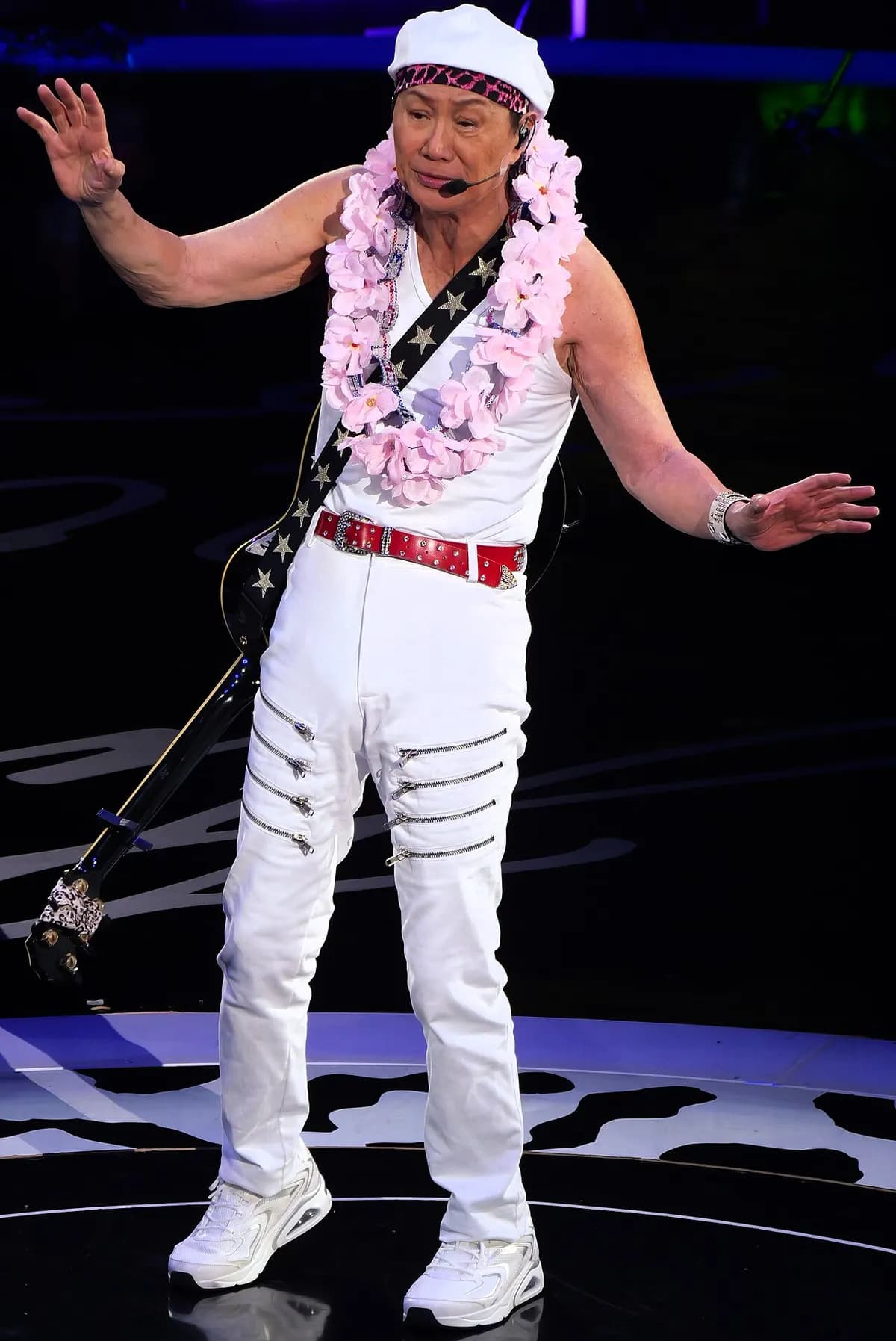
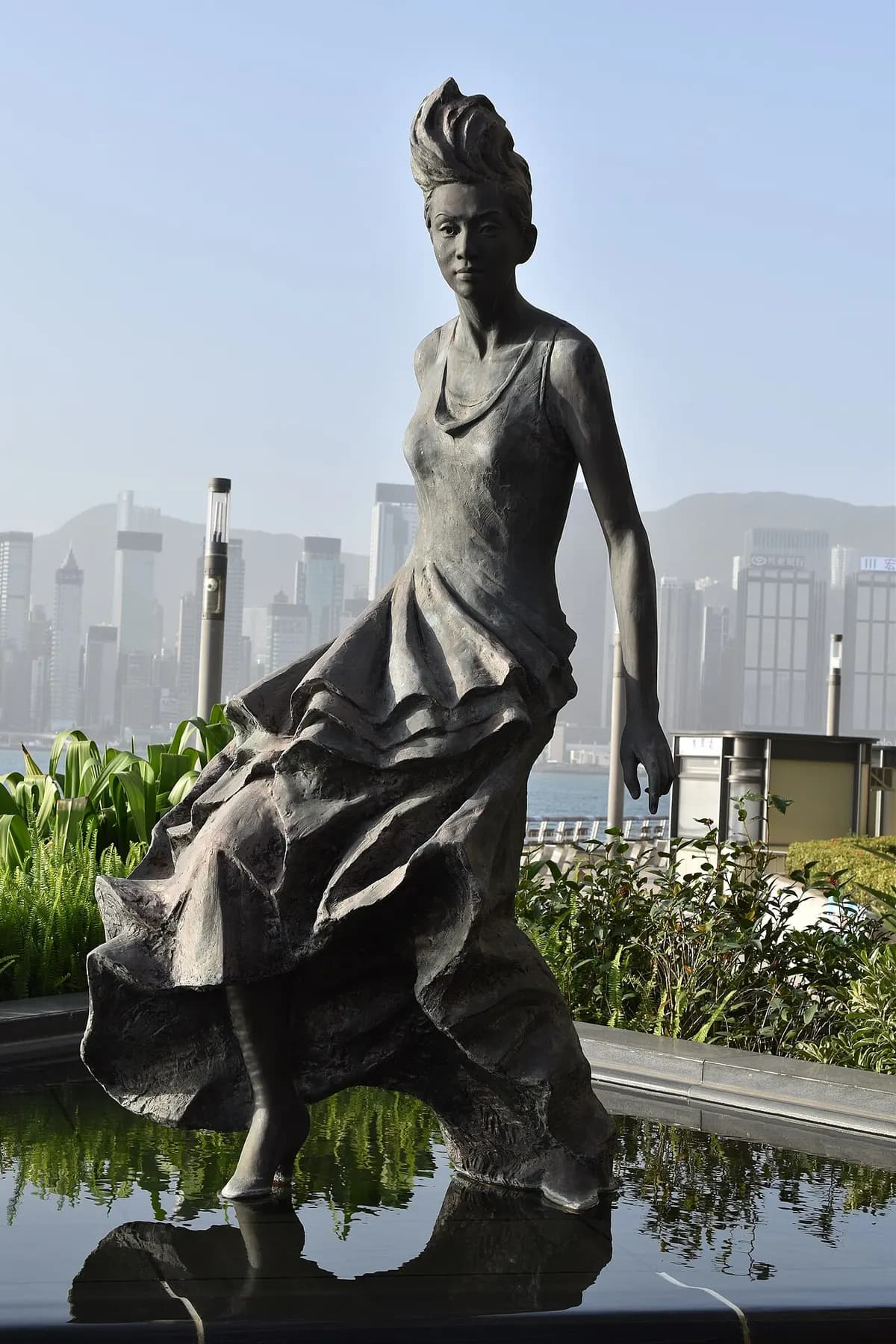
The golden age (1980s–early 1990s). Record companies, TVB's music programme Jade Solid Gold and the annual award shows built a star industry. Alan Tam and Leslie Cheung led a famous rivalry; Cheung's "Monica" (1984), a Cantonese version of a song by the Japanese singer Kōji Kikkawa, became an era-defining dance hit. Anita Mui, the "Madonna of the East", combined bold image changes with a deep, versatile voice. Danny Chan, Sally Yeh, George Lam and Priscilla Chan filled the charts, and the rock band Beyond brought socially conscious songwriting — "Glory Days" (1990) and "Boundless Oceans, Vast Skies" (1993) — before the death of frontman Wong Ka Kui in 1993.
The Four Heavenly Kings (1990s). In the early 1990s the media crowned Jacky Cheung, Andy Lau, Leon Lai and Aaron Kwok as the "Four Heavenly Kings", who dominated sales, films and concerts across the Chinese-speaking world. Jacky Cheung, known as the "God of Songs", was the most admired voice of the four. Faye Wong, who began in Cantopop, later moved largely into Mandarin.
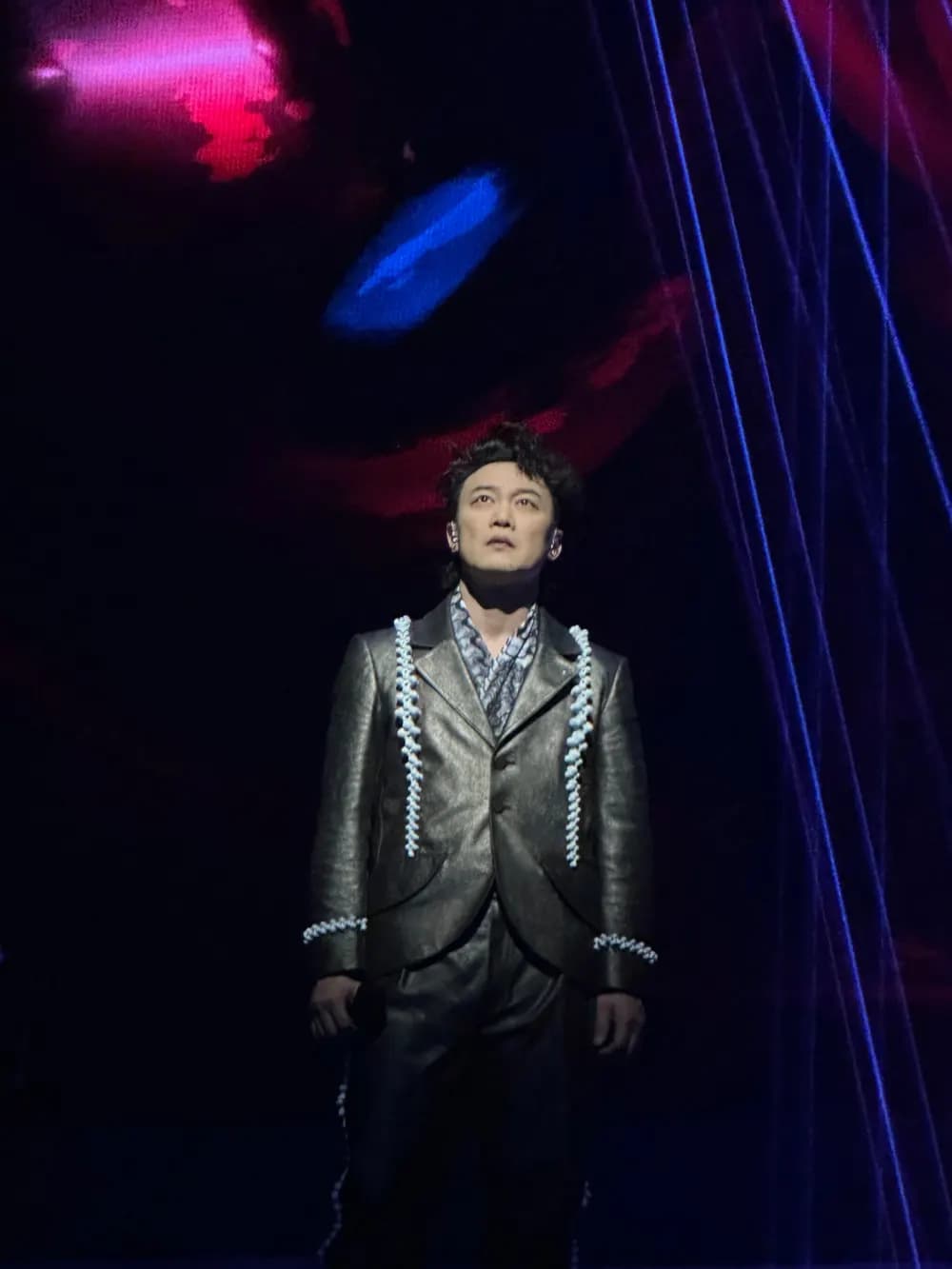
Decline and the 2000s. From the late 1990s, piracy, the Asian financial crisis and the much larger Mandarin market drew investment away from Cantonese. The genre continued with Eason Chan, Joey Yung, the duo Twins, Kay Tse and Hacken Lee, but many stars recorded more in Mandarin for the mainland audience.
The revival (late 2010s–today). A new wave of local pride has given Cantopop its strongest moment in decades. The twelve-member boy group Mirror, formed in 2018 through the ViuTV talent show Good Night Show – King Maker, became a city-wide phenomenon, alongside members' solo careers (Keung To, Anson Lo), the group ERROR and a scene of independent singer-songwriters.
Sound & Production
- Tempo: ballads at about 60–85 BPM are the heart of the catalogue; 1980s dance-pop runs at roughly 115–130 BPM; modern idol pop at 100–128 BPM.
- Harmony: lush diatonic progressions with secondary dominants and a climactic modulation in classic ballads, a habit shared with Japanese pop arranging.
- Melody and lyric: melodies are usually written first, then fitted with Cantonese words whose tones match the rise and fall of the line, which gives Cantopop its distinctive syllable-to-note precision.
- Vocals: polished, emotional, closely miked; male ballad singers favour a warm, rich mid-range, and female stars range from Anita Mui's alto to bright pop sopranos.
- Instrumentation: piano, strings and synth pads for ballads; 1980s drum machines, synth bass and saxophone for dance tracks; electric guitar for band rock. Traditional instruments are less central than in Mandarin Chinese-style pop.
- Covers: in the 1980s and 1990s, a large share of hits were Cantonese versions of Japanese songs, "Monica" and Priscilla Chan's "Thousands of Songs" (1989) among them, so many classics have a Japanese melody underneath.
| Era | Years | Sound | Key names |
|---|---|---|---|
| Breakthrough | 1974–1980 | TV and film themes, orchestral pop | Sam Hui, Roman Tam, Joseph Koo, Frances Yip |
| Golden age | 1980s | Synth-pop, dance tracks, big ballads | Leslie Cheung, Anita Mui, Alan Tam, Danny Chan |
| Band boom | Late 1980s–1993 | Guitar rock with social lyrics | Beyond |
| Four Heavenly Kings | 1990s | Arena ballads and dance-pop | Jacky Cheung, Andy Lau, Leon Lai, Aaron Kwok |
| 21st-century | 2000s–2010s | Refined ballads, R&B, electronic pop | Eason Chan, Joey Yung, Twins, Kay Tse |
| Revival | 2018–today | Idol groups, local indie, modern production | Mirror, Keung To, Anson Lo, ERROR |
Key Artists & Songs
A starting playlist:
| Artist | Song | Year | Why it matters |
|---|---|---|---|
| Sam Hui | Games Gamblers Play (theme) | 1974 | The song often credited with launching modern Cantopop |
| Roman Tam | Below the Lion Rock | 1979 | An anthem of Hong Kong identity |
| Frances Yip | The Bund | 1980 | Classic Joseph Koo and James Wong TV theme |
| Leslie Cheung | Monica | 1984 | Defining 1980s dance-pop hit |
| Priscilla Chan | Thousands of Songs | 1989 | Golden-age farewell ballad |
| Beyond | Glory Days | 1990 | Rock songwriting with a social conscience |
| Beyond | Boundless Oceans, Vast Skies | 1993 | The band's best-known anthem |
Cantopop vs Mandopop, J-Pop and K-Pop
Cantopop vs Mandopop. The two share history (both descend from Shanghai shidaiqu), producers and many stars, and some songs exist with both Cantonese and Mandarin lyrics. The differences are language, centre and craft: Mandopop is sung in Mandarin and centred in Taiwan and mainland China, while Cantopop is sung in Cantonese, centred in Hong Kong and shaped by the tight tone-fitting of Cantonese lyrics.
Cantopop vs J-pop. The connection is close: many 1980s and 1990s Cantopop hits were covers of J-pop songs, and Hong Kong arrangers learned from Japanese studios. Cantopop tends to keep the arrangement simpler and more ballad-centred, and its star culture was tied to Hong Kong cinema and TVB dramas rather than to anime and idol agencies.
Cantopop vs K-pop. The modern Cantopop revival borrowed the idol-group format from K-pop (Mirror is a twelve-member group with choreography and an organised fan culture), but its songs remain more ballad-heavy and its success is rooted in local Hong Kong identity rather than global export.
Cantopop vs city pop. Some 1980s Hong Kong records share the glossy chords and funky bass of Japanese city pop, often because they were covers of Japanese songs. City pop, however, is a specific Japanese style; Cantopop is a broader industry.

How AI Detects Cantopop
To an audio model, Cantopop is mostly polished pop: piano or synths, a clear lead vocal, diatonic chords and a big chorus. The defining feature, Cantonese lyrics fitted to the melody, is linguistic, and genre classifiers do not decode language. So Cantopop is likely to be heard as pop in general. Genre AI's Pop label has no subgenres, and the classifier prefers families that do, so the reported answer will more often come from a neighbour: Soft / Pop Rock for ballads and band songs, Synth Pop for 1980s productions with drum machines and synth bass.
Try a 1980s Leslie Cheung track next to a modern Mirror single in the Genre AI music genre detector, and read whether AI can identify a genre from a short clip.
What to expect from an audio classifier such as Genre AI: the production taxonomy has no Cantopop class, and its Pop and Asian labels have no finer subgenres, so they rarely come up at all. A polished ballad or a Beyond-style band song is likely to be reported under Rock as Soft / Pop Rock; a 1980s dance track with drum machines and synth bass may come back as Synth Pop under Electronic Dance, or as Disco under Funk / Soul; a piano-and-strings ballad may pick up Easy Listening, which sits under Jazz. Asian would need traditional Chinese instruments to be prominent, which is uncommon in Cantopop, and even then it rarely comes up at all. The neighbour it is most likely to be confused with is Mandopop: the two share arrangements, studios and singers, and the only consistent difference, Cantonese versus Mandarin, is in the words, not in the sound a genre model analyses.