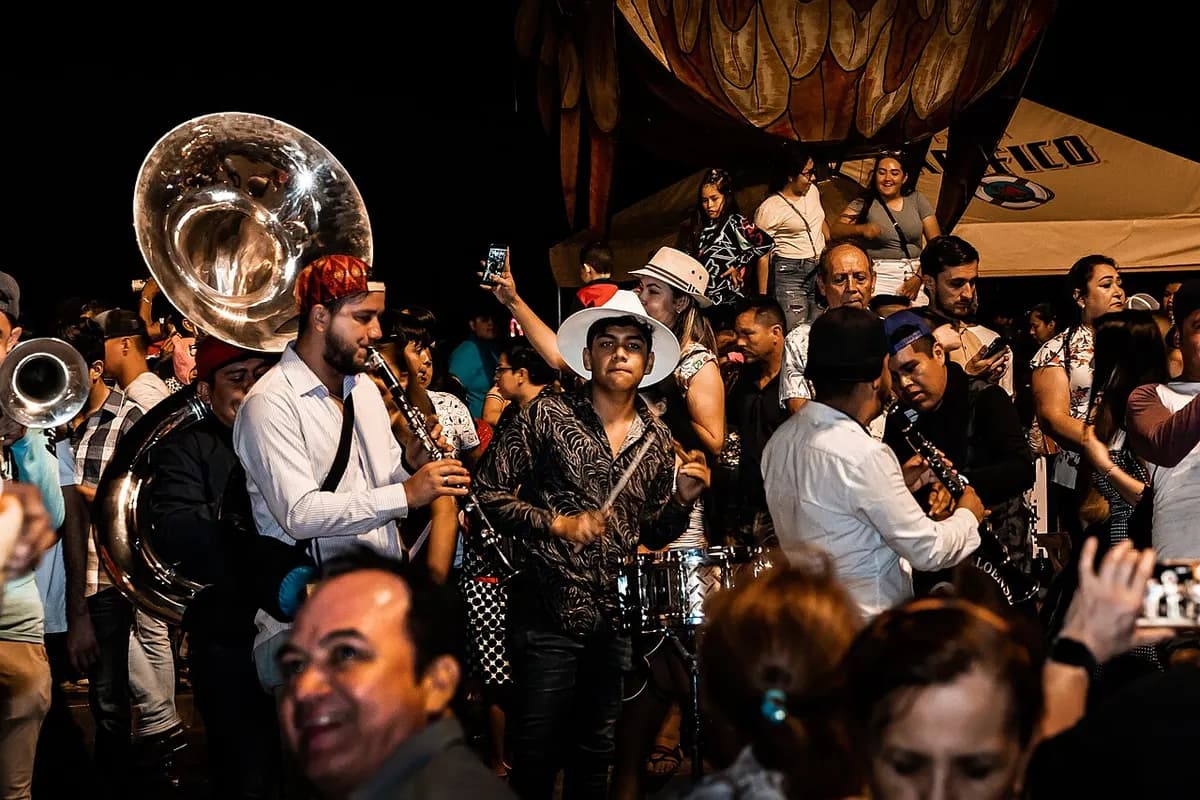
Banda is the brass-band music of Mexico's Pacific northwest, above all the state of Sinaloa: a large wind ensemble of clarinets, trumpets, trombones and alto horns, held down by a tuba playing the bass line and a bass drum with cymbal called the tambora. It is loud and built to be heard outdoors and danced to, and it plays almost everything in the Mexican popular repertoire: sones, rancheras, corridos, cumbias, polkas and ballads.
This guide covers where banda came from, what each section of the band does, the technobanda boom of the 1990s, the singers and bands that took the sound to stadiums, and how banda differs from mariachi and norteño. To see where a brass-heavy recording lands, run a few seconds through our free AI music genre detector.
What Is Banda Music?
In Spanish, banda simply means a band, and especially a wind band. In music-industry use, though, the word means a specific Mexican style: the banda sinaloense, or Sinaloan band, and the commercial genre that grew out of it. A typical banda has between 10 and 20 members, no strings, and a sound defined by massed brass and reeds over a pumping tuba.
Banda is an ensemble with a repertoire, and the same band will play a narrative corrido, a heartbroken ranchera, a romantic ballad and a cumbia in a single night. What unites them is the arrangement. Clarinets and trumpets share the melody, trombones fill in the harmony, the alto horns play sharp upbeats, and the tuba walks the bass. The tambora and snare mostly add accents and often enter only when the singer stops.
That makes banda a sibling of the other two great Mexican regional ensembles. Mariachi is built on violins, trumpets and guitars from Jalisco; norteño is built on accordion and bajo sexto from the northern border. Banda is the brass option, and of the three it is by far the loudest.
History & Origins
Banda grew from the wind bands that Mexican communities formed in imitation of military bands after piston brass instruments arrived in the middle of the 19th century. The first bandas appeared in southern and central Mexico; the Banda de Tlayacapan in Morelos dates from around 1870. The Sinaloan style took shape in the 1880s, around the port of Mazatlán, where bands absorbed the polkas, waltzes, schottisches and mazurkas fashionable at the time, a repertoire usually linked to the German immigrants living in the state. Village bands played for festivals, dances and funerals.
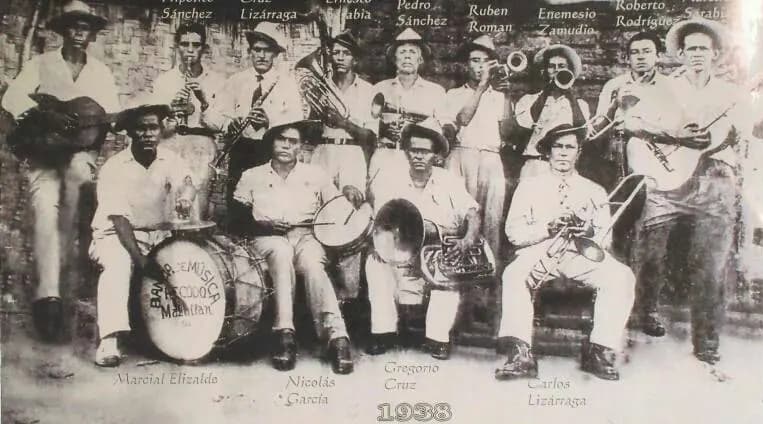
The best-known professional banda is Banda El Recodo, founded in Mazatlán in 1938 by the self-taught clarinetist Cruz Lizárraga, who led it until his death in 1995. It recorded with singers such as José Alfredo Jiménez and Juan Gabriel and is nicknamed "La Madre de Todas las Bandas", the mother of all bandas. For most of the 20th century, though, brass bandas recorded almost only instrumentals, and their mainstream audience stayed inside Sinaloa. In 1989 El Recodo became the first brass banda to record with its own official vocalist, and most others followed.
The commercial explosion came at the end of the 1980s and in the 1990s with technobanda. Accounts of its birthplace differ: Wikipedia's banda article places it in Nayarit, while its two most successful groups, Banda Machos and Banda Maguey, both come from Villa Corona, Jalisco. Technobanda replaced the sousaphone with electric bass and the alto horns with keyboard and electric guitar, swapped clarinets for saxophones and brought in a drum kit, while keeping trumpets and a strong lead vocal. Banda Machos and Banda Maguey made it a dance craze, and in Mexican-American communities of Los Angeles and the US Southwest it fuelled the quebradita dance, a fast partner style with acrobatic dips, in the early 1990s.
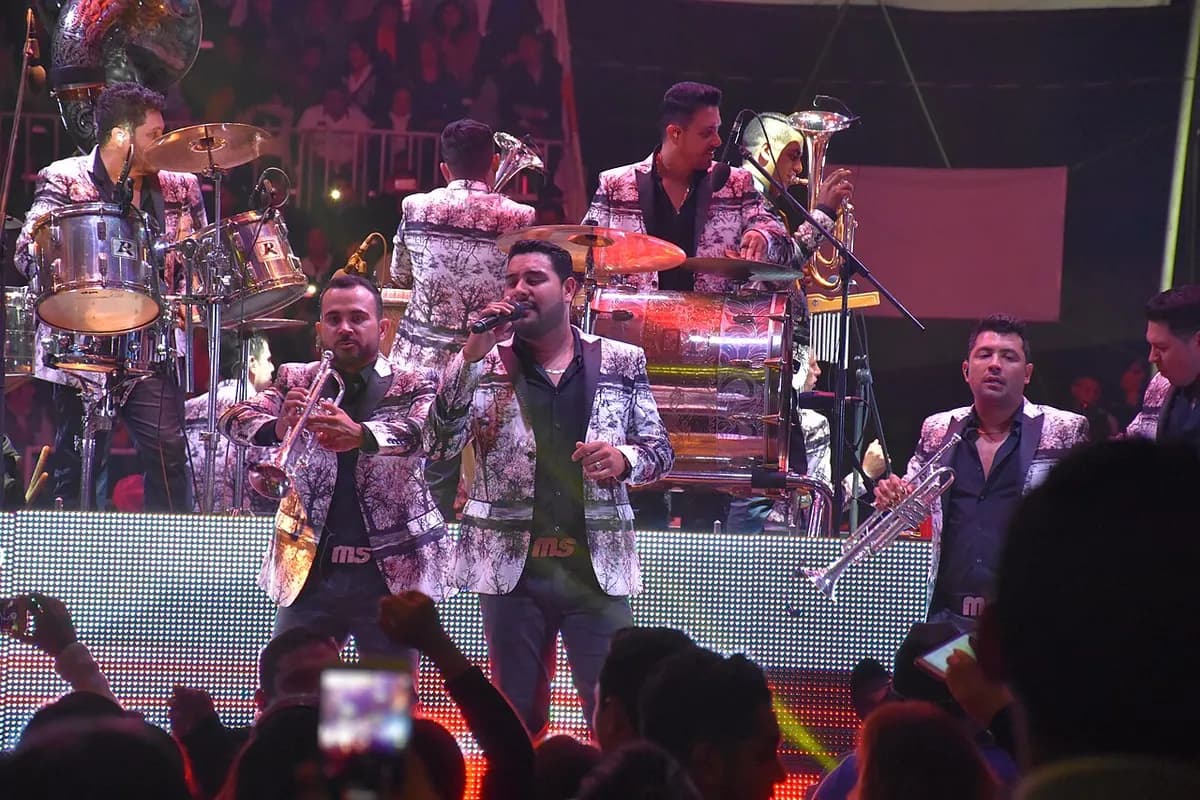
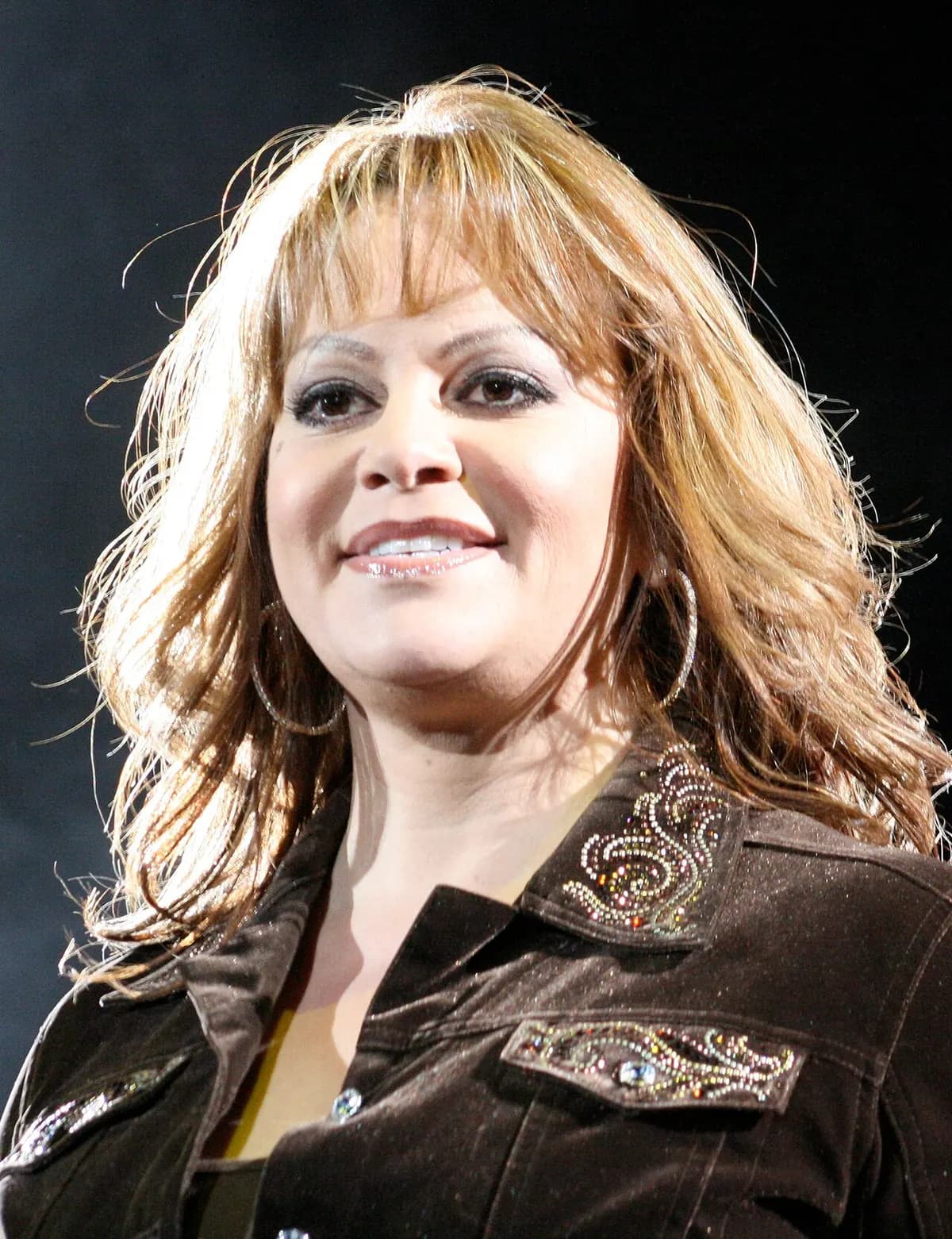
By the 2000s the full acoustic brass banda had become popular across Mexico, and for several years it was the best-selling regional Mexican subgenre. Bands such as La Arrolladora Banda El Limón and Banda MS (founded in Mazatlán in 2003) paired the traditional Sinaloan brass with polished romantic ballads; Banda MS's album Qué Bendición reached number one on Billboard's Latin albums chart. Jenni Rivera, the highest-earning solo banda singer, won the Lo Nuestro award for Regional Mexican Female Artist nine years running before she died in a plane crash in December 2012.
Instruments & Sound
The banda sound comes from the layering of sections, each with a clear job:
| Section | Instruments | Role in the sound |
|---|---|---|
| Reeds | Clarinets (usually several) | Carry melodies and fast ornamental runs; the bright, slightly reedy top of the band |
| Trumpets | Two to four trumpets | Melody, fanfares and punchy accents; often trade phrases with the clarinets |
| Trombones | Valve or slide trombones | Harmony, counter-melodies and the rich middle of the sound |
| Alto horns | Charchetas (alto horns) | Off-beat chords — the "oom-pah" after-beat that propels polkas and sones |
| Bass | Tuba or sousaphone | The bass line, often agile and melodic; the instrument most identified with banda |
| Percussion | Tambora (bass drum with cymbal), tarola (snare) | Drive the rhythm; the tambora gives banda its booming low end |
Rhythm, Tempo & Repertoire
Because banda plays many forms, it has no single tempo. A banda set moves between several rhythmic feels:
- Sones and polkas in 2/4: fast and bouncing, with the alto horns on the off-beat and the tuba on the downbeat.
- Rancheras and waltzes in 3/4: slower and swaying, written for a big lead voice.
- Cumbias: a steady mid-tempo dance groove. For cumbias the alto horn players often switch to timbales, maracas, cowbell, congas, bongos and güiro.
- Romantic ballads: the main mode of modern commercial banda, slow, with brass swells behind the vocal.
- Instrumental standards, built around clarinet and trumpet runs. "El Sinaloense", written by Severiano Briseño in 1944, has been recorded by hundreds of bandas, and many Sinaloans treat it as an unofficial anthem.
The harmony is straightforward and almost always in major keys, but the arrangements are dense: brass hits answer the vocal lines, clarinets fill every gap, and the tuba rarely sits still. The lead voice sits on top of the mix, and between its lines the brass takes over. Many songs also carry the grito, the Mexican yell shouted by musicians or the crowd during instrumental breaks.
Styles of Banda
Banda splits into several recognisable styles:
- Banda sinaloense (traditional): the full acoustic brass band; the root of everything else.
- Technobanda: the smaller, electrified format of the late 1980s and 1990s, with electric bass, keyboards and drum kit.
- Romantic banda: the 2000s–2010s ballad-led sound of La Arrolladora and Banda MS.
- Banda corridos: narrative and narco-themed corridos arranged for brass, including the aggressive "alterado" wave.
- Tambora: bandas were once called simply tamboras, after the bass drum, and the word still points to the old-style festival sound.
- Hybrid norteño-banda: groups that combine accordion and bajo sexto with brass and tuba.
| Ensemble | Home region | Lead instruments | Bass | Sound |
|---|---|---|---|---|
| Banda | Sinaloa, Pacific northwest | Clarinets, trumpets, trombones | Tuba | Loud, brassy, outdoor festival sound |
| Mariachi | Jalisco, western Mexico | Violins, trumpets | Guitarrón | Strings plus brass, strummed vihuela and guitar |
| Norteño | Northern border, Texas | Diatonic accordion, bajo sexto | Upright or electric bass | Compact, polka-driven, twangy |
| Technobanda | Jalisco (Guadalajara) | Trumpets, saxophones, synths | Electric bass | Electrified, dance-oriented |
Key Artists & Recordings
A starting list for banda:
- Banda El Recodo de Cruz Lizárraga: founded in 1938 and led by the Lizárraga family ever since; the reference band of the genre.
- Banda Machos: the technobanda group from Villa Corona, Jalisco, best known for popularising the quebradita.
- Banda Maguey: the other big technobanda act from Villa Corona.
- Jenni Rivera: the "Diva de la Banda", the best-known female voice of the genre.
- La Arrolladora Banda El Limón: one of the leading romantic bandas of the 2000s and 2010s.
- Banda MS: the Mazatlán band (MS stands for Mazatlán, Sinaloa) founded by brothers Sergio and Alberto Lizárraga.
- Julión Álvarez: a singer whose career spans banda and norteño-banda formats.
Start with a Banda El Recodo instrumental to hear the traditional brass, move to a 1990s technobanda hit to hear the electric version, then compare a romantic ballad by Banda MS to hear how far the modern sound has travelled.
Banda vs Mariachi, Norteño & Polka
- Banda vs mariachi: mariachi has violins and the guitar family (vihuela, guitar, guitarrón); banda has no strings at all and replaces them with clarinets, trombones and tuba.
- Banda vs norteño: norteño is a small group led by accordion and bajo sexto; banda is a large wind ensemble. Both play corridos and polkas.
- Banda vs polka: the oom-pah after-beat and tuba bass are shared ancestry from Central European band music, but banda is usually sung and plays far more than polkas, from rancheras to cumbias and ballads.
- Banda vs ranchera: ranchera is a song form; banda is one of the ensembles that sings it.
How AI Detects Banda
Banda is easy to hear: massed brass and reeds with no strings, a tuba carrying the bass line, a booming bass drum and Spanish vocals on top. Those cues are clear even in a few seconds of audio. What is harder for a model is separating banda's polka-rooted after-beat from European brass band music, or a slow romantic banda ballad from orchestral pop. Genre AI has no banda label, so the answer will be a neighbour; the note below explains which ones are likely. Try a clip in the Genre AI music genre detector to see how the reading shifts between a fast son and a ballad.
Genre AI has no banda label. Stylistically banda belongs under the coarse Latin category, but Latin has no finer breakdown in the production taxonomy, and the classifier prefers a coarse label that has subgenres whenever one is in its top five. The alternatives it shows are sibling subgenres of the winning label, so Latin will rarely appear on screen at all. The most likely candidate is Jazz with the subgenre Big Band / Swing: that label's text prompts include "brass band" and even "norteño banda", which matches a wall of trumpets, clarinets and trombones. Fast 2/4 material with oom-pah after-beats may instead land in Folk / Country (Folk). Ranchera-style vocals with brass may pull towards Classical, whose Modern Era subgenre carries the prompts "ranchera" and "grupera". Slow romantic ballads can drift towards Rock (Soft / Pop Rock). Treat any of these as a description of the instruments, and use the tuba bass, the tambora and the Spanish vocal to call it banda.