
Hyperpop is pop pushed past the point of parody. It takes the catchiest parts of mainstream music and exaggerates them: chipmunk-pitched vocals, distorted "brick-wall" synths, cartoonishly big hooks, and a glitchy pace that usually lands around 130–160 BPM. Half of it is an internet aesthetic, where a song can be sincere and a joke at the same time.
This guide covers what hyperpop actually is, how it grew out of the PC Music label and the 2010s underground, how to recognise its production by ear, the artists who defined it, and where it meets pop, K-pop, and electronic music. The blog has a separate, shorter explainer: What Is Hyperpop?. To test a chaotic track, drop a clip into our free AI music genre detector.
What Is Hyperpop?
Hyperpop is an umbrella term for pop music that exaggerates its own conventions to an extreme. Where mainstream pop aims for polish, hyperpop aims for overload. Vocals are pitched up until they sound synthetic and childlike, synths are distorted and clipped, the low end is often harsh on purpose, and hooks come in short bursts. Pop, EDM, bubblegum bass, emo and even noise all feed into it.
Attitude matters as much as sound. The songs mix real feeling with irony and in-jokes, and the scene grew up on SoundCloud and Bandcamp before TikTok picked it up. Many of its best-known artists are queer or trans, and the music is closely tied to LGBTQ+ online communities. Because it is made on laptops, a bedroom producer can turn out a track as loud and dense as a major-label record.
History & Origins
Hyperpop's roots trace to the early 2010s and the London label PC Music, which A. G. Cook founded in 2013. Cook, Hannah Diamond and GFOTY made a glossy, artificial kind of pop, later nicknamed "bubblegum bass", that used mainstream clichés as raw material to warp. The Scottish producer SOPHIE took it somewhere harsher and more physical, first with "Bipp" (2013) and later with the 2018 album Oil of Every Pearl's Un-Insides, which was nominated for a Grammy for Best Dance/Electronic Album.
The word "hyperpop" caught on in 2019–2020. Spotify launched a playlist under that name in August 2019, the same year 100 gecs released 1000 gecs, an album that throws ska, dubstep and emo into pop songs. During the pandemic TikTok spread the sound further. Charli XCX, who had worked with PC Music producers since the mid-2010s, carried it into the charts, and Dorian Electra, osno1 and underscores built audiences of their own. SOPHIE died in Athens in January 2021 after an accidental fall, at 34, and tributes came from across pop and electronic music.
Key Characteristics & Sound
You can usually identify hyperpop by these traits:
- Tempo: fast and often unstable, typically 130–160 BPM, with sudden switches.
- Vocals: pitched up and run through Auto-Tune until they sound synthetic.
- Synths: distorted, clipped and "brick-walled", loud on purpose.
- Hooks: pop melodies made sweeter and more hyperactive than any radio song.
- Structure: abrupt drops, glitches and genre switches inside one song.
- Attitude: maximalist and ironic, with loudness used as an instrument.
If a track sounds like overclocked pop, with squeaky vocals and blown-out synths, it is probably hyperpop. Loudness and pitch are the biggest tells, and the feel shifts by sub-style:
| Style | Typical BPM | Feel |
|---|---|---|
| Bubblegum bass / PC Music | 130–150 | Glossy, artificial, sugary |
| Glitchcore / dariacore | 150–170 | Chaotic, sample-chopped, hyperactive |
| Emo / rock-tinged hyperpop | 140–160 | Distorted guitars, angsty |
| Digicore | 130–160 | SoundCloud rap meets pitched pop |
| Ambient / experimental cuts | 90–120 | Warped, melodic, atmospheric |
Instruments & Production
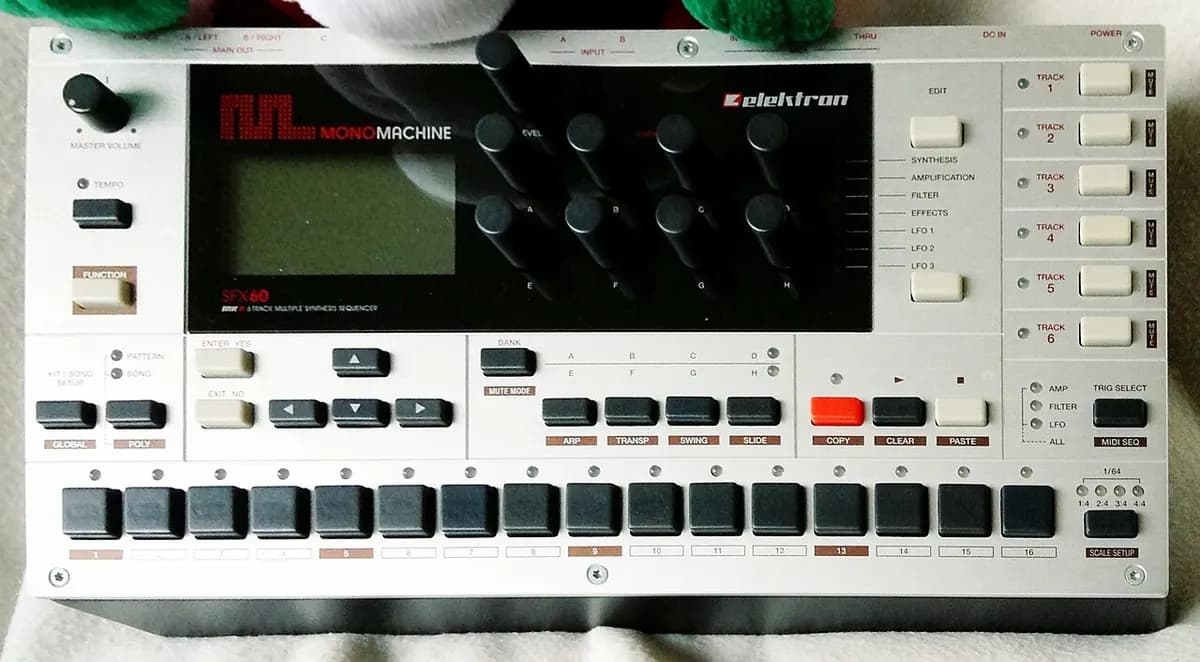
Hyperpop is made almost entirely in software, usually in a DAW on a laptop. The tools are mostly about excess:
- Vocal processing: pitch-shifters, formant shifting and heavy Auto-Tune give the synthetic voice.
- Distortion and clipping: overdrive and limiting push synths and drums until they crunch.
- Soft synths: supersaws, FM patches and bright leads borrowed from EDM and electronic music.
- 808s and trap drums: booming sub-bass and hi-hat rolls from hip-hop.
- Sample chopping: stutters and reversed sounds, especially in glitchcore.
What an engineer would fix in a normal mix (clipping, harsh peaks, voices pitched too high) is the point here. A laptop and a free DAW are enough to start, so much of the scene is bedroom producers trading tracks online.
Subgenres of Hyperpop
The umbrella covers several overlapping micro-styles:
- Bubblegum bass, the original PC Music sound: glossy, artificial, very sweet pop.
- Glitchcore: very fast, sample-chopped tracks full of glitch effects.
- Dariacore: sped-up mashups of pop songs and internet samples.
- Digicore: close to SoundCloud rap, with pitched vocals over trap beats.
- Emo and rock hyperpop: distorted guitars and pop-punk melodies on top of pitched pop, as on 100 gecs records.
- Experimental and deconstructed club: the abrasive edge SOPHIE pioneered.
These styles bleed into one another and into K-pop's more experimental production. Where "hyperpop" ends and "very online pop" begins is anyone's guess.
Notable Artists & Tracks
Artists and recordings to know:
- SOPHIE: "Bipp" and "Immaterial", the harshest and most futuristic end of the sound.
- A. G. Cook: founded PC Music, made "Beautiful", produced for Charli XCX.
- 100 gecs: "money machine" and "hand crushed by a mallet" made the duo the breakout act.
- Charli XCX: "Vroom Vroom" (produced by SOPHIE), "1999" and the lockdown album how i'm feeling now.
- Dorian Electra: "Career Boy" and "Flamboyant", theatrical and gender-bending.
- Hannah Diamond: "Pink and Blue", one of the first PC Music releases people noticed.
- underscores, glaive and osquinn: a younger wave that came up on SoundCloud and TikTok.
For a quick tour, play "Bipp" and then "money machine": one is a club experiment, the other went viral.

Hyperpop vs Pop
Hyperpop is built from pop's parts but breaks most of its rules:
| Trait | Hyperpop | Mainstream Pop |
|---|---|---|
| Production goal | Overload, distortion | Clean, radio-ready polish |
| Vocals | Pitched-up, synthetic | Natural, lightly tuned |
| Tempo | 130–160 BPM, unstable | 90–130 BPM, steady |
| Aesthetic | Ironic, maximalist, online | Aspirational, mainstream |
| Origin | SoundCloud / PC Music underground | Major-label industry |

How AI Detects Hyperpop
Hyperpop is hard for a model because a single track can sound like several genres at once. The detector listens for extreme vocal pitch, clipped synths, brick-walled loudness and unstable tempos. Since the pop hooks sit on EDM synths and trap drums, a hyperpop track often lights up pop and electronic signals together, and the pitch and intensity push the reading past ordinary pop.
Test it yourself: open the Genre AI music genre detector, feed it a chaotic clip and compare the pop and electronic scores. The method is explained in how AI music genre detection works, and the style itself in the blog post What Is Hyperpop?.
In Genre AI, hyperpop registers through intensity more than tempo. A clip at 130–160 BPM with formant-shifted vocals and clipped synths reads well past clean Pop, and Electronic usually rises with it. Slow the same track down and remove the distortion, and the model falls back to ordinary pop. Glitchy sample-chops pull it the other way.