
Bossa nova is a soft Brazilian style that combines the syncopated pulse of samba with the harmony of cool jazz. It emerged in the beachside neighbourhoods of Rio de Janeiro in the late 1950s and is recognised by a quiet, understated vocal, a gently rocking nylon-string guitar pattern, and extended jazz chords. The songs sound easy and relaxed, even though the harmony underneath is often complicated.
This guide covers what bossa nova actually is, where it came from, how to recognise it by ear, the instruments and the famous guitar "batida" that drive it, its main offshoots, and the artists worth knowing. Not sure whether the track you're hearing is bossa nova, samba or a jazz standard? Play a clip into our free AI music genre detector and it will read the groove, the guitar figure and the harmony to place it.
What Is Bossa Nova Music?
Bossa nova (Portuguese, loosely "new trend" or "new wave") is a genre of Brazilian popular music that took the rhythm of samba into a quieter, more introspective form with denser harmony. Samba is loud, percussive and played by big groups; bossa nova is soft and small-scale: a single nylon-string guitar, a hushed voice, and chords borrowed from cool jazz and impressionist classical music.
The defining feature is João Gilberto's "batida," a syncopated right-hand guitar pattern that suggests a whole samba percussion section on one instrument: the thumb plays a bassline while the fingers place off-beat chords. Sung with restraint, often in a conversational, almost spoken tone, bossa nova sits at roughly 120–140 BPM yet feels relaxed. Unhurried singing over jazz harmony is what separates it from mainstream Latin pop and from straight-ahead jazz.
History & Origins
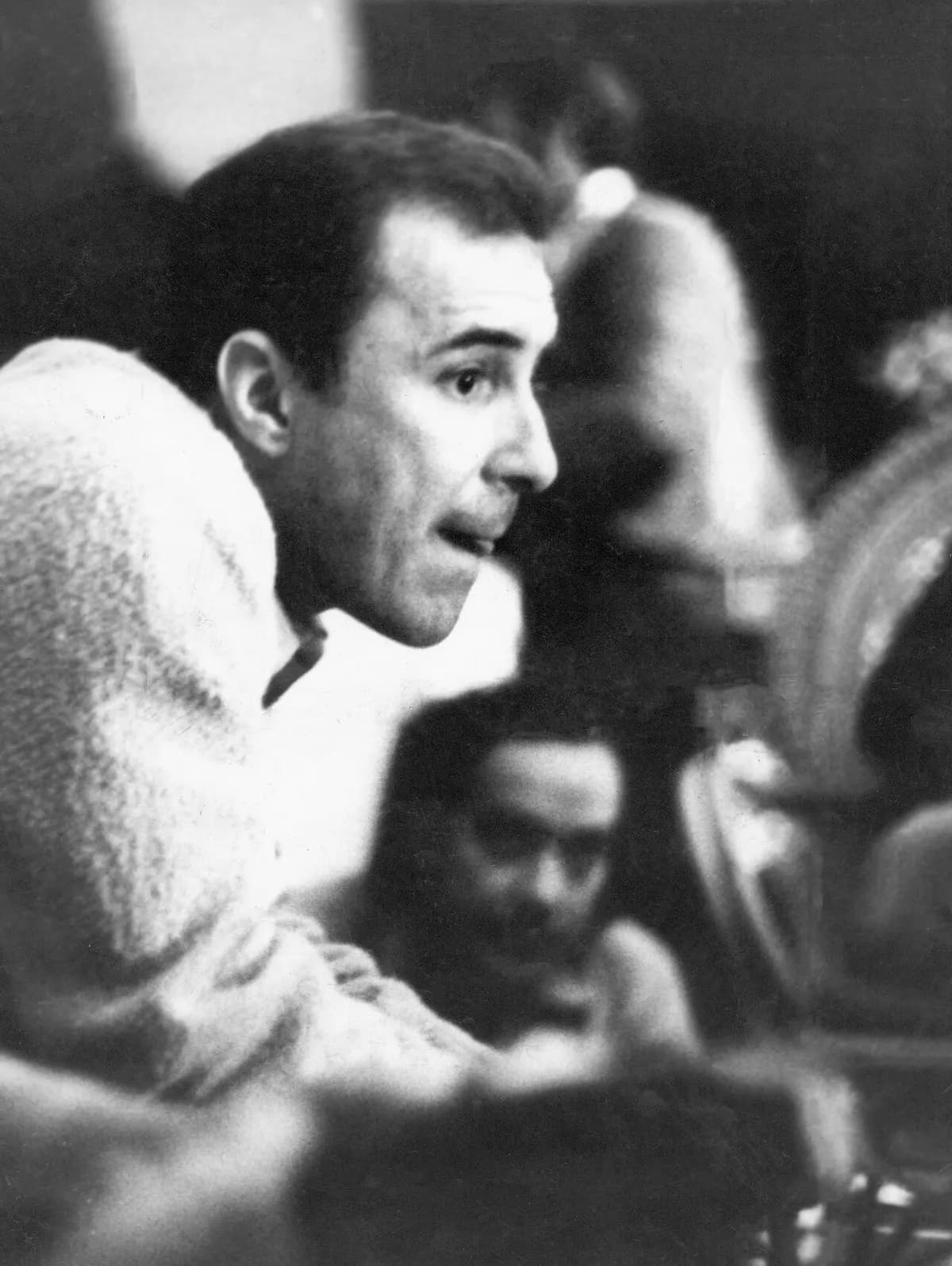
Bossa nova was born in the Copacabana and Ipanema districts of Rio de Janeiro in the late 1950s, among a circle of middle-class musicians steeped in both Brazilian samba and American cool jazz. Its starting point is usually given as "Chega de Saudade," a song by pianist-composer Antônio Carlos Jobim (Tom Jobim) and poet Vinícius de Moraes. Elizeth Cardoso recorded it first, on her 1958 album Canção do Amor Demais, with Gilberto playing guitar on the track; Gilberto's own version, recorded on 10 July 1958 and issued as a single by Odeon, became the hit, and his debut LP of the same name followed in 1959. His soft voice and guitar batida became the model other bossa musicians followed.
The style spread abroad in the early 1960s. The 1959 film Black Orpheus, which won the Palme d'Or at Cannes, carried Luiz Bonfá's "Manhã de Carnaval" to international audiences, and in 1962 a Carnegie Hall concert brought bossa nova musicians to New York. The biggest step was Getz/Gilberto, recorded in New York in March 1963 and released by Verve in 1964: a collaboration between American saxophonist Stan Getz and João Gilberto, with Jobim on piano and Astrud Gilberto singing "The Girl from Ipanema" ("Garota de Ipanema"). In 1965 it became the first jazz album to win the Grammy for Album of the Year. Back in Brazil the movement soon fed into MPB (Música Popular Brasileira), while singers and jazz players abroad kept recording its classic songs.
Key Characteristics & Sound
You can usually identify bossa nova by these traits:
- Tempo: typically 120–140 BPM, but delivered so gently it feels far slower and unhurried.
- Rhythm: a soft, syncopated 2/4 groove derived from samba, carried by the guitar's batida instead of a loud drum kit.
- Guitar: nylon-string classical guitar (violão) playing the thumb-bass-plus-offbeat-chords pattern that is bossa's signature.
- Harmony: jazz voicings (major and minor 7ths, 9ths, 11ths and altered chords) with frequent chromatic movement and modulation.
- Vocals: quiet, intimate, close-mic'd and understated, often nearly spoken; melodies sit low and conversational.
- Mood: cool and wistful; "saudade," a bittersweet longing, is the feeling many of the lyrics describe.
Bossa nova sits between two traditions, and the quickest way to grasp it is to compare it with samba, its parent, and cool jazz, where much of its harmony comes from:
| Trait | Bossa Nova | Samba | Cool Jazz |
|---|---|---|---|
| Origin | Rio de Janeiro, late 1950s | Rio de Janeiro, 1910s–20s | USA, late 1940s–50s |
| Tempo | 120–140 BPM (feels soft) | 100–130 BPM (energetic) | Variable, relaxed |
| Dynamics | Quiet, intimate | Loud, communal | Understated |
| Rhythm engine | Guitar batida | Full percussion section | Brushed drums, walking bass |
| Vocals | Whispered, conversational | Powerful, celebratory | Often instrumental |
Instruments & Production
Bossa nova is played by small groups, often just a singer and guitar, and its instrumentation is light:
- Nylon-string guitar (violão): the heart of the genre, playing the batida that supplies rhythm, bass and harmony at once.
- Piano: Jobim's instrument, used for soft block-chord voicings and countermelodies.
- Voice: soft and close to the microphone, treated almost like another instrument.
- Drums & percussion: light brushed drums, plus shaker, tamborim and a subtle rim-click keeping the samba pulse.
- Upright bass: a gentle, rounded low end outlining the changes.
- Saxophone & flute: the cool-jazz voices (Stan Getz's tenor above all) that colour the classic recordings.
The classic recordings are warm and close: dry, up-front vocals and guitar over soft drums and bass, without the big reverb and brass of mainstream 1960s pop. Later "nu bossa" and lounge productions add electric keys, strings and light electronics, but keep the guitar batida and jazz harmony.
Related Styles & Offshoots
Bossa nova is a fairly narrow genre, but several related styles grew up around it:
- Samba-jazz: a more up-tempo, instrumental, improvisation-heavy cousin from the same Rio scene.
- MPB (Música Popular Brasileira): the broad Brazilian pop movement that grew directly out of bossa in the mid-1960s.
- Samba-canção: the slower, romantic ballad style that preceded and fed into bossa.
- Bossa-influenced lounge/exotica: the easy-listening adaptations that spread bossa worldwide.
- Nu bossa / electro-bossa: modern productions blending the batida with downtempo electronics and soul.
- Jazz-bossa standards: Jobim tunes ("Wave," "Corcovado," "Desafinado") absorbed into the global jazz repertoire.
Because it grew from samba and married into jazz, bossa nova links naturally to the wider Latin world on one side and to jazz and soul on the other.
Notable Artists & Tracks
Foundational and influential bossa nova artists include:
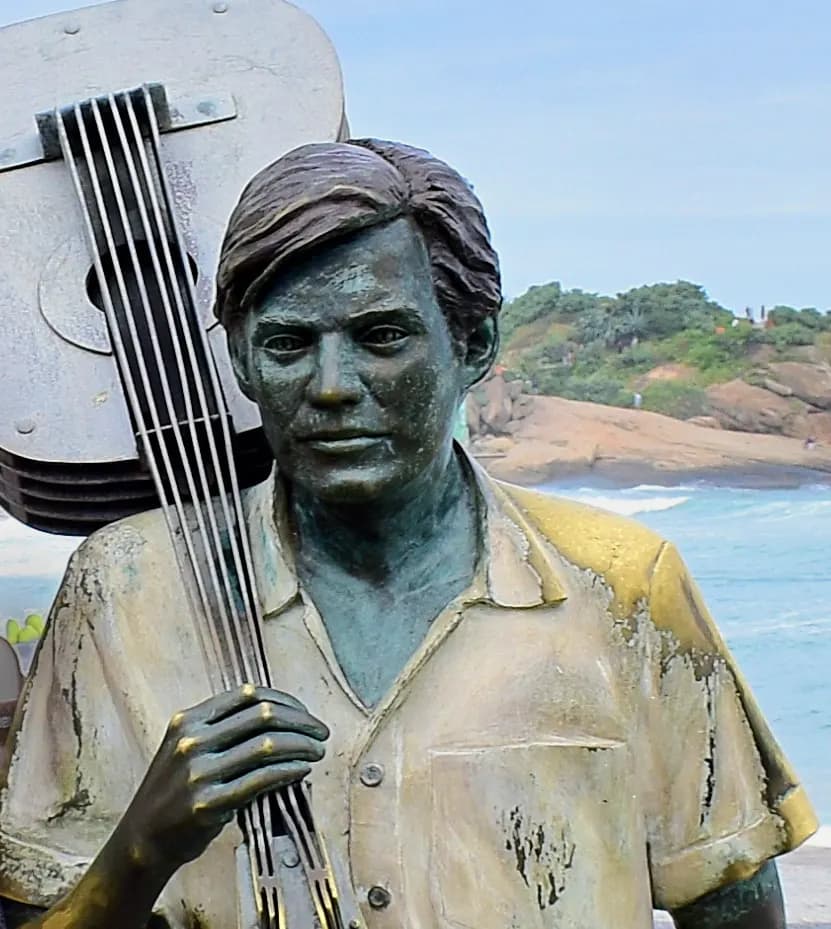
- João Gilberto: the singer-guitarist whose batida defined the style; "Chega de Saudade," "Desafinado."
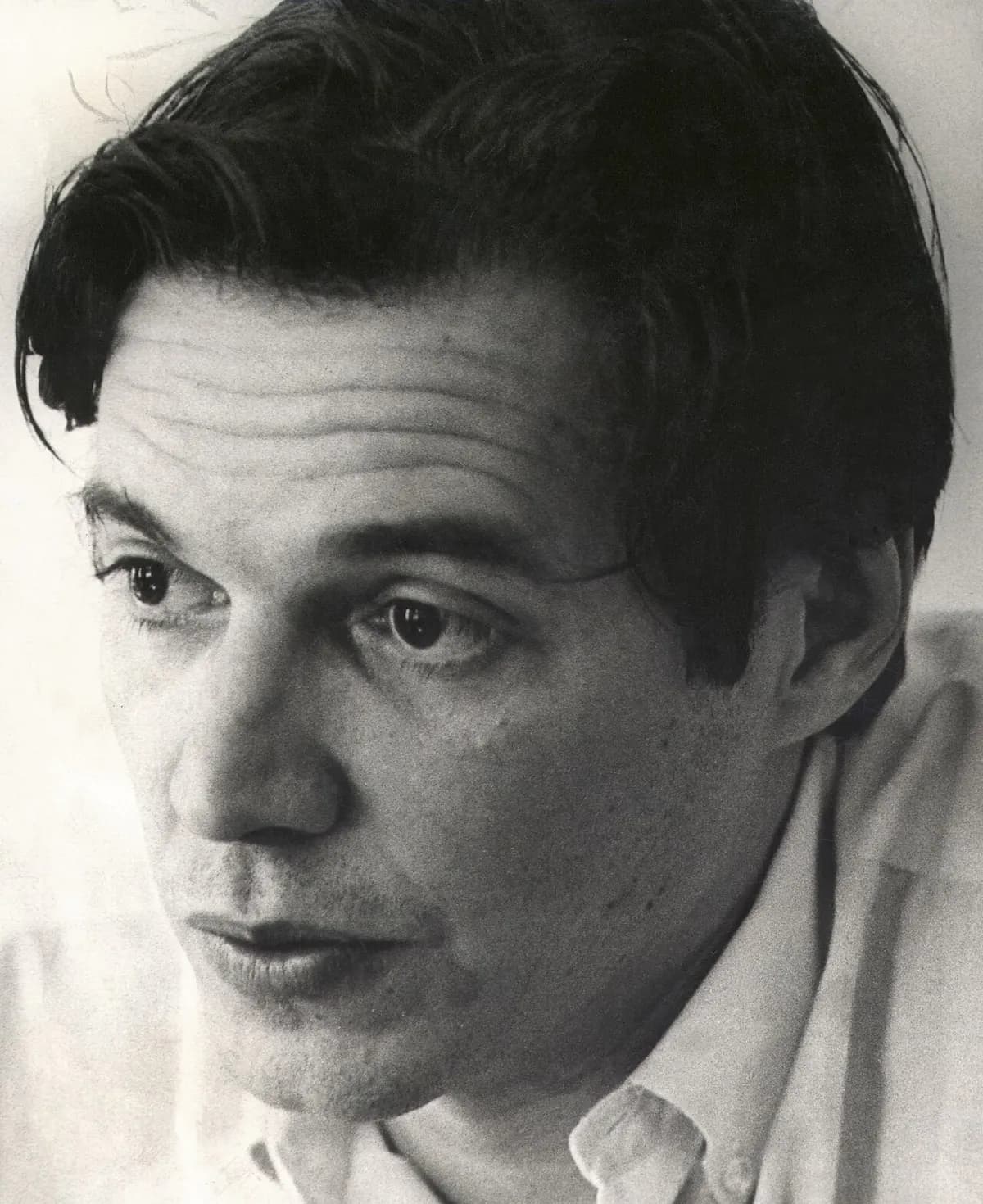
- Antônio Carlos Jobim (Tom Jobim): the genre's main composer; "The Girl from Ipanema," "Wave," "Corcovado."
- Vinícius de Moraes: the poet and lyricist behind many of the classics.
- Stan Getz: the American saxophonist behind "Jazz Samba" (1962, with Charlie Byrd) and "Getz/Gilberto" (1964).
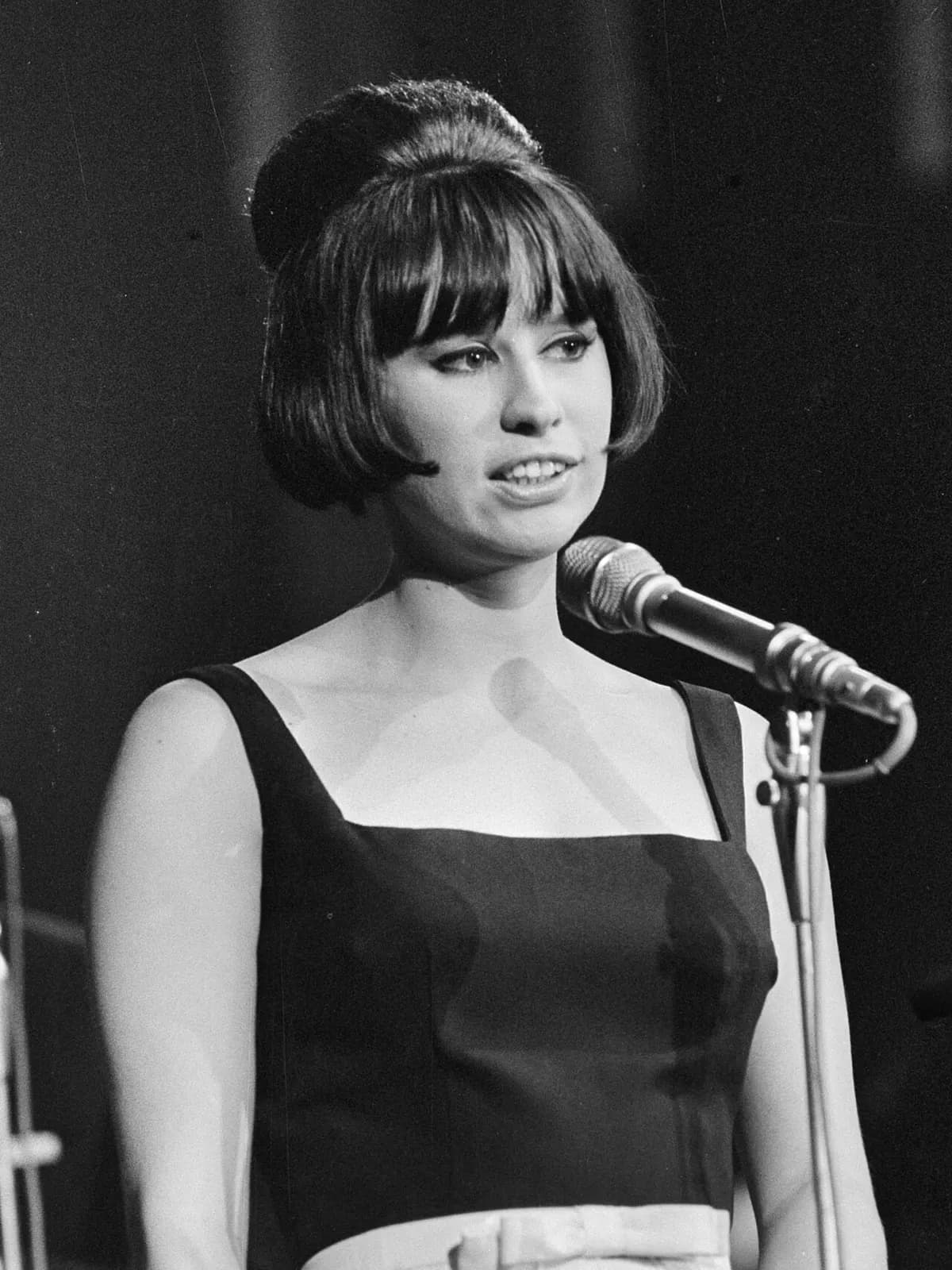
- Astrud Gilberto: not a professional singer before the session, she sang the English verses of "The Girl from Ipanema," which became a worldwide hit.
- Luiz Bonfá: guitarist-composer of "Manhã de Carnaval" from Black Orpheus.
- Sérgio Mendes: took bossa into American pop with Brasil '66 and their 1966 version of Jorge Ben's "Mas que Nada."
- Nara Leão & Baden Powell: the singer nicknamed the "muse of bossa nova," and a guitarist who wrote the Afro-sambas with Vinícius de Moraes.
Start with "Chega de Saudade," "Corcovado" and "The Girl from Ipanema" to hear the style move from Rio to New York.
Bossa Nova Around the World & Today
After Getz/Gilberto, bossa nova songs were recorded by singers well outside Brazil, including Frank Sinatra, who made a whole album with Jobim in 1967. The songs were re-recorded and sampled across jazz, pop and easy listening for decades, and the sound became a staple of lounge music, café playlists and downtempo.
In the 21st century, Bebel Gilberto (daughter of João Gilberto and the singer Miúcha) mixed the batida with electronica on Tanto Tempo (2000), while producers keep folding bossa's guitar figure and jazz chords into soul, hip-hop and lo-fi beats. More than sixty years after "Chega de Saudade," the batida is still easy to pick out.
How AI Detects Bossa Nova
An AI model homes in on bossa nova through a tight cluster of cues: the syncopated nylon-string guitar batida (thumb bass plus off-beat chords), a soft brushed-samba pulse around 120–140 BPM that never gets loud, whispered close-mic'd vocals, and jazzy extended harmony full of 7ths and 9ths. Because bossa overlaps heavily with samba, cool jazz and Latin pop, the model weighs those features together and returns a ranked set of possibilities instead of a single label.
See for yourself: open the Genre AI music genre detector, give it a few seconds of audio, and it will tell a classic bossa from a straight samba or a jazz standard. To understand the reasoning behind that call, read our breakdown of how AI music genre detection works.
In practice, feeding audio to Genre AI, the clearest Bossa Nova readings come from a syncopated nylon-string guitar batida under a soft, close, almost-spoken vocal, with brushed percussion holding a gentle samba pulse around 120–140 BPM and lush 7th/9th chords underneath. Push the tempo and add a full percussion section and the model leans toward samba and the wider Latin field; foreground the horns and improvisation and it edges toward Jazz. Those near-neighbour scores ride right alongside the top result.