
Alternative, short for "alternative rock", is an umbrella term for guitar bands that grew up outside the mainstream. It came from the 1980s American college-radio underground, broke worldwide after Nirvana released "Smells Like Teen Spirit" in September 1991, and has since covered everything from R.E.M.'s jangly pop to the guitar noise of shoegaze. The bands share an attitude toward the chart-rock formula more than any one tempo or chord.
That breadth makes alternative tricky to define and to detect. This guide explains where the term came from, how to recognise its hallmarks (the quiet-loud dynamic, distorted-but-melodic guitars), how it relates to indie rock and plain "rock," its major subgenres, and the bands worth knowing. Curious where a track lands? The free AI music genre detector listens for the dynamic swings and distorted-but-melodic guitars and tells you how alternative a clip sounds.
What Is Alternative Music?
Alternative is a broad category of rock music defined by what it is not: it was the "alternative" to the polished arena rock and chart pop that dominated radio in the 1980s. No single tempo, instrument list, or song shape makes a track alternative. The label gathers a family of guitar-driven styles with a DIY streak, slightly odd songwriting, and roots in punk and post-punk.
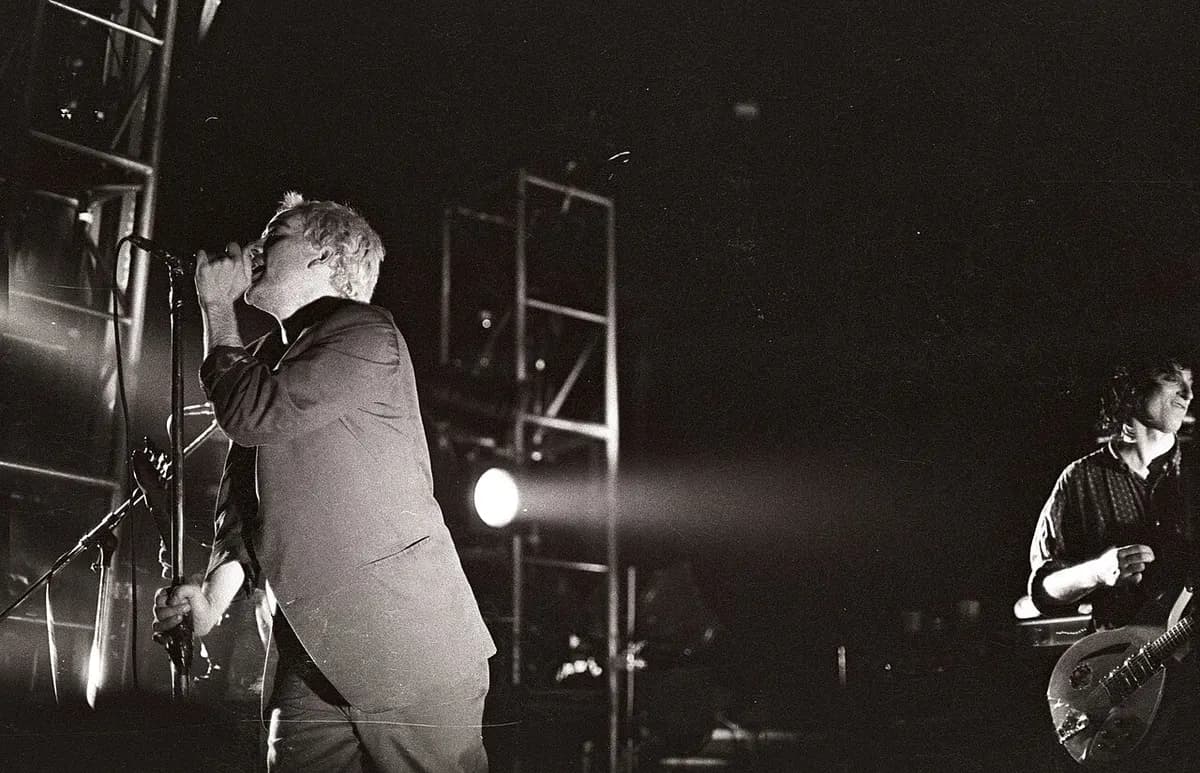
Because it is an umbrella term, "alternative" can cover very different sounds at once: the chiming jangle of R.E.M., the abrasive noise-pop of the Pixies, the layered art rock of Radiohead, and the funk rock of Red Hot Chili Peppers have all been filed under it. What they have in common is a pop instinct filtered through punk's "anyone can do this" ethos, often with introspective or oblique lyrics. It makes more sense as a scene of bands, labels, and radio stations than as a fixed musical recipe.
History & Origins
Alternative grew out of the American college-rock underground of the early-to-mid 1980s. As punk and post-punk fragmented, a network of independent labels (SST, Dischord, Sub Pop, Twin/Tone) and non-commercial college radio stations gave bands a way to reach listeners without major-label backing. R.E.M., from Athens, Georgia, became the best-known band of the scene: the single "Radio Free Europe" (1981, re-recorded in 1983) and the album Murmur (1983) made them college-radio stars, and they built a national following on jangly, literate guitar rock before signing to a major label in 1988.
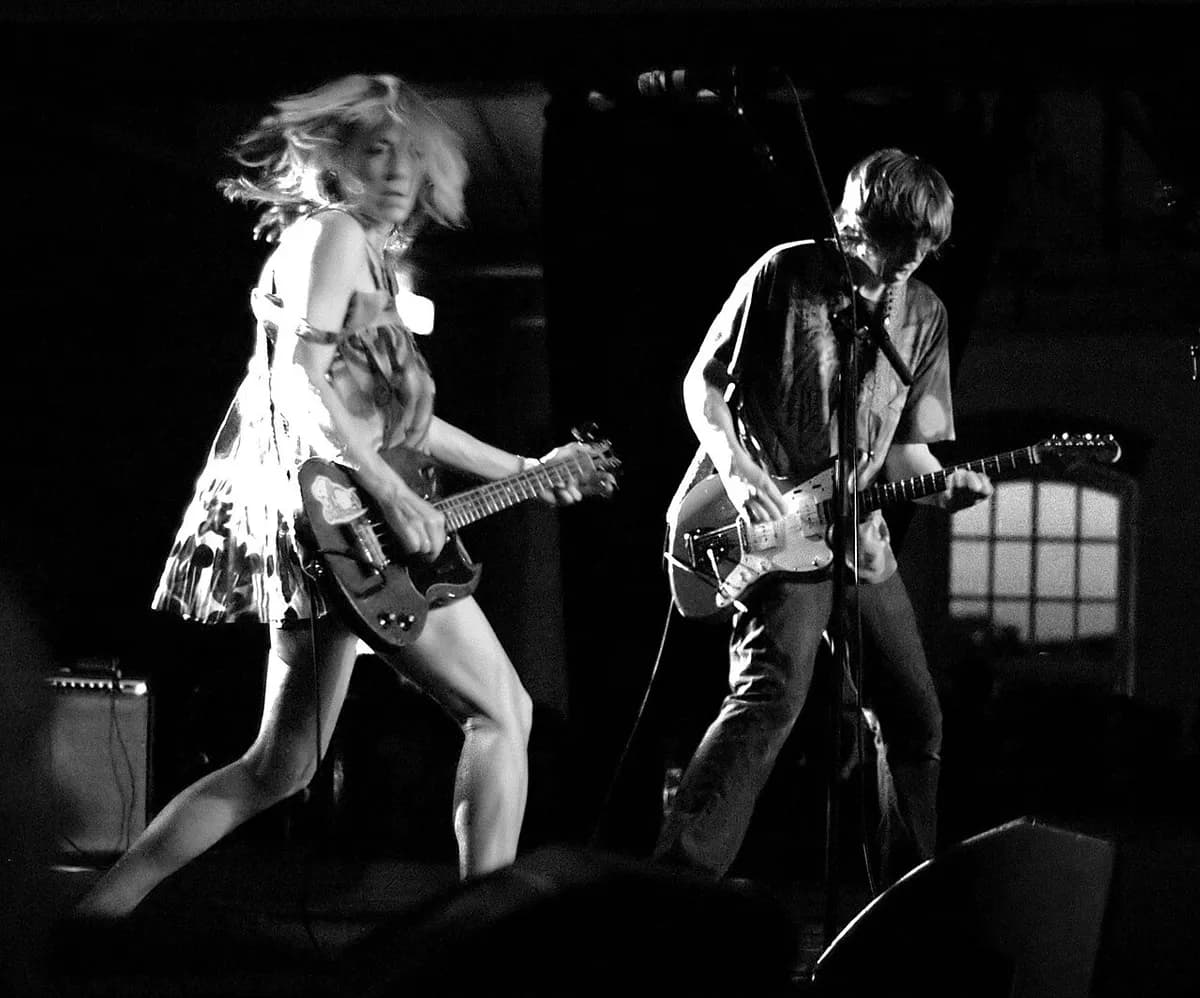
Alongside them, Boston's Pixies made the loud-quiet-loud dynamic (soft, melodic verses that burst into distorted choruses) their signature on records like Surfer Rosa (1988), while Sonic Youth, Hüsker Dü, and the Replacements pushed noise, melody, and ragged emotion. Through the 1980s this music stayed underground, traded on cassettes and played on college stations, and was called "college rock" or simply "alternative."
The breakthrough came in 1991. Nirvana's "Smells Like Teen Spirit", from Nevermind, combined the Pixies' dynamics (Kurt Cobain later said he was "basically trying to rip off the Pixies") with the heavy Seattle grunge sound, and it went into heavy rotation on MTV. In January 1992 Nevermind replaced Michael Jackson's Dangerous at No. 1 on the Billboard 200. Pearl Jam, Soundgarden, and Alice in Chains sold millions in its wake, and major labels went looking for anything they could call "alternative." Radiohead and Red Hot Chili Peppers reached the mainstream in the same years. Once the music sold that well, "alternative" became a marketing category as much as a scene.
Key Characteristics & Sound
Because alternative is an umbrella, no single trait is mandatory, but these recur across most of it:
- Guitars first: distorted, jangly, or effects-heavy electric guitar is almost always the lead voice.
- Dynamic shifts: the loud-quiet-loud contrast of a restrained verse and an explosive chorus, popularised by the Pixies and Nirvana.
- Punk ethos plus pop hooks: rough, DIY energy around a melody you can hum.
- Vocals: often emotive, raw, ironic, or oblique, with character counting for more than technique.
- Lyrics: introspective, angsty, abstract, or socially observant; party songs and love songs are less common.
- Production: ranges from deliberately lo-fi to glossy, but usually keeps the feel of a band playing in a room.
Tempo and intensity vary widely by subgenre, which is part of why a single "alternative BPM" doesn't exist. The table below gives a rough sense of where the main styles sit:
| Subgenre | Typical BPM | Feel |
|---|---|---|
| Grunge | 90–130 | Heavy, raw, angst-driven |
| Britpop | 110–150 | Bright, catchy, retro-pop |
| Alt-Metal | 90–140 | Heavy riffs, experimental edge |
| Shoegaze | 100–140 | Dreamy, blurred, wall-of-noise |
| Post-Grunge | 80–130 | Polished, radio-friendly |
| College / Jangle Rock | 120–160 | Melodic, chiming, upbeat |
Instruments & Production
Alternative is built around the classic rock band line-up, then bent to taste. The core toolkit:
- Electric guitar: the centrepiece, either clean and jangly (Peter Buck's Rickenbacker in R.E.M.) or saturated with overdrive and fuzz for grunge.
- Effects pedals: reverb, delay, chorus, and especially distortion and fuzz define the genre's textures, and shoegaze layers them into a "wall of sound."
- Bass guitar: often melodic and up front (Kim Deal's lines in the Pixies are a good example).
- Drums: live kits that follow the loud-quiet swings, restrained in verses and hammering in choruses.
- Vocals: mid-to-front in the mix, emotive and characterful, sometimes buried in effects (shoegaze) for texture.
Attitudes to production matter as much as the gear. Where mainstream rock of the 1980s went for clean, compressed records, alternative bands often kept the rough edges: Butch Vig's production made Nevermind sound huge, and for In Utero (1993) Nirvana hired Steve Albini to make something harsher. Shoegaze bands buried vocals under guitars on purpose; lo-fi acts left in tape hiss and room noise. The shared idea is that mistakes and big dynamic swings carry feeling that studio polish removes.
Subgenres of Alternative
As an umbrella, alternative covers many distinct movements. The main ones:
- Grunge: the Seattle sound of distorted guitars, angst-filled vocals, and dark lyrics; Nirvana, Pearl Jam, Soundgarden, and Alice in Chains drove alternative into the mainstream in the early 1990s.
- Britpop: bright, catchy, 1960s-indebted British guitar pop that played up national identity and was framed in the press as a reaction against American grunge; led by Oasis, Blur, Pulp, and Suede.
- Alt-Metal: heavy metal riffs mixed with odd time signatures, unusual textures, and borrowings from funk, rap, and art rock, as in Tool, Faith No More, and System of a Down.
- Shoegaze: hazy, loud music built from layered guitar effects, with vocals blurred into the mix; a largely British late-1980s and early-1990s movement led by My Bloody Valentine, Slowdive, and Ride.
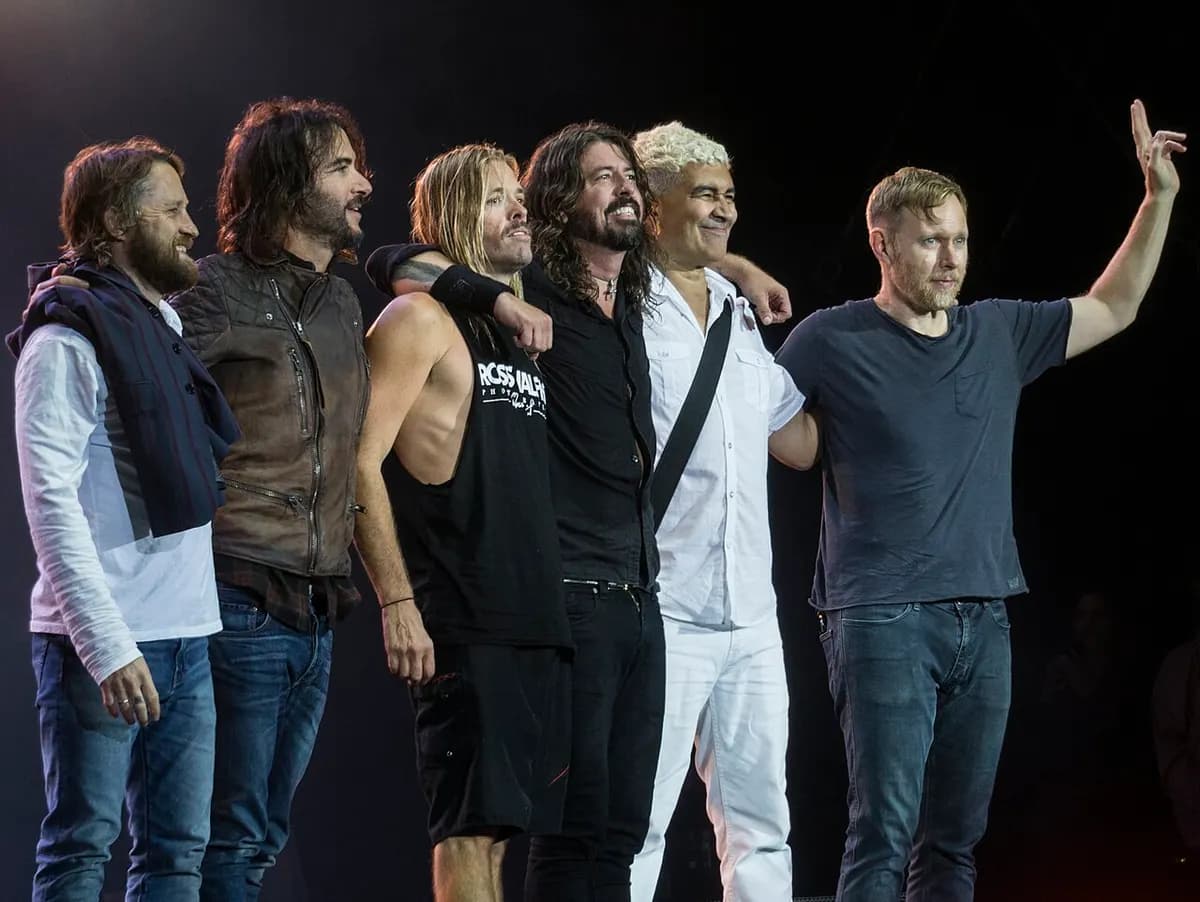
- Post-Grunge: a smoother, radio-friendly offshoot of grunge with clear vocals and polished songwriting; the late-1990s and 2000s sound of Foo Fighters, Bush, and Creed.
Several of these border neighbouring genres directly: alt-metal shades into metal, the jangly college-rock end overlaps with indie rock, and the whole family sits one step from straight-ahead rock.
Alternative vs Indie Rock vs Rock
"Alternative," "indie rock," and "rock" overlap so much that even fans argue about the lines. The cleanest way to think about it: indie originally described how music was released (on independent labels), alternative described how it sounded relative to the mainstream, and rock is the parent category both belong to. The table below sums up the practical differences:
| Trait | Alternative | Indie Rock | Rock |
|---|---|---|---|
| Defined by | Sound outside the mainstream | Independent-label distribution / DIY | The broad guitar-band tradition |
| Era of peak | 1990s breakthrough | 1980s onward, 2000s revival | 1950s onward |
| Production | Raw to glossy, often big | Lo-fi, DIY, smaller-scale | Anything from raw to arena-polished |
| Scale | Often major-label, charting | Smaller, niche, DIY ethos | Mainstream to underground |
| Example acts | Nirvana, R.E.M., Radiohead | Pavement, The Strokes, Arctic Monkeys | Led Zeppelin, Foo Fighters, U2 |
Notable Artists & Tracks
Alternative acts to start with:
- R.E.M.: "Radio Free Europe" (1981) and "Losing My Religion" (1991), the college-rock band that went on to sell records worldwide.
- Pixies: "Where Is My Mind?" (1988) and "Debaser" (1989), the band most associated with the loud-quiet-loud dynamic.
- Nirvana: "Smells Like Teen Spirit" (1991) and "Heart-Shaped Box" (1993), the band that took alternative into the mainstream.
- Radiohead: "Creep" (1992) and "Paranoid Android" (1997), showing the move from a guitar single to art rock.
- Red Hot Chili Peppers: "Under the Bridge" (1992) and "Californication" (1999), funk rock that became an alternative-radio staple.
- Pearl Jam, Soundgarden, Oasis, Blur: the leading grunge and Britpop bands on either side of the Atlantic.
Start with "Smells Like Teen Spirit," "Losing My Religion," and "Where Is My Mind?" to hear the arc from underground to mainstream and the breadth the term covers.
Alternative Around the World & Today
What started on American college radio spread worldwide. The UK answered grunge with Britpop and was where shoegaze began; Australia, Canada, and continental Europe each grew their own alternative scenes. By the 2000s the term had splintered so far that "alternative" on radio could mean anything from indie pop to nu-metal.
Today the boundaries are blurrier still. Many acts once called "alternative" are now simply "indie," while modern artists fold guitar textures into pop, electronic, and hip-hop. Newer tags like grungegaze (a grunge and shoegaze revival) keep the sound changing. The core meaning has held for about four decades: guitar music made on the band's own terms, more interested in feeling and identity than in fitting the chart formula. That is why the label still stretches to cover so much.
How AI Detects Alternative
Alternative is one of the harder genres for a model to pin down, because it is an umbrella term with no single sound. There is no signature tempo or drum pattern to lock onto: a quiet R.E.M. jangle and a roaring Soundgarden riff are both "alternative." So an AI detector listens for the broad guitar-band palette (distorted but melodic electric guitar, a live drum kit, unpolished vocals) and for the loud-quiet-loud shifts that separate alternative from steadier mainstream rock.
Since the category bleeds into rock, indie rock, grunge, and alt-metal at every edge, a useful detector reports a ranked set of likelihoods and a sub-genre split instead of a single name. Give it a go: launch the Genre AI music genre detector, let it hear a brief stretch of any track, and it will show how strongly the clip reads as alternative and which adjacent styles it tilts toward. Want the view from inside the model? Read how AI music genre detection works.
In our own listening tests, Genre AI's model reaches for Alternative most readily when guitar-led arrangements carry clear dynamic swings, such as a held-back verse that bursts into a distorted, hook-driven chorus, under emotive, non-virtuosic vocals. Thicken the low-end and weight the riffs, and Grunge or Alt-Metal gains ground; clean up the production and push the jangle forward, and Indie Rock moves up the order. For an umbrella this wide, the honest answer is that spread of competing scores, each one mapping how close the clip sits to a given corner of the family.