Bro-country is a strand of mainstream country pop that dominated American country radio in the early-to-mid 2010s. It pairs a country vocal and a Nashville songwriting formula with loud rock guitars, programmed hip-hop drums and, sometimes, rapped verses, and its lyrics return again and again to the same scene: a Friday night, a pickup truck on a dirt road, cold beer, a tailgate and a girl in cut-off jeans. Florida Georgia Line, Luke Bryan, Jason Aldean, Blake Shelton and Cole Swindell are the names most associated with it.
This guide explains where the term came from, what the records are built from, the songs that defined the wave, the backlash it provoked, and how it differs from traditional country and the wider country pop tradition it belongs to. If you want to hear whether a party-country track reads as country, rock or pop to a machine, run a clip through our free AI music genre detector.
What Is Bro-Country?
Bro-country is less a separate genre than a recognisable phase of commercial country music. Musically it sits inside country pop: verse-chorus songs of three to four minutes, built for radio, with a big hook and a clean, loud mix. What marks it out is the blend of ingredients. Where the countrypolitan and 1990s versions of country pop borrowed from adult-contemporary pop, bro-country borrowed from arena rock and from Southern hip-hop: distorted power chords under the chorus, a drum machine or programmed loop under the verse, a half-time or stomping groove, and vocal phrasing that leans on rhythm more than on long held notes.
The lyrics are what made the term catch on. Bro-country songs tend to be written from the point of view of a young man in a small town and describe a night out; there is seldom a story with a beginning and an end. The recurring images (trucks, back roads, bonfires, moonlight, tan legs on the dashboard, a cooler of beer, the river bank) became so predictable that critics built checklists out of them, and a mashup by Gregory Todd (Sir Mashalot), posted in November 2014 and viral by January 2015, laid six hits, among them "Ready Set Roll" and "Chillin' It", on top of each other to show how alike they were.
The word "bro" also signals a social type: the fraternity-style, party-first young man. It was a critic's word for the style, and a mocking one.
History & Origins
The ingredients were in place before the name. Country music had been absorbing rock guitars since the Southern rock and "hat act" eras, and the 2000s brought a run of party songs with a hip-hop wink. Trace Adkins's "Honky Tonk Badonkadonk" (2005) is the hit most often cited as a forerunner. Big & Rich and the MuzikMafia collective mixed country and rap on stage, and Colt Ford built a career on "country rap". Kenny Chesney's beach-and-beer songs supplied the carefree, holiday mood.
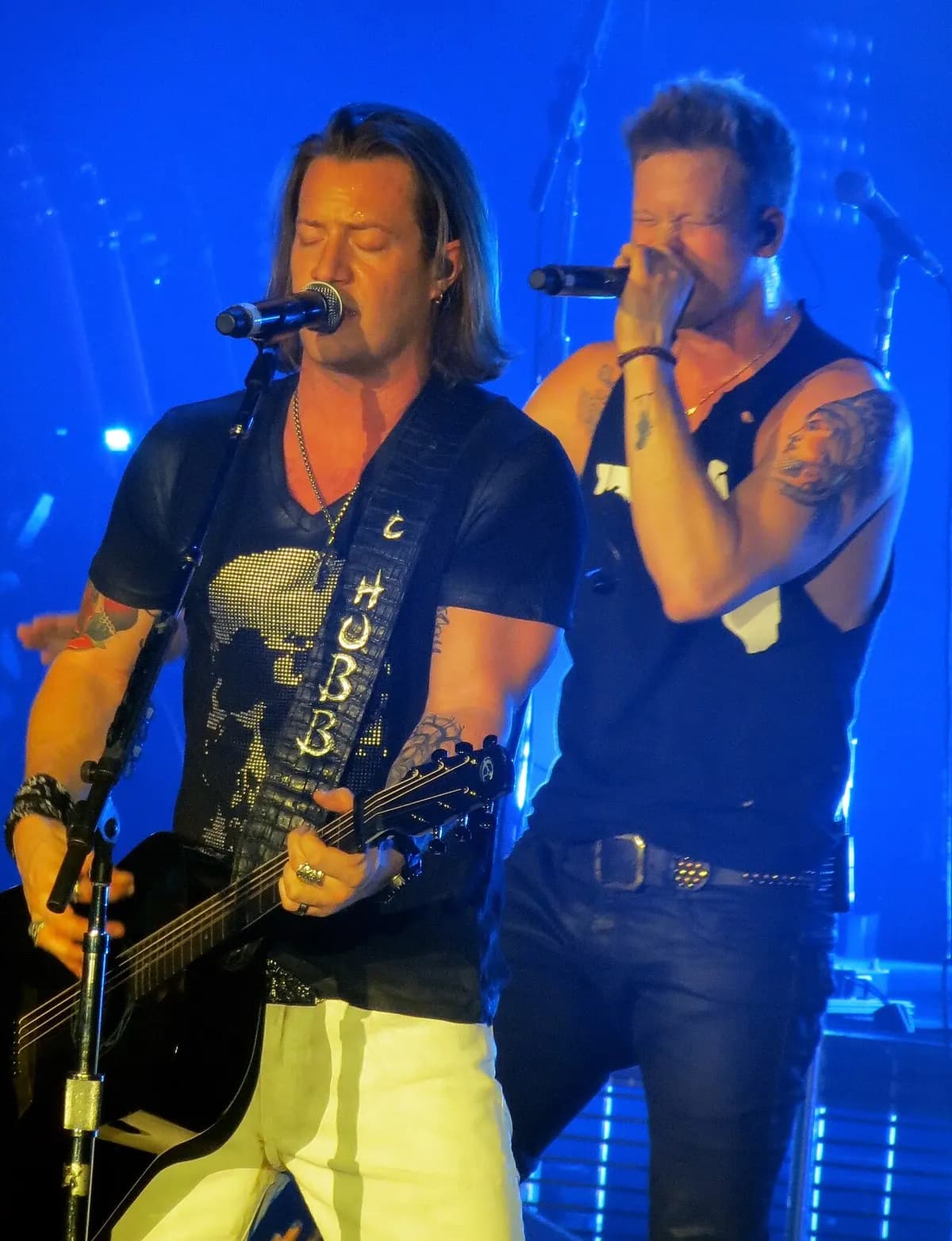
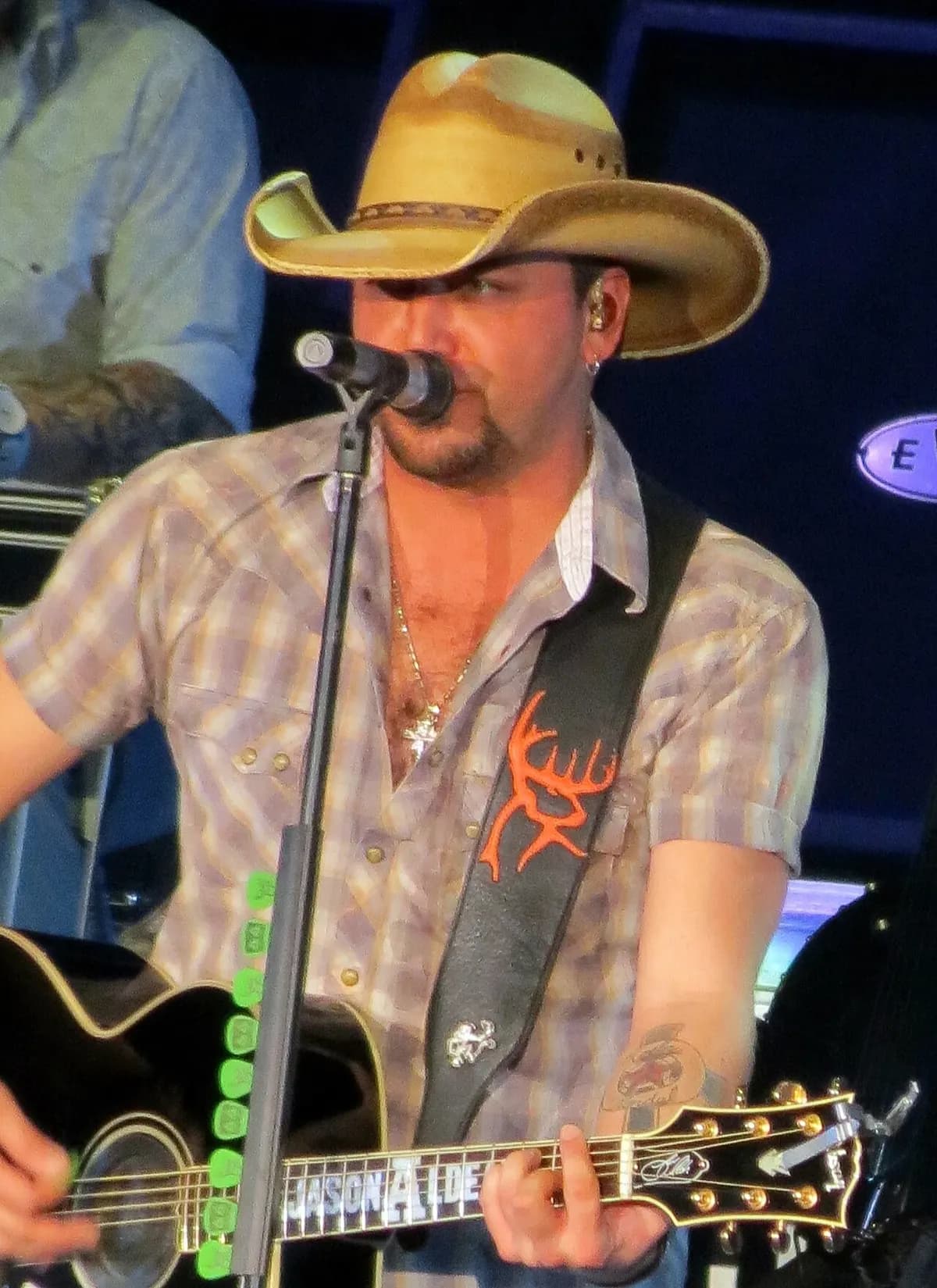
The wave itself formed in 2010–2012. Jason Aldean's version of "Dirt Road Anthem", written by Brantley Gilbert and Colt Ford and released as a single in April 2011, put rapped verses on a record that reached number one on the country chart that July; a remix with Ludacris followed. Luke Bryan's "Country Girl (Shake It for Me)" (2011) and Jake Owen's "Barefoot Blue Jean Night" (2011) made the party theme a radio staple. Then came Florida Georgia Line's debut single "Cruise" (2012). A remix with the rapper Nelly in 2013 took it to number 4 on the Billboard Hot 100, and it spent a then-record 24 weeks at number one on Billboard's Hot Country Songs chart (Sam Hunt's "Body Like a Back Road" passed that mark in 2017).
The name followed. Critic Jody Rosen used "bro-country" in an article for New York magazine on 11 August 2013, writing about Florida Georgia Line and "Cruise". Within months the label was everywhere, applied to Luke Bryan, Jason Aldean and to songs such as Blake Shelton's "Boys 'Round Here" (2013), Chase Rice's "Ready Set Roll" (2013) and Cole Swindell's "Chillin' It" (2013). Luke Bryan's Crash My Party, Florida Georgia Line's Here's to the Good Times and Blake Shelton's Based on a True Story... were all major sellers in the US in 2013; Crash My Party was the year's best-selling country album.
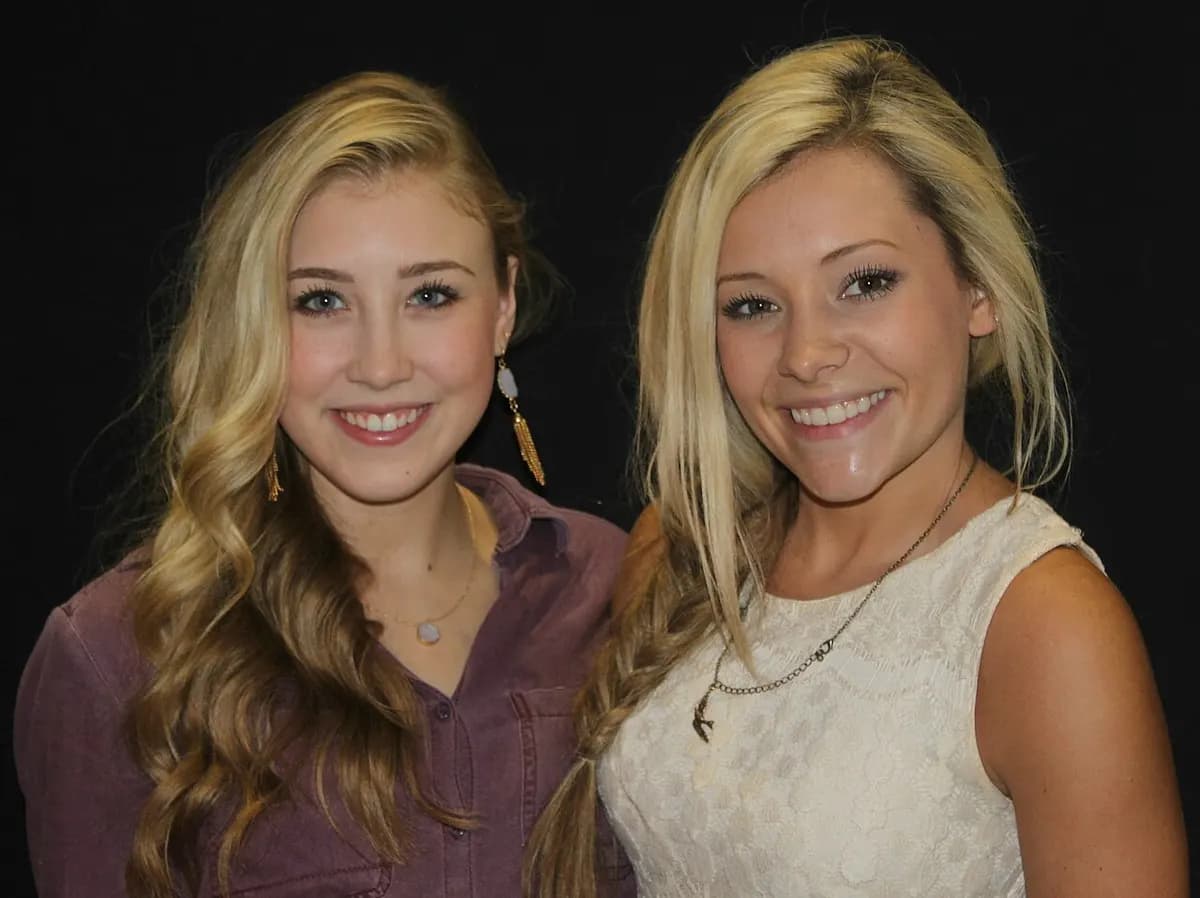
The backlash grew just as fast. In September 2013 Zac Brown called Bryan's "That's My Kind of Night" the worst song he had ever heard, and Aldean answered him on Instagram. Other artists and critics objected to the way the songs portrayed women and to how few women were being played on country radio. In July 2014 the duo Maddie & Tae released "Girl in a Country Song", a pointed reply sung from the point of view of the girl on the tailgate. By 2015 many radio programmers said the formula was tired, and the sound broadened: Sam Hunt and Thomas Rhett pushed further toward R&B and pop. By the end of the decade Billboard's Tom Roland had a name for the softer, devoted love songs that followed: "boyfriend country". The rhythmic, hip-hop-aware production that bro-country normalised never left the format, though; it runs straight through to the country-rap and trap-influenced country of the 2020s.
Key Characteristics & Sound
What identifies a bro-country record:
- Tempo and groove: mostly mid-tempo, with a strutting, head-nodding feel and no two-step shuffle. Many hits sit roughly between 70 and 110 BPM, often with a half-time drum pattern that makes them feel slower and heavier than the count suggests.
- Drums: programmed kicks and claps or a looped beat under the verses, opening into a live rock kit for the chorus. Snare rolls and big tom fills mark the transitions.
- Guitars: distorted electric guitars playing power chords and palm-muted riffs, closer to Southern rock and post-grunge than to Telecaster twang.
- Country markers: banjo picking in the intro, a dobro or steel-guitar lick, a Southern accent and the word "y'all". They are usually present, but as colour on top of an arrangement built from rock and pop parts.
- Vocals: a strong, slightly gritty male lead, often double-tracked, with syncopated, talk-sung verses; rapped guest verses appear on remixes and some album cuts.
- Harmony: major keys and four-chord loops; the emotional tone is celebratory, not melancholy.
- Lyrics: trucks, dirt roads, tailgates, beer and whiskey, moonlight, small-town pride and a girl described mostly by her looks.
How bro-country compares with its neighbours inside country:
| Trait | Bro-Country | Traditional Country | 1990s Country Pop | Outlaw Country |
|---|---|---|---|---|
| Peak period | c. 2011–2015 | 1940s–1960s and revivals | 1990s–early 2000s | 1970s |
| Drums | Programmed beats plus rock kit | Shuffle or two-step, light kit | Polished live kit | Loose, live band |
| Guitars | Distorted power chords | Telecaster twang, steel guitar | Clean electric, steel, fiddle | Twangy, rough-edged |
| Hip-hop influence | Strong (beats, rapped verses) | None | Minimal | None |
| Typical themes | Trucks, parties, girls, beer | Heartbreak, home, faith, drinking | Romance, empowerment | Independence, hard living |
| Reference track | Cruise | I'm So Lonesome I Could Cry | Man! I Feel Like a Woman! | Mammas Don't Let Your Babies Grow Up to Be Cowboys |
Instruments & Production
Bro-country records were made in Nashville studios by session players, but the production choices came from rock and urban radio as much as from country tradition.
- Drum programming: trap-style hi-hats are rare in the classic 2012–2014 hits, but programmed kicks, finger snaps, claps and loops are common, especially in the first verse, before the band enters.
- Layered electric guitars: several distorted rhythm tracks stacked wide in the stereo field, the same wall-of-guitar approach used in arena rock and post-grunge.
- Banjo and acoustic guitar: a picked banjo figure or strummed acoustic often opens the song, so the listener hears "country" before the beat drops.
- Bass: electric bass doubled or replaced by synth sub-bass on some tracks, giving the low end a modern pop weight.
- Vocal production: tight tuning, doubled leads, gang vocals on the chorus, and occasional vocoder or filtered "radio" effects on intros.
- Loudness: heavily compressed masters designed to stand out on radio and streaming playlists, which also makes the songs sound similar to each other.
This production model is the clearest link between bro-country and later country hybrids: once programmed drums and hip-hop phrasing were accepted on country radio, the step to country-trap beats was short.
Related Styles & Offshoots
- Country rap: the older underground fusion of Colt Ford, Bubba Sparxxx, Big Smo and Upchurch, built on rapping over country-flavoured beats. Bro-country took its rhythms into the mainstream but kept a sung lead.
- "Boyfriend country": the late-2010s turn toward softer, romantic, R&B-tinged songs from Thomas Rhett and others, addressed to a partner instead of describing a party.
- Party country / beach country: Kenny Chesney, Jake Owen and others, with the holiday-and-beer mood without as much rock or hip-hop production.
- Country-trap and country-rap crossover: the late-2010s and 2020s hybrids with trap hi-hats and 808s, linked to pop rap and, in another direction, to "Old Town Road"-style novelty crossovers.
- Satire and responses: Maddie & Tae's "Girl in a Country Song" and the wave of critical think-pieces are part of the story because they defined the genre from the outside.
Key Artists & Songs
The records most often used to define bro-country, roughly in order of release:
| Song | Artist | Year | Why it matters |
|---|---|---|---|
| Honky Tonk Badonkadonk | Trace Adkins | 2005 | A forerunner: hip-hop slang and a party groove on country radio |
| Dirt Road Anthem | Jason Aldean | 2011 (single) | Rapped verses on a mainstream country hit |
| Country Girl (Shake It for Me) | Luke Bryan | 2011 | The party template: girls, trucks, a dance-floor hook |
| Barefoot Blue Jean Night | Jake Owen | 2011 | The summer-night party mood the wave was built on |
| Cruise | Florida Georgia Line | 2012 | The song that prompted the term; remixed with Nelly in 2013 |
| Boys 'Round Here | Blake Shelton | 2013 | Talk-sung verses and a stomping groove |
| That's My Kind of Night | Luke Bryan | 2013 | The hit that drew the sharpest criticism from fellow artists |
| Chillin' It | Cole Swindell | 2013 | A debut built on the full checklist of bro-country images |
| This Is How We Roll | Florida Georgia Line feat. Luke Bryan | 2014 | Two of the genre's leading acts on one record |
| Girl in a Country Song | Maddie & Tae | 2014 | The best-known musical rebuttal |
Bro-Country vs Country Pop, Country and Southern Rock
Bro-country vs country pop. Bro-country is a subset of country pop, not its opposite. Country pop covers seventy years of crossover, from the Nashville Sound and countrypolitan to Shania Twain and Taylor Swift's early records. Bro-country is the early-2010s version, distinguished by rock guitars, hip-hop rhythm and a narrow, male-centred party theme. A slick 1990s ballad is country pop but not bro-country.
Bro-country vs traditional country. Country in its classic and honky-tonk forms is built on shuffle and two-step rhythms, steel guitar and fiddle, and storytelling lyrics about heartbreak and hard times. Bro-country keeps the accent and some of the instruments but changes the rhythm section and the subject. That is the core of the traditionalists' complaint, and it fed the mid-2010s turn toward more roots-oriented songwriters and Americana.
Bro-country vs Southern rock. Southern rock, the music of the Allman Brothers and Lynyrd Skynyrd, is a rock genre with long guitar solos and blues roots. Bro-country borrows its guitar tone and regional pride but stays inside the short, chorus-first structure of country radio, with no extended jamming.
Bro-country vs outlaw country. Both are about male independence, but outlaw country was a 1970s rejection of Nashville gloss, while bro-country was Nashville's most polished product of its decade.
How AI Detects Bro-Country
For an audio model, bro-country is a mix of strong and weak country signals. The accent, banjo or dobro licks and the major-key, chorus-first melody point to country; the distorted guitars, compressed drums and programmed beats point toward rock and pop. Genre AI's production taxonomy has no bro-country label, but it has a Country label inside the coarse Folk / Country category, and "bro country" is literally one of the text prompts that label is built from. A track whose banjo and twang survive the mix is likely to land there; one dominated by a wall of distorted guitar may instead come back under Rock.
What a model does not hear is the lyric checklist that made the label famous. Trucks, tailgates and beer are words, not timbres. Try a track in the Genre AI music genre detector and look at which broad category it was placed in as well as the label; the explainer on why songs have multiple genres covers why that split is expected.
Genre AI has no bro-country label, so the most specific answer to expect is the coarse Folk / Country category with its Country label, whose text prompts include "bro country", "country rap" and "edm country". Tracks where banjo, dobro or steel guitar stay audible and the vocal sits on top are the likeliest to read that way; Folk is the only other fine label in that category, so it is the alternative to expect there. Songs dominated by distorted guitar may drift to the Rock category, with Hard Rock or Soft / Pop Rock as the label, and rap-featuring remixes may pull toward Rap Hip-Hop and its Pop Rap label. The coarse Pop category has no fine labels and is unlikely to be the final answer. A result that lands on rock describes the guitars accurately.