
Tech house is a hybrid dance genre that welds the warm, swinging groove of house onto the stripped-back, percussive drive of techno, almost always running in the 124–128 BPM range. Built for peak-time clubs, it favours a rolling bassline, tight drums, and minimal melody. Since the late 2010s it has been one of the most-played sounds in clubs and festival tents.
This guide explains exactly what tech house is, where it came from, how to spot it by ear, the production tricks that give it that snapping low-end, its key subgenres and artists, and how it sits between house and techno. Not sure if the track thumping out of the speakers is tech house or something warmer? Drop a clip into our free AI music genre detector and it will read the groove and place it for you.
What Is Tech House?
Tech house is a subgenre of house music that borrows the leaner, more mechanical aesthetic of techno. Where classic house leans on soulful chord stabs, sampled vocals, and disco warmth, tech house strips much of that away and puts the emphasis on rhythm: a swinging four-on-the-floor kick, a rubbery syncopated bassline, and crisp, dry percussion. The result is closer to a "DJ tool" than a song: hypnotic, loopy, and engineered to be mixed for hours.
The genre sits deliberately in the middle of two worlds. It keeps the groove, swing, and dancefloor friendliness of house, but adopts techno's restraint, darker tone, and preference for texture over melody. That balance explains why so many clubs adopted it: it is energetic and driving enough for a techno crowd, yet warm and accessible enough for a house crowd.
History & Origins
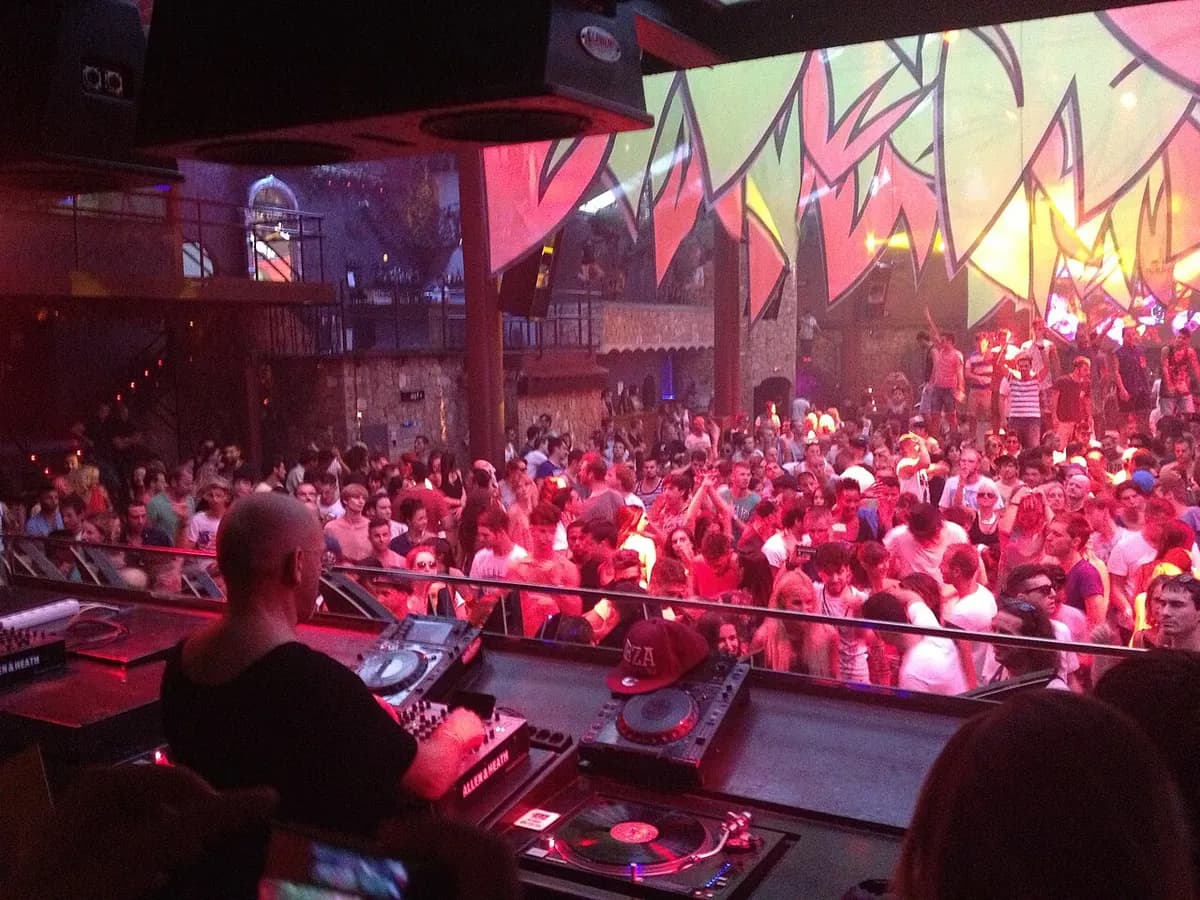
Tech house crystallised in the United Kingdom in the mid-1990s, growing out of London club nights where DJs were already blending American house and Detroit techno in the same sets. Parties such as The Drop, Heart & Soul and Wiggle (started in 1994 by Nathan Coles and Terry Francis, with Eddie Richards as a resident) are usually credited with codifying the sound in the mid-to-late 1990s. Producers wanted the funk of house with the punch and studio precision of techno, and the label "tech house" stuck.
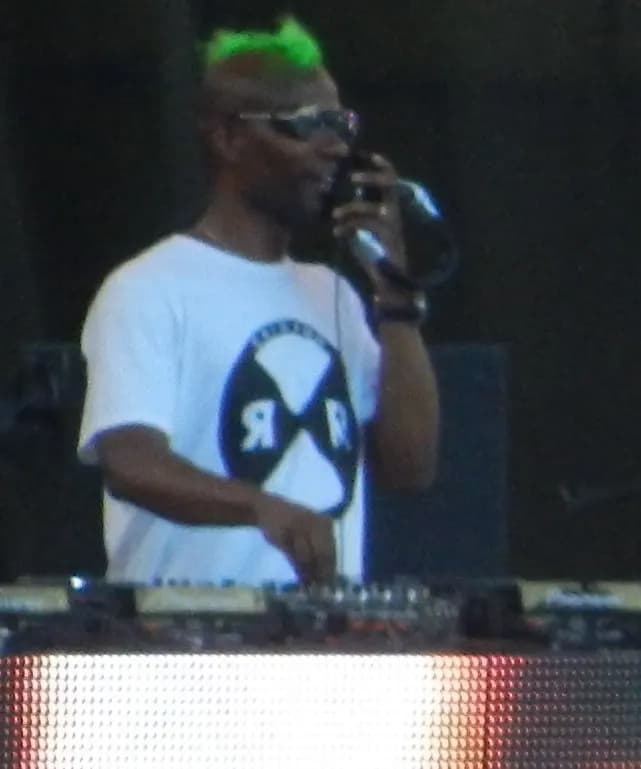
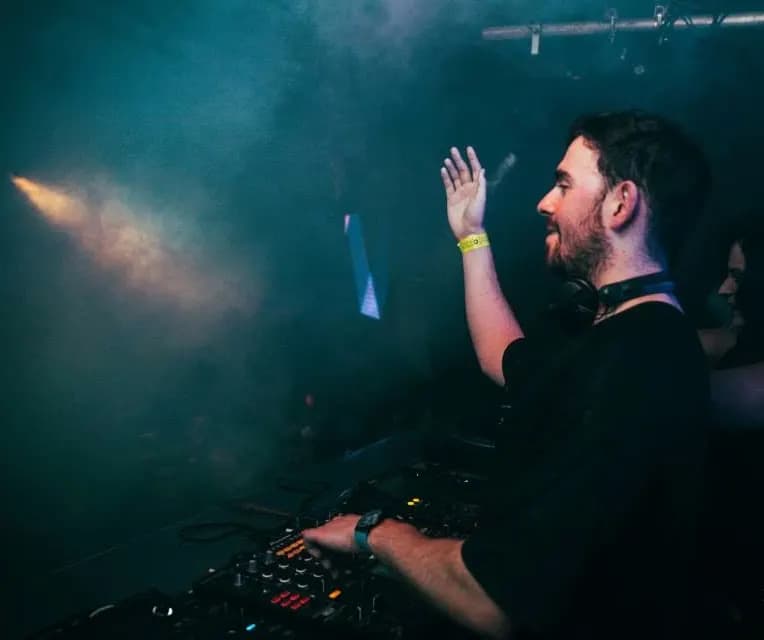
Through the 2000s the genre matured on the Ibiza circuit and on labels like Get Physical and Cocoon, absorbing the influence of minimal techno. The big modern shift came in the 2010s, when Jamie Jones's Hot Creations label and Paradise parties gave tech house a groovier, more melodic and vocal-friendly identity. Around the same time Green Velvet, Patrick Topping, and later FISHER and John Summit pushed the sound onto festival main stages, turning an underground UK niche into one of the best-selling strands of dance music by the 2020s.
Key Characteristics & Sound
Tech house is easiest to recognise by its rhythm section; melody plays a small part. Listen for:
- Tempo: almost always 124–128 BPM, the sweet spot between house and techno.
- Kick: a punchy, tight four-on-the-floor with a short, controlled tail.
- Bassline: a rolling, syncopated bass that slots in around the kick.
- Percussion: dry, precise shakers, rimshots, congas, and off-beat hats, busier and drier than in house.
- Vocals: chopped, looped one-liners or spoken hooks; full topline songs are rare.
- Vibe: minimal, hypnotic, and relentless, designed for long, sustained dancefloor energy.
If a track grooves and swings like house but sounds darker, drier, and more stripped-down, with the bassline doing most of the work and barely any chords, you are almost certainly hearing tech house. Tempo and feel shift across its own family of styles:
| Style | Typical BPM | Feel |
|---|---|---|
| Minimal / Deep Tech | 122–125 | Sparse, hypnotic, dubby |
| Classic Tech House | 124–127 | Rolling, groovy, clubby |
| Festival / Peak-Time | 125–128 | Big, punchy, drop-focused |
| Tech House x Bassline | 126–128 | Heavy, garage-tinged low-end |
| Melodic-leaning Tech House | 123–126 | Warmer, with light synth hooks |
Instruments & Production
Like all house, tech house is a producer's genre made almost entirely in the studio. Its toolkit centres on:
- Drum machines: the Roland TR-909 kick and hats remain the backbone; the TR-808 and TR-707 add extra percussion colour.
- Bass synths: plucky, filtered basses (often FM or analogue-modelled) that sit low and roll under the kick. The bass is the genre's defining element.
- Percussion samples: dry congas, bongos, shakers, and rims, frequently swung to give the groove its signature bounce.
- Vocal chops: pitched, gated, and looped one-shots used as rhythmic hooks.
- DAW effects: heavy side-chain compression (the "pumping" duck), high-pass filter builds, short reverbs, and tape-style saturation.
The craft of tech house is in the low-end: producers spend most of their time carving space so the kick and rolling bass lock together without muddiness. Swing quantisation, subtle groove templates, and tight sound-selection matter far more than complex chords or leads. A great tech house record can be built from a kick, a bass, three percussion loops, and one vocal chop.
Subgenres & Related Styles
Tech house overlaps with several neighbouring styles:
- Minimal / Deep Tech: sparser, dubbier, and more hypnotic, closest to minimal techno.
- Festival Tech House: the big, punchy, drop-driven sound of FISHER and John Summit.
- Bassline / UKG-tinged Tech House: heavier, garage-influenced low-end and swing.
- Melodic Tech House: warmer, with light synth hooks, edging toward progressive house.
- Afro-leaning Tech House: organic percussion crossing over with Afro house and Amapiano.
At its edges tech house blurs into deep house (when it slows and warms) and into techno (when it strips the swing and darkens). That in-between position is the whole point of the genre.
Tech House vs Deep House vs Techno
Tech house is defined largely by contrast with its two parent styles. All three run a four-on-the-floor kick, but the feel and construction differ:
| Trait | Tech House | Deep House | Techno |
|---|---|---|---|
| Tempo | 124–128 BPM | 118–124 BPM | 125–150 BPM |
| Feel | Tight, rolling, groovy | Warm, mellow, soulful | Dark, mechanical, driving |
| Bassline | Rubbery, syncopated, up-front | Deep, smooth, sustained | Rumbling or minimal |
| Melody | Minimal / vocal chops | Lush chords, mood pads | Texture over melody |
| Best setting | Peak-time club | Sunset / lounge / early club | Warehouse, late night |
Notable Artists & Tracks
Key tech house artists and records to know:
- Jamie Jones: "Hungry for the Power," an early Hot Creations hit.
- Green Velvet: "La La Land" (2001), "Bigger Than Prince."
- FISHER: "Losing It" (2018), a Grammy-nominated crossover hit.
- Patrick Topping: "Forget," released on Hot Creations.
- John Summit: "Deep End" (2020), his breakthrough track.
- Michael Bibi, Chris Lake, Solardo, Dom Dolla: leading modern names on the club and festival circuit.
- Terry Francis & Nathan Coles: founders of Wiggle, one of the London parties where the sound took shape.
Start with "Losing It," "La La Land," and "Deep End" to hear how the genre moved from underground UK clubs to global main stages.

How AI Detects Tech House
An AI model recognises tech house mostly by its rhythmic fingerprint: a tight four-on-the-floor kick, a rolling syncopated bassline sitting right under it, dry off-beat percussion, and a tempo locked around 124–128 BPM, all with very little harmonic content. Because tech house borrows so heavily from both house and techno, the model tends to return it alongside close neighbours, weighing the swing, the low-end profile, and the sparseness of the arrangement to decide which side of the line a track falls on.
Try it yourself: open the Genre AI music genre detector, feed it a few seconds of audio, and it will separate a rolling tech-house cut from a warmer deep house roller in seconds. For the theory behind that call, read our explainer on how AI music genre detection works, or our side-by-side comparison of deep house vs tech house.
Running real tracks through Genre AI ourselves, the cleanest Tech House readings come from a punchy four-on-the-floor kick in the 124–128 BPM band paired with a rubbery, syncopated bassline and dry off-beat percussion, and almost no chords. Add warm pads and mellow it out and the model drifts toward Deep House; strip the swing and darken the tone and it edges into Techno. Those near-neighbour scores ride right behind the top result, so you can see how close the call was.