Rockabilly is the country-facing half of early rock and roll: hillbilly music played with a blues feel by small white southern bands, recorded with heavy tape echo and driven by a slapped upright bass. Its commercial peak lasted barely five years, roughly 1954 to 1959, and it has been revived again and again since the late 1970s.
This guide covers where rockabilly came from, what makes the records sound the way they do, how it differs from rock and roll proper, and which artists to start with. To hear how a track reads to a classifier, run a few seconds through our free AI music genre detector.
What Is Rockabilly?
The name is a compound of "rock" and "hillbilly", and it describes the recipe: country music's instrumentation and vocal phrasing driven by the rhythm and shuffle of blues.
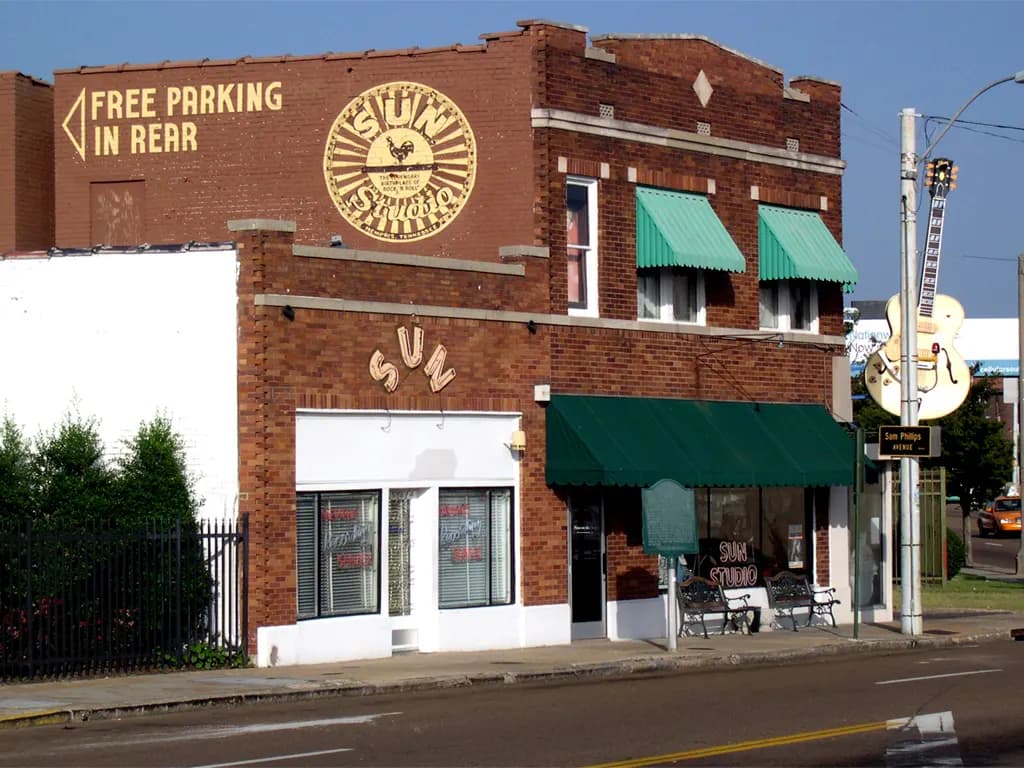
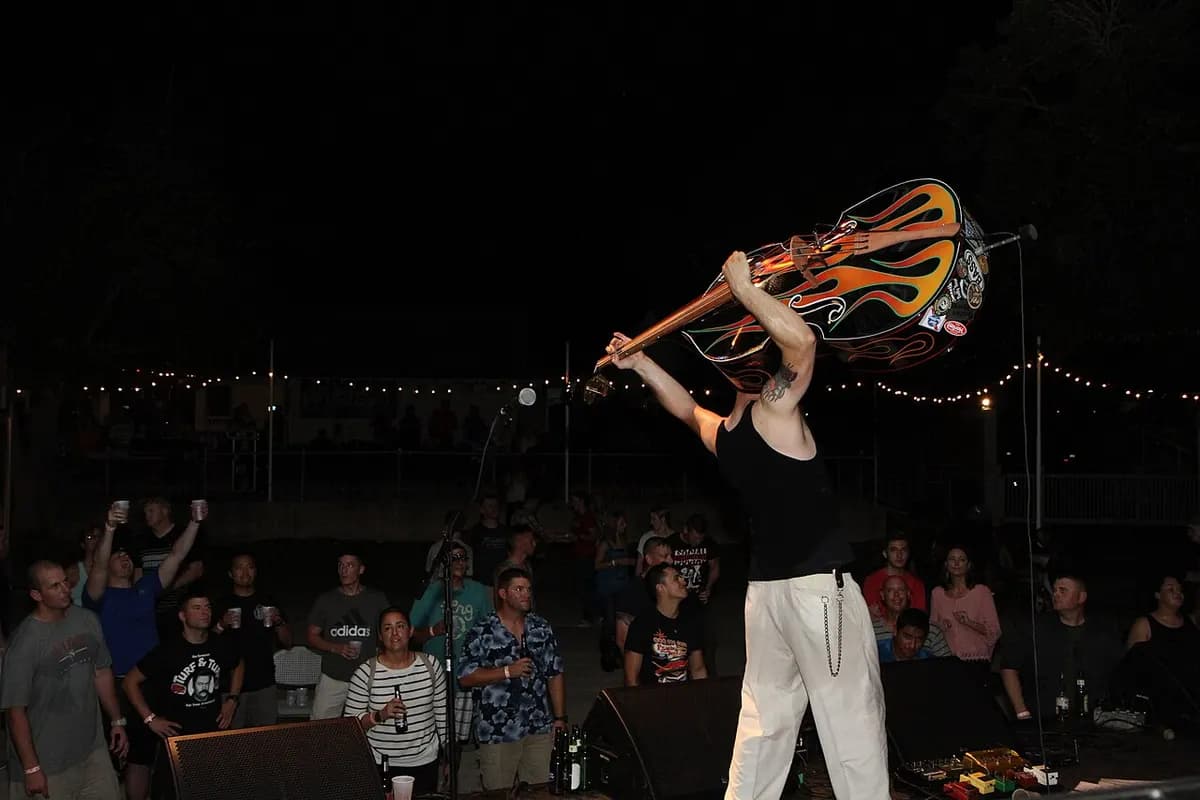
Three things separate a rockabilly record from generic 1950s rock and roll. There is no saxophone and usually no piano: the lineup is guitar, upright bass and often nothing else. The bass is slapped, the string pulled and snapped against the fingerboard so it clicks percussively, which is why Elvis Presley's first Sun records could do without a drummer. And the sound is soaked in slapback echo, a single short tape repeat that Sam Phillips produced at Sun by feeding the signal from one tape machine through a second; estimates put the delay at roughly 100–140 milliseconds, and one acoustic analysis of Sun recordings measured about 135.
Vocally it is a performance style as much as a genre: hiccups, stutters, sudden falsetto leaps and a nervous, up-tempo energy far from the smooth delivery of the crooners.
History & Origins
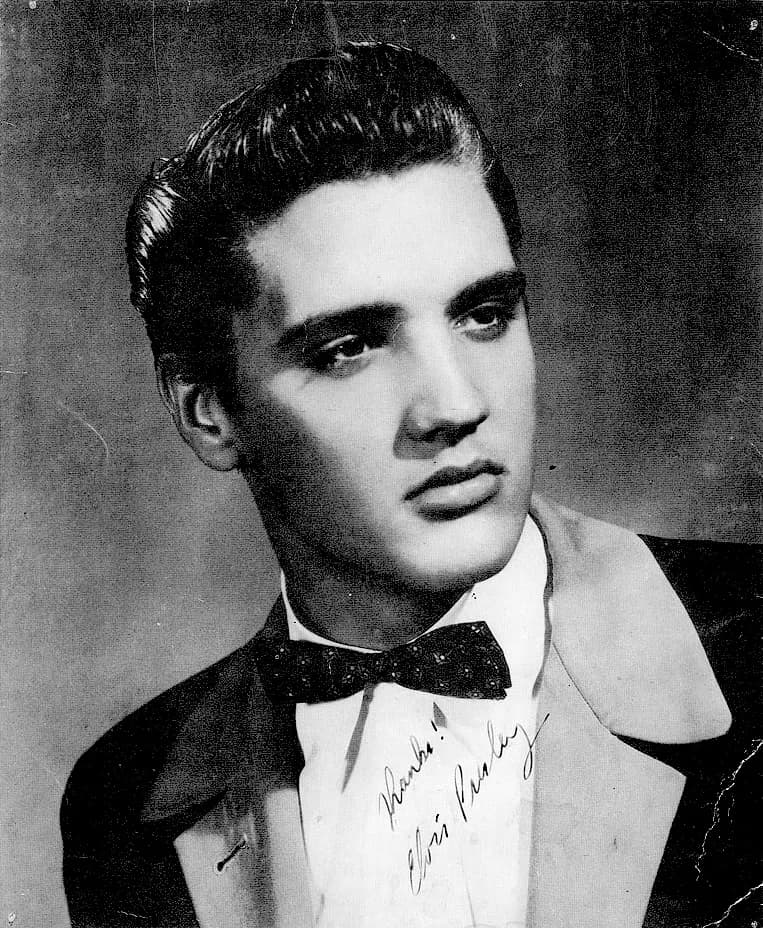
The founding session is dated precisely: 5 July 1954, at Sun Studio in Memphis, when a nineteen-year-old Elvis Presley, guitarist Scotty Moore and bassist Bill Black started playing a fast version of Arthur Crudup's 1946 blues "That's All Right" during a break. Sam Phillips, who had been recording Black blues musicians for years, released it on 19 July.
Sun Records then produced much of the genre's canon in three years: Carl Perkins, whose "Blue Suede Shoes" (January 1956) became the first million-selling country song to cross over to both the R&B and pop charts, plus Johnny Cash, Jerry Lee Lewis, Roy Orbison, Billy Lee Riley and Charlie Feathers.
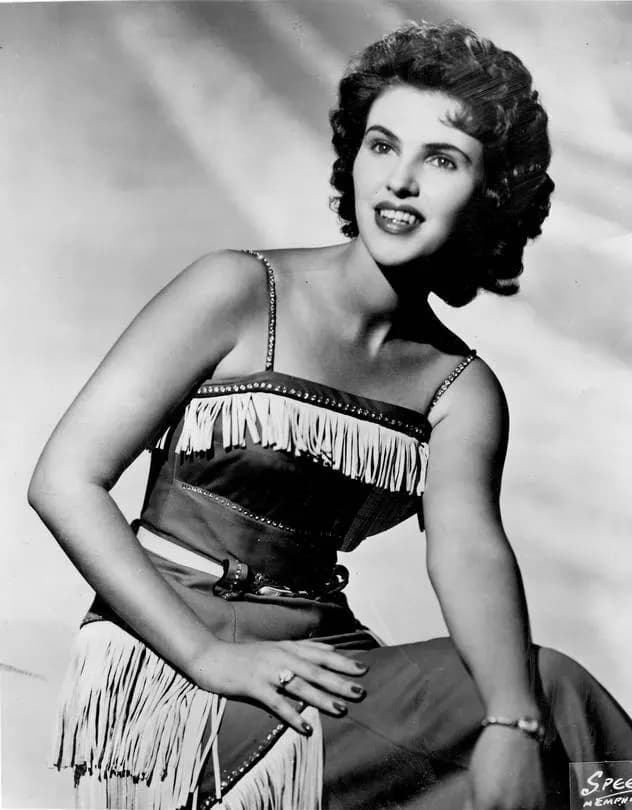
Outside Memphis the style spread fast: Gene Vincent's "Be-Bop-A-Lula" (1956), Eddie Cochran's "Summertime Blues" (1958), Buddy Holly's recordings with the Crickets, and Wanda Jackson, later called the "Queen of Rockabilly", whose first record for Capitol came out in July 1956 and whose growled vocals stood out in a genre with very few women.
The collapse was sudden. Little Richard quit rock and roll for the church in the late 1950s; Elvis was drafted into the army in 1958; the same year scandal wrecked Jerry Lee Lewis's career; Buddy Holly died in a plane crash in February 1959; Chuck Berry was arrested in December 1959 and later spent about 20 months in federal prison; and Eddie Cochran died in a car crash in 1960. The industry filled the gap with clean-cut teen idols, and by the early 1960s rockabilly had largely vanished from the radio.
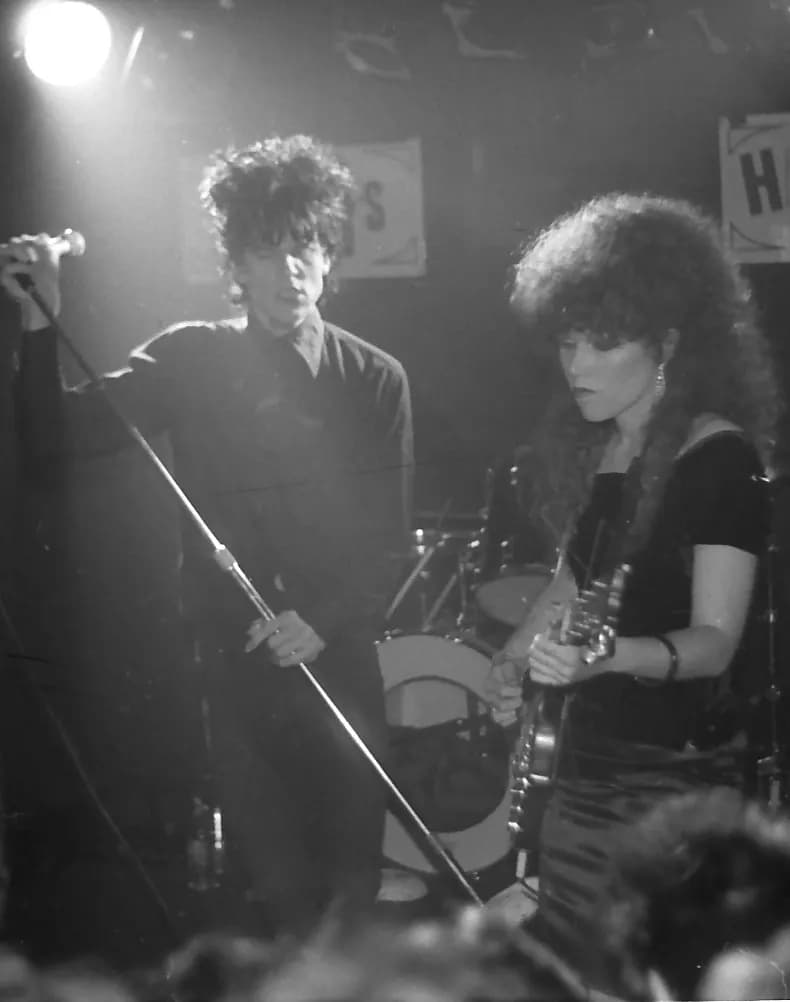
It kept coming back. In Britain the teddy boys, in their Edwardian drape coats and brothel creepers, kept the records alive; The Cramps and then The Meteors created psychobilly by crossing it with punk and horror imagery; the Stray Cats reached the UK top ten with "Runaway Boys" in 1980 and the US top ten with "Rock This Town" after the 1982 album Built for Speed; and Brian Setzer, Reverend Horton Heat, Imelda May and JD McPherson have carried versions of it since. The visual culture of pompadours, hot rods, pin-up styling and weekender festivals now reaches people who rarely play the records.
Key Characteristics & Sound
What identifies a rockabilly track:
- Slapback echo: one short tape delay repeat on voice and guitar; the genre's signature.
- Slap upright bass: percussive, doubling as the snare in bands without a drummer.
- Tempo: fast, commonly somewhere around 150–200 BPM, with a driving two-beat or shuffle feel.
- Small lineups: guitar, bass and sometimes drums; no horns, rarely piano.
- Guitar style: Travis-picked or hybrid picking on a hollow-body or Telecaster, clean with a bright twang.
- Form: twelve-bar blues and simple country changes, songs under two and a half minutes.
- Vocals: hiccups, stutters, sudden register jumps, and a southern accent worn openly.
- Recording: live to one or two tracks, mono, minimal separation, so the room is part of the sound.
Where it sits among its close relatives:
| Trait | Rockabilly | Rock and Roll | Country (1950s) | Psychobilly |
|---|---|---|---|---|
| Instruments | Guitar, slap bass | Piano, sax, band | Steel guitar, fiddle | Guitar, slap bass, drums |
| Tempo | 150–200 BPM | 140–180 BPM | 90–150 BPM | 170–220 BPM |
| Echo | Heavy slapback | Moderate | Light | Heavy, plus distortion |
| Vocals | Hiccuping, nervous | Shouted, rhythmic | Smooth, narrative | Snarled, horror-themed |
| Roots | Country plus blues | R&B plus country | Folk and western | Rockabilly plus punk |
| Reference track | "Blue Suede Shoes" | "Johnny B. Goode" | "I Walk the Line" | "Human Fly" |
Instruments & Production
Few genres are as tied to a specific studio technique:
- Sun's tape slapback: the signal from one tape machine fed through a second, so the playback head produced one delayed repeat; Sam Phillips's technique, and the quickest way to recognise a Sun record.
- Upright bass played with slap technique: the string snapped against the board for a click on the offbeat.
- Gretsch and Gibson hollow bodies, and the Fender Telecaster: bright, cutting, almost no gain.
- Small valve amplifiers pushed until they broke up naturally, long before distortion pedals were common.
- Minimal drumming where present: brushes, a snare, or just a kick; Elvis's first Sun singles have no kit at all.
- Mono, live tracking with everyone in one room and no overdubs; a take was a performance.
Revival records reproduce every one of these choices deliberately, which is why neo-rockabilly from 1981 or 2015 can sound closer to 1956 than to its own decade.
Subgenres & Related Styles
The family around it:
- Psychobilly: rockabilly crossed with punk and horror imagery; The Cramps, The Meteors, Nekromantix.
- Neo-rockabilly: the 1980s revival with modern production; Stray Cats, Restless.
- Hillbilly bop and western swing: the country side of the family tree.
- Rock and roll: the broader style rockabilly is the country-leaning branch of.
- Surf rock: the instrumental successor that kept the reverb and dropped the vocals.
- Punk: rockabilly's partner in psychobilly, which brought the two together from the late 1970s.
- Americana: where the tradition lives now in its more reverent form.
Notable Artists & Tracks
Where to start:
- Elvis Presley: "That's All Right" (1954), "Mystery Train" (1955); the Sun sessions specifically.
- Carl Perkins: "Blue Suede Shoes" (1956).
- Gene Vincent: "Be-Bop-A-Lula" (1956).
- Eddie Cochran: "Summertime Blues" (1958).
- Wanda Jackson: "Fujiyama Mama" (1957), "Let's Have a Party" (1958).
- Johnny Burnette Trio: "Train Kept A-Rollin'" (1956).
- Charlie Feathers: "One Hand Loose" (1956).
- Buddy Holly: "Peggy Sue" (1957).
- The Cramps: Songs the Lord Taught Us (1980).
- Stray Cats: Stray Cats (1981).
Three records for the arc: "That's All Right" for the origin, "Blue Suede Shoes" for the peak, Songs the Lord Taught Us for what the style became once punk got hold of it.
How AI Detects Rockabilly
Two of rockabilly's traits leave clear marks in the audio. Slapback echo is a single repeat at a fixed short delay that runs through the whole recording, and the slapped upright bass supplies percussive clicks where a drum kit would normally sit, often in records with no kit at all. A listener spots both within a bar.
A genre classifier, though, works from the overall sound of a clip, and everything else about rockabilly points toward its neighbours: rock and roll, country and blues. Genre AI has no rockabilly label, so the answer will come from one of those families; the note below explains which is likely. Test it in the Genre AI music genre detector.
Genre AI's production taxonomy has no Rockabilly class. The nearest label is RocknRoll, a fine subgenre under Rock, and a Sun-era side is likely to land there or on a sibling such as Blues Rock, whose prompts include "blues", "jump blues" and "memphis blues". The other likely family is Folk / Country, whose fine label Country has prompts such as "country rock" and "roots country"; a slow, twangy track with little echo may well go that way. Both families have fine subgenres, so whichever ranks higher among the model's top five decides the answer, and the alternatives listed are siblings inside that family only: a Rock answer may show Blues Rock or Punk, a Country answer may show Folk. The Blues coarse label has no fine subgenres and is unlikely to be the answer while Rock or Folk / Country is in the running. Psychobilly, faster and distorted, may lean toward Punk. The label RocknRoll is the closest match to Rock and Roll as this site describes it.