Trip-hop is the slowed, atmospheric fusion of hip-hop breakbeats, dub bass, and cinematic sampling that emerged from Bristol in the early 1990s. It is heavy, hazy and usually melancholy. Its producers took the sampling and drum programming of rap and used them to build mood, with sung vocals in place of rhymes, and the records they made in the 1990s still set the template for slow, atmospheric electronic music.
This guide covers what trip-hop is, the Bristol scene that created it, why most of its architects rejected the name, how the sound is built, and what it turned into. Not sure whether a track is trip-hop, lo-fi, or downtempo electronic? Play a few seconds into our free AI music genre detector.
What Is Trip-Hop?
Trip-hop takes the machinery of hip-hop production (sampled breakbeats, looped basslines, crate-dug source material), slows it to 80–110 BPM and buries it in atmosphere. The drums are heavy and dragging, the bass owes as much to Jamaican dub as to funk, and the harmonic material is usually lifted from film scores, jazz, and soul records chosen because they sound uneasy.
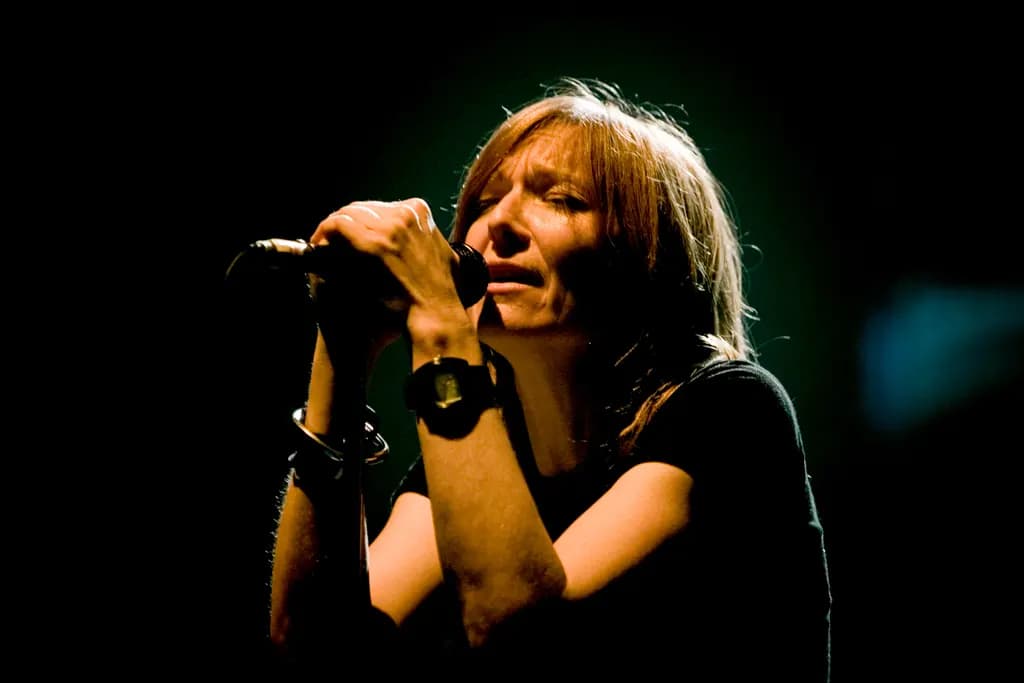
The vocals, when present, are the other half of the identity. They are usually sung, often by women, and recorded close to the microphone so they sound tired and private; Beth Gibbons of Portishead and Shara Nelson on Massive Attack's early singles set the pattern. The result sounds cinematic and slightly damaged, and it was made for headphones and late nights, not for dancefloors.
History & Origins
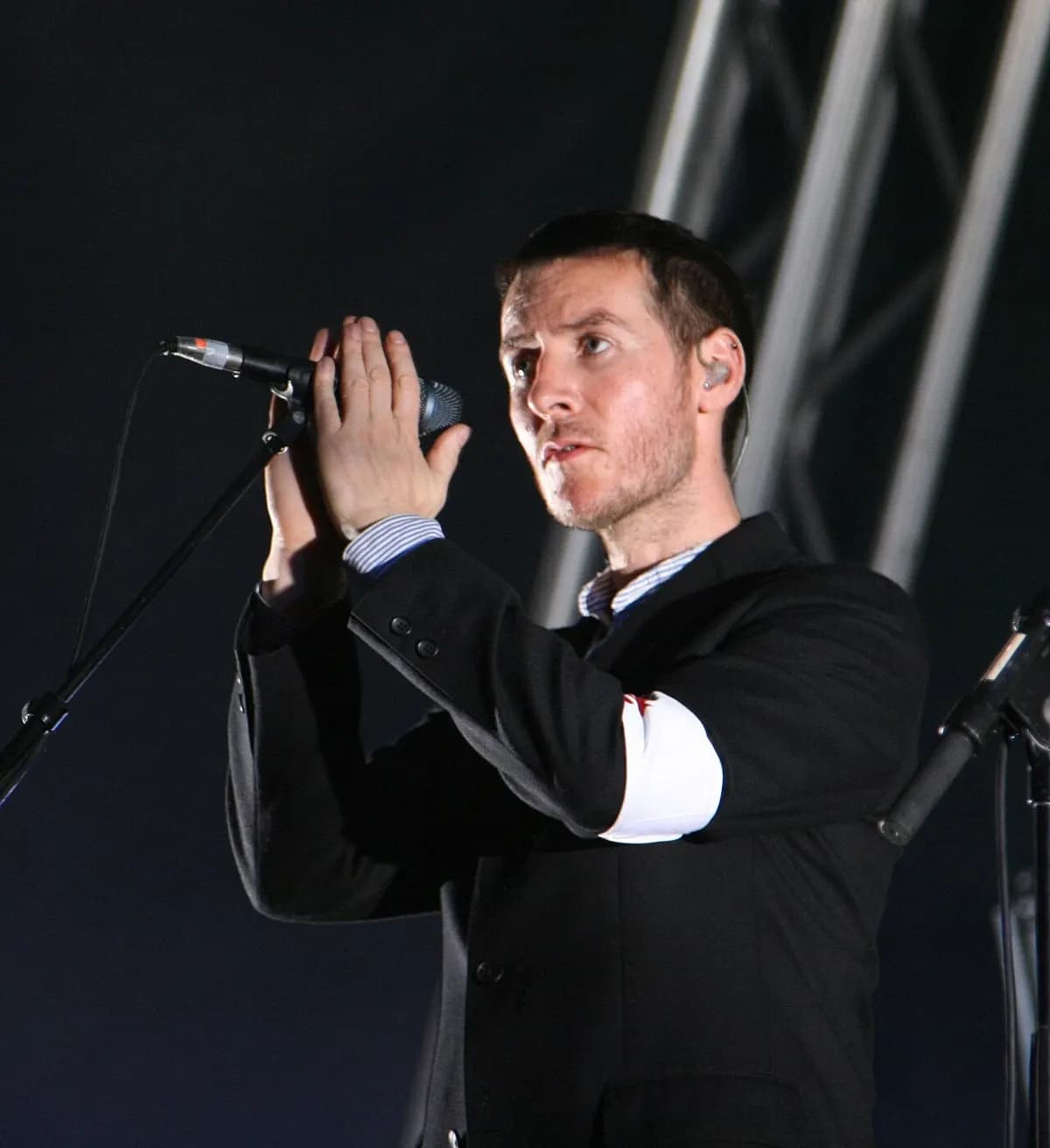
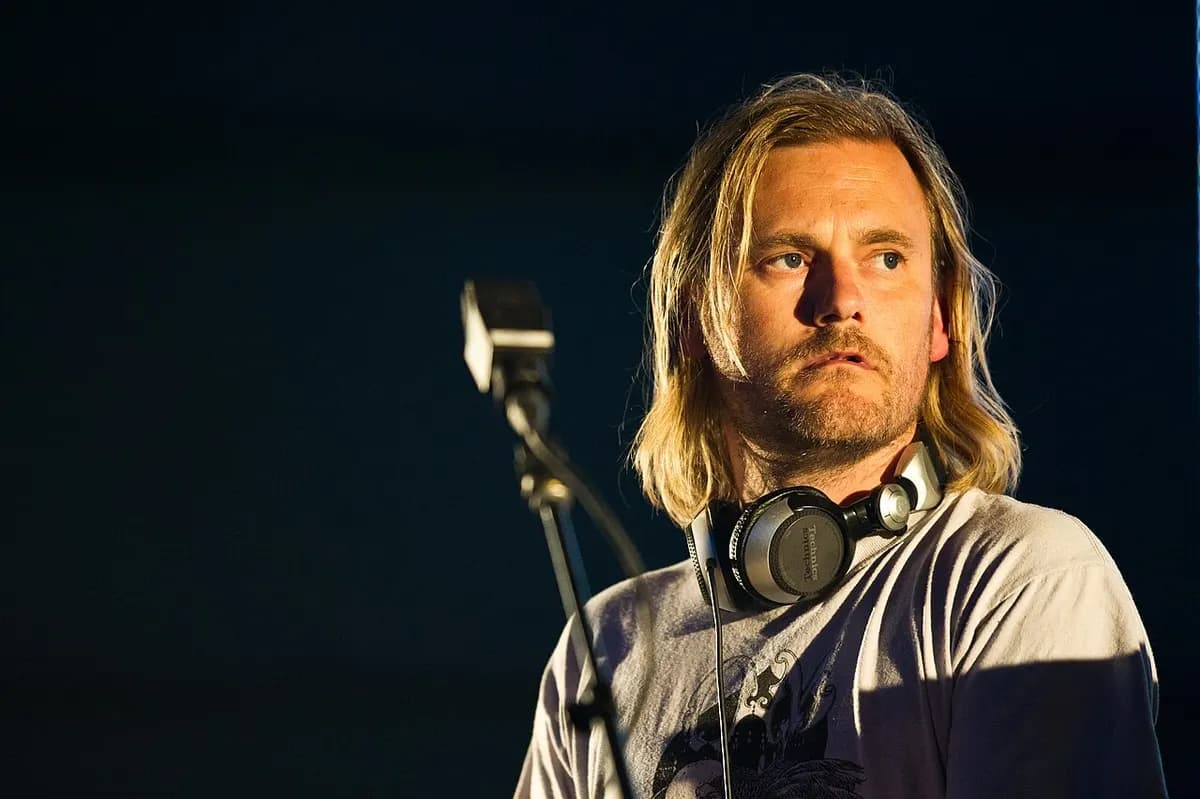
The scene came out of Bristol, a port city with a deep Jamaican sound-system culture. The Wild Bunch sound system, started by Grant "Daddy G" Marshall, DJ Milo and Nellee Hooper and later joined by Robert "3D" Del Naja and Andrew "Mushroom" Vowles, with the young Tricky around its edges, led to Massive Attack, which Marshall, Del Naja and Vowles formed in 1988. Their debut Blue Lines (1991) is usually treated as the genre's starting point: slowed hip-hop tempos, dub bass, Shara Nelson's soul vocals and a mix with a lot of empty space in it.
Portishead's Dummy (1994) won the 1995 Mercury Prize and gave the sound its best-known form: vinyl crackle, theremin-like leads, spy-film guitar and Beth Gibbons's voice. Tricky's Maxinquaye (1995) pushed it into something darker and more claustrophobic, and in Davis, California, DJ Shadow's Endtroducing..... (1996), assembled entirely from samples, extended the instrumental side of the idea.
The name itself came from the press: Mixmag journalist Andy Pemberton used "trip hop" in June 1994 to describe DJ Shadow's "In/Flux," and it spread quickly, over the objections of most of the artists it was applied to. Massive Attack and Portishead have both rejected it consistently, seeing it as a marketing convenience that flattened distinct projects into a scene.
By the late 1990s the sound had gone commercial through Morcheeba, Sneaker Pimps, Lamb, Hooverphonic, and Thievery Corporation, and was turning up in advertising and hotel-bar playlists, which wore down its credibility quickly. The influence lasted longer: lo-fi hip-hop, the atmospheric end of alternative R&B and much of what gets called "cinematic" electronic production trace back to Bristol.
Key Characteristics & Sound
What to listen for:
- Tempo: 80–110 BPM, hip-hop pace played heavier and more deliberately.
- Drums: sampled breakbeats, often slowed and compressed until they sound sluggish and enormous.
- Bass: deep, sustained, and dub-influenced, with long decays and heavy low-pass filtering.
- Samples: film scores, jazz, soul, and library music chosen for atmosphere, not groove.
- Vocals: sung, intimate, frequently female and melancholy; occasionally rapped or spoken.
- Texture: vinyl crackle and tape hiss used as instruments.
- Harmony: minor keys, unresolved progressions, and dissonant string samples.
The scene's key records differ more than the label suggests:
| Artist / record | Typical BPM | Signature |
|---|---|---|
| Massive Attack: Blue Lines | 85–100 | Dub bass, soul vocals, spacious mix |
| Portishead: Dummy | 80–95 | Vinyl crackle, spy-film guitar, theremin |
| Tricky: Maxinquaye | 80–95 | Claustrophobic, whispered, unsettling |
| DJ Shadow: Endtroducing | 85–105 | Instrumental, sample-collage, cinematic |
| Morcheeba / Sneaker Pimps | 90–110 | Polished, song-based, radio-facing |
| Thievery Corporation | 90–110 | Dub, bossa and lounge influences |
Production & Technique
Trip-hop is a producer's genre built from other records and a few key instruments:
- Samplers: Akai S-series and MPCs for breakbeats, with sections time-stretched to sit at slower tempos.
- Turntables: a source of samples and of texture; the crackle is often added on purpose.
- Dub processing: spring reverb, tape delay, and heavy filtering on bass and drums, inherited from Jamaican sound systems.
- Rhodes and analogue synths: warm chords under the beat.
- Live overdubs: guitar, strings, and horns played over sample beds. Portishead went further, pressing some of their own playing to vinyl and sampling it back to get the right wear.
- Compression: heavy and audible, making drums breathe and pump.
The genre's defining production decision is space: elements are few, and each one is given room. That restraint is what makes trip-hop sound cinematic where a busier arrangement would just sound slow.
Related Styles & Descendants
Trip-hop sits in a family of downtempo styles:
- Downtempo / chill-out: the broader umbrella of slow electronic listening music.
- Bristol sound: the geographic label preferred by many of the artists themselves.
- Instrumental hip-hop: DJ Shadow's side of the genre, later carried by RJD2 and Blockhead.
- Illbient: the darker New York variant (DJ Spooky, Sub Dub).
- Lo-fi hip-hop: the direct 2010s descendant, with the same tempo and crackle and a lighter mood.
- Alternative R&B: borrows its atmosphere and close-miked vocals (FKA twigs, early The Weeknd).
- Ambient and post-rock crossover: what is left when the beats drop out.
Notable Artists & Albums
The essential records:
- Massive Attack: Blue Lines (1991), Mezzanine (1998).
- Portishead: Dummy (1994), Third (2008).
- Tricky: Maxinquaye (1995).
- DJ Shadow: Endtroducing..... (1996).
- Morcheeba: Big Calm (1998).
- Sneaker Pimps: "6 Underground" (1996).
- Lamb: "Gorecki" (1997).
- Hooverphonic: "2Wicky" (1996).
- Thievery Corporation: The Mirror Conspiracy (2000).
- Bonobo: Dial 'M' for Monkey (2003), a later, jazz-leaning continuation on Ninja Tune.
Start with Massive Attack's "Teardrop" (1998), Portishead's "Glory Box" (1995) and DJ Shadow's "Midnight in a Perfect World" (1996).
Trip-Hop vs Lo-Fi vs Downtempo
All three share a tempo range and a fondness for vinyl noise, but they are built for different purposes:
| Trait | Trip-Hop | Lo-Fi Hip-Hop | Downtempo |
|---|---|---|---|
| Era | 1991–2001 core | 2015–present | 1990s–present |
| Tempo | 80–110 BPM | 70–90 BPM | 90–120 BPM |
| Mood | Dark, cinematic, uneasy | Warm, calm, functional | Relaxed, atmospheric |
| Vocals | Sung, central, melancholy | Rare, usually sampled speech | Occasional |
| Bass | Dub-derived, heavy | Light, jazzy | Varies |
| Intended use | Focused listening | Background and study | Chill-out rooms, listening |
How AI Detects Trip-Hop
Trip-hop gives a classifier an interesting profile: hip-hop-range tempo and breakbeat patterning, but with sustained low-frequency energy from dub bass, long reverb tails, high noise-floor content from deliberate vinyl crackle, and vocals that are sung, not rapped. The strongest single cue is hip-hop drums, a melodic female vocal and heavy reverb heard together.
Neighbouring labels sit close: without vocals the reading drifts to instrumental hip-hop or lo-fi, and with the drums pulled back it drifts to ambient. Test your own tracks in the Genre AI music genre detector and read how AI music genre detection works for the reasoning behind the spread.
Testing this genre in Genre AI ourselves, the clearest Trip-Hop readings come from tracks at 82–100 BPM that pair a heavy, slightly sluggish breakbeat with sustained dub bass, audible vinyl noise, and a sung melancholy vocal. Remove the vocal and the model prefers Lo-Fi or instrumental Hip-Hop; thin the drums and stretch the pads and Ambient climbs; brighten the mix and tighten the groove and it moves toward R&B. Trip-hop's identity is largely a matter of weight and reverb, so those neighbours are always close behind.