
Progressive house is a melodic, slow-building style of house music defined by gradual layering, long breakdowns and emotive synth leads, usually running between 124 and 130 BPM. Classic house tends to loop one groove; progressive house introduces, changes and strips back elements bar by bar, so the energy rises and falls across six minutes or more.
This guide explains what progressive house is, how it grew out of early-1990s UK club culture, the production tricks behind its "building" feeling, its main subgenres, and the DJs and producers worth knowing. Not sure whether the track you're hearing is progressive house, trance, or plain house? Play a clip into our free AI music genre detector and compare the labels it suggests.
What Is Progressive House?
Progressive house is a subgenre of house built around arrangements that keep changing instead of a single repeating loop. It keeps the four-on-the-floor kick common to all house, and layers in slowly shifting synth pads, arpeggios and melodic leads that develop over the course of a track. "Progressive" refers to this forward motion: elements are added and removed gradually, so by the time the drop arrives the track has spent minutes preparing for it.
Compared with tech house, which is tight, percussive and built for the dancefloor, progressive house is more melodic and atmospheric. Compared with trance, it is generally slower and less anthemic, leaning on groove and atmosphere where trance leans on fast arpeggiated hooks. The same style can serve a peak-time festival slot or a long, hypnotic club set.
History & Origins
Progressive house emerged in the United Kingdom in the early 1990s. The label is usually traced to journalist Dom Phillips, whose feature "Trance-Mission" in Mixmag in June 1992 described a "new breed of hard but tuneful, banging but thoughtful, uplifting and trancey British house." Leftfield's "Not Forgotten" (1990) is often cited as one of the first records in the style, and William Orbit's Guerilla Records is credited with helping a scene grow around it, blending house with dub, ambient textures and long builds.
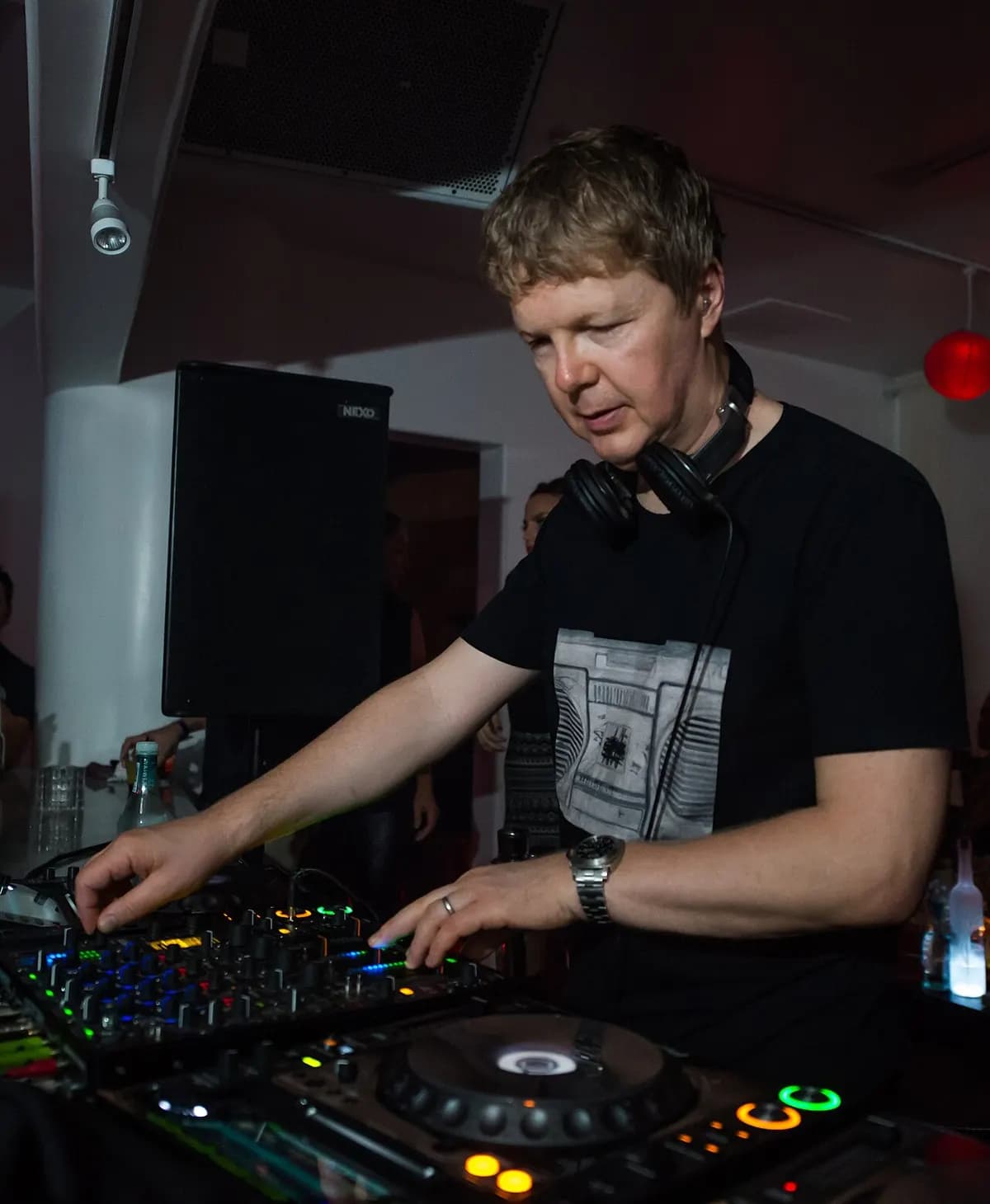
Through the mid-to-late 1990s, DJs Sasha and John Digweed became its best-known names. Their mix albums Renaissance: The Mix Collection (1994) and Northern Exposure (1996) did much to establish the genre on record, and their long sets were built around gradual progression more than instant peaks. Their residencies at Renaissance in the UK and at New York's Twilo (from about 1997 until the club closed in 2001) tied progressive house to long, immersive DJ sets.
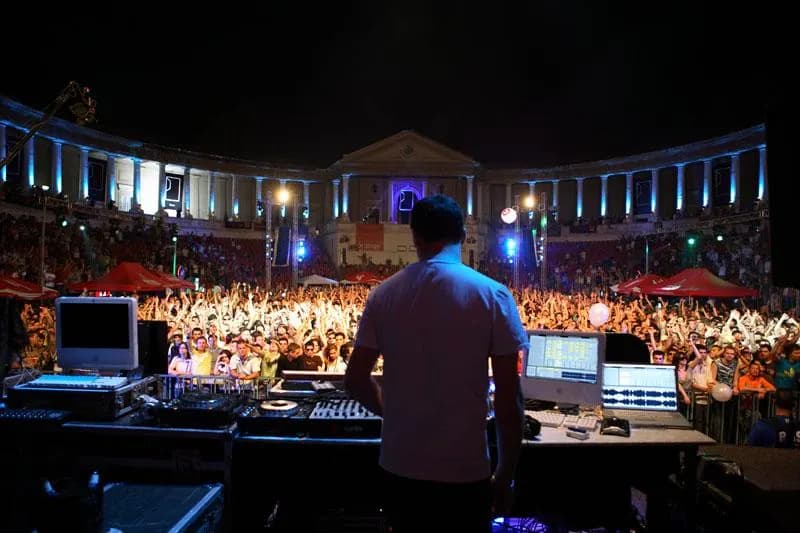
The genre changed again in the late 2000s and early 2010s. Deadmau5 and Eric Prydz kept much of the older atmospheric approach in tracks like "Strobe" and "Pjanoo", while Swedish House Mafia and Avicii fused it with big-room energy and radio-ready melodies. That "electro/progressive" sound took progressive house onto festival main stages and into the pop charts during the EDM boom.
Key Characteristics & Sound
Progressive house is recognisable by how it evolves as much as by any single sound. Typical traits include:
- Tempo: generally 124–130 BPM, with the melodic/underground strain around 122–126 and the festival strain closer to 128.
- Structure: long intros and outros, extended builds, and a breakdown before the main drop; arrangements often run 6–8 minutes.
- Layering: elements are added one at a time (a pad, then an arp, then a lead), so tension keeps rising.
- Melody: emotive synth leads and evolving chord progressions, frequently in minor keys.
- Rhythm: a steady four-on-the-floor kick with off-beat hats, plus rolling, side-chained basslines that "breathe" under the kick.
- Atmosphere: heavy use of reverb, delay and filtered sweeps for a wide, spacious feel.
If a track spends a minute or more slowly building to a melodic peak before the groove fully arrives, you are probably hearing progressive house. Tempo and feel shift by strain:
| Strain | Typical BPM | Feel |
|---|---|---|
| Melodic / Underground | 122–126 | Deep, hypnotic, journey-led |
| Classic (Sasha/Digweed era) | 124–128 | Groovy, evolving, atmospheric |
| Festival / Big-Room Prog | 126–130 | Euphoric, anthemic, huge drops |
| Progressive-Trance crossover | 128–134 | Faster, arpeggiated, uplifting |
Instruments & Production
Progressive house is almost entirely electronic and DAW-produced. Its usual toolkit and techniques include:
- Soft synths: Sylenth1, Spire, Serum and Massive for the pads, plucks and lead sounds that carry the melody.
- Side-chain compression: the "pumping" effect where pads and bass duck under every kick, one of the most recognisable sounds of the genre.
- Automation and filters: long, slow filter sweeps and volume automation that make the build feel gradual.
- Arpeggiators: evolving arp patterns that add movement without changing the underlying chords.
- Reverb and delay: long tails that make leads sound big enough for a festival stage.
The craft lies less in any one instrument than in arrangement and automation: knowing when to introduce a counter-melody, when to drop the bass out for a breakdown, and how to time its return so the drop hits hard.
Subgenres of Progressive House
Progressive house spans a wide range from underground to mainstream:
- Melodic / deep progressive: hypnotic and atmospheric; overlaps with deep house and melodic techno.
- Classic progressive: the Sasha/Digweed sound, long and evolving, groove-led and built for extended sets.
- Festival / electro progressive: the big-room, anthemic style of Swedish House Mafia and Avicii, made for main stages.
- Progressive trance: a faster crossover leaning on trance's arpeggios and uplifting energy.
- Organic / downtempo progressive: slower variants with live-instrument textures, heard on labels such as Anjunadeep and All Day I Dream.
Because it sits between genres, progressive house borders trance at its faster, more melodic edge and tech house at its groovier, more percussive edge.
Notable Artists & Tracks
Key names across the genre's eras include:
- Sasha & John Digweed: the best-known DJ partnership of the 1990s; the Northern Exposure mixes.
- Deadmau5: "Ghosts 'n' Stuff" (2008) and "Strobe" (2009), from the melodic/progressive crossover.
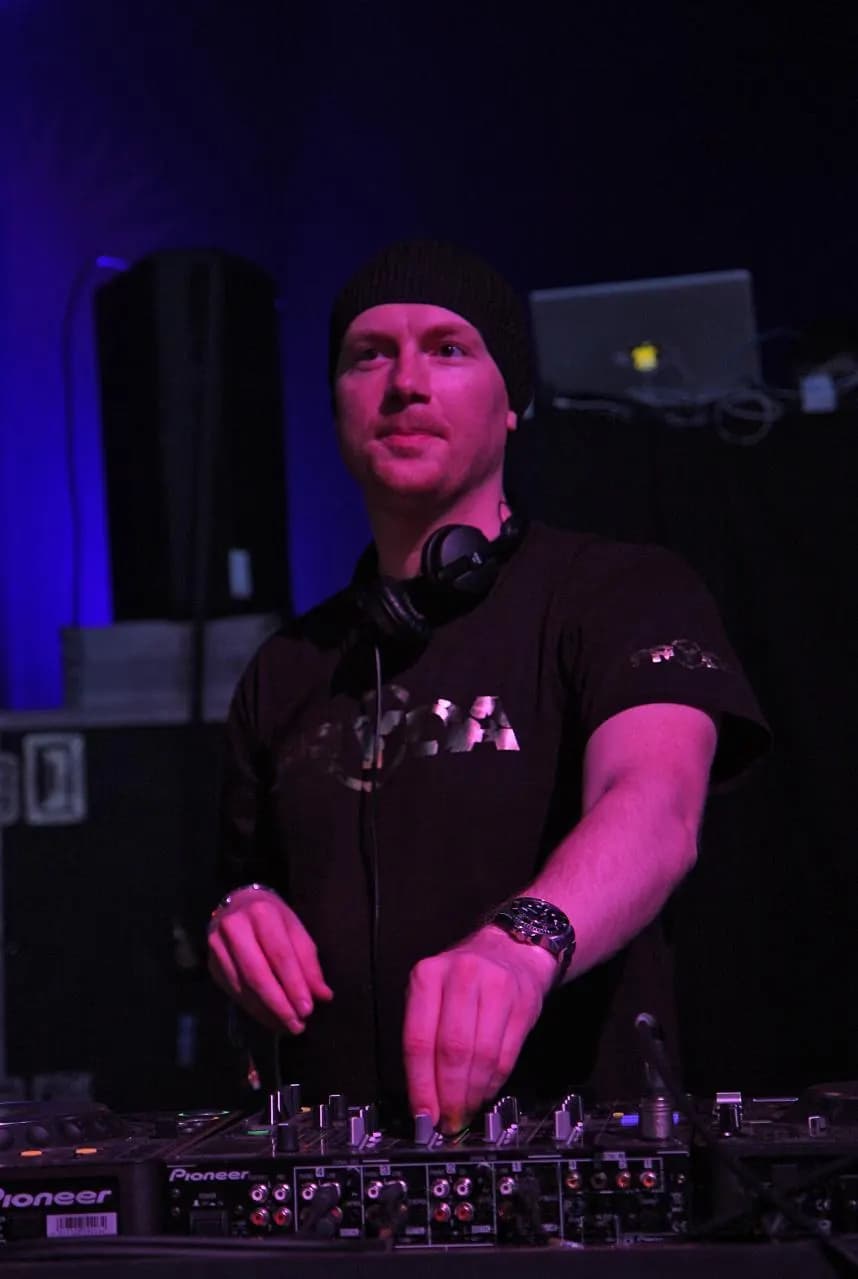
- Eric Prydz: "Pjanoo" (2008) and "Opus" (2016), the latter a nine-minute exercise in the slow build.
- Swedish House Mafia: "One" (2010) and "Save the World" (2011), anthems of the festival era.
- Avicii: "Levels" and "Fade Into Darkness" (both 2011), progressive house that crossed into global pop.
- Above & Beyond: melodic, uplifting progressive with a trance background.
- Lane 8, Yotto and the Anjunadeep roster: leading names of the modern melodic and organic revival.
Start with "Strobe," "Opus," and "One" to hear the genre stretch from underground patience to festival euphoria.
How AI Detects Progressive House
Genre AI's live model has no dedicated progressive house label. Its electronic classes include House, Deep House, Tech House, Trance and Techno, so a progressive house track should land on one of those, most often House. One quirk of the current setup: "progressive house" is among the text prompts attached to the rock label Progressive / Psychedelic Rock, so an occasional pull in that direction is possible. The model compares the audio with text descriptions of each label and returns weighted scores, not a single verdict, and it does not count BPM as a separate step; tempo and the side-chain pump matter only insofar as they shape the overall sound.
Try it yourself: open the Genre AI music genre detector, play it part of a track, and look at the second and third labels as well as the first. For the theory behind those scores, read our explainer on how AI music genre detection works.
The live Genre AI model has no Progressive House class, so expect House at the top, with Trance, Tech House or Deep House close behind. By our reasoning (not a measured test), the neighbours should move with the production: faster arps and a brighter lead favour Trance, a stripped melody and tighter percussion favour Tech House, and a slower, warmer mix favours Deep House. Read the near-neighbour scores together with the top result.