
Pop rap is hip-hop written to pop's rules: a sung, hook-first chorus, a verse-chorus structure under four minutes, familiar melodic material, and production polished for radio. It has existed almost as long as rap has been recorded and has dominated the charts in several separate waves. Its hits are a large part of why, in 2017, Nielsen's year-end figures put R&B/hip-hop ahead of rock as the most-consumed genre in the United States for the first time.
This guide covers what pop rap is, the crossover records that created it, how its production differs from underground rap, the criticism it has always attracted, and the artists who defined each era. Not sure whether a track is pop rap, pop with a rap verse, or straight trap? Play a few seconds into our free AI music genre detector.
What Is Pop Rap?
Pop rap is defined by structure and intent more than by a specific beat. AllMusic's short definition is "a marriage of hip-hop beats and raps with strong melodic hooks". A pop rap record puts the hook first, usually sung, often by a guest vocalist or by the rapper in a melodic register, and organises the verses around it. Song length is radio-shaped, the language avoids dense regional slang, and the subjects are mostly romance, celebration, ambition and heartbreak.
Production tends to borrow recognisable melodic material: a sample or interpolation of a known hit, a simple synth or piano hook, and a mix that keeps the vocal bright and forward. There is no fixed tempo. Older pop rap moves at ordinary hip-hop speeds, while trap-era productions are often counted at 130–150 BPM with a half-time feel. The result is meant to work on a first listen, which is what its critics have always objected to and why it sells.
History & Origins
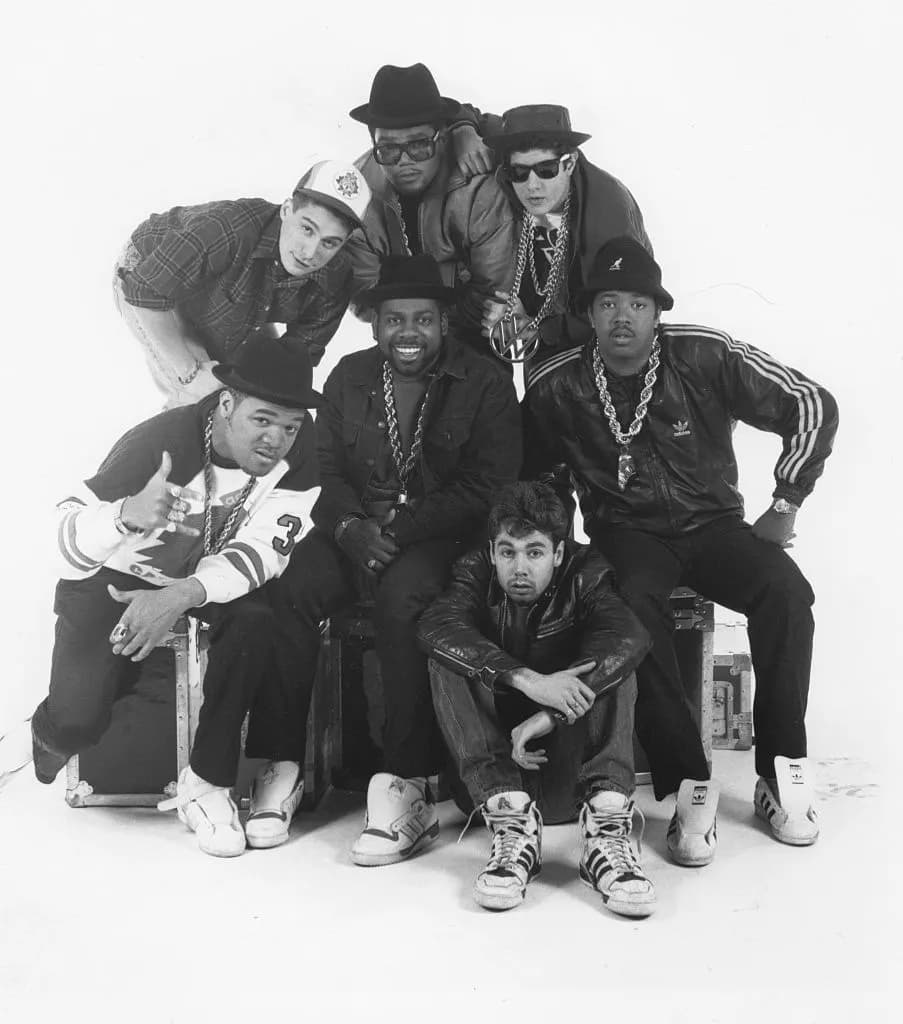
Rap crossed into pop almost immediately: the Sugarhill Gang's "Rapper's Delight" (1979) was built on the bassline of Chic's "Good Times". LL Cool J has been called the first pop rapper on the strength of his 1985 debut album Radio, and MTV described his 1987 ballad "I Need Love" as one of the first pop rap crossover hits. The format's landmark came in July 1986, when Run-D.M.C. released "Walk This Way" with Aerosmith; it reached No. 4 on the Billboard Hot 100, the first hip-hop single in the top five, and its video got a rap act onto a rock-oriented MTV. The Beastie Boys' Licensed to Ill followed the same year, and DJ Jazzy Jeff & The Fresh Prince won the first Grammy for Best Rap Performance in 1989 with the clean, funny "Parents Just Don't Understand".
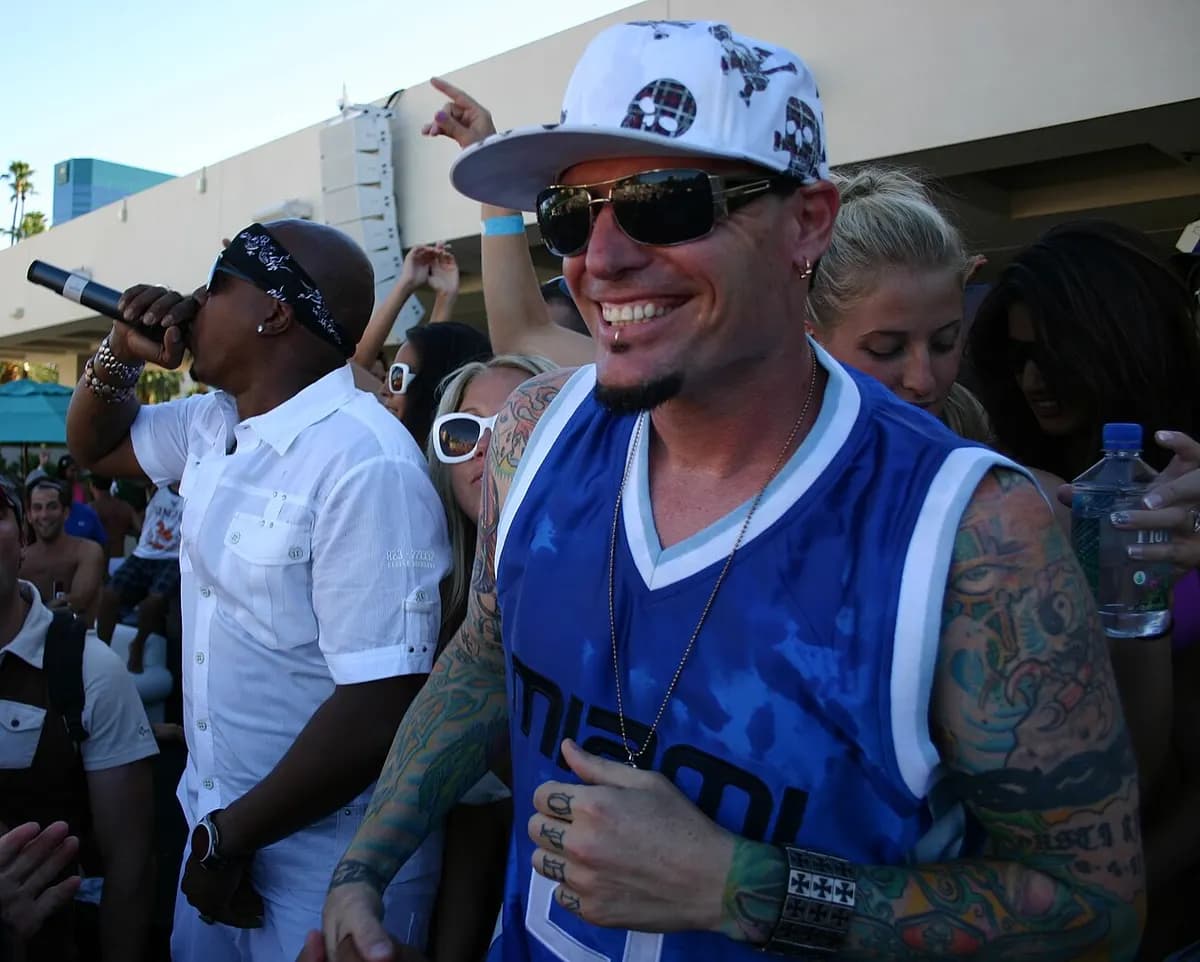
The first commercial peak came in 1990 with MC Hammer's "U Can't Touch This", built on Rick James's "Super Freak", and Vanilla Ice's "Ice Ice Baby", which lifted the bassline of Queen and David Bowie's "Under Pressure". Both sold enormously, both were derided for borrowing, and the "Ice Ice Baby" dispute was settled out of court, with Queen and Bowie added as songwriters. The late 1990s brought a second wave through Puff Daddy and Bad Boy, whose productions interpolated 1980s hits wholesale ("I'll Be Missing You" is built on the Police's "Every Breath You Take"), and through Will Smith and Missy Elliott.
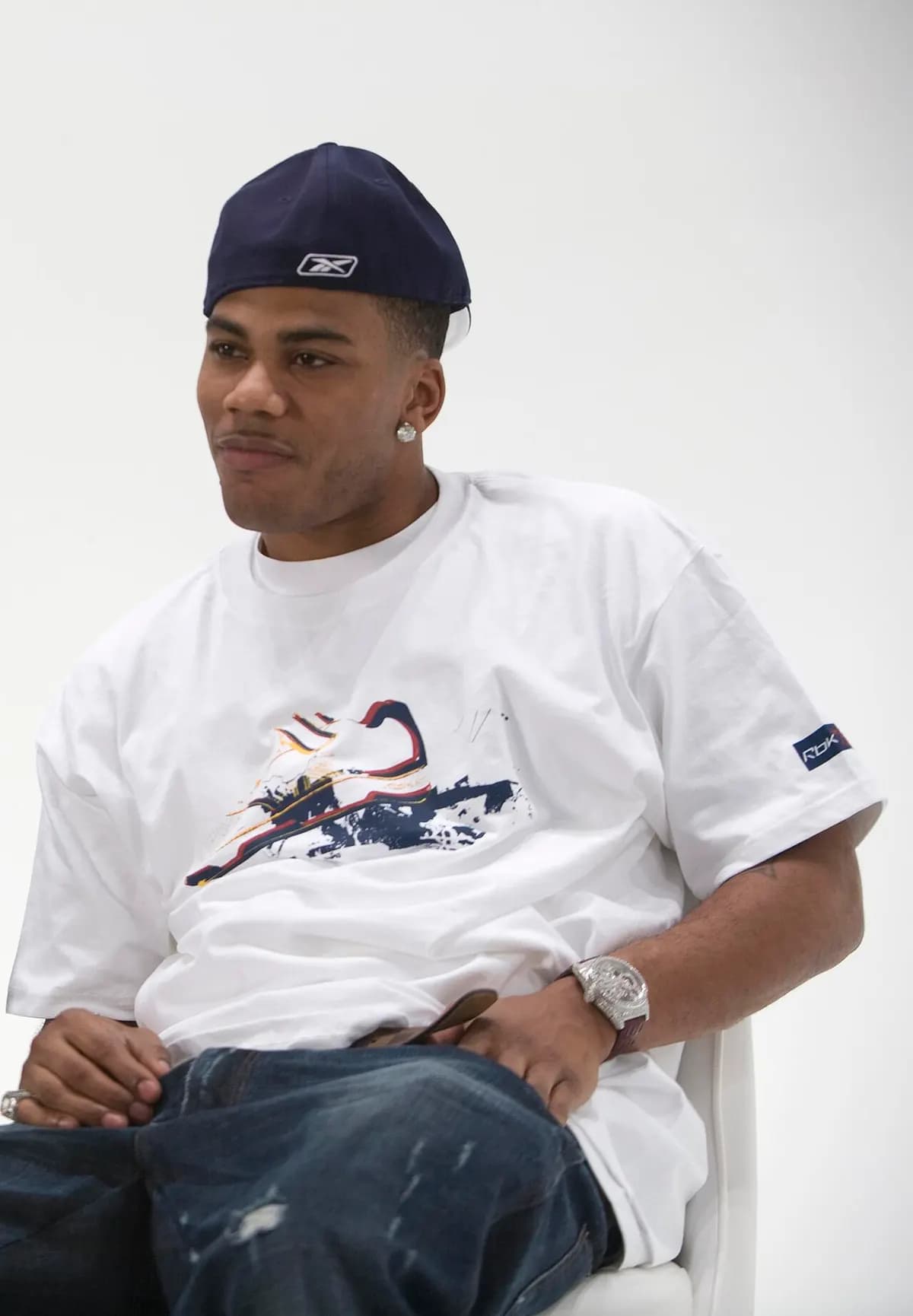
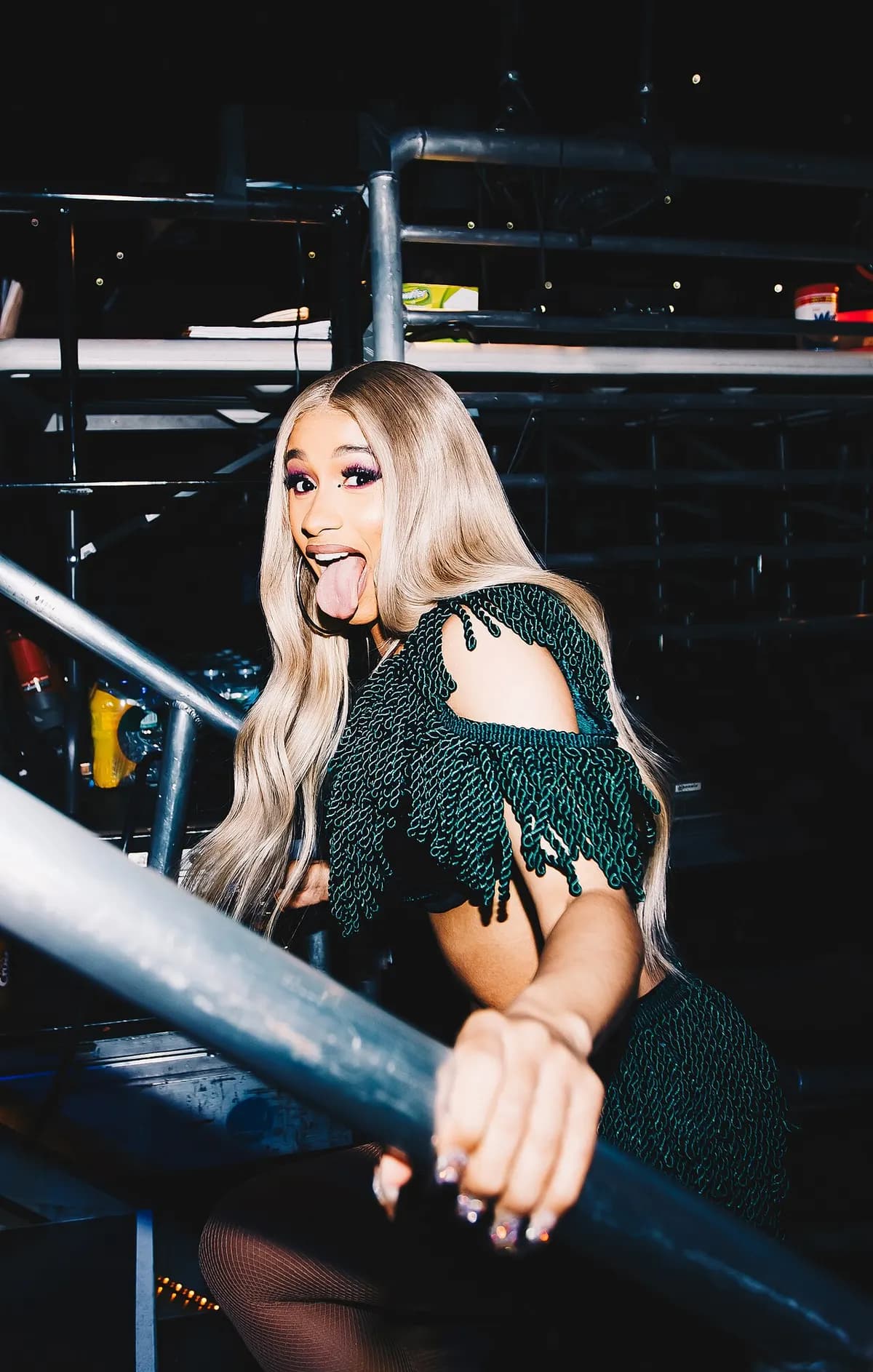
In the 2000s the boundary largely dissolved. Nelly's "Hot in Herre" topped the Hot 100 in 2002; the Black Eyed Peas, Flo Rida and Pitbull merged rap with dance and house production; Drake made singing and rapping interchangeable within a single verse. Post Malone, Travis Scott and Cardi B later showed that a record could top the pop chart while remaining structurally a rap record. Today "pop rap" describes a commercial position more than a separate sound.
Key Characteristics & Sound
What identifies a pop rap record:
- Hook first: a sung, memorable chorus that arrives early and repeats often.
- Tempo: no fixed range; trap-era pop rap is often counted at 130–150 BPM in half-time.
- Familiar melody: interpolations and samples of known hits, or a hook simple enough to feel familiar.
- Structure: intro, verse, chorus, verse, chorus, bridge. Pop architecture, not open-ended verses.
- Guest vocalists: a sung feature is close to standard.
- Production: bright, compressed and vocal-forward, with a clean low end.
- Lyrics: broadly relatable, low on regional detail, usually easy to edit for radio.
Each era had a recognisable production signature:
| Era | Years | Typical BPM | Production signature |
|---|---|---|---|
| Crossover | 1986–1989 | 95–110 | Rock guitars, live drums, novelty energy |
| Sample-pop peak | 1990–1993 | 100–115 | Whole-hook samples of 80s hits |
| Bad Boy / shiny suit | 1996–2000 | 90–105 | Interpolated 80s pop, lush strings |
| Club rap | 2001–2010 | 95–130 | Dance and crunk hybrids, chant hooks |
| Melodic rap | 2011–present | 130–150 (half-time) | Trap drums, sung-rapped delivery, Auto-Tune |
The Authenticity Debate
Few rap styles have been argued about as persistently. Since MC Hammer, pop rap has been accused of diluting hip-hop for a mass audience, of relying on other people's melodies, and of stripping the music of its political content; music journalist Wilson McBee has written that a pop rapper is "assumed to be a sellout". The counter-argument is just as old: crossover records funded the industry that underground rap operates in and brought listeners who then went deeper. Writing a hook that hundreds of millions of people remember is also a craft of its own.
The debate has aged unevenly. Nelly's "Hot in Herre" and "Dilemma" held the Hot 100's top spot back to back through much of summer 2002, twelve years after "Ice Ice Baby" had become the first hip-hop single to top that chart in November 1990. Since Drake, the pop and rap charts have overlapped so much that there is no longer a clean line to police.
Related Styles
Pop rap overlaps with several neighbouring formats:
- Rap rock / rap metal: the crossover with guitars (Run-D.M.C. and Aerosmith, later nu metal).
- Club rap / crunk-pop: chant hooks over dance-oriented production (Lil Jon, Flo Rida).
- Melodic rap / emo rap: sung-rapped delivery with confessional lyrics (Drake, Juice WRLD, Post Malone).
- Dance-rap: rap verses over four-on-the-floor dance production (Black Eyed Peas, Pitbull).
- R&B-rap hybrid: the sung-feature format common on modern charts, sitting between rap and R&B.
Notable Artists & Tracks
A chronological route through the format:
- Run-D.M.C. & Aerosmith: "Walk This Way" (1986).
- DJ Jazzy Jeff & The Fresh Prince: "Parents Just Don't Understand" (1988).
- MC Hammer: "U Can't Touch This" (1990).
- Vanilla Ice: "Ice Ice Baby" (1990).
- Puff Daddy: "I'll Be Missing You" (1997).
- Will Smith: "Gettin' Jiggy wit It" (1998).
- Nelly: "Hot in Herre", "Dilemma" (2002).
- Black Eyed Peas: "I Gotta Feeling" (2009).
- Drake: "Hotline Bling" (2015), "God's Plan" (2018).
- Post Malone: "Rockstar" (2017), "Circles" (2019).
- Cardi B: "Bodak Yellow" (2017), "I Like It" (2018).
Start with "Walk This Way", "U Can't Touch This" and "God's Plan" to hear how far the format travelled in three decades.
Pop Rap vs Hip-Hop vs Pop
Pop rap sits between two larger genres and takes structure from one and delivery from the other:
| Trait | Pop Rap | Hip-Hop | Pop |
|---|---|---|---|
| Lead vocal | Rapped verses, sung chorus | Rapped throughout | Sung throughout |
| Structure | Pop verse-chorus | Open verses, variable | Verse-chorus-bridge |
| Length | Under 4 minutes | Any | Under 4 minutes |
| Melody source | Interpolations, guest singers | Samples, original beats | Original topline |
| Target | Radio and charts | Culture and craft first | Charts |
| Lyrics | Broad, relatable | Specific, regional, dense | Broad, relatable |
How AI Detects Pop Rap
Pop rap is a difficult target for an audio classifier, because it sits between hip-hop and pop as a commercial position more than an acoustic category. What the model can read is the alternation between unpitched rapped verses and clearly pitched sung choruses, pop-standard section lengths, bright vocal-forward mastering, and harmony that resolves conventionally.
Genre AI does have a Pop Rap label, one of five fine labels under the coarse Rap Hip-Hop category, and its text prompts include the bare word "rap" along with "emo rap" and "sad rap". So a rap track with a sung hook is likely to land there, with Contemporary RnB, Trap or Gangsta as possible alternatives. Try it in the Genre AI music genre detector and read why songs have multiple genres for why one label is often the wrong question.
In Genre AI, Pop Rap is a real answer: a fine label under the coarse Rap Hip-Hop category, alongside Contemporary RnB, Gangsta, Jazzy HipHop and Trap. Because its text prompts include the plain word "rap", it is likely to be a common result for rap in general, so a Pop Rap reading says less about chart ambitions than the name suggests. The alternatives can only be those sibling labels: Contemporary RnB when the hook is soulful, Trap when the drums are modern 808s and hi-hats. The coarse Pop and R&B labels have no subgenres and rarely win over Rap Hip-Hop, so a track that is mostly singing with one rap verse may still be read as rap. A track with no rap at all is likely to go elsewhere entirely.