
Hardcore is the fastest, hardest branch of electronic dance music, built on a distorted, pounding kick drum and tempos that typically run from 160 to 200 BPM and beyond. It came out of the rave scenes of the late 1980s and early 1990s in the Netherlands, Belgium and Germany, and is best known through its Rotterdam form, gabber. Hardcore keeps the four-on-the-floor pulse of house and techno and makes it louder, faster and deliberately extreme.
This guide covers what electronic hardcore is, where it came from, how to recognise it by ear, how it is produced, the subgenres from gabber to happy hardcore, and the artists who defined the sound. The same word also names hardcore punk, an aggressive guitar genre covered in its own guide; this page is about the electronic one. To see how a frantic track reads to a classifier, drop a clip into our free AI music genre detector.
What Is Hardcore Music?
In electronic dance music, hardcore (sometimes "hardcore techno") is a family of fast, heavy, kick-driven styles made for maximum intensity on the dancefloor. Its signature is a distorted, overdriven bass-kick, the "gabber kick", that dominates the mix, combined with very fast tempos, screaming synth stabs, hoover sounds and sampled vocals that are either confrontational or euphoric. House sits around 120–130 BPM and techno usually somewhat faster; hardcore starts well above both.
The family covers a wide range. At one end sits raw, dark gabber and its extreme offshoots; at the other, bright, bouncy happy hardcore packed with piano riffs and sped-up vocals. Speed and distortion are what they share. It is a different genre from hardcore punk, the fast, abrasive 1980s guitar-band style of Black Flag and Minor Threat, which shares the name but none of the drum machines.
History & Origins
Electronic hardcore grew out of the rave scene. In Frankfurt, Marc Acardipane's 1990 track "We Have Arrived", released as Mescalinum United, is often regarded as the first hardcore techno record. In Britain, "hardcore" became the name for the harder breakbeat rave sound of around 1990–1992; Together's "Hardcore Uproar" (1990) is one of the earliest uses of the word there. That UK strand later split into happy hardcore and jungle, which led on to drum and bass.
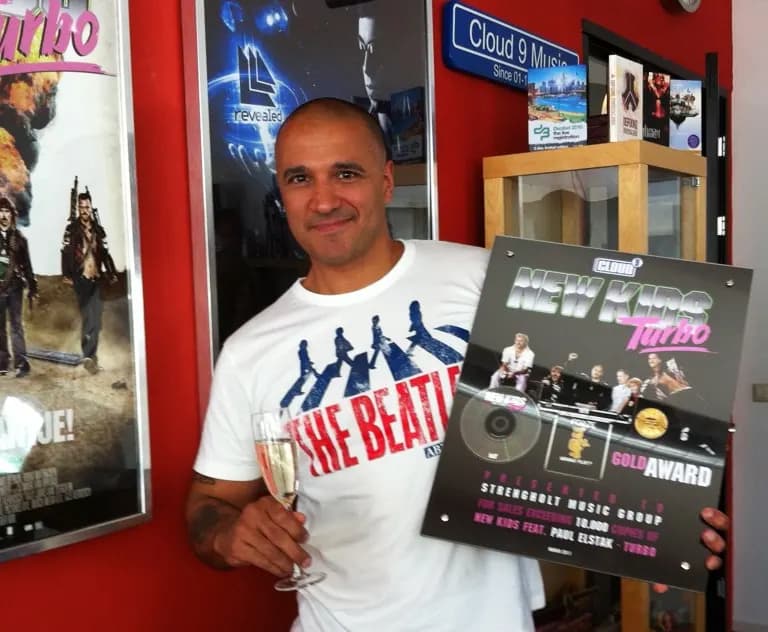
The best-known strain came from the Netherlands. In Rotterdam in the early 1990s, DJs and producers such as Paul Elstak and Rob Fabrie popularised gabber, an overdriven, clipped kick drum running at roughly 140–190 BPM. The word itself is Amsterdam slang (Bargoens) for "mate", from the Hebrew chaver by way of Yiddish. Elstak founded Rotterdam Records in 1992, the first hardcore label in the Netherlands; Mokum Records followed in Amsterdam in 1993. Rotterdam Termination Source's "Poing" reached number 27 in the UK singles chart in November 1992. ID&T launched Thunderdome in 1993, and its compilations and parties spread the sound across Europe; the 2019 edition drew almost 40,000 people.
Through the mid-1990s hardcore kept branching: happy hardcore brought bright piano and rave euphoria to the UK, while darker producers pushed into speedcore, now usually defined as 300 BPM and above. As gabber's popularity waned at the end of the 1990s, the Dutch scene also produced a slower, cleaner relative, hardstyle, which went on to overtake gabber at large festivals. Hardcore itself never stopped; Angerfist entered the DJ Mag Top 100 at number 39 in 2011, and from the mid-2010s the scene's usual tempo moved from around 160–180 BPM toward 200 and above.
Key Characteristics & Sound
You can usually pick out hardcore by these traits:
- Tempo: very fast, typically 160–200 BPM, with extremes such as speedcore far higher.
- The kick: a heavily distorted, overdriven, often pitched bass-kick is the defining element, carrying both rhythm and bass.
- Rhythm: relentless four-on-the-floor drive, sometimes with rolling or "double" kicks.
- Synths: screeching hoover leads, detuned stabs and rave-era saw synths.
- Vocals: pitched-up chipmunk vocals in happy hardcore; shouted or sampled shouts in gabber and darker styles.
- Attitude: deliberately extreme, either euphoric or dark and confrontational.
Tempo and mood shift a lot across the hardcore family, so BPM is a useful first clue, though published ranges vary:
| Subgenre | Typical BPM | Feel |
|---|---|---|
| Happy Hardcore | 165–180 | Bright, euphoric, piano-led |
| UK Hardcore | 170–185 | Melodic, uplifting, vocal |
| Gabber / Mainstream Hardcore | 140–190 | Raw, distorted, aggressive |
| Early Rave / Breakbeat Hardcore | 150–170 | Breakbeats, ravey stabs |
| Frenchcore | 180–210 | Rolling kick, hypnotic |
| Speedcore / Terrorcore | 300+ (extratone 1000+) | Extreme, chaotic, brutal |
Instruments & Production
Hardcore is a producer's genre. Its instruments are drum machines, synths and, above all, distortion. The classic toolkit includes:
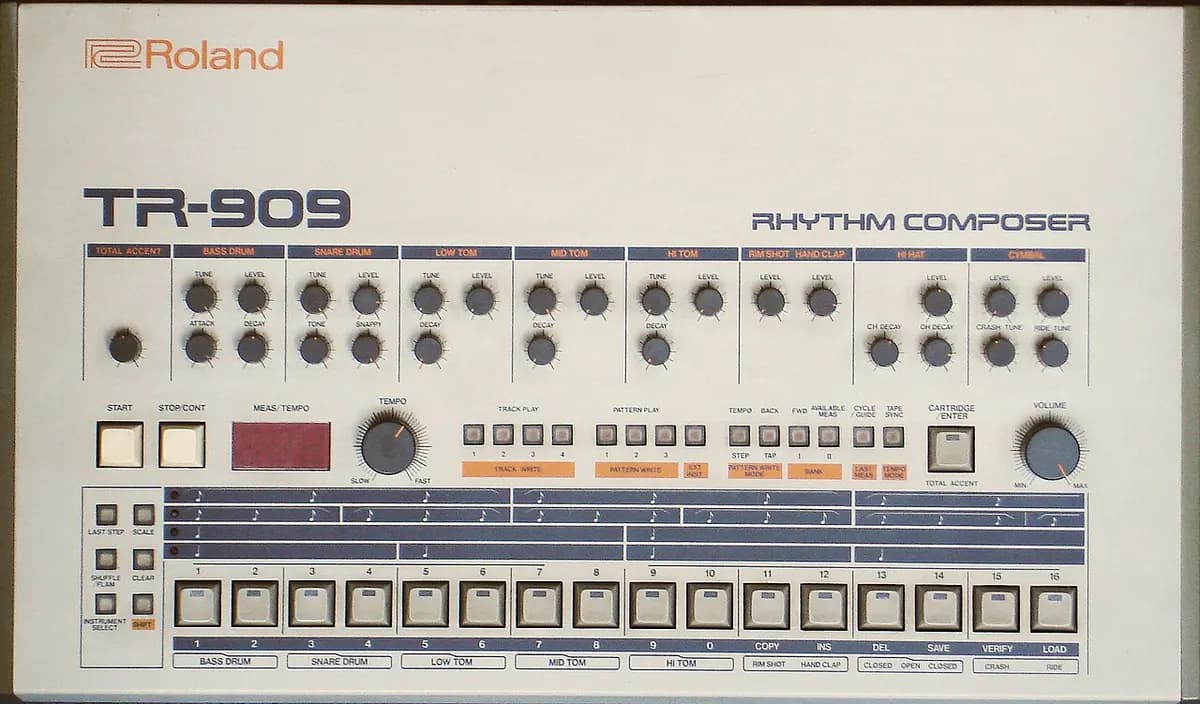
- The distorted kick: usually a Roland TR-909 kick (or a synthesised sine) pushed hard through overdrive, distortion and clipping until it growls. Nothing in the genre matters more.
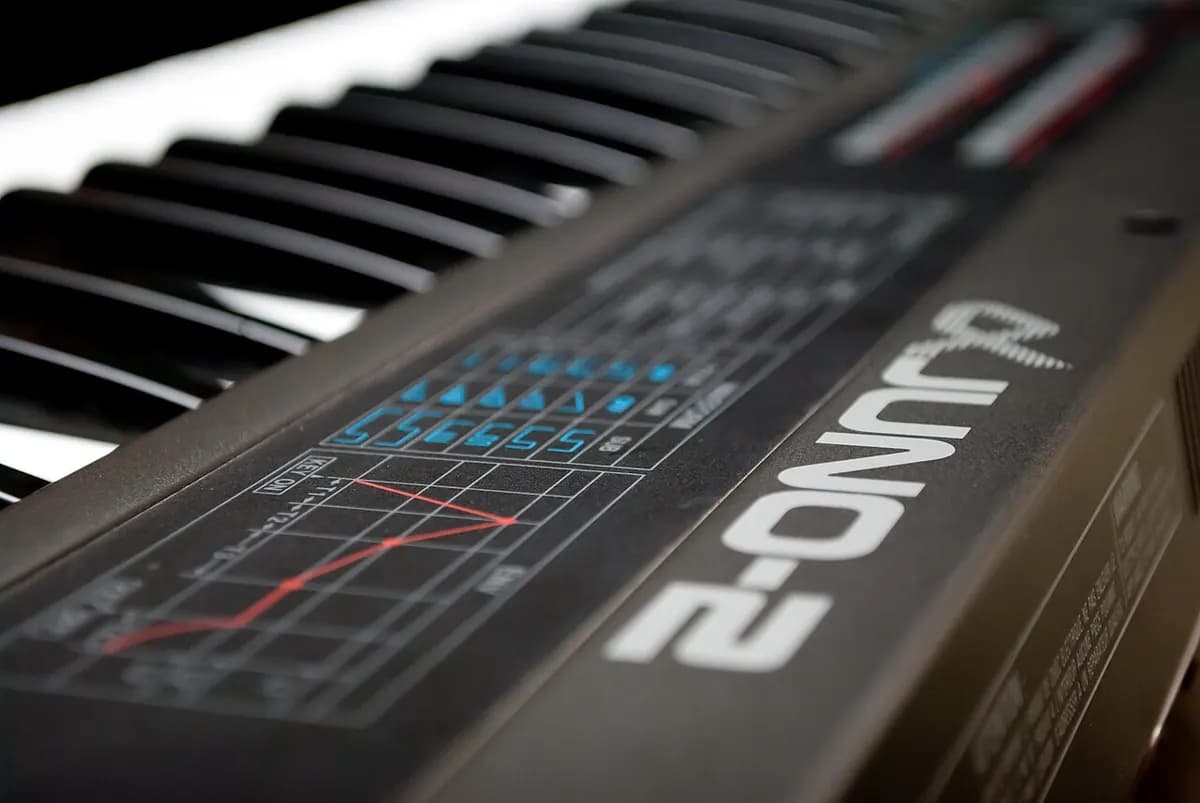
- Hoover synths: the Roland Alpha Juno "hoover" patch, a rave staple used for screaming leads.
- Samplers: Akai and E-mu units for chopping vocals, rave stabs and shouted phrases.
- Pianos and supersaws: bright piano riffs and detuned saw chords, central to happy and UK hardcore.
- Pitched vocals: vocal samples sped up or pitched high for the euphoric happy-hardcore effect.
Production centres on kick design: producers layer, tune and distort the kick so it works as both percussion and bassline, then sidechain the rest of the mix around it. Today most hardcore is made in a DAW with software distortion and synth emulations, but the pounding kick is still where every track starts.
Subgenres of Hardcore
Hardcore has split into many recognisable styles:
- Gabber: the raw, distorted Rotterdam sound and the archetypal hardcore.
- Happy Hardcore: bright, euphoric, piano- and vocal-led, huge at 1990s UK raves.
- UK Hardcore: the later melodic development of happy hardcore, polished and uplifting.
- Frenchcore: rolling, hypnotic kicks, usually quoted somewhere between 180 and 210 BPM, associated with France.
- Uptempo Hardcore: a faster, harder Dutch style (180–200+ BPM) with a screeching kick.
- Terrorcore and Speedcore: extreme, chaotic offshoots; speedcore is usually counted from about 300 BPM.
- Breakbeat or Rave Hardcore: the early-90s breakbeat-driven sound that fed into jungle.
- Industrial Hardcore: dark, textured, techno-influenced hardcore.
Several of these sit close to neighbouring genres: uptempo and mainstream hardcore border hardstyle, breakbeat hardcore borders jungle, and the whole family shares rave roots with trance and techno.
Hardcore vs Hardstyle vs Drum and Bass
Hardcore is easy to confuse with its fast relatives. All three are high-energy, but the rhythm, tempo and kick differ:
| Trait | Hardcore | Hardstyle | Drum and Bass |
|---|---|---|---|
| Tempo | 160–200+ BPM | 150–160 BPM (early hardstyle 135–150) | 160–180 BPM |
| Beat | Four-on-the-floor, distorted kick | Four-on-the-floor, 'reverse bass' kick | Breakbeat (fast broken drums) |
| Feel | Extreme, pounding, relentless | Melodic, bouncy, powerful | Rolling, syncopated, bass-heavy |
| Origin | Netherlands, Germany, Belgium, UK; late 1980s–early 1990s | Netherlands, Belgium, Italy; late 1990s | UK, mid 1990s |
| Kick role | Distorted kick = rhythm + bass | Kick + tuned reverse-bass tail | Kick/snare over a deep sub-bass |
Notable Artists & Tracks
Foundational and influential hardcore acts include:
- Rotterdam Termination Source: "Poing" (1992), a UK top-30 hit from the early Rotterdam scene.
- Neophyte: long-running gabber and hardcore act, on the first Thunderdome compilations in 1993.
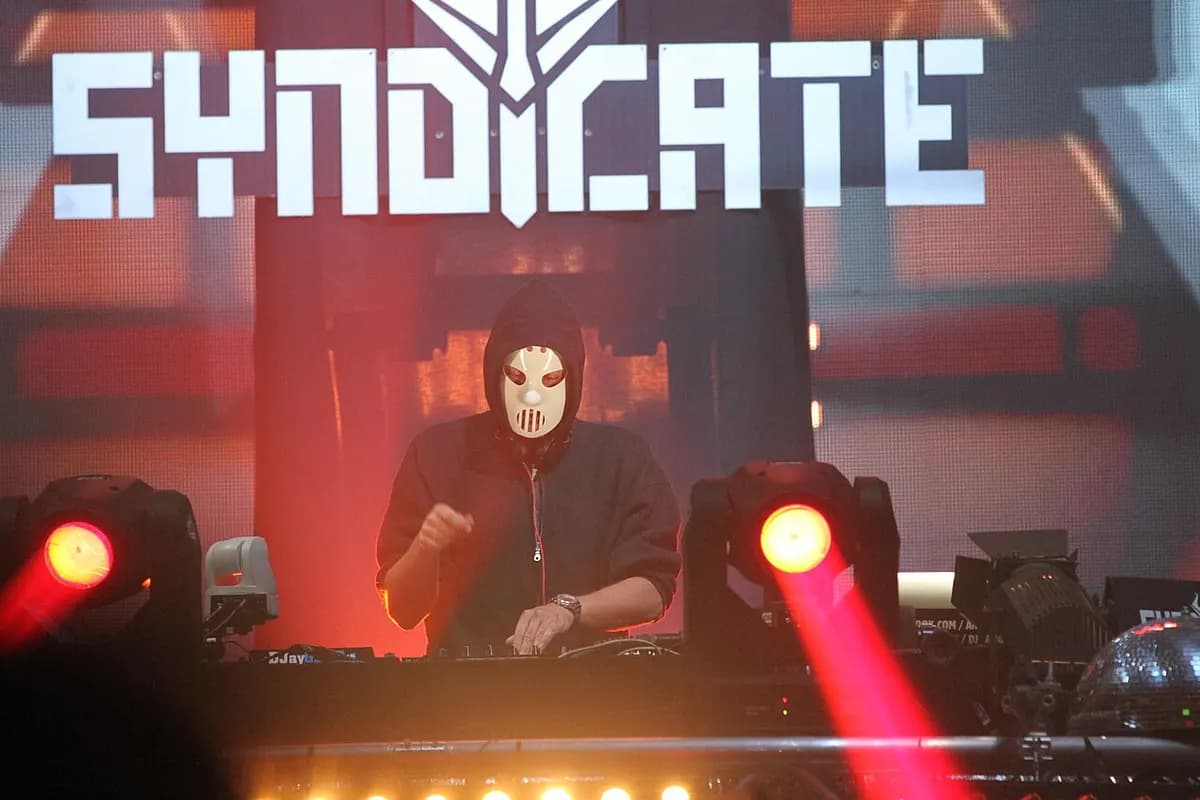
- Angerfist: one of the most popular modern mainstream-hardcore artists; DJ Mag Top 100 entry in 2011.
- Scooter: "Hyper Hyper" (1994), which took a rave and hardcore energy into the German charts.
- DJ Paul Elstak: founder of Rotterdam Records; his happy-hardcore track "Rainbow in the Sky" reached number 3 in the Netherlands in 1995.
- Hixxy and Sharkey: UK happy-hardcore DJs who mixed the first Bonkers compilation for React in 1996.
- Marc Acardipane (also The Mover and Mescalinum United): Frankfurt producer and co-founder of Planet Core Productions, behind "We Have Arrived" (1990).
To hear the arc, start with "We Have Arrived" and "Poing", move to "Rainbow in the Sky", and end with a recent Angerfist set.
How AI Detects Hardcore Music
Hardcore's most obvious audio fingerprint is a very high tempo combined with a distorted, overdriven kick that fills the low and low-mid frequencies. Hoover leads and rave stabs, piano and pitched vocals in happy hardcore, and shouted samples in gabber add to the picture. Genre AI's production taxonomy has no hardcore or hardstyle label, so the answer comes back as the nearest broad family, not as the subgenre.
The likely result is the Electronic Dance family, with Techno, Trance or Breakbeat / Drum & Bass on top depending on the track. One quirk: the words "hardcore", "happy hardcore", "UK hardcore" and "hardstyle" are among the text prompts of the Hard Rock label, so a heavily distorted kick may pull a hardcore track into the Rock family as Hard Rock. Try a clip in the Genre AI music genre detector, and read our breakdown of how AI music genre detection works for the theory behind the call.
Genre AI has no Hardcore label for the electronic genre, and no Hardstyle label either, so expect a broader answer. Gabber and mainstream hardcore, built on a four-on-the-floor kick, are likely to come back in the Electronic Dance family as Techno. Happy and UK hardcore, with bright pianos, supersaws and pitched vocals, may lean toward Trance, and breakbeat-driven rave hardcore toward Breakbeat / Drum & Bass. The alternatives shown come only from the same family. There is also a less obvious outcome: because "hardcore", "happy hardcore", "UK hardcore" and "hardstyle" appear among the text prompts of Hard Rock, a track dominated by distortion may be placed in the Rock family and labelled Hard Rock. None of these is a measured result; they are the readings the taxonomy makes most plausible.