Eurodance is the sound of European pop radio in the 1990s: a four-on-the-floor beat somewhere between 120 and 150 BPM, a big synth hook, a sung female chorus and a male rap verse. It took shape in Germany, Italy, Belgium and the Netherlands at the turn of the decade, and in 1995 eurodance records held five places in the European top ten. Few formulas in dance music are as easy to recognise.
This guide covers what eurodance is, how it emerged from italo disco, hi-NRG, and early rave, the anatomy of its famous vocal formula, its offshoots, and the artists who defined it. Not sure whether a track is eurodance, trance, or 90s house? Play a few seconds into our free AI music genre detector.
What Is Eurodance?
Eurodance is commercial European dance-pop built to a repeatable formula. The rhythm is a hard four-on-the-floor kick with offbeat hi-hats and an emphatic snare or clap on beats two and four. Over it sit bright synth stabs, a simple sawtooth or piano-style hook, and a bassline that follows the chord root. The songs are short and chorus-first, made for radio, music television and holiday-resort clubs.
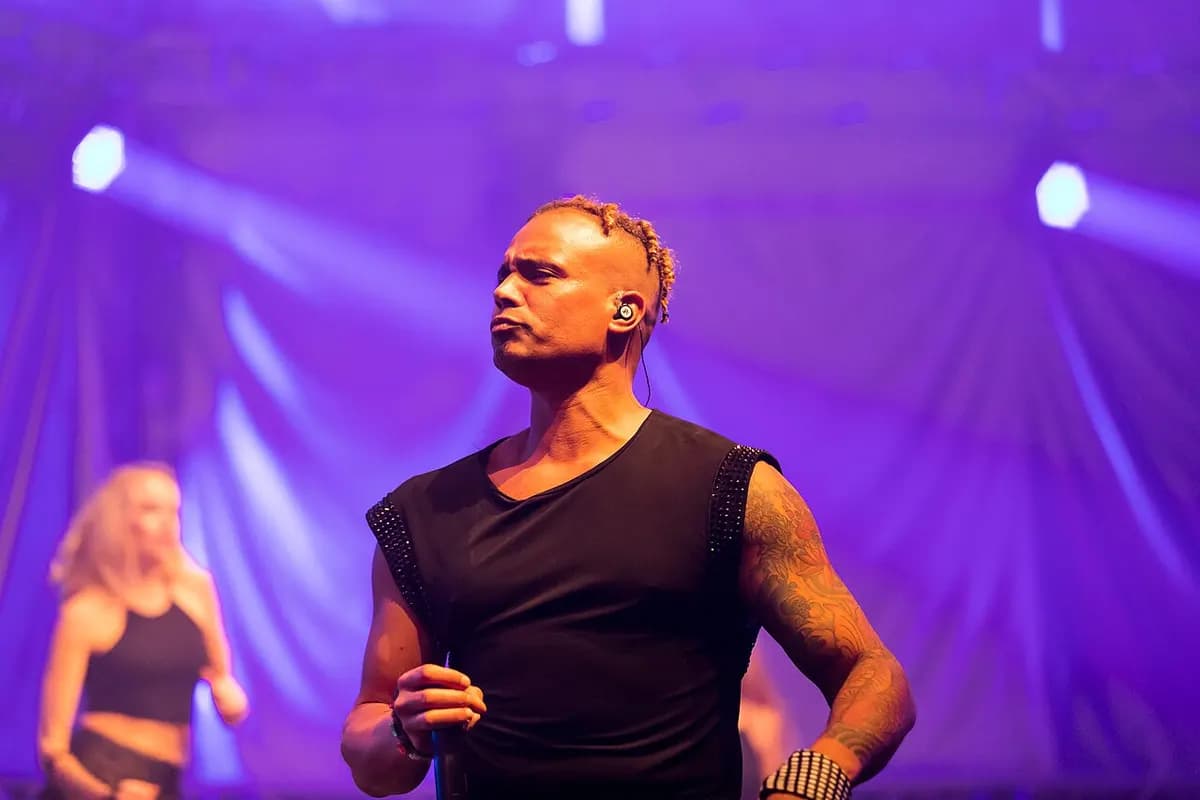
The defining feature is the vocal arrangement: a powerful, often gospel-inflected female vocal delivers the chorus, and a male MC raps the verses. That contrast of sung hook and rapped verse recurs across hundreds of records, and it is the quickest way to tell the genre apart from other 90s dance pop. The singers and rappers were often hired performers from the US or the UK fronting a project run by German, Italian or Dutch producers. Lyrics stick to love, freedom, dancing and self-belief, in English, for a market where English was rarely anyone's first language.
History & Origins
Eurodance came out of the collision between three things at the end of the 1980s: the electronic pop tradition of italo disco and hi-NRG, the arrival of house and rave in Europe, and the international spread of hip-house, which put rapped verses on house tracks. Germany's Snap! ("The Power," 1990) and Belgium's Technotronic ("Pump Up the Jam," 1989) supplied the template before the genre even had a name. Snap! was a Frankfurt production project of Michael Münzing and Luca Anzilotti, and "The Power" went to number one in the UK, the Netherlands, Spain and Switzerland.
The golden era ran from about 1992 to 1995, with a long tail to 1997. 2 Unlimited ("No Limit"), Haddaway ("What Is Love"), Culture Beat ("Mr. Vain"), La Bouche ("Be My Lover"), Corona ("The Rhythm of the Night"), Dr. Alban, Real McCoy, Captain Hollywood Project, and DJ BoBo filled European charts continuously, and many of them were producer-led projects in which the studio team wrote and recorded the music and the performers on stage were hired for it. Sweden's Ace of Base sat on the pop side of the same wave.
Sales started to fall around 1996, and by 1997 house and trance had overtaken eurodance in the European charts. The formula splintered into euro-trance and, later, hands up in Germany, into bubblegum dance, and into harder Dutch and Italian club styles. Cascada and Basshunter carried it into the 2000s, and the 1990s hits still turn up on nostalgia radio, in throwback DJ sets and on streaming playlists.
Key Characteristics & Sound
The formula is precise enough to list:
- Tempo: about 120–150 BPM. Many of the best-known hits sit at the lower end: "What Is Love" and "Rhythm Is a Dancer" both run at roughly 124 BPM, while 2 Unlimited's records are faster.
- Rhythm: four-on-the-floor kick, offbeat open hi-hat, clap or snare on 2 and 4.
- Vocals: sung female chorus plus rapped male verse, the genre's signature contrast.
- Hooks: a short, repeating synth riff, usually doubled by the vocal melody.
- Chords: simple minor progressions, often just three or four chords looped throughout.
- Structure: intro, verse, chorus, breakdown, chorus, all in under four minutes for radio.
- Production: bright, compressed, and loud, with a wide stereo synth image.
The genre's regional and later variants stay close to the template but shift in tempo and attitude:
| Style | Years | Typical BPM | Distinguishing feature |
|---|---|---|---|
| Hip-house / proto-eurodance | 1989–1991 | 118–128 | House beat with rapped vocals |
| Classic eurodance | 1992–1997 | 120–145 | Sung chorus + male rap |
| Bubblegum dance | 1996–2002 | 135–150 | Cartoonish, ultra-poppy (Aqua, Toy-Box) |
| Euro-trance | 1998–2004 | 138–145 | Trance leads, fewer raps |
| Hands up | 2004–2010 | 140–150 | Pitched vocals, hard kick |
| Modern revival | 2018–present | 125–150 | Retro production, festival-facing |
Instruments & Production
Eurodance is a studio genre made by small production teams working fast:
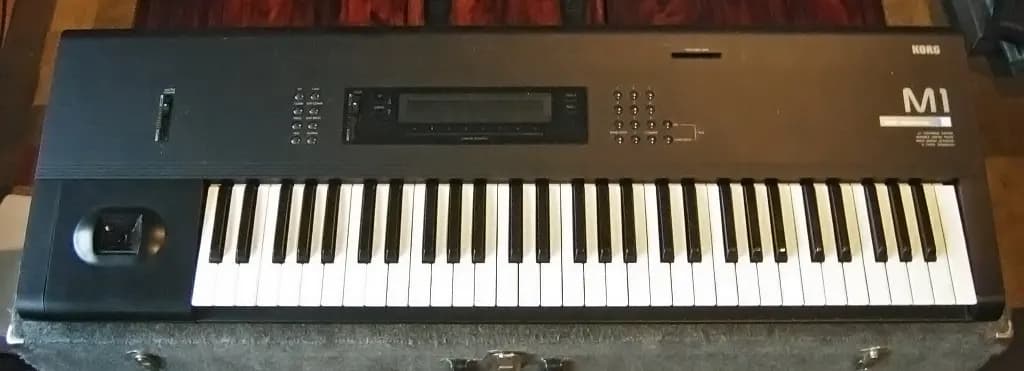
- Romplers: the Roland JV/JD series, Korg M1, and Yamaha SY77 supplied the era's stock piano, organ, and brass presets.
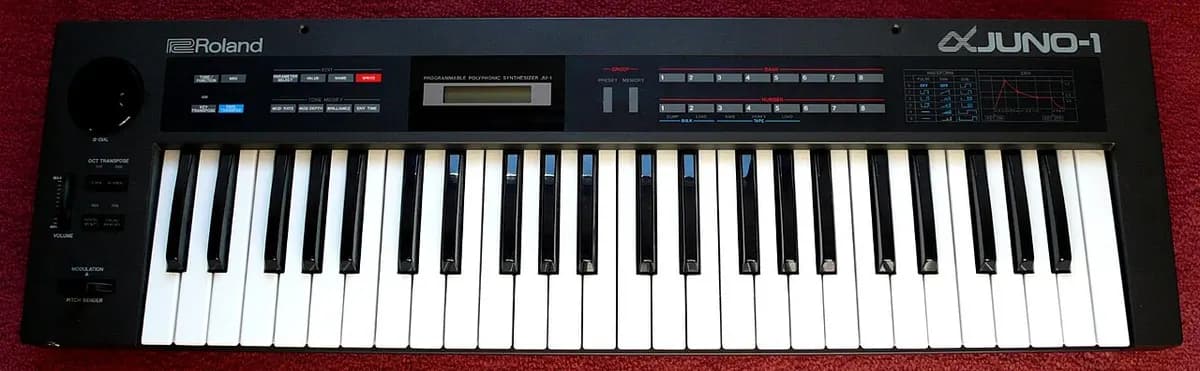
- Rave stabs: the M1 organ bass and the "hoover" sound from the Roland Alpha Juno, both borrowed from early rave.
- Drum machines and samplers: Akai samplers for punchy kicks and claps, often layered several deep.
- Session vocalists: hired per track and often uncredited; the face on the cover was not always the voice on the record.
- Effects: big hall reverb on vocals and pitch-shifted vocal ad-libs.
Mixes were built for maximum impact on FM radio and small club systems: heavily compressed, mid-forward, and bright, with the vocal hook always the loudest element. The producers were working to a commercial brief, and the charts of 1993–1995 show how well the brief was met.
Subgenres & Related Styles
Eurodance sits at the centre of a wider family of European commercial dance:
- Bubblegum dance: brighter, sillier, aimed at younger listeners (Aqua's "Barbie Girl," Vengaboys).
- Euro-trance: the late-90s merger with trance leads and breakdowns (Ian Van Dahl, DJ Sammy).
- Hands up: the harder, faster German club derivative of the 2000s.
- Italo dance: the Italian branch, melodic and often with pitched vocals (Gigi D'Agostino, Eiffel 65).
- Happy hardcore crossover: where eurodance melodies met hardcore tempos.
- Eurobeat: the Italian-made, Japan-focused offshoot at 150–160 BPM, familiar from Initial D.
Notable Artists & Tracks
The records that define the genre:
- Snap!: "The Power," "Rhythm Is a Dancer."
- 2 Unlimited: "No Limit," "Get Ready for This."
- Haddaway: "What Is Love."
- Culture Beat: "Mr. Vain."
- La Bouche: "Be My Lover," "Sweet Dreams."
- Corona: "The Rhythm of the Night."
- Real McCoy: "Another Night."
- Dr. Alban: "It's My Life."
- Captain Hollywood Project: "More and More."
- DJ BoBo: "Somebody Dance with Me."
- Cascada: "Everytime We Touch" (the 2000s continuation).
Start with "Rhythm Is a Dancer," "What Is Love," and "Be My Lover" to hear the formula at full strength.
Eurodance vs Dance-Pop vs Trance
Eurodance overlaps heavily with the wider dance umbrella, but the details differ:
| Trait | Eurodance | Dance-Pop | Trance |
|---|---|---|---|
| Tempo | 120–150 BPM | 118–130 BPM | 132–142 BPM |
| Vocal format | Sung chorus + male rap | Single lead singer | Ethereal or none |
| Song length | Under 4 minutes | 3–4 minutes | 6–9 minutes |
| Built for | Radio, TV, holiday clubs | Charts | Long DJ sets |
| Emotional register | Euphoric, direct | Polished, romantic | Hypnotic, building |
| Peak era | 1992–1997 | Ongoing | 1997–2005 |
How AI Detects Eurodance
Eurodance should be one of the easier genres for a classifier, because so many of its parameters are fixed: a rigid four-on-the-floor pattern, a compressed and bright mix, short repeating synth motifs. The most distinctive cue is the vocal track, which alternates between pitched singing and rapping within one song over a dance beat that never changes.
That last cue is what separates it from trance (no rap, longer form) and from hip-hop (rap present, but no four-on-the-floor kick). Test your own tracks in the Genre AI music genre detector, and read how AI music genre detection works for how a model turns audio into a label.
Genre AI's production taxonomy has no eurodance label, so the answer will be a neighbour. The coarse level is likely to split between Electronic Dance and Pop, and that split is a fair description of the genre. Within Electronic Dance the likely fine labels are House, for the many hits around 124 BPM with piano stabs, and Trance, for later records with long breakdowns and supersaw leads. A rap verse over a thinned-out beat may push Rap Hip-Hop into the runners-up, and synth-heavy productions with little rap may read as Synth Pop. The chorus, where the full arrangement plays, is the best section to test.