
Trap music is a style of hip-hop built on booming 808 sub-bass, stuttering hi-hat rolls and hard, snapping snares, usually under a dark, cinematic mood. The tempo is written at around 130–150 BPM, but the beat is felt in half-time (roughly 65–75), which is where the slow, heavy head-nod comes from. The sound took shape in Atlanta's Southern rap scene in the 2000s, and its name is drug-house slang. Twenty years later its drum patterns sit under a large share of mainstream pop, rap and electronic music.
Below: what trap is, where it came from, how to recognise it by ear, how producers build it, its main offshoots (EDM trap, drill, phonk and others), how it differs from classic hip-hop and dubstep, and which artists to start with. If you're not sure a song counts as trap, drop it into our free AI music genre detector and see what the model makes of its 808s and hi-hats.
What Is Trap Music?
Trap is a subgenre of Southern hip-hop, and it is recognised by its production, not by a fixed tempo or a particular rapper. The core is a deep, sustained 808 kick that also plays the bassline and often slides between notes. On top go machine-gun hi-hat rolls built from triplets and faster divisions, snappy claps or rimshot snares, and minor-key synth melodies. The name comes from Atlanta slang: a "trap" or "trap house" is a place where drugs are sold, and early trap lyrics were about street life and hustling.
Today the word describes a sound more than a subject. The same skittering hats and rumbling 808s turn up in pop hits, R&B and festival electronic music. What ties it together is the rhythm: a slow half-time pulse with fast hi-hat detail on top, so a track feels laid-back and busy at the same moment.
History & Origins
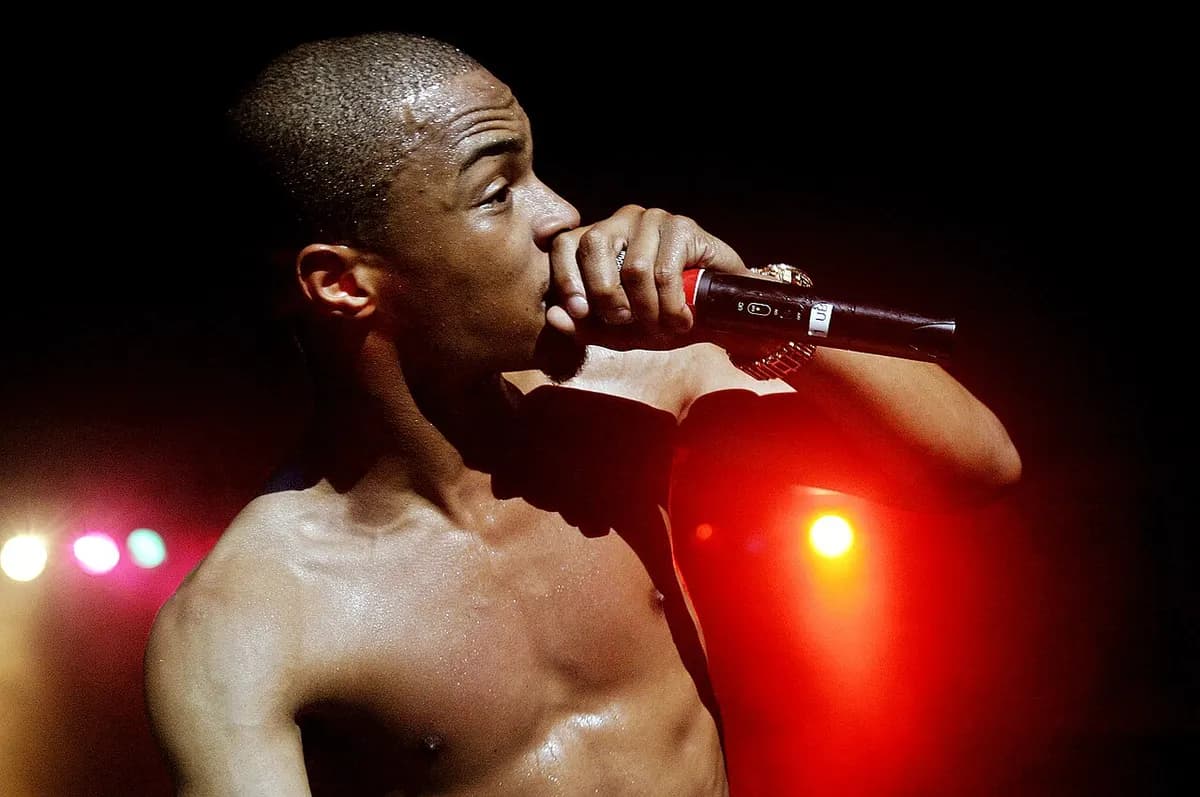
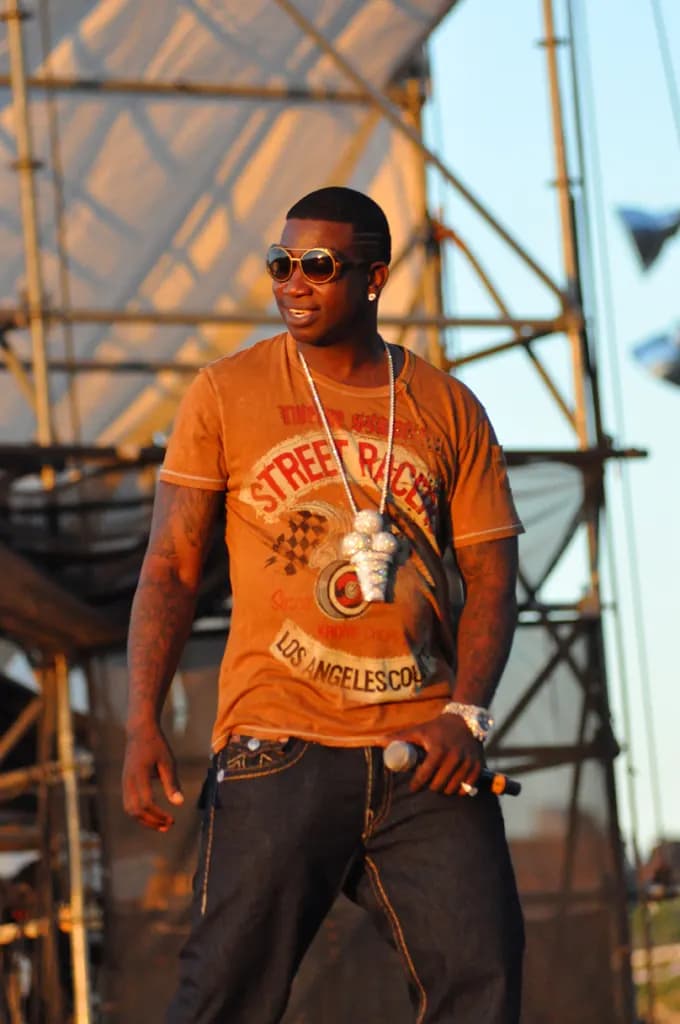
The word "trap" was already in Southern rap lyrics in the 1990s, where Atlanta's Goodie Mob and the Texas duo UGK used it for the drug-dealing life. As a musical style, trap came together in early-2000s Atlanta. T.I.'s 2003 album Trap Muzik helped give the sound its name, and Young Jeezy and Gucci Mane (whose Trap House came out in 2005) made it the city's dominant street sound. Producers such as Shawty Redd, DJ Toomp and Drumma Boy set the early template: ominous synths, double- and triple-time hi-hats and the long Roland TR-808 kick.
Around 2010–2011 a second wave hardened that template into the version most listeners know now. Lex Luger's orchestral, 808-heavy beats for Waka Flocka Flame and Rick Ross were copied everywhere, and the 808 Mafia collective (founded by Southside and Lex Luger, later joined by TM88) turned the style into a production line. By the mid-2010s Future, Migos and Young Thug had moved trap to the centre of mainstream rap. Migos' rapid triplet delivery became so associated with the group that it is often called the "Migos flow".
Dance music grew its own branch. Around 2012 electronic producers started combining trap's 808s and hi-hat rolls with EDM build-ups and drops, and the result was called EDM trap. Baauer's "Harlem Shake" (2012) went viral as a meme, and acts like RL Grime, Flosstradamus and UZ brought the style to festival main stages.
Key Characteristics & Sound
You can usually identify trap by these traits:
- Tempo: written around 130–150 BPM, but the groove is felt in half-time (about 65–75), so it swings slowly and heavily.
- 808 bass: a deep, sustained sub-bass, often sliding in pitch, that doubles as the kick. This is the element most people recognise first.
- Hi-hats: stuttering rolls of triplets and fast 32nd or 64th notes, often with the rate or pitch changing mid-roll.
- Snares and claps: sharp and dry, often with a roll leading into the drop; rimshots and layered claps are common.
- Melody: dark minor-key synths, plucks, bells or orchestral stabs.
- Structure: built around the hook, with breakdowns and build-ups; vocals tend toward melodic, Auto-Tuned, repetitive flows.
A sliding sub-bass, a hard snare and fast, rattling hi-hats over a beat that feels slow: that combination almost always means trap. Tempo and intensity vary by style:
| Style | Notated BPM | Feel |
|---|---|---|
| Classic / Atlanta Trap | 130–150 | Slow half-time, heavy 808s |
| Mainstream Rap Trap | 130–150 | Hook-led, melodic, Auto-Tuned |
| EDM Trap | 140–160 | Festival drops, big synths |
| Drill (trap relative) | 138–145 | Dark, sliding 808s, sliding hats |
| Phonk | 120–140 | Lo-fi, Memphis-sampled, cowbell |
| Cloud / Emo Trap | 120–150 | Hazy, melodic, introspective |
Instruments & Production
Trap is a producer's genre, and nearly all of it is programmed in software. The usual toolkit:
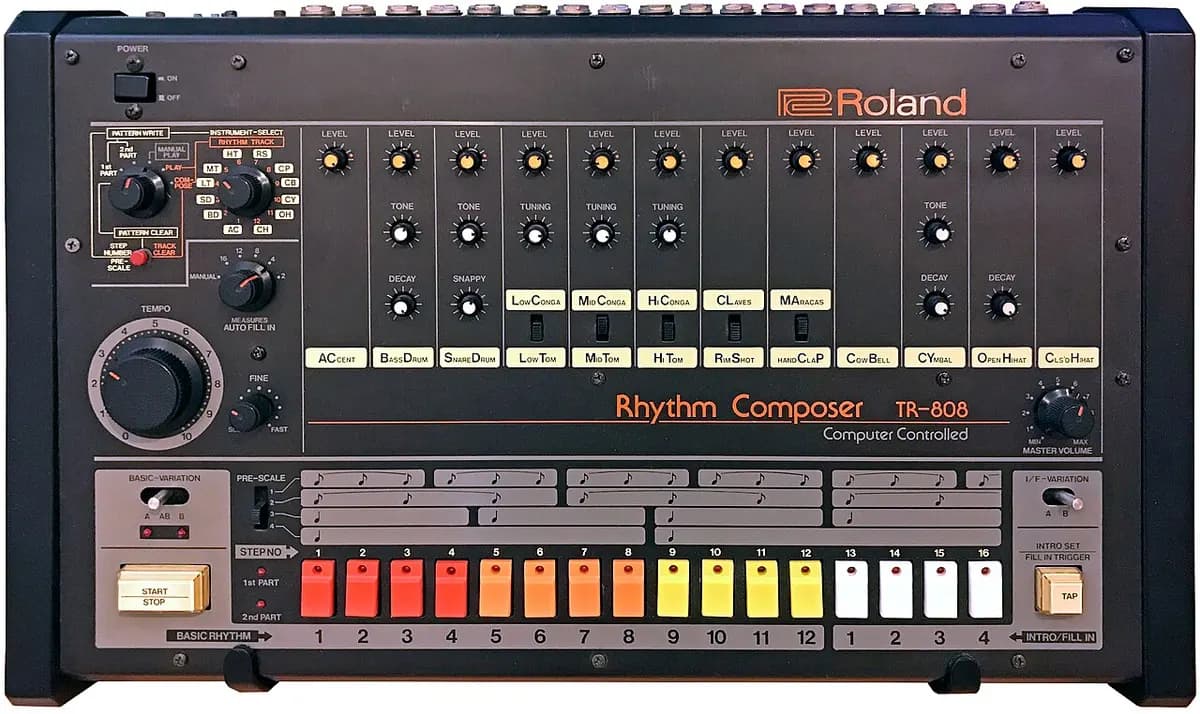
- The 808: the Roland TR-808 drum machine and its many software emulations. Its long, tuned kick works as both kick drum and bassline, usually with pitch glides.
- Hi-hats: programmed in a DAW with quick rolls, triplet patterns and automated pitch and rate changes.
- Snares and claps: layered and heavily processed, with reverb tails and roll fills.
- Synths and samples: dark plucks, bells, brass stabs, choirs and orchestral hits for the top line.
- Vocal processing: Auto-Tune, ad-libs, doubled takes and pitched vocal chops are standard in modern trap.
The mix depends on contrast between a slow, spacious beat and dense, fast hi-hat detail, and the heavy sub-bass needs a clean low end to work. A lot of trap is made in FL Studio, which became closely tied to the genre's producers.
Subgenres of Trap
Trap has split into many styles and mixed with neighbouring genres. The main ones:
- EDM trap appeared around 2012, when producers put trap 808s and hi-hat rolls into festival build-ups and drops with big synth leads (Baauer, RL Grime, Flosstradamus, UZ). It usually runs at 140–160 BPM.
- Drill is a darker, colder relative that started in Chicago and was reworked in the UK and Brooklyn. It keeps trap's sliding 808s and hi-hats but uses more menacing, off-kilter rhythms.
- Phonk is a lo-fi style that samples 1990s Memphis rap over cowbells and distorted 808s; it is huge on streaming services and in "drift" car videos.
- Cloud and emo trap are hazy and introspective, pairing trap drums with sung, vulnerable hooks (Lil Uzi Vert, Juice WRLD, XXXTENTACION).
- Latin trap is Spanish-language trap that merged with reggaeton across Latin America (Bad Bunny, Anuel AA).
- Trap soul is moody, R&B-leaning trap with smooth vocals; Bryson Tiller named his 2015 debut after it.
Several of these shade into other genres: emo trap borders hip-hop and pop, EDM trap borders festival dubstep, and Latin trap overlaps with reggaeton and the wider Latin scene.
Trap vs Hip-Hop vs Dubstep
Trap is easy to confuse with its neighbours. It grew out of hip-hop and shares heavy bass with dubstep, but the tempo, feel and roots are different:
| Trait | Trap | Hip-Hop (classic) | Dubstep |
|---|---|---|---|
| Origin | Atlanta, 2000s | New York, 1970s | South London, early 2000s |
| Notated tempo | 130–150 BPM (half-time feel) | 80–100 BPM | 138–142 BPM |
| Low-end | Sliding 808 sub-bass | Boom-bap kick & sampled bass | Wobbling, modulated bass (LFO) |
| Hi-hats | Rapid triplet rolls | Steady, swung | Sparse, syncopated |
| Mood | Dark, cinematic, heavy | Groove-led, lyrical | Aggressive, mechanical |
Notable Artists & Producers
Artists and producers who shaped trap:
- T.I.: Trap Muzik (2003) helped name the genre.
- Gucci Mane: Trap House (2005) and a huge mixtape catalogue.
- Young Jeezy: one of the defining voices of early Atlanta trap.
- Lex Luger and 808 Mafia (Southside, TM88): the producers behind the modern trap beat.
- Future, Migos and Young Thug took melodic, triplet-flow trap into the mainstream.
- Baauer, RL Grime and Flosstradamus brought EDM trap to festival stages.
For a quick listen from rap trap to EDM trap, play T.I.'s "24's", Waka Flocka Flame's "Hard in da Paint" (produced by Lex Luger) and Baauer's "Harlem Shake" in that order.
Trap Around the World & Today
Atlanta street music turned into a global rhythmic standard. UK and Brooklyn drill carried trap's 808s into new dialects. Latin trap fed into Spanish-language pop through reggaeton, phonk turned old Memphis tapes into a streaming hit, and EDM trap reached main stages from Coachella to Tomorrowland.
In the 2020s you can hear trap hi-hat rolls and 808 slides in chart pop, K-pop, Afro-fusion and a large number of TikTok hits. The half-time 808 groove from a 2005 Gucci Mane mixtape now sits under songs that have nothing to do with Atlanta.
How AI Detects Trap Music
For an AI classifier, trap leaves a clear signature. The low end is a long, pitch-bending 808; the high end stutters with hi-hats at 32nd and 64th subdivisions; and the snare lands on a half-time pulse, so the written tempo looks twice as fast as the groove. The model compares all of this with the patterns it has learned for other styles at once. Because trap overlaps with hip-hop, drill and EDM, the answer usually comes back as a ranked list of confidence scores, not a single label.
The easiest way to see this is to try it. Play a track near your phone with the Genre AI music genre detector open, give it a few seconds of audio, and it will tell you whether the track reads as trap and which style it leans toward. For the theory, our explainer on how AI music genre detection works goes through the model step by step.
In our internal test runs, Genre AI is most confident about Trap when a deep, sliding 808 sits under fast triplet hi-hats and a snare on a slow half-time beat. Put rapped or sung vocals over a groove closer to boom-bap and the scores move toward rap trap and hip-hop. Put EDM build-ups and big synth leads over the same 808s and EDM trap moves up instead. That's why you see several sub-genres with percentages, not one name.