
Motown is a record label that became a genre. Berry Gordy Jr. founded it in Detroit in 1959, and through the 1960s it released pop-soul made in the same studio, by the same house band, and approved by the same weekly quality-control meeting. The results were consistent enough that "the Motown sound" now describes a style of music, whoever made it and whenever.
This guide covers how the label was built, what the sound is made of in technical terms, why Motown and soul are not synonyms, and how it differs from its southern rival Stax. To see how a record reads to a classifier, drop a few seconds into our free AI music genre detector.
What Is Motown — a Label or a Genre?
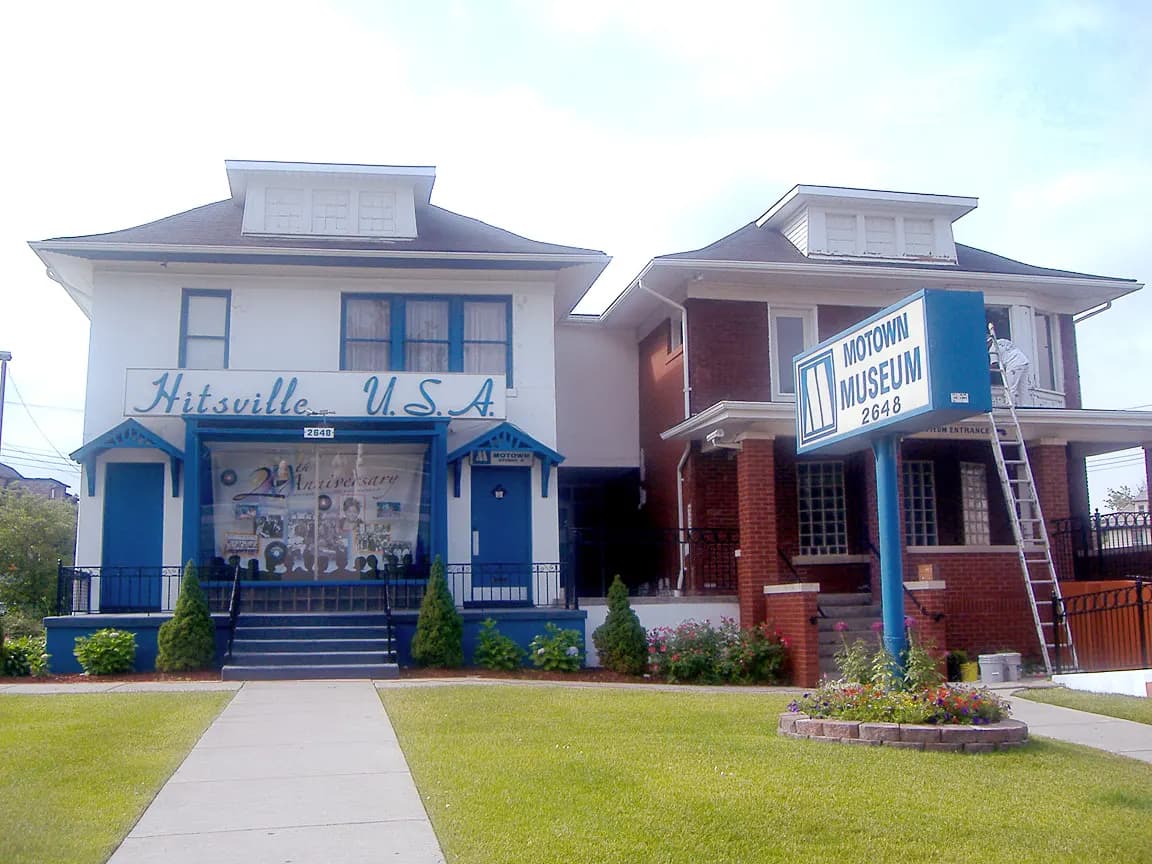
Strictly, Motown is a company. Gordy founded Tamla Records on 12 January 1959 and incorporated it as Motown Record Corporation in April 1960, the name taken from "Motor Town", Detroit's nickname. In mid-1959 he bought a former photography studio at 2648 West Grand Boulevard and hung a sign on it reading Hitsville U.S.A.; most of the label's records until 1972 were cut there.
In practice the word behaves like a genre, because the label kept to a house style on purpose. One rhythm section played on most of the hits. One room recorded them: Studio A at the back of the house, nicknamed the Snakepit for the cables that ran along its ceiling. A quality-control meeting on Friday mornings voted on which songs went out, and Gordy is often quoted as asking: if you had one dollar left, would you buy this record or a sandwich?
So "Motown" describes music that is soul-derived but built for pop radio, tightly arranged, sung by a lead voice with call-and-response backing, and mixed to sound big on a small speaker. It belongs to the same family tree as R&B and funk, as an ancestor of both, and it is the textbook case of Black music crossing over to the white pop audience in the 1960s.
History & Origins
Berry Gordy started as a songwriter. He co-wrote "Lonely Teardrops" for Jackie Wilson and decided the money was in owning the master recording, not just the song. In 1959 he borrowed $800 from his family's savings fund and set up a label.
His model was the car plant (he had worked on the Lincoln-Mercury assembly line), and he said so openly: an unknown artist went in at one end and came out at the other as a finished act. That meant an in-house artist development department, with Maxine Powell teaching poise and presentation, the choreographer Cholly Atkins building the stage routines and Maurice King coaching the singers, alongside staff writers and a permanent band.
The commercial results were large. From 1960 to 1969 Motown had 79 records in the Billboard Hot 100 top ten, and The Supremes alone reached number one twelve times. The label's slogan, The Sound of Young America, was a deliberate pitch to a white teenage audience that Black artists had largely been kept from.
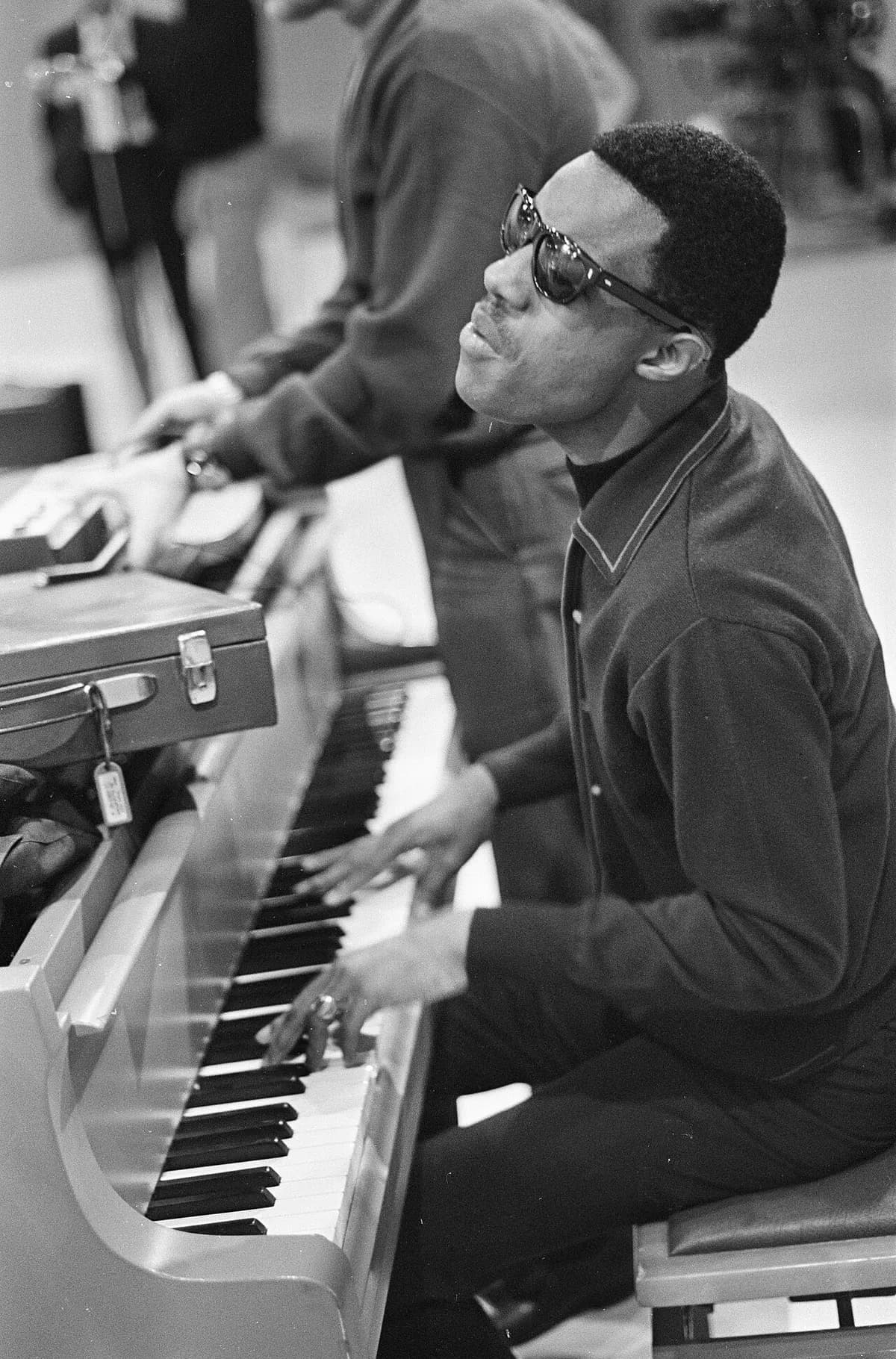
The turn came around 1971. Gordy at first resisted Marvin Gaye's What's Going On as uncommercial; released anyway, it became one of the label's most acclaimed albums and broke the rule that Motown records were three-minute love songs written by staff teams. Stevie Wonder renegotiated his contract at twenty-one to get creative control and went on to make Talking Book, Innervisions and Songs in the Key of Life.
In 1972 Gordy moved the company to Los Angeles to pursue film, and the Detroit era ended. Some of the Funk Brothers learned of the move from a notice on the studio door. Motown carried on as a successful label (the Jackson 5, the Commodores, Lionel Richie, later Boyz II Men), but no longer as a single sound. Gordy sold the company to MCA and Boston Ventures in 1988; today it is an imprint within Universal Music Group, and "Motown" as a musical term means the Detroit years.
Key Characteristics & Sound
The Motown sound is a set of production decisions, most of them repeatable:
- Tempo: mostly 110–135 BPM, brisk and danceable; a typical single runs 2:30–3:00.
- The backbeat, doubled: snare on 2 and 4 reinforced by tambourine, handclaps or a wooden block, and the tambourine often plays every eighth note so the pulse survives on a cheap radio.
- Melodic bass: the bassline works as a counter-melody instead of sitting on the root note, and it is the easiest part of the style to recognise.
- Call and response: a lead voice answered by a tight backing group, taken directly from gospel.
- Orchestral colour: strings, French horns, vibraphone and baritone sax, written as pop arrangement and not as jazz.
- Song form: a hook inside the first fifteen seconds, verses that build, and often a key change near the end.
- Mono, mid-forward mixing: mixes were checked on a small speaker meant to imitate a car radio, and anything that vanished there was remixed.
- Bright, compressed sound: the small room and heavy limiting gave a dense, forward tone you can hear within one bar.
The rivalry that defines the era is Detroit versus Memphis:
| Trait | Motown (Detroit) | Stax (Memphis) | Northern Soul | Funk |
|---|---|---|---|---|
| Approach | Pop craft, arranged | Live, cut on the floor | Uptempo soul rarities | Groove-first |
| Rhythm | Doubled backbeat, tambourine | Loose, behind the beat | Fast, driving 4/4 | Syncopated, on the one |
| Bass | Melodic, busy | Simple, anchoring | Insistent | The lead instrument |
| Arrangement | Strings and horns written | Horns worked out in the room | Whatever the original had | Riff-based, minimal |
| Typical tempo | 110–135 BPM | 90–120 BPM | 120–140 BPM | 95–115 BPM |
| Reference record | "You Can't Hurry Love" | "Green Onions" | "Out on the Floor" | "Papa's Got a Brand New Bag" |
The Funk Brothers & the Studio
Most Detroit-era Motown hits were played by the same house band, who called themselves the Funk Brothers. Many came from Detroit's jazz clubs, and their names were left off Motown sleeves until Marvin Gaye's What's Going On (1971) credited them:
- James Jamerson: bass. He played with one index finger (he called it "the Hook") on a Fender Precision whose strings he rarely changed, and his lines are syncopated, chromatic and independent of the vocal. Bass players in soul, funk and pop studied his parts for decades.
- Benny Benjamin and Uriel Jones: drums, with a sharp, unhurried backbeat.
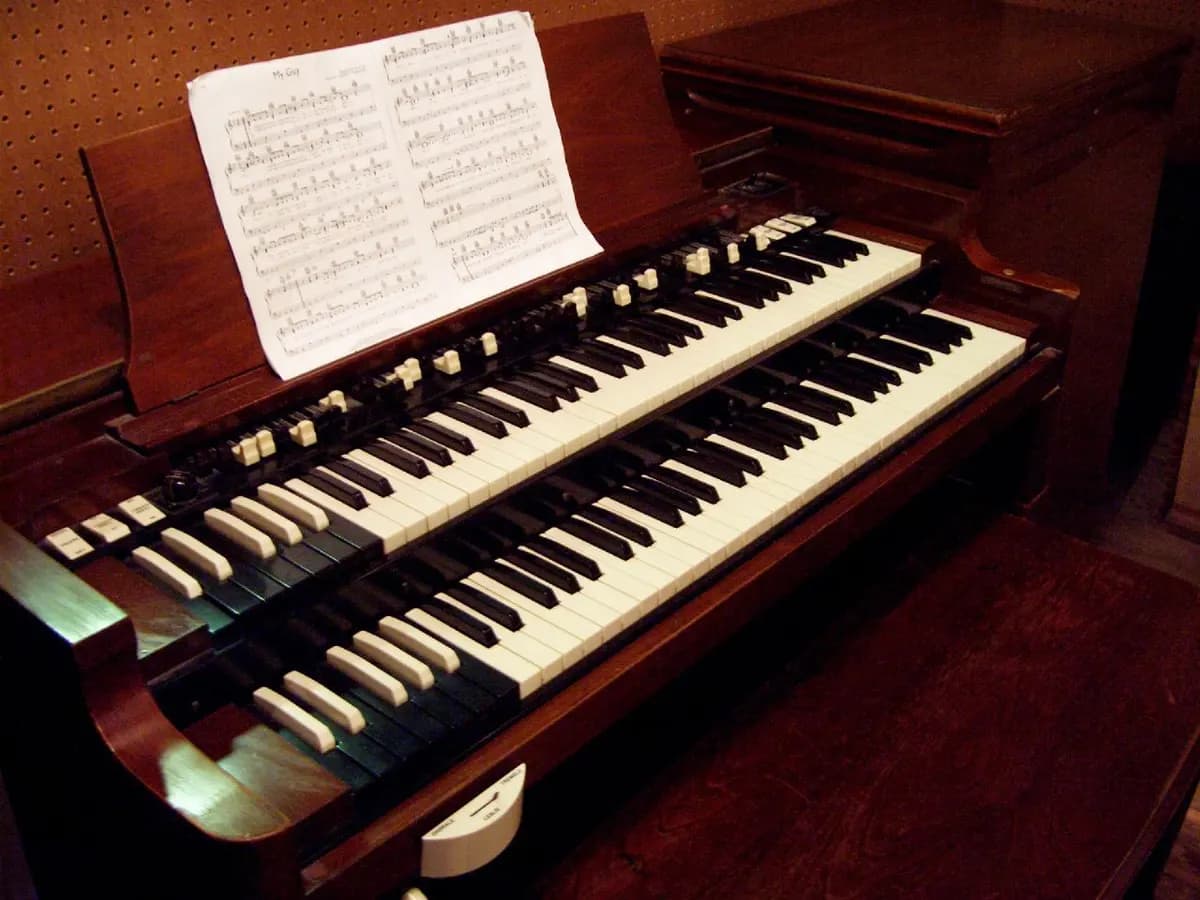
- Earl Van Dyke: piano and organ, bandleader from 1964.
- Robert White, Eddie Willis and Joe Messina: often three guitars on one track; White played the opening riff of "My Girl".
- Jack Ashford: tambourine and vibraphone, the bright percussion that sits on top of the records.
Behind them sat the writing teams. Holland–Dozier–Holland (Brian Holland, Lamont Dozier and Eddie Holland) wrote and produced the run of Supremes and Four Tops hits at the label's peak. Smokey Robinson wrote for the Temptations and Mary Wells as well as his own group, the Miracles. Norman Whitfield later pushed the Temptations into psychedelic soul, through to "Papa Was a Rollin' Stone".
The room mattered too. Studio A was in use day and night, echo came from a chamber in the attic, and the small number of tape tracks forced decisions during recording, not after, so the arrangement was effectively the mix.
Related Styles & Descendants
What grew out of it and beside it:
- Northern soul: a British dancefloor movement built on obscure, uptempo American soul 45s, some of them Motown or Motown-styled, which gave many of these records a second life.
- Psychedelic soul: Whitfield-era Temptations, wah guitar and long arrangements; the bridge from Motown to funk.
- Philadelphia soul: the lush, string-led 1970s sound of Gamble and Huff, and a direct ancestor of disco.
- Soul: the parent category; Motown is its pop-oriented northern branch.
- Neo Soul: the 1990s revival that brought back live, melodic bass and Rhodes-led arrangements.
- Hip-Hop: a steady source of samples, from the Jackson 5 loops of the late 1980s onward.
Notable Artists & Tracks
Where to start:
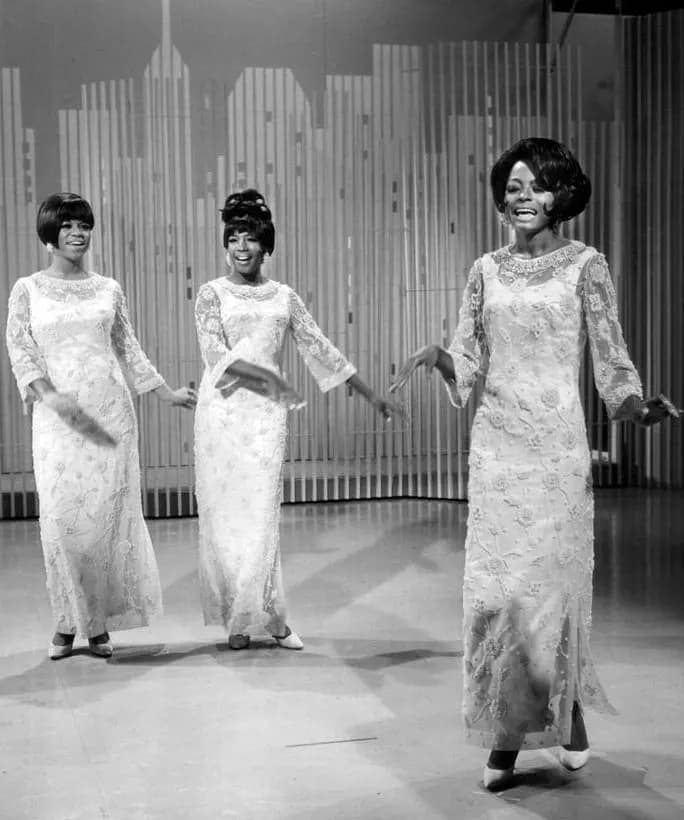
- The Supremes: "Where Did Our Love Go" (1964), "You Can't Hurry Love" (1966).
- The Temptations: "My Girl" (1964), "Papa Was a Rollin' Stone" (1972).
- Marvin Gaye: "I Heard It Through the Grapevine" (1968), What's Going On (1971).
- Stevie Wonder: "Superstition" (1972), Innervisions (1973).
- The Four Tops: "Reach Out I'll Be There" (1966).
- Smokey Robinson & the Miracles: "The Tracks of My Tears" (1965).
- Martha and the Vandellas: "Dancing in the Street" (1964).
- The Jackson 5: "I Want You Back" (1969).
- Gladys Knight & the Pips: "I Heard It Through the Grapevine" (1967).
- Mary Wells: "My Guy" (1964).
Two documentaries explain how the operation worked better than any playlist: Standing in the Shadows of Motown (2002), on the Funk Brothers, and Hitsville: The Making of Motown (2019).
How AI Detects Motown
A classifier trained on modern genre labels rarely has a "Motown" class. It will usually answer soul, R&B or sometimes pop, which is the correct family answer. What the model reads is as much the recording era as the style: narrow stereo or true mono, limited high-frequency extension, heavy bus compression, and a dense mid-band where vocals and horns compete in the same range.
The musical cues are the doubled backbeat with tambourine on every eighth, a busy melodic bass in the low-mid, and grouped backing vocals answering a lead. Confusions run to funk when the bass gets more syncopated, and to disco when strings and a four-on-the-floor kick arrive. Try a record in the Genre AI music genre detector and watch which family it lands in.
Testing 1960s Motown singles in Genre AI ourselves, the label almost always resolves to Soul or R&B with high confidence. That is the honest answer: Motown is a house style inside those genres, not a separate acoustic category. The alternatives list is more interesting. The same track shows Pop unusually high for a soul record, which is the crossover Berry Gordy aimed for. Later Motown drifts predictably: Norman Whitfield's Temptations productions pull toward Funk, and mid-1970s material with string sections and a steady four-on-the-floor kick starts showing Disco.