Future house is a style of house music from the mid-2010s. It keeps the groove and four-on-the-floor kick of deep house, borrows the swing and chopped vocals of UK garage, and builds every drop around one sound: a bouncy, metallic, frequency-modulated bassline that seems to twist and "talk" as it moves. It usually runs at 124–128 BPM and is arranged for the club with a build and a drop. The French producer Tchami gave it its name in 2013; Oliver Heldens and Don Diablo took it into the charts.
This guide covers where the name came from, how a future house drop is built, the producers and records associated with it, and how it differs from deep house, bass house, tropical house and (despite the name) future bass, which is not house at all. For a side-by-side with the softer beach sound of the same years, see our tropical house vs future house comparison. To check where a track lands, drop a clip into our free AI music genre detector.
What Is Future House?
Future house is easiest to recognise at the drop. The intro and breakdown often sound like deep house or vocal house: a filtered chord, a pitched vocal hook, a shuffling hi-hat. When the beat returns, though, the main melodic element is not a synth lead or a piano riff. It is the bass itself, a short, punchy, metallic note that bends in pitch and timbre, often with a "wah" or vowel-like movement produced by frequency modulation and filter envelopes. That bass plays a rhythmic, bouncy figure, and the figure is the hook of the track.
Around the bass sits a fairly classic house frame: a steady kick on every beat, claps or snares on two and four, offbeat open hi-hats and a garage-style shuffle in the percussion. Vocals, when present, are usually chopped, pitched up or down, or cut to a single repeated phrase. The arrangement follows the club-EDM template of the time (intro, build, drop, breakdown, second build, second drop), so the style sat between underground house and the festival sound.
The name is slightly misleading. Tchami later said he meant "future house" as a description for house music that had not been invented yet, not as a fixed genre. Once DJs, blogs and Beatport adopted the tag, it came to mean a specific mid-2010s sound, and that is how it is used today.
History & Origins
In the early 2010s two things were happening in dance music at once. In the UK, a deep house revival, vocal and garage-tinged, was putting house records back on the radio. In the US and on the festival circuit, EDM was dominated by the loud, minimal drops of big room house and the aggression of brostep. Future house grew in the gap between them: deep house grooves with drops built for bigger rooms.
The term is credited to Tchami (Martin Bresso), a Paris producer and member of the Pardon My French collective, which also included DJ Snake. He first used it in 2013 for his remix of Janet Jackson's "Go Deep", posted on SoundCloud. His own releases, including "Promesses" with the singer Kaleem Taylor, paired deep, rolling basslines with a dark, almost churchy atmosphere. He performs in a priest's collar with a church-themed stage show, and his label Confession later became a home for the harder end of the sound.
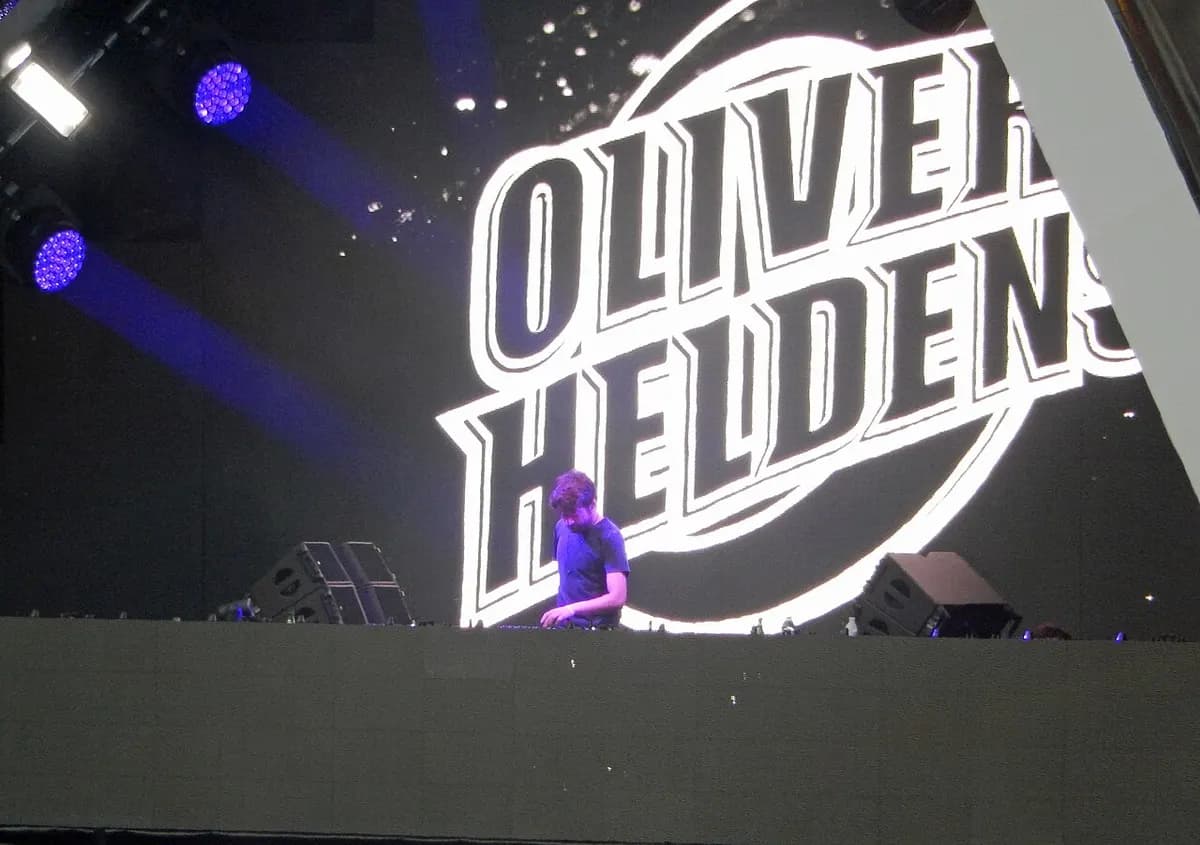
The record that took the style to a mass audience came from the Netherlands. Oliver Heldens released the instrumental "Gecko" on Beatport on 30 December 2013, through Tiësto's Musical Freedom and Spinnin' Records. Its rubbery bass riff was copied for the next two years, and the vocal version, "Gecko (Overdrive)" with Becky Hill, went to number one on the UK Singles Chart in June 2014. Heldens followed it with "Last All Night (Koala)" and later set up his own label, Heldeep. Around 2014 he and Tchami traded a few barbs on social media over who had started the sound.
The third name usually cited is Don Diablo, a Dutch producer who had been releasing electro and dance records since the 2000s. He moved toward the future house sound through his label Hexagon and gave it a pop-friendly polish.
In 2016 Beatport added Future House as one of three new genre tags, which made it an official category for DJs and record shops. By then the sound had already reached pop production: Martin Solveig, the DJ duo GTA and a series of major-label pop singles used the bouncy bass under radio vocals. That commercial spread, along with the number of near-identical "Gecko"-style tracks, made the sound date quickly. From the late 2010s its ideas were absorbed into bass house, into the slower, vocal slap house of the early 2020s and into mainstream dance-pop.
Key Characteristics & Sound
What identifies a future house track:
- Tempo: usually 124–128 BPM, most often 125–126 for the deep-leaning tracks and 128 for festival-oriented ones. Our guide to BPM in music explains how to measure it.
- Metallic, modulated bass: the defining element. A short, plucked bass note with frequency modulation and a moving filter, often with a "wah" or vowel-like character and pitch bends between notes.
- Bouncy, syncopated bass rhythm: the bassline plays offbeat and syncopated patterns, so the drop feels springy instead of pounding.
- House drums: four-on-the-floor kick, clap on two and four, offbeat open hats, and garage-style swung shakers or rimshots.
- Pitched and chopped vocals: one-line hooks, often pitched down to a deep, androgynous register or chopped into rhythmic stabs.
- EDM arrangement: clear builds with risers and snare rolls, then a drop that strips back to kick, bass and the hook.
- Key and mood: mostly minor keys. Heldens' tracks tend to be playful; Tchami's are darker and more hypnotic.
How it sits among the house styles it borrows from and competes with:
| Trait | Future House | Deep House | Bass House | Big Room House |
|---|---|---|---|---|
| Peak period | 2014–2017 | 1980s onward; UK revival 2012–2015 | 2015 onward | 2012–2016 |
| Typical tempo | 124–128 BPM | 118–125 BPM | 126–130 BPM | 126–132 BPM |
| Main hook | Metallic, bouncy FM bass | Chords, vocals, warm bass | Distorted, growling bass | Single-note lead, huge kick |
| Bass character | Plucky, modulated, mid-heavy | Round, warm sub | Gritty, wobbling, aggressive | Mostly kick and sub |
| Arrangement | Build and drop | Long, gradual DJ mix | Build and drop | Long build, minimal drop |
| Reference track | Gecko (Oliver Heldens) | Can You Feel It (Mr. Fingers) | Feel the Volume (Jauz) | Animals (Martin Garrix) |
Production: How the Future House Bass Is Made
Most of what is distinctive about future house happens in the sound design of one instrument. Producers typically build the bass in a software synthesiser with FM synthesis or wavetable oscillators, then shape it with a fast filter and pitch envelope so each note opens with a bright, metallic attack and quickly falls back. Small pitch bends between notes, portamento and automation on the FM amount give the bass its "talking" movement.
- Layering: the mid-range "character" layer is usually kept separate from a clean sub-bass underneath, so the metallic part can be loud and distorted without muddying the low end.
- Side-chain compression: the bass ducks under each kick, which gives the drop its pumping feel.
- Saturation and distortion: moderate compared with bass house. Producers want the bass to cut through the mix, not to growl.
- Vocal processing: pitch-shifted hooks, formant shifting and chopped phrases, a technique shared with UK garage and with the later slap house.
- Percussion: crisp, tight hats and shakers, often with garage-style swing, keep the top end light above the heavy bass.
Because the hook and the bass are the same sound, future house drops tend to leave the high frequencies emptier than trance or big room does. That restraint is part of why the tracks worked in clubs and on headphones alike.
Branches & Related Styles
- Dark or "church" future house: Tchami's deeper, more hypnotic take, with gospel-tinged atmospheres and a heavier low end.
- Pop-oriented future house: the Heldens and Don Diablo direction, with full vocals and bright, catchy bass riffs built for radio.
- Future bounce: a Dutch offshoot of the late 2010s that combined the future house bass with the shorter, bouncier riffs of festival house. Usage of the term varies, and it never became a separate store category.
- Bass house: the heavier relative, closer to UK bassline and dubstep in its distorted, growling basses.
- Slap house: a slower, vocal-led successor of the early 2020s, close to Brazilian bass, that keeps the bouncy bass idea but softens it.
- Pop crossover: the future house bass moved into dance-pop and electropop singles, often without the label.
Key Artists & Essential Tracks
A starting list of names and records associated with the style:
| Artist | Origin | Start with | Why it matters |
|---|---|---|---|
| Tchami | Paris, France | Go Deep remix (2013), Promesses | Coined the term; darker, hypnotic side of the style |
| Oliver Heldens | Netherlands | Gecko (2013), Gecko (Overdrive), Last All Night (Koala) | UK number one in 2014 with the vocal version of Gecko |
| Don Diablo | Netherlands | Releases on his Hexagon label | Pop-leaning future house from an established Dutch DJ |
| Pardon My French | France | Tchami, DJ Snake and collaborators | The French collective the term came out of |
| Martin Solveig and GTA | France / USA | Mid-2010s singles | Examples of the sound spreading into commercial dance |

Future House vs Deep House, Bass House and Future Bass
Against deep house, the test is the drop. Deep house is built for long, gradual DJ sets: warm chords, a round bass and vocals that sit inside the groove, with no single dramatic moment. Future house shares the tempo range and some of the chords, but it is arranged around a build and a drop, with a metallic bass hook that deep house would not use. Our deep house vs tech house comparison covers the deep end of the family.
Against bass house, the difference is weight and distortion. Bass house basses growl, wobble and fill the whole frequency range, often borrowing from UK bassline and dubstep; future house basses are shorter, cleaner and more melodic. In practice the two overlap, and many producers moved from one to the other around 2016.
The future bass comparison is the easy one, because the shared word means nothing. Future bass is a half-time, hip-hop-influenced sound at around 130–160 BPM (felt at half speed) with big, detuned supersaw chords that swell and pulse. Future house is straight four-on-the-floor house. If the kick hits on every beat, it is not future bass.
Against tropical house, the mood gives it away: tropical house is slower and softer, with marimbas, steel drums and saxophones, while future house is built for the club and led by the bass. Against big room house, future house has more groove and more detail; big room relies on a giant kick and a minimal, single-note lead.
How AI Detects Future House
For an audio model, future house sits deep inside the electronic dance family. The steady four-on-the-floor kick, the offbeat hats and a tempo in the mid-120s are among the most reliable signals a classifier has. The style-specific cue is the bass: a loud, mid-range, metallic tone with fast filter and pitch movement on a syncopated rhythm, sitting where other house styles put chords or vocals.
What a model cannot hear is the label's history. Future house is a period sound, and the line between it and deep house or bass house is partly a matter of production taste. Try a drop in the Genre AI music genre detector, compare it with the breakdown of the same track, and see our note on whether AI can identify a genre from a short clip.
For an audio classifier such as Genre AI, future house should land in the Electronic Dance family with little doubt. The live taxonomy has no separate future house label, so the specific answer will be a neighbour, most likely House, which is the honest parent. Groovier, chord-led sections and breakdowns are likely to drift toward Deep House, because tempo, swing and drum programming are almost identical and the metallic bass hook is absent. Bright, heavily processed bass drops may pull a runner-up toward Electro or Tech House, and tracks with a full pop vocal can pick up Synth Pop. Use the drop, not the intro, for the clearest reading, and read the result as "which corner of house", not as a verdict on the subgenre.