Acid jazz is a dancefloor style that grew out of London's club scene in the late 1980s, mixing the grooves of 1970s jazz-funk, soul and funk with hip-hop breakbeats, live bands and DJ culture. Despite the name, it has nothing to do with acid house or the Roland TB-303. The word "acid" was a play on the club craze it grew up beside.
This guide covers the scene's DJs and labels, the musical ingredients, the main bands and records, and how acid jazz differs from jazz fusion, funk and acid house. To see where a groove lands, run a few seconds through our free AI music genre detector.
What Is Acid Jazz?
Acid jazz is jazz as dance music, filtered through a DJ's record crate. It started with a new use for old records: London DJs playing 1960s soul-jazz, Latin jazz, Blue Note boogaloo and 1970s jazz-funk to young audiences who danced to them. Bands and producers then began making new music in that image: live musicians with Hammond organ, wah-wah guitar, flute and horns, playing over grooves that borrowed the steady, loop-friendly drums of hip-hop and rare groove.
The result sits between several genres. It has jazz chords and solos, though rarely bebop's harmonic density or a swing feel. It has funk's rhythm with more chords on top, soul vocals on many records, and hip-hop breakbeats, sometimes with a rapper. The common thread is the dancefloor: acid jazz tracks were made to be played in a club at mid-tempo, with a groove that does not stop.
The term covers two things: a scene of DJs, club nights and labels in late-1980s and early-1990s London, and a sound that spread abroad during the 1990s, to the US, Western Europe, Latin America and especially Japan.
History & Origins
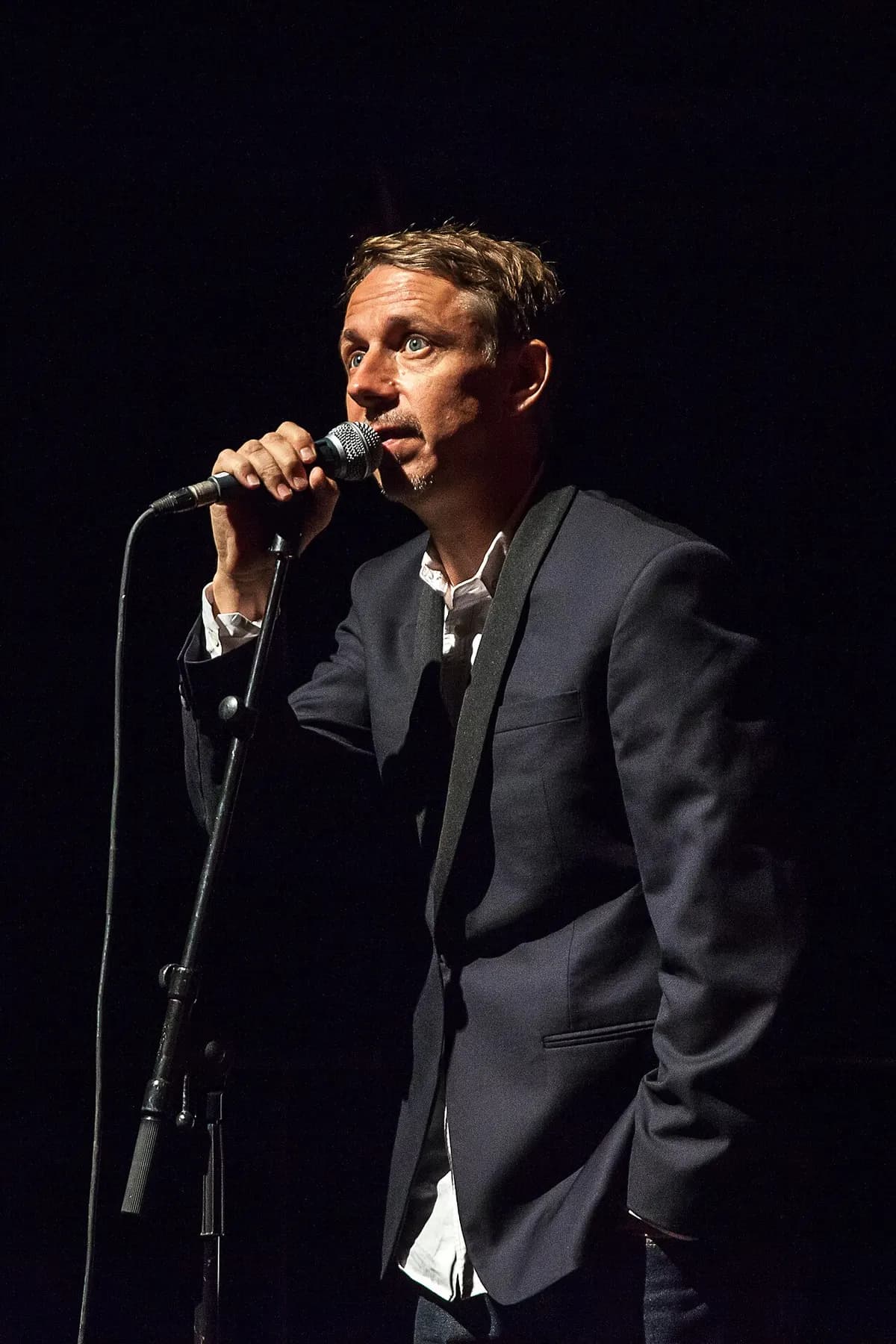
The scene's roots are in London's rare groove and jazz-dance culture of the mid-1980s, when DJs and pirate radio stations played forgotten funk and soul records and dancers formed jazz-dance crews for fast, footwork-heavy routines. DJ Gilles Peterson held residencies at several London clubs and moved from a small pirate station to Kiss FM, playing Blue Note soul-jazz and jazz-funk to people who came to dance.
The name is usually credited to Peterson around 1987 and is a play on acid house, which was then sweeping British clubs. Calling old jazz-funk records "acid jazz" was a tongue-in-cheek way of marking out a different scene, and the name stuck. Peterson and Eddie Piller founded Acid Jazz Records in London; the label dates itself to 1987, while some histories give 1988. Its first single was Galliano's "Frederick Lies Still", and it went on to release the debut album by The Brand New Heavies (1990) and records by The James Taylor Quartet and Corduroy. In 1990 Peterson left to start Talkin' Loud at Phonogram, whose first compilation featured Galliano, Incognito and Young Disciples.
The early 1990s were the commercial peak. Jamiroquai released their debut single "When You Gonna Learn" on Acid Jazz Records in 1992, then signed to Sony and released Emergency on Planet Earth (1993). Incognito's cover of "Always There" with Jocelyn Brown (1991) and The Brand New Heavies' singles with N'Dea Davenport, released after the band moved to FFRR, took the sound onto radio. The London group US3's "Cantaloop (Flip Fantasia)", built on a sample of Herbie Hancock's "Cantaloupe Island", came out on Blue Note in October 1992 and reached number 9 on the US Billboard Hot 100. On the hip-hop side, jazz-rap acts such as Digable Planets and Guru's Jazzmatazz project worked the same overlap.
By the late 1990s the term was fading in Britain, but the idea continued under other names: nu jazz and broken beat in London, the club-jazz scene in Japan, where acts like United Future Organization and Kyoto Jazz Massive had built a parallel movement, and French producers such as St Germain, whose album Tourist (2000) brought house rhythms to the same jazz-sampling approach.
Key Characteristics & Sound
What identifies an acid jazz record:
- Tempo: typically around 90–120 BPM, a mid-tempo dance groove; faster jazz-dance tracks go higher.
- Drums: steady, loop-friendly grooves, either live drumming that sounds like a sampled break or actual hip-hop breakbeats.
- Hammond organ: the signature colour, inherited from 1960s soul-jazz.
- Wah-wah and clean rhythm guitar: funk chops and jazz voicings.
- Horns and flute: unison riffs and short solos; long improvisations are rare.
- Bass: prominent and melodic, playing syncopated funk lines or upright-style walking patterns.
- Percussion: congas, bongos and shakers from Latin jazz.
- Vocals: soul singing on many records, raps on some, none at all on the instrumental tracks.
Where it sits among the styles it gets confused with:
| Trait | Acid Jazz | Jazz Fusion | Funk | Acid House |
|---|---|---|---|---|
| Era | Late 1980s–1990s | Late 1960s–1970s | Mid-1960s–1970s | 1987 onward |
| Home | London clubs | US jazz scene | US Black music scene | Chicago, then UK raves |
| Typical tempo | 90–120 BPM | Variable, often fast | 95–115 BPM | 118–130 BPM |
| Signature sound | Hammond, horns, breakbeats | Electric virtuosity, odd metres | Syncopated bass and guitar | Roland TB-303 squelch |
| Improvisation | Short solos | Extended solos | Minimal | None (machine-made) |
| Purpose | Dancefloor groove | Listening, virtuosity | Dance | Club, rave |
Why Acid Jazz Has Nothing to Do with Acid House
The shared word causes most of the confusion. Acid house is Chicago house built around the Roland TB-303 bass synthesizer, whose resonant filter produces the squelching "acid" line; it is electronic, four-on-the-floor and roughly 118–130 BPM. Acid jazz has no 303, usually no four-on-the-floor kick, and is played largely by live musicians on organ, guitar, bass, horns and drums.
The connection is only in the name and the date. Acid jazz was named in London in the late 1980s, at the height of the acid house boom, and the name borrowed the most fashionable word in British club culture. The two scenes shared a city and some clubs, but not a sound. A track with a TB-303 line and jazz chords is acid house or acid techno with jazz elements, and it is not acid jazz.
Related Styles & Legacy
Acid jazz connects to:
- Rare groove: the DJ culture of reviving forgotten funk and soul records, its immediate predecessor.
- Soul-jazz and jazz-funk: the 1960s and 1970s records the scene built on (Jimmy Smith, Lonnie Liston Smith, Roy Ayers, Donald Byrd).
- Jazz rap: the hip-hop side of the same overlap: A Tribe Called Quest, Digable Planets, Guru's Jazzmatazz.
- Nu jazz and broken beat: the late-1990s and 2000s successors in London and Europe.
- Trip-Hop: a slower, darker cousin from the same British era, also built on jazz samples and breakbeats.
- Neo Soul: shares the live-band, jazz-harmony approach to R&B.
- Latin Jazz: the percussion and boogaloo grooves that run through many acid jazz records.
Notable Artists & Records
Where to start:
- Jamiroquai: "When You Gonna Learn" (1992), Emergency on Planet Earth (1993).
- The Brand New Heavies: "Never Stop" (1991), "Dream Come True".
- Incognito: "Always There" (1991, with Jocelyn Brown).
- Galliano: the first single on Acid Jazz Records, then signed to Talkin' Loud; Rob Gallagher's spoken-word vocals over jazz-dance grooves.
- Young Disciples: "Apparently Nothin'" (1991), a UK number 13 on Talkin' Loud with Carleen Anderson singing.
- US3: "Cantaloop (Flip Fantasia)" (1992, a US hit in 1993–94).
- The James Taylor Quartet: Hammond-driven instrumental jazz-funk.
- Ronny Jordan: "So What" (1992), a guitar version of the Miles Davis tune over a hip-hop beat.
- Corduroy and Mother Earth: the retro, organ-led side of the Acid Jazz label.
- St Germain: Tourist (2000), the house-leaning successor.
If you only play two: "Apparently Nothin'" for the London scene at its height, and "Cantaloop" for the record that got the sound onto American pop radio.
Acid Jazz vs Jazz Fusion vs Funk
Against jazz fusion: fusion is 1970s players' music, with electric instruments, virtuoso solos, dense harmony and often odd time signatures, made mostly for listening. Acid jazz borrows fusion's instruments and some of its chords but puts the groove first and keeps solos short; a track works if the dancefloor keeps moving. Fusion players stretched out, acid jazz bands locked in.
Against funk: acid jazz takes its rhythm from funk, but classic funk is often built on one chord and one riff, with bass and guitar interlocking on the downbeat. Acid jazz adds jazz harmony and organ and horn solos, and much of its drumming reaches James Brown-era funk second-hand, through hip-hop's sampled breaks.
Against jazz in general: acid jazz is rarely swung, and it rarely features the long improvisation that defines most jazz. It is closer to a revival of jazz's dance-oriented branches than to the jazz tradition as a whole.
Genre AI's production taxonomy has no acid jazz label, so a classifier reads the genre by its ingredients, and the mix changes from record to record. An organ-and-horns groove with no vocal will likely land under the Jazz label, with Fusion, Contemporary Jazz or Smooth Jazz as the finer answer (Fusion is the label closest to jazz fusion). Add a soul singer and the result may move to Funk / Soul, with Soul, Funk or Neo Soul underneath. A rap verse over a sampled break can pull it to Rap Hip-Hop, where Jazzy HipHop is the nearest fine label. Confusion with acid house, which would sit under Electronic Dance as House, is less likely: acid jazz usually has no four-on-the-floor kick and no resonant synth line.