Quiet storm is late-night R&B: slow, polished, romantic soul ballads with jazz-tinged harmony, played after dark on Black American radio. It began as the name of a single radio show in Washington, D.C., in 1976, became a programming format used by stations across the United States, and ended up naming a sound that runs from Smokey Robinson to Sade and Luther Vandross.
Below: how a radio slot became a genre, what the records sound like, who made them, and how the style differs from mainstream R&B and smooth jazz. To check where a slow jam lands, play a few seconds into our free AI music genre detector.
What Is Quiet Storm?
Quiet storm describes two linked things. First, a radio format: an evening and overnight block of uninterrupted, mellow, romantic soul and R&B, typically introduced by a low-voiced host and aimed at adult listeners. Second, the sound that format favoured and, in time, encouraged artists to make: slow ballads and mid-tempo grooves with sophisticated chords, soft dynamics and an intimate vocal performance.
Musically, a quiet storm record is restraint applied to soul. The singer still comes out of gospel, but holds it back. The drums and bass stay low in the mix, the electric piano plays extended jazz chords, and the production leaves plenty of air. People put it on for slow dancing, late drives and dinner. Club DJs mostly left it alone.
Because its definition began on the radio, the genre's edges are soft. Many quiet storm staples are simply the slowest, most romantic tracks by mainstream soul and R&B artists. They share a tempo and a mood; there is no single production trick that marks them.
History & Origins
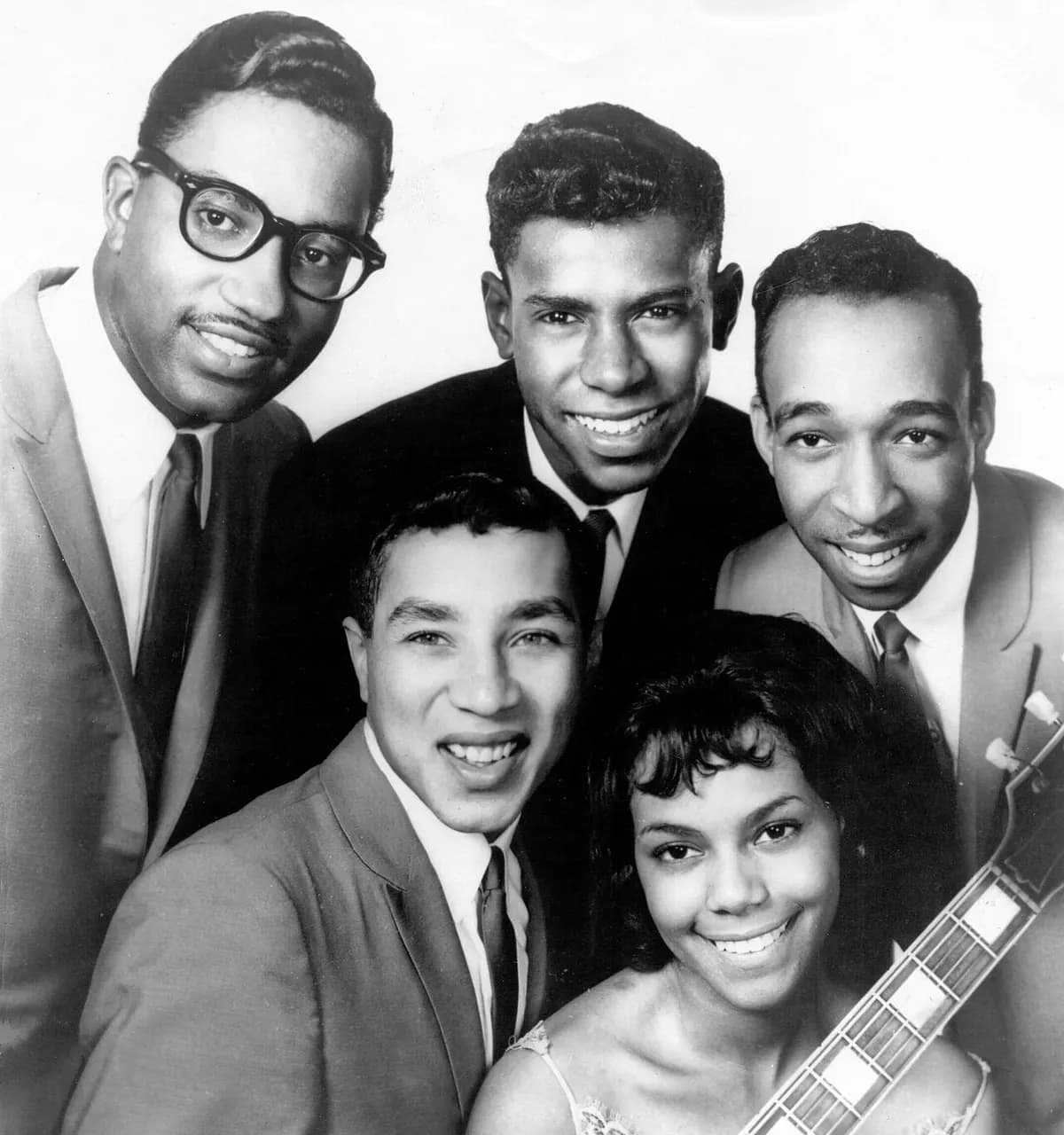
The name comes from Smokey Robinson's 1975 album A Quiet Storm and its title track, a long, slow-burning song that pointed soul toward a softer, more adult mood. In 1976 Melvin Lindsey, a young Howard University broadcaster (accounts differ on whether he was still a student or had just graduated), filled in as an evening host at the university's station WHUR-FM in Washington, D.C. Listeners responded, and station manager Cathy Hughes, who later founded the broadcaster Radio One, gave him a regular show. It was called The Quiet Storm and used Robinson's song as its theme.
Through the late 1970s and 1980s, stations across the country copied the idea and built their own quiet storm blocks. That fed back into the music. By the early 1980s a ballad could be written and produced with the quiet storm slot in mind, and the term began to describe the records as much as the radio.
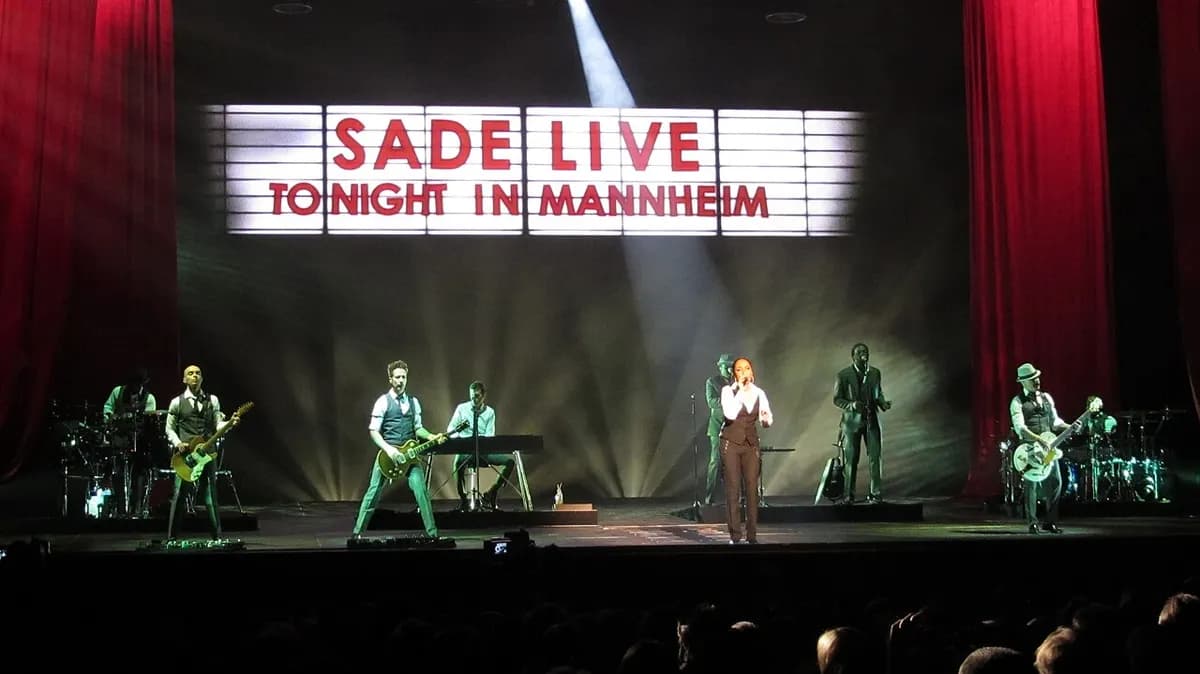
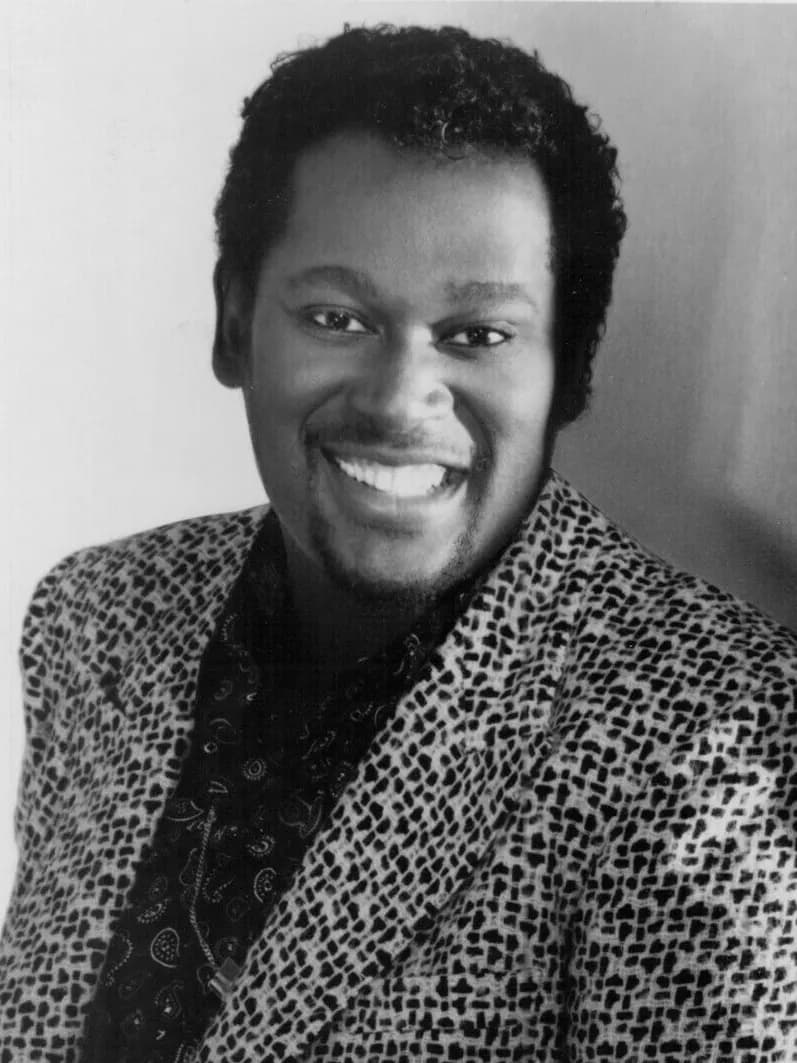
The 1980s were the genre's peak. Luther Vandross, Anita Baker, Sade, Freddie Jackson, Peabo Bryson, Regina Belle and Will Downing made records that sounded built for the slot, while Marvin Gaye, The Isley Brothers and Teddy Pendergrass supplied some of its most-played slow songs. Digital synths arrived too, and the electric-piano patch of the Yamaha DX7 gave the decade's ballads their glassy sheen.
From the 1990s onward, quiet storm lived on as a radio format and as an influence on other styles. Its mood carried into 1990s R&B ballads, into neo soul's more organic slow jams, and into the late-night playlists of streaming services, which rebuild the format under other names.
Key Characteristics & Sound
What identifies a quiet storm record:
- Tempo usually sits at 60–90 BPM, the range of ballads and slow grooves.
- Harmony leans on jazz: major sevenths, ninths, elevenths and small chromatic steps between chords.
- Keyboards: Fender Rhodes in the 1970s, DX7-style electric piano and soft synth pads in the 1980s.
- The rhythm section stays quiet and steady, with a soft kick, rim clicks or brushes, and fretless or melodic electric bass.
- The lead vocal starts close and controlled and builds slowly, often to a gospel-style climax in the final minute.
- Saxophone solos, string pads and stacked backing vocals add colour.
- Lyrics are about romance, seduction, devotion and making up after a fight.
- Production is polished and warm, with reverb and few loud peaks, so it plays well at low volume at night.
How it compares with its closest neighbours:
| Trait | Quiet Storm | Mainstream R&B | Smooth Jazz | Neo Soul |
|---|---|---|---|---|
| Origin | 1976 radio format, Washington D.C. | 1940s onward, evolving | Late 1970s–80s crossover | Mid-1990s |
| Lead | Vocal | Vocal | Instrument (usually sax) | Vocal |
| Typical tempo | 60–90 BPM | 60–120 BPM | 90–110 BPM | 70–100 BPM |
| Harmony | Jazz-tinged, lush | Varies, often simpler | Consonant, jazz-derived | Jazz-derived, organic |
| Production | Polished, soft, spacious | Era-dependent | Polished, compressed | Warm, live, analog-leaning |
| Reference record | "A Quiet Storm" (1975) | "No Scrubs" (1999) | "Winelight" (1980) | "Brown Sugar" (1995) |
Instruments & Production
The sound depends on a short list of tools:
- Fender Rhodes electric piano, the chord bed of the 1970s records, with its bell-like attack and soft sustain.
- Yamaha DX7, whose electric-piano presets are on so many 1980s ballads that they date a record at once.
- Fretless or melodic electric bass, playing sliding lines that move like a second voice.
- Drum machines kept low: LinnDrum and similar units on 1980s records, next to live drummers using brushes and rim clicks.
- Tenor or soprano saxophone for intros and solos, the point where quiet storm meets smooth jazz.
- String and synth pads, held chords that fill the space behind the vocal.
- Layered backing vocals, arranged in harmony to answer the lead.
Production is about space and warmth. Records leave room around the voice, keep the low end round and soft, and avoid sudden jumps in volume. Part of that is taste and part is radio: the format was meant to flow from track to track without breaking the mood.
Notable Artists & Records
A starting playlist:
- Smokey Robinson: "A Quiet Storm" (1975), "Cruisin'" (1979).
- Minnie Riperton: "Lovin' You" (1975).
- The Isley Brothers: "For the Love of You" (1975), "Between the Sheets" (1983).
- Marvin Gaye: "Sexual Healing" (1982).
- Luther Vandross: "So Amazing" (1986), "Here and Now" (1989).
- Sade: "Smooth Operator" (1984), "The Sweetest Taboo" (1985).
- Freddie Jackson: "Rock Me Tonight (For Old Times Sake)" (1985).
- Anita Baker: "Sweet Love" (1986) and the album Rapture.
- Peabo Bryson and Roberta Flack: "Tonight, I Celebrate My Love" (1983).
- Regina Belle, Will Downing and Phyllis Hyman, regulars on late-1980s quiet storm playlists.
Three records for the arc: "A Quiet Storm" for the name, "Sweet Love" for the 1980s peak, and "Smooth Operator" for the moment the sound crossed over to a global pop audience.
Quiet Storm vs R&B vs Smooth Jazz
Against R&B, quiet storm is a subset of R&B defined by pace and mood. All quiet storm is R&B; most R&B is not quiet storm. Uptempo dance records, funk, new jack swing and rap-inflected R&B are excluded by definition, because the format was built to stay slow and calm.
Against smooth jazz, the line is harder to see. The two grew up side by side and share harmony, instruments and radio audiences, which is why they are often confused. The difference is the lead voice. In quiet storm the singer carries the song and the sax decorates it. In smooth jazz the saxophone or guitar carries the melody, and a singer, if there is one, is a guest. Smooth jazz also tends to sit a little faster, around 90–110 BPM.
Against soul, quiet storm keeps soul's vocal tradition but removes its rawness. Southern soul's grit, horn punches and shouting are what the format smoothed away.
For an audio classifier such as Genre AI, Quiet Storm works more like a mood than its own category. A slow, soft, vocal-led ballad with electric piano and jazz chords is likely to read as R&B or Soul; the deciding cues are the tempo, the low energy and the presence of a lead singer. Take the voice out (during a long sax intro, for example) and the same record may move toward Smooth Jazz, the same line radio programmers used to blur. The 1980s DX7 electric-piano sound also marks the era, so records from that decade tend to land close together whoever made them.