
Emo is a melodic, emotionally intense style of rock that grew out of 1980s hardcore punk and evolved, through several "waves," into the confessional, chart-topping sound of the mid-2000s. Its trademark is open emotion: diary-like lyrics about heartbreak and alienation, guitar parts that swing between quiet and loud, and vocals that move from a near-whisper to a scream.
Note that "emo" here means the rock genre, not the later hip-hop hybrid; for that, see our post on what emo rap is. This guide covers what emo is, its history and waves, how to recognise it by ear, its subgenres, and the bands that defined it. Not sure whether a track is emo, punk, or broader alternative? Play a clip into our free AI music genre detector and it will read the tempo, tone, and dynamics for you.
What Is Emo?
Emo, short for "emotional hardcore" or "emocore," is a subgenre of rock built on emotional expression. Musically it combines the energy and DIY habits of punk with more melody and sharper dynamics: chiming clean guitars that break into distortion, songs that hold back and then explode, and drumming that moves between restraint and full speed. Above all it is about the vocal and the lyric, which are earnest, confessional, and often deliberately overwrought.
Lyrically, emo trades in introspection: heartbreak, insecurity, nostalgia, mental health, and teenage alienation, usually written in the first person like pages from a journal. Where a lot of punk is outward-facing and political, emo looks inward. That emotional register, more than any riff or tempo, is what makes a song read as emo.
History & Origins (The Waves)
Emo is usually told as a story of "waves." The first wave began in the mid-1980s Washington, D.C. hardcore punk scene, where bands like Rites of Spring and Embrace (fronted by Ian MacKaye, later of Fugazi) turned hardcore's aggression toward more personal, melodic songs. The scene's label for this, "emotional hardcore" or "emocore," was coined by others; the bands themselves disliked it, and MacKaye called it the stupidest thing he had ever heard.
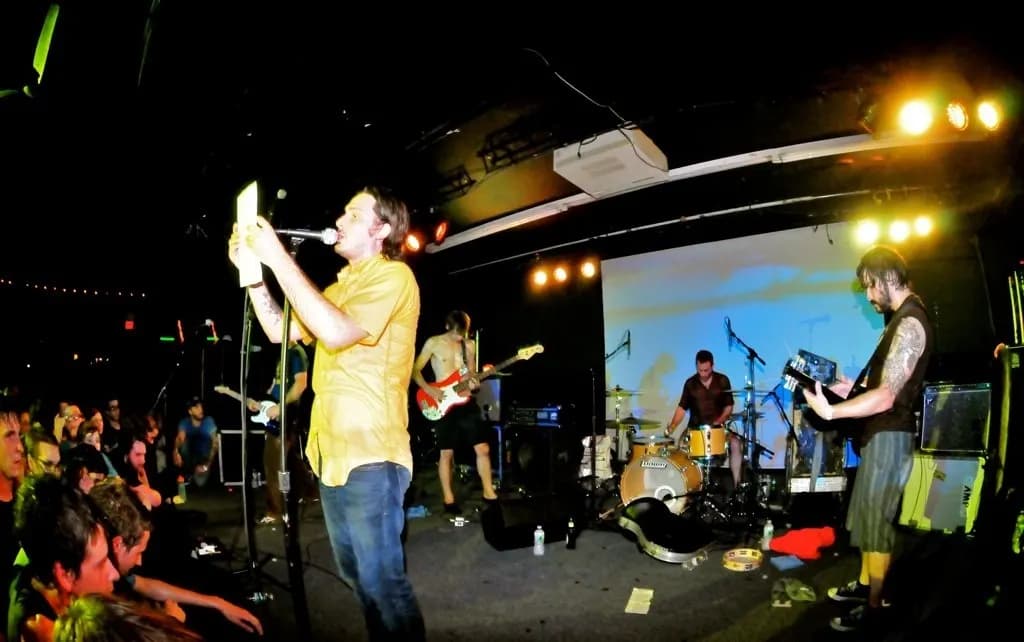
The second wave, through the 1990s, moved the sound toward indie rock. Sunny Day Real Estate from Seattle, Jawbreaker from San Francisco, and the Midwestern bands The Promise Ring, Cap'n Jazz and American Football used busier, more detailed guitar parts and heart-on-sleeve lyrics, and set the template that 2010s "Midwest emo" bands would revive.
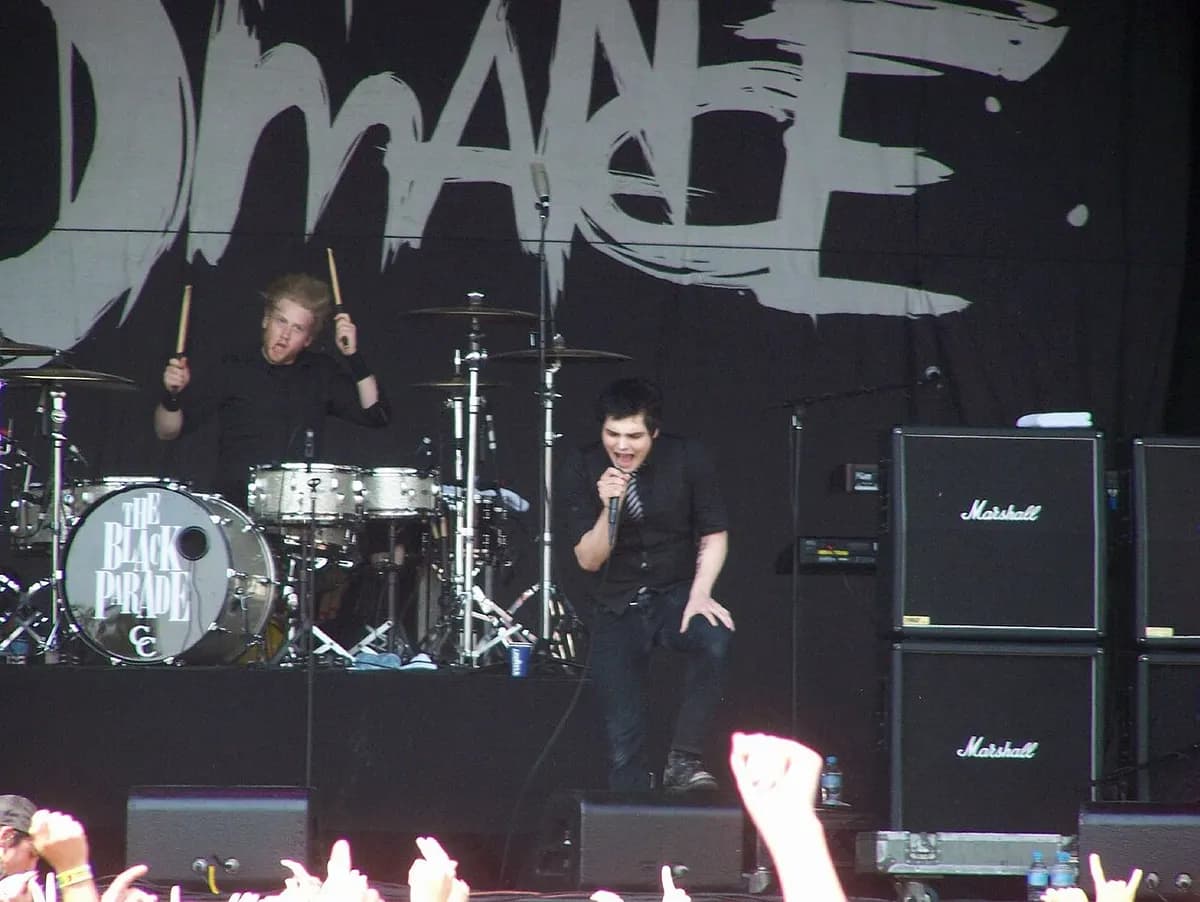
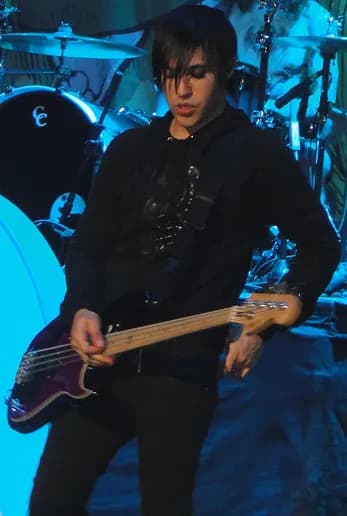
The third wave is the one most people picture: the mainstream boom of the early-to-mid 2000s. Jimmy Eat World, Dashboard Confessional, Taking Back Sunday, My Chemical Romance, and Fall Out Boy took emo onto MTV and into arenas, with pop hooks and a recognisable fashion subculture. Fall Out Boy's Infinity on High (2007) debuted at number one on the Billboard 200, and My Chemical Romance's The Black Parade (2006), whose title track reached number one in the UK, is the album most associated with the era.
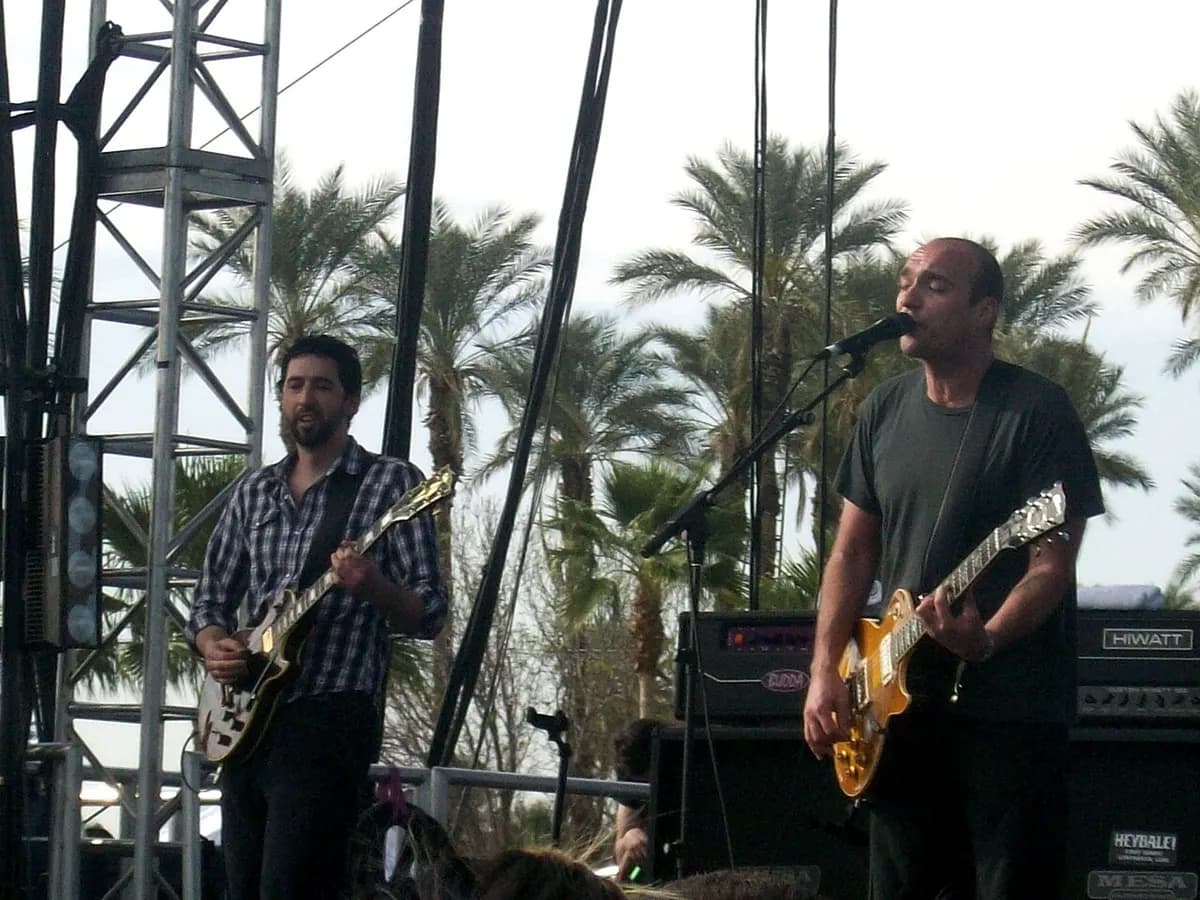
A fourth wave, the "emo revival" of the early-to-mid 2010s, took the underground back to the second wave's detailed, indie-leaning sound, with bands like The World Is a Beautiful Place & I Am No Longer Afraid to Die, Modern Baseball, and Title Fight. Later, "emo" also crossed into hip-hop as emo rap, a separate offshoot covered in our blog.
Key Characteristics & Sound
You can usually spot emo by these traits:
- Tempo: energetic and varied, often 130–180 BPM, with slower, dynamic ballads mixed in.
- Dynamics: tension and release, with quiet, arpeggiated verses that build into big, distorted choruses.
- Guitars: chiming, arpeggiated clean lines and interlocking "twinkly" leads (especially Midwest emo), plus crunchy power chords.
- Vocals: earnest and emotive, from soft and cracking to shouted or screamed at the loudest moments.
- Lyrics: confessional and first-person, about heartbreak, longing, anxiety, and alienation.
- Structure: pop-influenced hooks (in third-wave emo) over punk-rooted energy.
If a song pairs jangly guitars with a strained, close-to-tears vocal that breaks into a loud chorus, you're likely hearing emo. Tempo and feel shift across the genre's eras:
| Wave / style | Typical BPM | Feel |
|---|---|---|
| First wave (emocore, 80s) | 150–200 | Raw, punk-fast, urgent |
| Second wave (Midwest, 90s) | 120–160 | Intricate, twinkly, dynamic |
| Third wave (pop-emo, 2000s) | 130–170 | Anthemic, hooky, polished |
| Screamo / post-hardcore edge | 150–200 | Chaotic, screamed, cathartic |
| Emo revival (2010s) | 120–160 | Lo-fi, jangly, introspective |
Instruments & Production
Emo is guitar-band music, usually the standard rock lineup of two guitars, bass, drums, and vocals, and its identity comes from how those guitars are voiced:
- Electric guitars: often clean, chorus-tinged and arpeggiated, using open and unusual chord voicings for the ringing "twinkly" Midwest-emo sound, then switching to overdriven power chords for choruses.
- Effects: chorus, reverb and delay for shimmer on clean passages; overdrive and distortion for the payoff.
- Bass: melodic and prominent, often carrying the hook under sparse verses.
- Drums: dynamic and expressive, driving the tension-and-release, with punk-fast fills and half-time breakdowns.
- Vocals: often recorded with cracks, strain, and screams left in on purpose.
Production ranges from the deliberately lo-fi, room-sounding recordings of the second wave and emo revival to the glossy, radio-ready sheen of third-wave albums like The Black Parade. Even the polished records usually keep the vocal raw and up front.
Subgenres & Offshoots
Emo has splintered into several recognisable strands:
- Emocore / emotional hardcore: the original, punk-fast first-wave sound.
- Midwest emo: "twinkly" arpeggiated guitars, odd time signatures and offbeat rhythms (American Football, Cap'n Jazz).
- Emo pop / pop-emo: the hook-driven mainstream 2000s sound (Fall Out Boy, Panic! at the Disco).
- Screamo: the most chaotic and screamed offshoot, bordering post-hardcore.
- Post-hardcore: the heavier relative that shares many bands (Thursday, Underoath).
- Emo rap: a hip-hop hybrid borrowing emo's mood and melody; a separate genre (see our emo rap guide).
At its edges emo blurs into neighbours: the fastest first-wave material borders punk, the twinkly revival sits close to indie rock, and the whole genre lives under the wider alternative rock umbrella.
Notable Artists & Tracks
The essential emo acts and songs include:
- Rites of Spring: "For Want Of," from their 1985 debut album.
- Sunny Day Real Estate: "Seven," the opening track of Diary (1994).
- Jimmy Eat World: "The Middle," "Sweetness."
- My Chemical Romance: "Welcome to the Black Parade," "Helena," "I'm Not Okay (I Promise)."
- Dashboard Confessional: "Hands Down," "Vindicated."
- Taking Back Sunday: "MakeDamnSure," "Cute Without the 'E' (Cut from the Team)."
- Fall Out Boy: "Sugar, We're Goin Down," "Thnks fr th Mmrs."
- American Football: "Never Meant," from their 1999 debut, probably the best-known Midwest emo song.
- Paramore: "Misery Business," "Decode."
Start with "The Middle," "Welcome to the Black Parade," and "Never Meant" to hear the range from radio hooks to twinkly Midwest emo.
Emo vs Pop Punk vs Screamo
Emo is often confused with its closest relatives, especially pop punk, which shares many bands and a scene. They overlap heavily, but the emphasis differs:
| Trait | Emo | Pop Punk | Screamo |
|---|---|---|---|
| Focus | Emotional catharsis | Fun, energy, hooks | Extreme intensity |
| Tempo | 130–180 BPM | 160–200 BPM | 150–200 BPM |
| Vocals | Earnest, cracking, some screams | Bright, melodic, upbeat | Screamed, chaotic |
| Lyrics | Confessional, introspective | Youth, relationships, humour | Anguished, abstract |
| Roots | Emotional hardcore | Punk + power pop | Emo + hardcore |
How AI Detects Emo Music
An AI model recognises emo through a bundle of signals: energetic guitar-band instrumentation in the 130–180 BPM range, arpeggiated clean tones that build into distorted choruses, prominent tension-and-release dynamics, and emotive, foregrounded vocals. Because emo overlaps so heavily with pop punk, post-hardcore, and broader alternative rock, the model scores it against all of them and returns weighted possibilities.
Try it yourself: open the Genre AI music genre detector, give it a few seconds of audio, and it will tell a twinkly Midwest-emo passage apart from an anthemic third-wave chorus, and flag when a track leans more punk or alternative. To understand the mechanics behind that call, read our explainer on how AI music genre detection works.
In practice, feeding audio to Genre AI, the clearest Emo readings come from energetic tracks in the 130–175 BPM band built on jangly, arpeggiated clean guitars that erupt into distorted choruses, carried by an emotive, cracking vocal. Push the tempo and brighten the hooks and the model drifts toward Pop Punk and Punk; strip the distortion and lean twinkly and it edges into Indie Rock; broaden the palette and it settles on Alternative. Those near-neighbour scores ride alongside the top result, so you can see how close the call was.